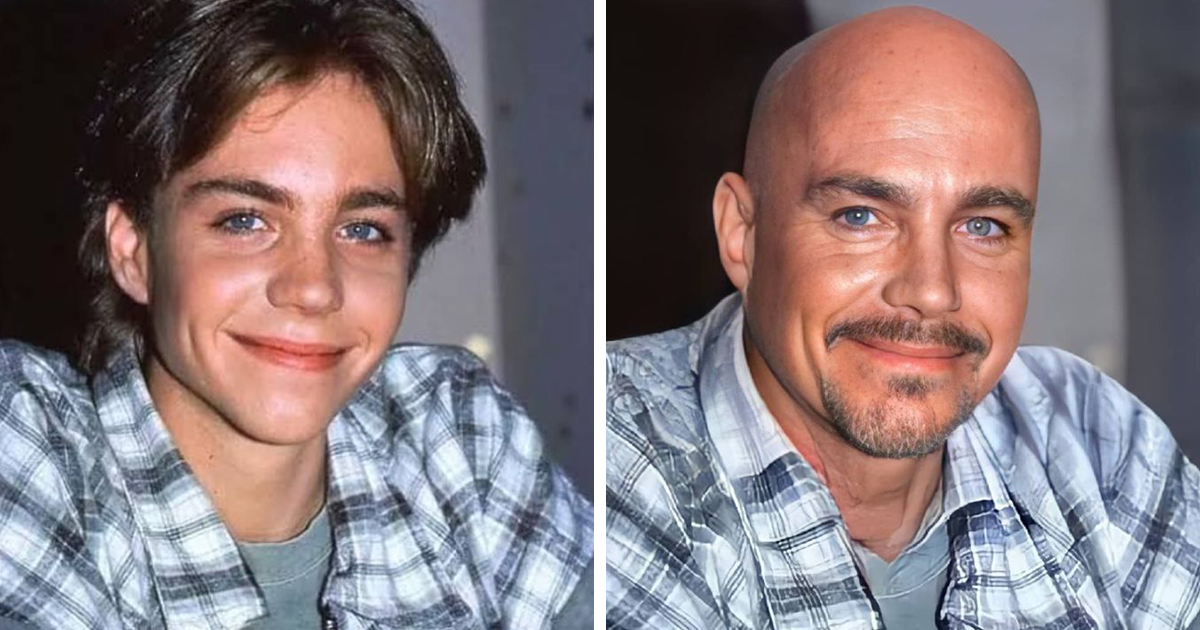
I Was Curious How 30 Celebrities Who Left Us Too Soon Would Be Today, So I Used A.I. To Get The Answer

Note: This article is a respectful, imaginative exploration based on real birth dates, careers, public legacies, and historical records. The “A.I. results” are creative interpretations, not factual predictions or actual images.
There is a strange little button in the human brain labeled “What if?” We press it when we hear an unfinished song, rewatch a classic movie, or see an old photo of someone who left the world far too soon. What if Marilyn Monroe had grown old in Hollywood? What if Tupac Shakur had become a film director, professor, or political commentator? What if Selena had continued building her bilingual empire? What if Heath Ledger had kept choosing roles that made the rest of Hollywood quietly panic?
That curiosity led me to a modern experiment: using artificial intelligence to imagine how 30 celebrities who died youngor whose deaths still feel painfully earlymight look, live, and be remembered today. Before anyone grabs a pitchfork and throws it into the internet bonfire, let’s be clear: A.I. cannot tell us who these people “would have become.” It can only blend real history, public style, career patterns, age progression, and cultural context into a thoughtful guess. In other words, it is not a crystal ball. It is more like a very fast intern with a mood board.
Still, the results are fascinating because they reveal something bigger than aged faces. They show how strongly these artists remain alive in the public imagination. Their songs still stream. Their movies still trend. Their quotes still appear on T-shirts, tattoos, murals, and slightly dramatic Instagram captions. So, let’s walk through the imagined present-day versions of 30 stars who left too soonand what A.I. helped me picture when I asked, “Who might they be now?”
Why A.I. Makes This Question So Addictive
A.I. age progression has become popular because it touches nostalgia, grief, curiosity, and pop culture all at once. It can take a familiar face and apply realistic signs of aging: softer features, gray hair, lines around the eyes, changes in styling, and the kind of quiet confidence that often comes with decades lived. But the emotional part is not just the face. It is the possibility.
When we imagine a celebrity today, we also imagine the albums never recorded, films never made, interviews never given, and causes they might have supported. A.I. gives the imagination a visual starting point, but the real story comes from what we know about their work, values, ambitions, and influence.
30 Celebrities Who Left Us Too Soon: How Old They Would Be Today
1. Marilyn Monroe 99
Marilyn Monroe would be 99 in 2026. A.I. imagined her with soft silver-blonde hair, elegant glasses, and the kind of old-Hollywood poise that could still stop a room mid-sentence. Beyond the glamour, it is easy to picture her as a respected producer, memoirist, and advocate for performers’ rights. She fought for better roles in her lifetime, so an older Marilyn might have become a sharp, funny, and surprisingly powerful voice against typecasting.
2. James Dean 95
James Dean would be 95, which feels impossible because pop culture has trapped him forever in a jacket, a cigarette, and a stare that says, “I know things, but I will not be explaining them.” A.I. pictured him as a lean, weathered elder statesman of filmmore indie legend than Hollywood mascot. He might have become a director, a theater mentor, or the kind of actor who appears in one movie every six years and instantly gets Oscar buzz.
3. Elvis Presley 91
At 91, Elvis Presley would likely be treated as a living monument to American music. The A.I. version leaned into white hair, tailored suits, and a quieter Memphis elegance. Career-wise, it is not hard to imagine him hosting intimate gospel specials, mentoring young country and rock artists, and occasionally reminding everyone that charisma cannot be downloaded from an app.
4. Buddy Holly 89
Buddy Holly would be 89. Since he was already experimenting with songwriting and studio craft before his death, A.I. imagined him as a producer-inventor type: glasses still intact, humor still dry, and probably a home studio full of guitars, tape machines, and one suspiciously complicated coffee setup. His influence on rock and pop might have grown even wider.
5. Patsy Cline 93
Patsy Cline would be 93, and the A.I. image suggested a graceful country icon with silver hair, rhinestones used responsibly, and a voice fans would still describe as “a whole weather system.” She might have become a bridge between classic country, Americana, and modern vocalists who still study her emotional control.
6. Jimi Hendrix 83
Jimi Hendrix at 83 is one of the most exciting “what ifs” in music. A.I. imagined him with long gray curls, bold scarves, and the peaceful grin of someone who had already invented three new genres before breakfast. Given his openness to blues, rock, funk, and experimentation, Hendrix might have collaborated with hip-hop producers, jazz musicians, electronic artists, and maybe a symphony orchestra just because someone told him it would be difficult.
7. Janis Joplin 83
Janis Joplin would also be 83. A.I. pictured a soulful, bohemian elder with layered jewelry, wild silver hair, and eyes that still looked like they had seen every heartbreak in three counties. She might have become a blues matriarch, festival headliner, documentary narrator, and author of a memoir that would absolutely require a strong cup of coffee and emotional preparation.
8. Jim Morrison 82
Jim Morrison would be 82. The A.I. version looked less like a rock god and more like a mysterious poet who lives near the ocean and refuses to own a normal chair. That actually feels believable. Morrison may have moved deeper into poetry, experimental film, and spoken-word performance, occasionally returning to music whenever the moon, the muse, or a tax bill demanded it.
9. Bruce Lee 85
Bruce Lee would be 85, and A.I. imagined him as calm, fit, and intensely focused, with the presence of someone who could still make a room improve its posture. Lee’s philosophy, martial arts innovation, and screen charisma were already global. Today, he might have led a wellness empire, directed action films, written more philosophical works, and continued shaping conversations about Asian representation in Hollywood.
10. Bob Marley 81
Bob Marley would be 81. A.I. pictured him with gray locs, warm eyes, and the unmistakable aura of a global peace ambassador. Marley’s music already feels timeless, but an older Bob might have become even more influential as a humanitarian, environmental voice, and elder of reggae culture. He would probably still make stadiums feel like campfires.
11. John Lennon 85
John Lennon would be 85. A.I. imagined round glasses, silver hair, and a face carrying both mischief and reflection. He might have continued releasing stripped-down albums, writing essays, and commenting sharply on politics and war. Would he have joined social media? Probably. Would he have regretted it within 14 minutes? Also probably.
12. Freddie Mercury 79
Freddie Mercury would be 79, and A.I. did not dare make him boring. The imagined Freddie had silver hair, theatrical jackets, and enough stage energy to make retirement look personally offended. He might have balanced Queen anniversaries with solo projects, opera collaborations, LGBTQ+ advocacy, and live performances so grand they would make fireworks feel underdressed.
13. Princess Diana 64
Princess Diana would be 64. A.I. pictured her with soft blonde-gray hair, refined style, and the same approachable warmth that made her one of the most photographed women in history. Today, she might have expanded her humanitarian work, focused on mental health, children’s welfare, landmine awareness, and global health causes, while also becoming a grandmother whose every coat would still sell out in minutes.
14. Michael Jackson 67
Michael Jackson would be 67. Any modern imagining of him has to acknowledge both his enormous artistic impact and the complicated public conversations surrounding his legacy. A.I. pictured a quieter, older performer with a more private life, perhaps focused on music archives, stage technology, and mentoring young dancers. His influence on pop choreography, music videos, and global fandom would remain impossible to ignore.
15. Whitney Houston 62
Whitney Houston would be 62, and the A.I. image was elegant, powerful, and slightly intimidating in the way only a once-in-a-generation vocalist can be. It is easy to imagine her as a mentor on vocal performance, a gospel recording artist, a film producer, and a queen of tribute stages where younger singers try very hard not to tremble.
16. Tupac Shakur 54
Tupac Shakur would be 54. A.I. imagined a thoughtful, intense middle-aged artist with a salt-and-pepper goatee and the gaze of someone still writing three books at once. Tupac had ambitions beyond music: acting, poetry, social commentary, and activism. Today, he might be a filmmaker, professor, political commentator, or record executive shaping a new generation of artists.
17. The Notorious B.I.G. 53
The Notorious B.I.G. would be 53. A.I. pictured Biggie with a polished executive look: tailored jacket, confident smile, and the calm of a man who knows he changed rap forever. He might have become a label founder, podcast host, actor, and respected elder in hip-hop. His storytelling style would still be studied like literature with better bass.
18. Selena Quintanilla-Pérez 55
Selena would be 55. A.I. imagined her with radiant confidence, glamorous but modern styling, and the kind of smile that could make an arena feel personal. She might have expanded her fashion line, dominated both English and Spanish-language music markets, starred in films, and become one of the most influential Latina entrepreneurs in entertainment.
19. Kurt Cobain 59
Kurt Cobain would be 59. The A.I. version avoided glossy rock-star polish and instead imagined a quiet, gray-haired artist in layered sweaters, looking like he would rather be in a studio than at an awards show. That feels right. He might have made raw acoustic albums, produced underground bands, painted, written, and refused nostalgia tours until the check clearedor until Dave Grohl made him laugh.
20. Aaliyah 47
Aaliyah would be 47. A.I. pictured her as sleek, futuristic, and calm, with the kind of style that would still look five years ahead of everyone else. She might have become a major actress, fashion designer, R&B innovator, and executive producer. Her cool minimalism would likely fit today’s music landscape perfectly.
21. Lisa “Left Eye” Lopes 54
Lisa “Left Eye” Lopes would be 54. A.I. imagined her with bold glasses, expressive fashion, and creative energy that looked impossible to contain. She might have become a producer, visual artist, wellness advocate, and reality-TV personality with actual substance behind the spectacle. Her adventurous spirit would have fit the internet age almost too well.
22. Amy Winehouse 42
Amy Winehouse would be 42. A.I. imagined a softer, more grounded version of her iconic style: winged eyeliner, dark hair, and a face with more peace in it. Musically, she might have leaned deeper into jazz, soul, and blues, possibly recording intimate albums that made listeners feel like they had accidentally walked into someone’s diary.
23. Heath Ledger 47
Heath Ledger would be 47. A.I. pictured him as a mature leading man with artistic restlessness still written all over his face. After roles like “Brokeback Mountain” and “The Dark Knight,” his career might have moved toward directing, prestige dramas, strange independent films, and the occasional blockbuster where he made everyone else look like they were acting in pencil.
24. River Phoenix 55
River Phoenix would be 55. A.I. imagined a gentle, thoughtful actor with a rugged, natural style and the aura of someone who still cared deeply about the planet. Phoenix might have become a major dramatic actor, environmental activist, filmmaker, and mentor to younger performers trying to survive fame without losing themselves.
25. Brittany Murphy 48
Brittany Murphy would be 48. A.I. pictured her with a warm smile, expressive eyes, and the playful energy that made her unforgettable in both comedy and drama. She might have enjoyed a career renaissance through streaming series, voice acting, indie films, and roles that used her sharp timing instead of underestimating it.
26. Paul Walker 52
Paul Walker would be 52. A.I. imagined him as relaxed, outdoorsy, and quietly charismatic. Beyond action films, Walker was known for humanitarian work, especially disaster relief. Today, he might have balanced the “Fast & Furious” universe with ocean conservation, documentaries, and charitable projects that kept him far from Hollywood fuss when possible.
27. Chadwick Boseman 49
Chadwick Boseman would be 49. A.I. pictured him with dignified calm, elegant style, and the presence of a performer who could make silence feel scripted. Boseman’s career was still rising when he died. Today, he might have directed films, led historical dramas, expanded Black Panther’s cultural legacy, and built a production company focused on powerful Black stories.
28. Robin Williams 74
Robin Williams would be 74. A.I. imagined him with a gentle grandfatherly warmth and the spark of chaos still hiding behind his eyes. He might have continued moving between comedy, drama, animation, and mental health advocacy. Honestly, he would probably have turned video calls into performance art during lockdown and made the rest of us feel under-talented on Zoom.
29. Mac Miller 34
Mac Miller would be 34. A.I. pictured him as older, calmer, and more experimental, with the look of a producer who spends long nights building sounds nobody has named yet. His later music showed growth, vulnerability, and jazz-influenced ambition. Today, he might have become one of hip-hop’s most respected producer-artists.
30. Avicii 36
Avicii would be 36. A.I. imagined him as a reflective electronic music pioneer with a more private life and a healthier relationship with touring. His gift for melody helped reshape EDM into something emotional and radio-friendly. Today, he might have produced for pop stars, scored films, supported artist mental health, and released music at his own pace.
What These A.I. Portraits Really Show
The most moving part of this experiment was not seeing wrinkles or gray hair. It was realizing how many of these artists were still becoming themselves. Some had already reached world fame, but fame is not the same as completion. A career can be huge and still unfinished. A voice can be legendary and still evolving. A person can become a symbol before they ever get the chance to become old.
A.I. also reveals how style becomes memory. Marilyn is remembered through platinum hair and camera light. Tupac through intensity and poetic fire. Selena through joy, sparkle, rhythm, and ambition. Kurt Cobain through discomfort with fame. Whitney through vocal power. Chadwick Boseman through dignity and discipline. These are not just public images; they are cultural shorthand. A.I. uses that shorthand to imagine continuity.
But there is a responsibility here. Turning deceased celebrities into digital images can easily become tasteless if it treats them like toys. The best use of A.I. in this context is not to “resurrect” people for clicks. It is to start a conversation about legacy, mortality, art, and the strange way talent keeps traveling after a person is gone.
Why We Keep Asking “What If?”
Fans ask “what if” because grief dislikes unfinished sentences. When an artist dies young, the public story ends abruptly, but the emotional relationship keeps going. New listeners discover them every year. Teenagers find Nirvana, Selena, Tupac, Aaliyah, or Amy Winehouse and feel like they have uncovered a secret, even though millions of people got there first. That is the magic trick of lasting art: it feels personal even when it is global.
Imagining these celebrities today does not change what happened. It does not fill the empty spaces. But it does remind us that their influence did not stop at the date of death. In some cases, it grew. Marilyn became a symbol of beauty and vulnerability. Bruce Lee became a philosophy as much as a movie star. Bob Marley became a global language of resistance and peace. Selena became a generational bridge for Latino identity and pop ambition.
My Experience Using A.I. For This Celebrity Thought Experiment
At first, I expected this experiment to feel like a novelty. I thought I would type in names, compare imagined results, raise an eyebrow, and maybe whisper, “Well, that is spooky,” like someone discovering their refrigerator makes ice in the shape of tiny ghosts. But the process became more emotional than expected. The moment you ask A.I. to imagine a famous person older, you stop thinking only about celebrity. You start thinking about time.
The strongest images were not the most glamorous ones. They were the quiet ones. An older Amy Winehouse looking calmer. A middle-aged Tupac who seemed less like a headline and more like an author. A silver-haired Freddie Mercury still dressed as if subtlety had personally wronged him. A 64-year-old Princess Diana who looked less like a royal icon and more like someone who had survived the machine that once chased her. These imagined versions carried a kind of tenderness.
I also noticed how A.I. forced me to separate appearance from legacy. It is easy to ask, “What would they look like?” but the more interesting question is, “What would they stand for?” If Selena were here today, she would not simply be a beautiful woman in her 50s. She might be a music executive, fashion founder, cultural ambassador, and mentor. If Chadwick Boseman were here, he would not only be older; he might be shaping an entire generation of filmmakers. If Bruce Lee were here, he might be less interested in being remembered as unbeatable and more interested in teaching people how to live with discipline.
The experiment also made me think about how fame freezes people unfairly. James Dean is forever young because the photographs stopped. Marilyn Monroe is forever 36 because history never gave her 40, 50, or 70. A.I. challenges that frozen image by suggesting that aging is not a loss of magic. It can be another form of beauty. Lines on a face are not errors. They are receipts.
There were awkward moments too. Some results felt too polished, like magazine covers from a universe where everyone owns excellent moisturizer and no one has ever eaten airport nachos. That is where human judgment matters. A.I. can make a face older, but it cannot truly understand hardship, humor, contradiction, or personal growth. It does not know what someone would have healed from, struggled with, apologized for, created, rejected, or loved. Those parts remain human territory.
That is why I see this kind of A.I. project as a doorway, not a destination. It should lead people back to the real work: the songs, films, interviews, performances, charities, writings, and cultural changes these people actually left behind. If an A.I. image of older Aaliyah makes someone listen to her music with fresh ears, that is meaningful. If an imagined older Robin Williams makes someone revisit his dramatic roles and think more compassionately about mental health, that matters. If a portrait of Bob Marley at 81 reminds someone that music can carry protest and peace at the same time, then the experiment has done more than create a picture.
In the end, using A.I. to imagine these 30 celebrities today did not answer the question completely. It made the question bigger. It reminded me that “left us too soon” is not just a phrase we use for tragic headlines. It is a recognition of interrupted possibility. These artists gave us enough to become unforgettable, yet not enough for us to stop wondering. Maybe that is why their legacies remain so powerful. They are finished and unfinished at the same time.
Conclusion
Asking A.I. what 30 celebrities who left us too soon would be like today is not really about technology. It is about memory. It is about the way culture keeps holding onto people whose work shaped us, comforted us, entertained us, or made us feel less alone. A.I. can imagine older faces, but it cannot replace the real people, their choices, or the lives they never got to live.
What it can do, when used respectfully, is help us pause. It lets us picture Marilyn with wisdom lines, Tupac with a director’s chair, Selena with a global brand, Heath Ledger with another Oscar nomination, and Amy Winehouse with a peaceful late-night jazz record. These images are fictional, but the love behind them is real.
The best tribute is not pretending they are still here. It is remembering why we still care.