
A fracture is the medical word for a broken bone. That sounds simple, but bones are not breadsticks. They can crack, split, crush, bend, poke through skin, or break in tiny stress lines that barely show up at first. Some fractures are dramatic enough to make everyone in the room stop talking. Others are sneaky, showing up as “just a sore foot” until an X-ray politely reveals the plot twist.
Fractures are common injuries, but they are not all treated the same way. A small, stable toe fracture may need rest, protection, and patience. A displaced hip fracture, an open fracture, or a break involving nerves and blood vessels can require urgent surgery. Understanding fracture types, causes, symptoms, and treatment options helps you know when to seek care, what doctors look for, and how healing usually works.
Important: This article is for education only and does not replace medical advice. If you think you have a fracture, especially after a fall, sports injury, crash, or direct blow, get evaluated by a healthcare professional.
What Is a Fracture?
A fracture is a partial or complete break in a bone. The break may be tiny, like a hairline crack, or severe, with the bone split into several pieces. Doctors describe fractures based on whether the skin is broken, whether the bone pieces are aligned, what pattern the break makes, and what caused it.
Many people use “broken bone” and “fracture” as if they are different things. They are not. A fracture is a broken bone. The real difference is the type, location, severity, and whether nearby muscles, joints, nerves, blood vessels, and skin are also injured.
Common Types of Fractures
Closed Fracture
A closed fracture means the bone is broken but the skin stays intact. Closed fractures can still be serious, especially if the bone is displaced, near a joint, or associated with swelling that affects circulation.
Open or Compound Fracture
An open fracture happens when broken bone is exposed through the skin or when a wound reaches the fracture site. This is a medical emergency because bacteria can enter the wound and cause infection. Treatment usually focuses on cleaning the wound, preventing infection, stabilizing the bone, and protecting surrounding tissues.
Displaced Fracture
In a displaced fracture, the bone pieces move out of their normal position. The limb may look bent, shortened, twisted, or “not quite factory settings.” Displaced fractures often need reduction, which means the bone is moved back into better alignment. Some can be reduced without surgery, while others require surgical fixation.
Non-Displaced Fracture
A non-displaced fracture means the bone is broken but still lined up well. These fractures are often treated with a cast, splint, brace, boot, sling, or other form of immobilization, depending on the bone and injury.
Stress Fracture
A stress fracture is a small crack caused by repeated force or overuse. Runners, dancers, military trainees, and athletes who suddenly increase training intensity are common candidates. Stress fractures often cause pain that worsens with activity and improves with rest.
Greenstick Fracture
A greenstick fracture is more common in children. The bone bends and cracks but does not fully break all the way through. Children’s bones are more flexible than adult bones, which is great for playground resilience but not a magical shield against injury.
Comminuted Fracture
A comminuted fracture means the bone breaks into three or more pieces. These fractures may occur after high-energy trauma, such as car crashes or serious falls, and may require surgery to restore alignment and stability.
Compression Fracture
A compression fracture occurs when bone collapses or is crushed. It is often seen in the spine, especially in people with osteoporosis. Symptoms may include sudden back pain, height loss, or a hunched posture over time.
Avulsion Fracture
An avulsion fracture happens when a tendon or ligament pulls off a small piece of bone. It may occur during sports, sudden twisting, or explosive movement. The injury can feel like a sprain, which is why imaging may be needed.
Pathologic Fracture
A pathologic fracture occurs when a weakened bone breaks more easily than expected. Osteoporosis, bone tumors, infection, or other medical conditions can reduce bone strength. In these cases, doctors treat both the fracture and the underlying cause.
What Causes Fractures?
Most fractures happen when a bone faces more force than it can handle. The force may be sudden and powerful, repeated over time, or relatively minor if the bone is already weak.
Falls
Falls are one of the most common causes of fractures, especially wrist, hip, ankle, and shoulder fractures. A person may fall on an outstretched hand, twist an ankle, or land directly on the hip. For older adults, even a fall from standing height can cause a serious fracture if bones are weakened by osteoporosis.
Sports Injuries
Football, basketball, skiing, skateboarding, gymnastics, running, and contact sports can all lead to fractures. Some happen from direct impact; others come from twisting, overuse, or awkward landings. A player may walk off the field trying to look tough, but bones do not care about team spirit.
Car Accidents and High-Energy Trauma
Motor vehicle crashes, motorcycle accidents, workplace injuries, and falls from height can cause complex fractures. These injuries may involve multiple bones, open wounds, joint damage, or internal injuries, so emergency evaluation is essential.
Overuse
Repeating the same movement over and over can create tiny cracks in bone. Stress fractures often develop when training increases too quickly, shoes are worn out, rest days are ignored, or the body is pushed past its recovery limits.
Osteoporosis and Low Bone Density
Osteoporosis makes bones weaker and more likely to break. Hip, spine, and wrist fractures are common concerns. People may not know they have low bone density until a fracture happens, which is why screening and prevention matter, especially for people at higher risk.
Symptoms of a Fracture
Fracture symptoms vary depending on the bone, severity, and surrounding tissue damage. Some fractures are obvious; others are annoyingly subtle.
Common Signs and Symptoms
- Sudden pain after an injury
- Swelling around the injured area
- Bruising or discoloration
- Tenderness when touched
- Pain that worsens with movement or weight-bearing
- Limited motion or inability to use the limb
- A limb or joint that looks bent, twisted, shortened, or out of place
- Grinding, snapping, or popping sensation at the time of injury
- Numbness, tingling, weakness, or pale/cold skin below the injury
- Bone visible through the skin in an open fracture
When to Seek Emergency Care
Get urgent medical help if the bone is sticking through the skin, the limb looks deformed, pain is severe, bleeding will not stop, fingers or toes become numb or blue, the person cannot move or bear weight, or the injury involves the head, neck, spine, hip, pelvis, or multiple body parts. Also seek immediate care after a high-speed crash, major fall, or injury with loss of consciousness.
How Fractures Are Diagnosed
Diagnosis usually starts with a physical exam. A clinician checks pain, swelling, skin condition, movement, sensation, pulse, and whether nearby joints are affected. They may ask how the injury happened because the story often gives clues. “I stepped off a curb” and “I fell off a roof while carrying a ladder” create very different levels of concern.
X-Rays
X-rays are the most common imaging test for suspected fractures. They show bone alignment, break patterns, and whether the fracture involves a joint. Sometimes multiple views are needed because bones are three-dimensional and like to hide their secrets.
CT Scan
A CT scan may be used for complex fractures, joint fractures, spine injuries, pelvis injuries, or cases where X-rays do not show enough detail. CT imaging gives a more detailed view of bone structure.
MRI
An MRI may help detect stress fractures, soft tissue injuries, bone bruising, and fractures that are not clearly visible on X-ray. It is especially useful when pain persists but initial imaging looks normal.
Bone Scan
A bone scan may be considered when doctors suspect a stress fracture, infection, or other bone problem that is difficult to see with standard imaging.
Fracture Treatment Options
The goal of fracture treatment is simple in theory: put the bone in the right position, keep it stable, manage pain, prevent complications, and help the person return to normal function. In practice, the best treatment depends on the bone, fracture type, age, health, activity level, and whether the injury is stable.
First Aid Before Medical Care
If a fracture is suspected, avoid moving the injured area unnecessarily. Keep it still, apply a cold pack wrapped in cloth, elevate if possible, and seek medical help. Do not push a protruding bone back into place. Do not try to “walk it off” if walking feels impossible. Bones are not customer service problems; they do not improve when ignored.
Immobilization
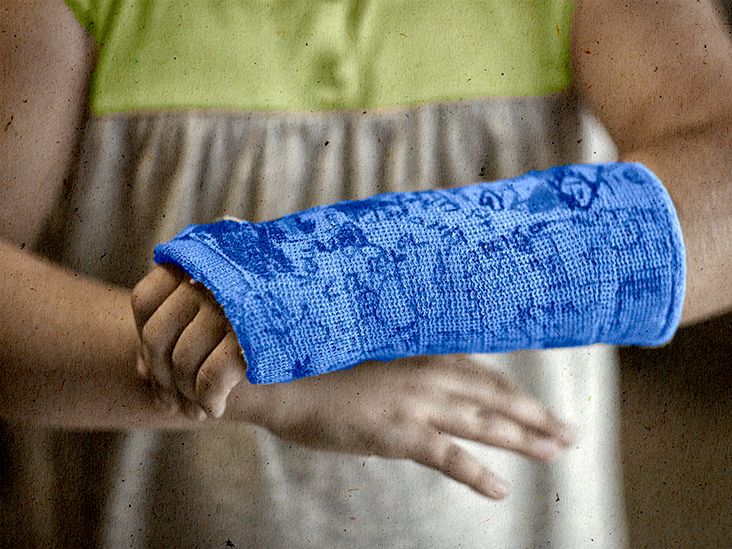
Many fractures heal with immobilization. This may involve a cast, splint, brace, sling, walking boot, or special shoe. Immobilization keeps the bone protected while the body builds new bone tissue. Casts are often used after swelling improves, while splints may be used early because they allow room for swelling.
Reduction
Reduction means realigning the broken bone. Closed reduction is done without surgery, often with pain control or sedation. Open reduction is done surgically when the bone cannot be aligned properly from the outside or when the fracture is unstable.
Surgery and Internal Fixation
Some fractures need surgery. Internal fixation uses hardware such as plates, screws, rods, nails, or wires to hold bone fragments in position. Surgery may be recommended for open fractures, displaced fractures, unstable fractures, hip fractures, joint fractures, and fractures that are unlikely to heal well with casting alone.
External Fixation
External fixation uses pins or screws placed into bone and connected to a frame outside the body. It may be used for severe open fractures, major trauma, or when soft tissues need time to recover before another procedure.
Pain Management
Pain control may include ice, elevation, rest, acetaminophen, or other medications recommended by a clinician. Anti-inflammatory medicines may be appropriate for some people but not all, especially after certain surgeries or in people with kidney disease, stomach ulcers, bleeding risk, or medication interactions.
Physical Therapy and Rehabilitation
After immobilization or surgery, muscles may feel weak and joints may feel stiff. Physical therapy can help restore range of motion, strength, balance, and function. Rehab is especially important after hip, ankle, wrist, shoulder, and leg fractures. It may not be glamorous, but it is where much of the comeback happens.
How Long Does a Fracture Take to Heal?
Healing time varies widely. Small fractures may heal in several weeks, while complex fractures can take months. Children often heal faster than adults. Older adults, smokers, people with diabetes, people with poor nutrition, and people with osteoporosis may heal more slowly.
Bone healing also depends on blood supply, fracture stability, infection risk, and whether the person follows weight-bearing restrictions. When a doctor says “do not put weight on it,” they are not trying to ruin your schedule. They are trying to keep the repair from shifting before the bone is ready.
Possible Complications
Most fractures heal well with proper treatment, but complications can happen. These may include infection, delayed healing, nonunion, malunion, stiffness, nerve injury, blood vessel damage, blood clots, arthritis after joint fractures, and compartment syndrome. Compartment syndrome is a dangerous buildup of pressure in muscles that can reduce blood flow and requires emergency care.
Call a healthcare provider if pain suddenly worsens, swelling becomes severe, fingers or toes turn blue or cold, numbness develops, fever occurs, drainage appears around a wound or surgical site, or a cast feels painfully tight.
How to Support Bone Healing
Follow the Treatment Plan
Attend follow-up appointments, get repeat imaging if ordered, and follow instructions about casts, braces, wound care, and activity restrictions. A fracture can look fine on the outside while still needing protection inside.
Eat for Bone Repair
Bone healing needs building materials. A balanced diet with protein, calcium, vitamin D, magnesium, fruits, vegetables, and enough calories supports recovery. Good food will not turn you into Wolverine, but it does give your body the supplies it needs.
Avoid Smoking
Smoking can slow bone healing and increase the risk of complications. If there was ever a good time to quit, a fracture recovery period is waving a giant flag.
Move Safely
Movement is usually reintroduced gradually. Follow your clinician’s advice about when to bear weight, stretch, strengthen, and return to sports or work. Doing too much too soon can delay healing; doing too little for too long can create stiffness and weakness.
Fracture Prevention Tips
Not every fracture can be prevented, but many risks can be reduced. Bone safety is not about living in bubble wrap. It is about making smart choices before gravity starts acting suspicious.
- Use proper protective gear for sports and work.
- Increase exercise intensity gradually.
- Wear supportive shoes that match the activity.
- Do strength and balance exercises, especially as you age.
- Keep floors clear of clutter, loose rugs, and poor lighting.
- Install grab bars where falls are more likely, such as bathrooms.
- Review medications that may cause dizziness or balance problems.
- Get vision checked regularly.
- Ask about bone density screening if you are at risk for osteoporosis.
- Eat enough protein, calcium, and vitamin D through food and supplements if recommended.
Experience-Based Lessons: What Fractures Teach People in Real Life
Fractures are medical events, but they are also everyday life events. They affect how people shower, sleep, work, cook, drive, exercise, parent, study, and carry coffee without turning the hallway into a splash zone. The experience often teaches lessons that are not printed on discharge papers.
One common lesson is that the first few days are usually the most awkward. Pain, swelling, and uncertainty make simple routines feel complicated. A person with a wrist fracture suddenly discovers how many activities require two hands: opening jars, typing, buttoning jeans, squeezing toothpaste, holding a phone, and convincing a fitted sheet to behave. Someone with an ankle fracture may learn that stairs have been quietly plotting against them for years.
Another lesson is that preparation matters. People recovering from fractures often do better when they organize their living space early. Moving frequently used items to waist height, clearing walking paths, setting up a comfortable resting area, using a shower chair if recommended, and arranging transportation can reduce stress. Crutches, walkers, boots, and slings are helpful, but they come with a learning curve. Practicing safe movement before pain peaks can make recovery smoother.
Sleep can be surprisingly challenging. A cast, brace, or surgical dressing may make favorite sleeping positions impossible. Elevation can help swelling, but it may also turn bedtime into a pillow architecture project. Many people find that consistent positioning, loose clothing, and taking pain medication exactly as prescribed improve comfort. The goal is not to win a toughness contest. The goal is to rest so the body can repair bone.
Fractures also test patience. Many people feel better before the bone is fully healed, which is when temptation arrives wearing sneakers. “I can probably jog a little” or “I’ll just carry this one heavy box” can become famous last words. Returning too quickly to sports, lifting, or full weight-bearing may delay healing or cause the fracture to shift. Successful recovery often means respecting the boring middle stage, where progress is real but not dramatic.
Communication is another practical lesson. Patients should ask clear questions: Can I shower? Can I drive? When can I return to work? How much weight can I put on this leg? What symptoms are urgent? Do I need physical therapy? When is my next X-ray? These questions are not annoying; they are useful. The more specific the instructions, the easier it is to follow them.
Finally, fractures often remind people that independence and health are connected to small habits. Balance exercises, safer shoes, better lighting, stronger muscles, and bone health checkups may sound ordinary, but ordinary prevention can prevent extraordinary inconvenience. Nobody wakes up excited to discuss calcium intake and throw rugs, but after a fracture, those topics suddenly become very interesting.
The good news is that most fractures heal with proper care, time, and follow-through. Recovery may be slower than desired, and the cast may itch at the exact spot human fingers cannot reach, because apparently casts have a sense of humor. Still, each week usually brings more comfort, better movement, and a return to normal routines. The best fracture recovery combines medical treatment, realistic expectations, nutrition, safe activity, and patiencethe least flashy but most reliable tool in the kit.
Conclusion
Fractures range from tiny stress cracks to serious open breaks, and treatment depends on the type, location, alignment, and overall health of the person injured. The most common symptoms include pain, swelling, bruising, tenderness, deformity, and difficulty moving or bearing weight. Diagnosis often involves a physical exam and imaging such as X-rays, CT scans, or MRI. Treatment may include immobilization, reduction, surgery, pain management, and rehabilitation.
The smartest move is simple: if you suspect a fracture, get medical care promptly. Bones are excellent at healing, but they prefer good alignment, steady support, and a patient owner.