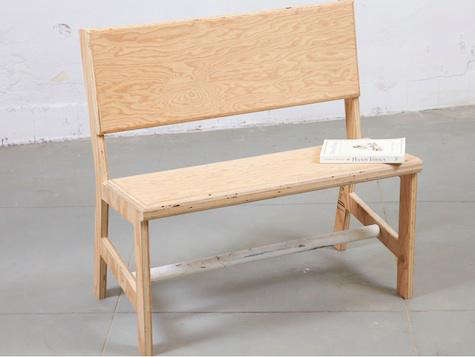

Los Angeles has never been shy about reinvention. It turns warehouses into galleries, bungalows into architectural mood boards, and ordinary kitchens into rooms where a drawer pull can have more personality than a supporting actor. Somewhere in that restless, sunlit, slightly sawdust-scented design universe sits To Do Something, also known today as td[s], a Los Angeles-based design and contracting studio known for custom cabinetry, furniture, and interior millwork made with careful attention to proportion, materials, and everyday use.
The name sounds like a reminder taped to a refrigerator: “to do something.” But that casual phrase fits the work surprisingly well. This is furniture and cabinetry for people who are tired of almost-right solutions. The shelf is too shallow. The island feels too bulky. The desk looks good online but behaves like it was designed by someone who has never owned a laptop, a coffee mug, or elbows. To Do Something belongs to a different tradition: make the thing fit the room, fit the person, and fit the life being lived around it.
In a city packed with design contradictionsSpanish Colonial homes beside glassy modern boxes, midcentury icons beside apartment rentals with mystery outletscustom furniture in Los Angeles is not just a luxury flex. It is often the most practical route to harmony. And To Do Something’s appeal comes from understanding that good furniture does not need to shout. Sometimes the smartest piece in the room is the one that quietly solves five problems and still looks handsome while doing it.
The Story Behind To Do Something
To Do Something first drew design-world attention in the early 2010s, when publications such as Remodelista and Sight Unseen highlighted the studio’s understated furniture, cabinetry, and product pieces. Historic coverage identified Dakota Witzenburg and Chad Petersen as key figures behind the studio, with work ranging from benches and chairs to desks, casework, and cabinetry. The current td[s] identity describes the practice as a Los Angeles-based design and contracting studio led by Dakota Witzenburg and team, focused on high-quality American-made cabinetry and furnishings produced in Southern California.
That evolution matters. Many furniture studios begin with a single chair, table, or sculptural object, then discover that the real challenge is bigger than a product line. A chair can be beautiful, but a home needs flow. A cabinet can be well built, but a kitchen needs rhythm. To Do Something’s strongest identity sits in that intersection between furniture, millwork, contracting, and interior problem-solving.
A Studio Built Around Use, Not Just Looks
The best custom furniture makers tend to obsess over details normal people only notice when they go wrong. A drawer that glides smoothly. A cabinet door that does not sag. A bench with the right amount of visual weight. A kitchen island that becomes the center of the home without blocking traffic like a badly parked truck. To Do Something’s mission emphasizes refined, modern millwork that is made for real homes and workspaces, not simply staged photographs.
This is one reason the studio’s work has aged well. The internet can make design trends sprint through our lives like toddlers on espresso, but carefully proportioned wood, restrained color, and honest construction stay useful long after the algorithm has moved on to mushroom lamps or chrome blob tables.
Why Los Angeles Is the Right Home for This Kind of Furniture
Los Angeles is a maker’s city disguised as a movie city. Yes, it has red carpets, palm trees, and brunch lines that test the limits of human patience. But behind the glamorous front door is a deep ecosystem of woodworkers, fabricators, designers, architects, finishers, metal shops, upholsterers, and artists. That network makes L.A. unusually fertile ground for custom furniture and cabinetry.
The city’s homes are also wonderfully inconsistent. A Los Feliz Spanish-style house may need cabinetry that respects age and texture. A Silver Lake bungalow may need built-ins that make a compact footprint feel generous. A Hollywood Hills modern home may need millwork that disappears into the architecture. A downtown loft may demand furniture with industrial backbone and softer domestic manners. In other words, Los Angeles rarely rewards one-size-fits-all design.
Local Production Has Practical Advantages
Made-in-Los Angeles furniture is not only about civic pride, though that is nice too. Local fabrication can make the process more responsive. Designers can visit the site, measure accurately, solve awkward corners, test finishes in real light, and adjust details before installation. Clients can see samples instead of guessing from a tiny digital square that may or may not resemble walnut in the real world.
Local production also supports a slower, more responsible alternative to disposable furniture. Fast furniture often looks affordable until it wobbles, chips, or gets dragged to the curb after one move. Custom millwork costs more upfront, but it can be designed to last, repair, adapt, and belong. In a city where homes can be small, expensive, and deeply personal, longevity is not just a design preference. It is emotional math.
The To Do Something Aesthetic: Quiet, Modern, and Clever
The studio’s earlier furniture pieces were often described as minimal, precise, and influenced by both conceptual art and Shaker restraint. That combination might sound like a graduate seminar trapped inside a cabinet shop, but the result is warmer than it sounds. Think clean lines without coldness, playful details without gimmicks, and strong forms that understand when to step back.
Pieces associated with the studio have included benches with contrasting supports, A(+) chairs with painted legs, desks with slender metal elements, and cabinetry with careful storage details. The work does not chase ornament for its own sake. Instead, small movesan unexpected color accent, a crisp junction, a floating cabinet line, a warm interior wood tonedo the heavy lifting.
Shaker Discipline Meets Los Angeles Ease
One useful way to understand To Do Something is through the phrase “disciplined ease.” Shaker furniture is famous for utility, simplicity, and proportion. Los Angeles design, at its best, brings lightness, informality, and indoor-outdoor comfort. Put those together and you get furniture that feels calm but not stiff. It can live with vintage ceramics, art books, linen curtains, concrete floors, or a dog who has made the rug legally his property.
This is not showroom minimalism where nobody appears to own mail, shoes, or snacks. It is practical minimalism: the kind that reduces clutter because the storage was designed intelligently in the first place.
Custom Cabinetry as Furniture for the Architecture
One of the most important shifts in modern interiors is the way cabinetry has become furniture. A kitchen is no longer just a row of boxes wearing hardware. A wall of built-ins is not merely storage. A bathroom vanity can set the emotional tone of the entire morning, which is heroic considering most mornings begin with bad hair and mild confusion.
To Do Something’s work fits this larger movement. Custom cabinetry can shape how people move through a space. It can make a small room feel taller, a dark room feel calmer, or a busy kitchen feel more intentional. When cabinetry is designed as part of the architecture, it can do what freestanding furniture cannot: use every inch, hide the chaos, and create a visual line that makes the room feel finished.
Examples of Smart Millwork Thinking
Imagine a Silver Lake kitchen with limited square footage. Stock cabinets might technically fit, but they could leave awkward gaps, dead corners, and a refrigerator that looks like it wandered in from another apartment. A custom approach can extend cabinetry to the ceiling, create an integrated pantry, use warm wood interiors behind glass fronts, and add an island that works as prep space, dining perch, and storage zone.
Or consider a living room in a 1920s bungalow. A generic media console may sit under the television like an apology. A custom built-in can frame books, records, speakers, art, and hidden cables while respecting the home’s older proportions. That is the difference between buying furniture and designing a solution.
Materials: Why Wood, Finish, and Hardware Matter
Furniture is only as good as the decisions hiding beneath the surface. Wood species, veneer quality, joinery, finish, hinges, drawer slides, and installation all affect how a piece performs over time. A cabinet can photograph beautifully on day one and still betray you by year three if the materials are wrong or the construction is careless.
To Do Something’s public description emphasizes industry-leading materials, hardware, construction methods, and finishes. That language may sound technical, but it points to the practical side of luxury. Good hardware means drawers open smoothly when full. Good finishes resist daily wear. Good construction keeps doors aligned. Good installation prevents that deeply annoying situation where one cabinet line is slightly off and now your eye twitches every time you make coffee.
The Beauty of Restraint
Not every furniture piece needs rare marble, exotic veneer, or a handle shaped like a tiny philosophical question. Often, the best material choice is the one that serves the room quietly. White oak can bring warmth without heaviness. Painted cabinetry can introduce color while keeping a kitchen calm. Matte finishes can soften light. Natural woodgrain can add movement to a clean-lined room.
Restraint is not boring. Restraint is confidence. It says, “I know exactly what this room needs, and it is not seventeen competing finishes fighting for custody of your attention.”
How To Do Something Fits the Los Angeles Design Scene
The Los Angeles furniture scene has expanded far beyond celebrity homes and vintage shopping. It now includes independent furniture makers, sustainable wood studios, local upholstery shops, experimental design practices, and brands focused on American-made production. Publications regularly highlight L.A. makers who turn fallen urban trees into long-lasting furniture, produce sofas locally, restore midcentury homes with custom pieces, and create one-of-a-kind interiors using local workshops.
To Do Something fits into this ecosystem because it treats furniture as part of a larger design conversation. The studio is not simply selling a chair as an isolated object. It is participating in the L.A. tradition of tailoring space to personality, climate, architecture, and daily rituals.
Not Trend-Proof, but Trend-Resistant
No design studio is completely immune to trends. We are all living under the influence of the internet, whether we admit it or not. But certain approaches are trend-resistant: honest materials, good proportions, useful storage, local fabrication, and details that reward close looking. These are the qualities that keep a kitchen, desk, bench, or wall unit from feeling dated the moment a new color forecast drops.
To Do Something’s work leans into those durable values. The result is furniture that does not beg for attention but earns it.
What Homeowners Can Learn From the To Do Something Approach
You do not need a full custom millwork budget to borrow lessons from this Los Angeles studio. The core idea is simple: furniture should respond to how you actually live. Before buying or commissioning a piece, ask what problem it needs to solve. Is the room short on storage? Does the layout block movement? Do you need a work surface, a display area, a hiding place for cables, or a dining table that can survive both dinner parties and homework?
Good furniture begins with honesty. Not fantasy-you, who owns only linen napkins and reads hardcover novels beside a perfect ceramic lamp. Real-you, who has chargers, keys, tote bags, mail, pets, snacks, and possibly a chair covered in clothes that are “not dirty, but not clean.” Designing for real life is not a compromise. It is the whole point.
Measure Twice, Romanticize Once
Los Angeles homes often have quirks: sloped floors, odd corners, narrow entries, unexpected beams, and rooms added by someone in 1974 with great confidence and questionable permits. Measurement is not glamorous, but it is the foundation of good design. A custom piece should be scaled to the room, not to a product page. A dining table should allow chairs to move comfortably. A built-in should account for baseboards, outlets, vents, and the fact that humans need to walk.
The To Do Something mindset encourages patience. Solve the room first. Then make it beautiful.
The Value of Furniture That Feels Personal
One of the strongest arguments for custom furniture is emotional fit. Mass-produced pieces can be attractive, but they rarely know anything about you. A custom desk can be built around your work habits. A cabinet can be designed for your collection of ceramics, records, cookware, or very serious coffee tools. A bench can fit the exact wall where people drop bags and remove shoes. A kitchen can support the way your family cooks, talks, hosts, and raids the fridge at midnight.
That personal quality is especially powerful in Los Angeles, where homes often serve many roles. They are offices, studios, dinner-party stages, recovery caves, creative labs, and occasionally storage facilities for surfboards nobody has used since 2019. Furniture has to multitask without turning the home into a visual junk drawer.
Custom Does Not Mean Complicated
A common misconception is that custom furniture must be dramatic. In reality, some of the best custom work is almost invisible. A perfectly scaled cabinet. A breakfast nook that uses a difficult corner. A floating shelf that aligns with a window frame. A vanity that makes a small bathroom feel calm. The magic is not always in making a room look expensive. Sometimes it is in making the room stop arguing with itself.
Experience Notes: Living With the Idea of “To Do Something” in Los Angeles
Spending time with Los Angeles interiors teaches you that furniture is never just furniture. It is a negotiation with sunlight, space, architecture, lifestyle, and ambition. The city has a way of making every room feel like it should be doing more. A breakfast area wants to become a laptop station. A hallway wants storage. A garage wants to become a studio. A patio wants to host dinner, yoga, plants, and one extremely dramatic chair. That is where the phrase “to do something” becomes more than a studio name. It becomes a design philosophy.
The first lesson is that L.A. homes reward furniture with purpose. In a compact apartment, a built-in banquette can create dining space, storage, and a sense of permanence where a loose table and chairs might feel temporary. In a hillside home, a custom desk can face the view without turning the room into an office showroom. In a Craftsman bungalow, cabinetry can respect the old bones while giving modern life a place to put the blender, the dog leash, and the twelve spices everyone buys after watching one cooking video.
The second lesson is that materials behave differently in real Los Angeles light. A finish that looks rich in a showroom may appear too orange at sunset. A white cabinet may feel crisp in the morning and sterile by afternoon. Natural wood often performs beautifully because it shifts with the day. It catches warm light, softens hard architecture, and brings a little tree energy into a city that sometimes feels built from stucco, traffic, and iced coffee.
The third lesson is that local makers understand local problems. They know older houses may not be square. They know storage is precious. They know indoor-outdoor living sounds glamorous until dust, heat, and shoes enter the chat. They know a kitchen island must host cooking, conversation, mail sorting, and someone leaning there dramatically while saying, “We need to talk.” Custom furniture made in Los Angeles often reflects that lived knowledge. It is not abstract design. It is design with freeway exits, canyon light, rental histories, family dinners, and real deadlines baked in.
The fourth lesson is that personality matters, but editing matters more. Los Angeles style can go maximal, minimal, Spanish, midcentury, rustic, contemporary, bohemian, or all of the above before lunch. Custom furniture helps organize those impulses. A restrained built-in can allow colorful art to shine. A warm wood table can ground a room full of vintage finds. A simple bench can calm an entry where bags, jackets, and shoes otherwise perform a daily rebellion.
Finally, the best experience related to To Do Something is the realization that good furniture gives people permission to live better in the space they already have. It does not need to be flashy. It does not need to announce itself with a design monologue. It simply needs to make the room easier, warmer, smarter, and more human. In that sense, To Do Something is a perfect Los Angeles furniture idea: practical enough for daily life, artful enough for a design lover, and relaxed enough to understand that someone will eventually put takeout on it.
Conclusion: Why To Do Something Still Feels Relevant
To Do Something in Los Angeles represents a style of furniture and millwork that values intention over noise. Its work sits comfortably within the city’s larger design culture: local fabrication, modern restraint, custom problem-solving, and a belief that furniture should make life better, not just rooms prettier.
For homeowners, designers, and design-curious readers, the lesson is clear. The best furniture is not always the loudest piece or the newest trend. Sometimes it is the cabinet that fits perfectly, the chair with one charming detail, the desk that understands your habits, or the built-in that turns an awkward wall into the best part of the room. In a city famous for performance, To Do Something reminds us that usefulness can be its own kind of star power.