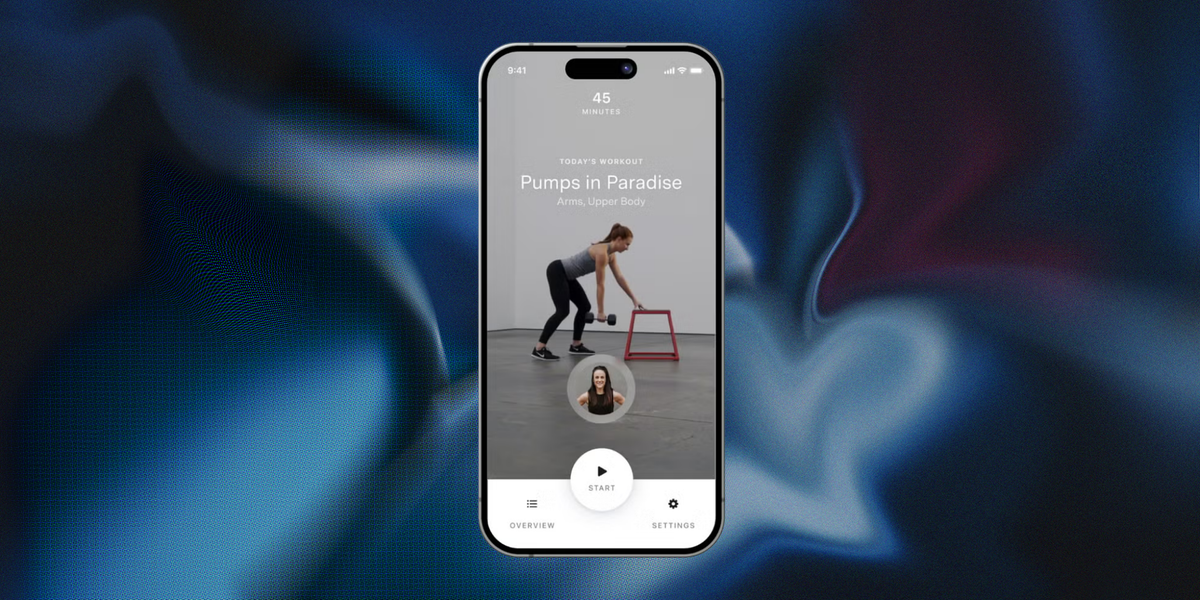

If most fitness apps feel like they were designed by a very enthusiastic robot yelling, “You got this!” while offering the same squat circuit to everyone on Earth, Future is trying to be the opposite. This app is built around a real coach, real feedback, and a real plan that adapts to your life instead of pretending your schedule is a perfectly color-coded spreadsheet.
That is the big promise behind Future: personal training without the awkward locker-room small talk, without having to drive across town, and without pretending you enjoy waiting for a cable machine at 6 p.m. On paper, it sounds brilliant. In practice, it is one of the more premium, more personalized, and more accountability-heavy fitness apps on the market.
So is Future actually worth it? In this Future Fitness App Review, we will break down how the app works, what it does well, where it falls short, who should subscribe, and whether the monthly price feels like a smart investment or a very expensive way to be reminded to do lunges.
Quick Verdict
Bottom line: Future is one of the best fitness apps for people who want a real coach, customized programming, and steady accountability. It is not the best pick for bargain hunters, people who want live classes every day, or users who prefer full in-person coaching. But for busy people who want structure that adjusts to real life, it stands out in a crowded field.
What Is Future?
Future is a personal training app centered on one-on-one coaching. After you sign up, you are matched with a trainer based on your goals, fitness level, equipment access, training preferences, and lifestyle. From there, your coach creates weekly workouts for you, checks in through the app, reviews your feedback, and updates your plan over time.
You may see the service listed as Future Pro in app stores, but the core idea remains the same: this is not just a library of random routines. It is a coaching platform that tries to recreate the feeling of having a personal trainer in your pocket, except your trainer does not actually need to fit inside your pocket, which is good news for everybody involved.
How the Future App Works
1. You start with a matching process
Future begins with questions about your goals, schedule, experience, injuries or limitations, equipment, and preferred training style. This onboarding matters because the app’s value depends heavily on fit. A great coach match can make the whole service feel seamless. A weak match can make it feel like your training plan was written by somebody who thinks every human enjoys split squats.
2. You meet your coach and set expectations
Once matched, you connect with your trainer and talk through what success looks like. That may mean building strength, getting more consistent, training while traveling, returning after a long break, or simply figuring out how to exercise without turning it into a full-time administrative job.
3. Your trainer builds your weekly workouts
Future’s workouts are customized week by week. The structure is one of the app’s biggest strengths. Instead of opening your phone and wondering whether you should do legs, cardio, yoga, or “accidentally” do none of the above, you already have a plan waiting for you.
4. You train on your own time
This is not a live Zoom-style training service for every workout. Instead, you follow guided sessions in the app, complete exercises with video demonstrations and cues, and then leave feedback. That makes Future far more flexible than traditional training. It also means you are still doing the workout solo, which is either empowering or mildly terrifying depending on your relationship with Bulgarian split squats.
5. Your coach adjusts the plan
Feedback is where Future becomes more than a fancy workout calendar. If a workout was too easy, too hard, too long, too repetitive, or completely unrealistic for the equipment you had that day, your trainer can make changes. This ongoing adjustment is the main reason many reviewers feel Future is closer to personal training than to a standard workout app.
Best Features in the Future Fitness App
Real human coaching
The biggest difference between Future and many competing fitness apps is the presence of an actual coach. That sounds obvious, but it changes the entire user experience. Instead of tapping through generic programs, you are working with someone who can adapt your training, encourage consistency, and give your plan a sense of direction.
Customized workouts
Future is designed to work whether you train at home, in a commercial gym, outside, or while traveling. If you only have body weight and resistance bands, your coach can build around that. If you have a full setup with barbells and dumbbells, your plan can reflect that too. This flexibility makes the app appealing to people with messy, unpredictable schedules.
In-app messaging and check-ins
The app includes direct communication with your coach, and that accountability is a major selling point. Many people do not struggle because they lack workout ideas. They struggle because nobody notices when they ghost their own goals. Future tries to solve that with consistent check-ins, feedback loops, and an actual human who can ask what happened when your week goes sideways.
Exercise demos and guidance
Each workout includes exercise demonstrations, cues, and structure. That makes the sessions easier to follow than a plain spreadsheet or a static PDF. It also reduces friction, which matters more than most people realize. The fewer decisions you have to make before a workout, the more likely you are to actually do it.
Wearable integration
Future works especially well when paired with a compatible smartwatch. Heart rate and workout data can help coaches understand effort, pacing, and recovery. That said, the app is still usable without a wearable. You just may not get the most data-rich version of the experience.
Where Future Really Shines
The strongest part of Future is not flashy technology. It is behavioral design. The app is good at getting people to show up. That sounds simple, but in the fitness world, “show up consistently” is basically the golden goose wearing running shoes.
Future works well for people who:
- want a trainer but do not want to schedule in-person sessions several times a week,
- need accountability more than entertainment,
- travel often or switch between home and gym workouts,
- feel overwhelmed by building their own programs,
- prefer personalized coaching over one-size-fits-all classes.
It is especially appealing for busy professionals, beginners who need structure, and former athletes trying to rebuild consistency without going all-in on traditional personal training.
The Downsides You Should Know About
The price is high
Let’s not dance around it: Future is expensive for an app. Yes, it can be cheaper than seeing a trainer in person multiple times a month. Yes, the coaching is personalized. But it still sits in a premium category. If your budget is tight, there are plenty of lower-cost workout apps that offer great classes, programs, and tracking tools, even if they do not deliver the same one-on-one relationship.
It is not hands-on coaching in the room
Future offers instruction, feedback, and coaching, but it does not fully replace a trainer standing next to you correcting your form in real time. For complete beginners, people with complex injury histories, or users who feel uncertain during lifts, that difference matters.
The experience depends on your coach match
Because Future is built around the trainer relationship, the quality of your experience can rise or fall with the match. A coach who understands your personality, goals, and schedule can make the app feel brilliant. A mismatch can make the service feel overpriced. The good news is that coach fit is not a small detail here; it is the main event.
Some users may want more live interaction
If you want live classes, constant on-screen coaching, or a daily instructor-led studio vibe, Future may feel a little quiet. Its strength is individualized planning and ongoing communication, not a livestream atmosphere.
Future Fitness App Review: Is It Worth the Money?
This is the question that matters. The honest answer is: it depends on what problem you are trying to solve.
If your issue is lack of workout content, Future is probably overkill. There are cheaper apps with huge exercise libraries and polished class production.
If your issue is inconsistency, decision fatigue, poor follow-through, or not knowing how to progress, Future becomes much more compelling. You are not really paying for video demos. You are paying for structure, adjustment, accountability, and a coach who can meet you where you are.
That distinction matters. Plenty of people know what exercises they “should” be doing. Fewer people keep doing them when work gets chaotic, travel hits, motivation dips, or life starts acting like life. Future’s value is in making fitness feel manageable on imperfect weeks, not just ideal ones.
In that sense, the app can absolutely be worth the price for the right user. But it is only a bargain if you will actually use the coaching relationship. Paying premium money and then ignoring your trainer is like hiring a math tutor and then hiding under the desk. Technically possible. Financially unwise.
Who Should Try Future?
Future is a great fit for you if:
- you want personalized training without commuting to sessions,
- you need accountability more than motivation quotes,
- you like the idea of workouts adapting to your available equipment,
- you want expert guidance but need flexibility,
- you are ready to invest in coaching, not just content.
Future may not be the best fit if:
- you want a budget-friendly fitness app,
- you prefer live instruction for every workout,
- you need in-person form correction,
- you mostly want group classes or entertainment-driven workouts,
- you are unlikely to engage with your coach consistently.
How Future Compares to Typical Fitness Apps
Most workout apps focus on volume: more classes, more programs, more categories, more content, more everything. Future focuses on relevance. Instead of asking, “What workout do you want today?” it asks, “What plan makes sense for your life this week?”
That is a very different product philosophy. And frankly, it is what makes Future feel more mature than many competitors. It is less like browsing a streaming platform and more like having someone say, “Here is the next step. I already adjusted it because you are traveling Thursday and your knee felt cranky on Monday.”
For some users, that is a dream. For others, it is unnecessary. If you love picking random classes based on mood, you may find the structure too directed. If you hate deciding what to do, Future can feel like sweet, glorious relief.
My Final Take on the Future Fitness App
Future is one of the smartest premium fitness apps available because it understands a simple truth: most people do not fail because they lack access to workouts. They fail because they lack consistency, clarity, and support.
This app attacks all three. It gives you a coach, a plan, and a reason to keep moving even when your routine is far from perfect. That does not make it magical. You still have to exercise. Tragic, I know. But it does make the process feel more personal, more adaptive, and more sustainable than most apps in the category.
If you want a cheap workout library, look elsewhere. If you want a digital coaching experience that feels genuinely human, Future earns its reputation. For the right person, it can be one of the few fitness subscriptions that does not end up abandoned next to a dusty yoga mat and a very optimistic pair of resistance bands.
Extended Experience: What Using Future Actually Feels Like Over Time
Now for the real question: what does it feel like to live with Future after the novelty wears off?
In the beginning, Future tends to feel refreshingly personal. Instead of downloading another workout app and immediately getting hit with an avalanche of programs you may never open, you start with a coach conversation. That small difference changes the tone. It feels less like content consumption and more like a plan with accountability attached to it.
During the first week or two, many users will probably notice the same thing reviewers often mention: reduced decision fatigue. You wake up, open the app, and your workout is already there. The app is not asking you to become your own coach, motivational speaker, scheduler, and exercise scientist before breakfast. That alone can be a huge win for people who are busy, overwhelmed, or mentally exhausted by choice.
By week three or four, the real benefit becomes clearer. Future is not just helpful on your best days. It is helpful on your messy days. Maybe you slept badly, your meeting ran long, your hotel gym has exactly one dumbbell and a suspicious treadmill, or your motivation has fallen through a trapdoor. That is where the coaching layer matters. Instead of quitting on the whole week, you can message your trainer, get a tweak, and keep going.
That ongoing adjustment is what makes the service feel expensive but not empty. You are not paying for a static plan. You are paying for responsiveness. When it works well, the app starts to feel less like software and more like a steady presence in your routine.
There is also a subtle psychological effect. A lot of people find it easier to disappoint themselves than to disappoint another person. Future knows this. When a real coach can see whether you completed a workout, skipped it, or struggled through it, the whole experience gains a gentle social pressure. Not shame. Not drill-sergeant energy. Just enough accountability to stop the classic “I’ll restart on Monday” spiral.
Over a few months, users who stick with the app often seem to value progress in a broader way. Yes, strength and endurance matter. But so do consistency, confidence, recovery, and the ability to adapt training to real life. That is one reason Future tends to resonate with people who have bounced between random apps, gym memberships, and self-designed plans without much momentum.
Still, the long-term experience is not perfect. If you want constant live oversight, Future will never feel exactly like in-person coaching. If your coach match is only decent instead of excellent, the relationship may feel more transactional than transformative. And if you are not someone who responds to accountability, the premium price may start to feel heavy fast.
But for users who want structure without rigidity, coaching without commute time, and fitness programming that can survive ordinary chaos, Future offers something many apps only pretend to provide: a plan that actually behaves like it knows you have a life.
SEO Tags