
Sapo: LGBTQIAP+ memes are more than internet confetti. They are tiny comedy rockets packed with identity, friendship, Pride, awkward coming-out moments, found-family energy, and the universal truth that a frog wearing sunglasses can sometimes explain your entire personality better than a paragraph ever could.
Why LGBTQIAP+ Memes Keep Winning the Internet
Some corners of the internet feel like a group chat that accidentally became a cultural archive. “Hey Pandas! Post Your Fav Lgbtqiap+ Memes” has exactly that energy: playful, chaotic, welcoming, and full of the kind of humor that says, “Yes, life is complicated, but have you considered laughing at the absurdity of it with a rainbow-colored raccoon?”
LGBTQIAP+ memes work because they turn big feelings into small, shareable jokes. Identity, acceptance, labels, pronouns, dating, Pride Month, chosen family, awkward questions from relatives, and the occasional crisis over flannel shirts or iced coffee all become easier to talk about when wrapped in humor. A meme can say, “I feel seen,” without forcing anyone to write a five-page essay titled My Emotional State and the Frog Image That Healed Me.
The phrase LGBTQIAP+ is often used as an expanded version of LGBTQ+, commonly including lesbian, gay, bisexual, transgender, queer or questioning, intersex, asexual, aromantic, pansexual, and other identities represented by the plus sign. Because language changes as communities grow, respectful writers usually avoid treating any acronym as a locked museum exhibit. The best approach is simple: use the language people use for themselves, do not assume, and keep the door open for nuance.
The “Hey Pandas” Format: A Perfect Home for Community Humor
Bored Panda-style community prompts thrive because they invite real people to bring their own jokes, screenshots, stories, and tiny emotional masterpieces to the table. The “Hey Pandas” format feels casual by design. It is not a formal lecture hall. It is more like someone setting down a plate of cookies and saying, “Show us what made you laugh this week.”
That matters for LGBTQIAP+ memes because community humor often depends on recognition. A meme about coming out, being asked “but how do you know?” for the 900th time, or trying to explain asexuality at Thanksgiving works because thousands of people have experienced some version of the same thing. The punchline lands not because it mocks identity, but because it points at a shared situation and says, “Wow, that was awkward. Anyway, we survived.”
In a healthy meme thread, the best posts are funny without punching down. They may tease community clichés, but they do it with affection. There is a difference between joking about bisexual people being unable to sit properly as an inside joke and using stereotypes to flatten people into cartoons. Good LGBTQIAP+ humor knows the difference. It laughs with the community, not at the community.
What Makes a Great LGBTQIAP+ Meme?
1. It Feels Relatable Without Explaining Too Much
A strong meme does not need a glossary taped to its forehead. It captures a specific feeling in a fast, recognizable way. For example: the panic of switching between “my friend” and “my partner” depending on who is in the room; the joy of seeing a tiny Pride flag in a local coffee shop; or the deeply dramatic experience of realizing your “favorite fictional character” was actually your first clue.
2. It Has Kindness Under the Chaos
The funniest LGBTQIAP+ memes often have a soft center. They may joke about confusion, family misunderstandings, or label debates, but the best ones leave readers feeling more included, not smaller. Think of the classic internet structure: silly image on top, emotional truth underneath, comments section full of people saying, “Why is this me?”
3. It Celebrates Specific Identities
Memes about lesbian culture, gay humor, bisexual visibility, trans joy, nonbinary expression, pansexual chaos, intersex awareness, asexual and aromantic experiences, and queer found family all help make the internet feel less like one giant waiting room. Specificity is powerful. When a meme says something precise, the right audience hears it like a doorbell.
4. It Avoids Turning Real People Into Punchlines
There is room for sarcasm, parody, and absurd humor. There is not room for dehumanizing jokes. A good rule for web publishers is this: if the joke requires a marginalized person to be humiliated, it probably is not clever; it is just old furniture with a fresh coat of internet paint.
Popular Types of LGBTQIAP+ Memes Readers Love
Coming-Out Memes
Coming-out memes can range from tender to wildly funny. One common theme is the “everyone already knew” moment, where a person nervously reveals their identity and friends respond with the emotional intensity of someone hearing that bread goes in a toaster. These jokes work because they turn anxiety into relief. They also show how acceptance can be wonderfully anticlimactic.
Pride Month Memes
Pride Month memes tend to arrive every June wearing glitter, historical awareness, and mild corporate-brand skepticism. Some celebrate parades, flags, visibility, and community joy. Others gently roast rainbow marketing that appears on June 1 and vanishes at midnight on July 1 like a seasonal ghost. The best Pride memes balance celebration with a wink: yes, Pride is powerful; yes, that rainbow sandwich bag is doing a lot.
Pronoun Memes
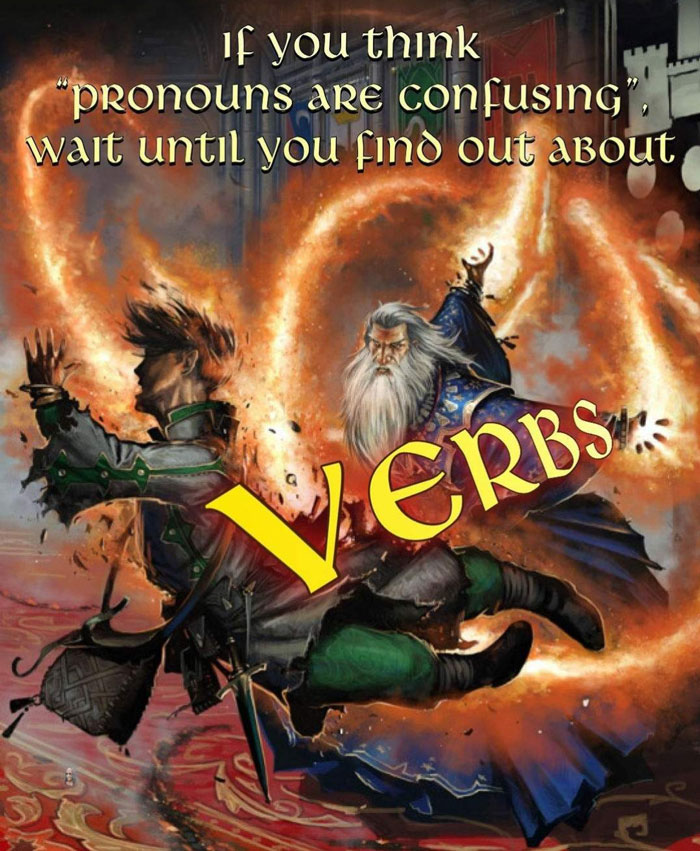
Pronoun memes often make simple points with comedy. They might joke about email signatures, classroom introductions, or the dramatic confusion of people who can remember 47 fantasy football statistics but claim two pronouns are too difficult. These memes are effective because they reduce tension around respectful language. Sometimes a joke can make a basic courtesy feel less intimidating.
Asexual and Aromantic Memes
Asexual and aromantic memes have become especially beloved because they challenge the internet’s obsession with romance and attraction. A great ace or aro meme might celebrate garlic bread, dragons, friendship, solitude, or the relief of not being the main character in a rom-com. These jokes offer recognition to people who are often overlooked in mainstream conversations about identity.
Bisexual and Pansexual Memes
Bi and pan memes are famous for chaotic charm. They often joke about indecision, color palettes, cuffed jeans, awkward chairs, and the experience of being misunderstood by both straight and queer spaces. Under the silliness is a serious point: bisexual and pansexual people deserve visibility without being treated as confused, temporary, or “halfway” anything.
Trans and Nonbinary Joy Memes
Trans and nonbinary memes can be deeply affirming, especially when they focus on joy, euphoria, name changes, fashion, voice, friendship, and being recognized correctly. Not every post has to be about struggle. Sometimes the most powerful meme is simply: “I looked in the mirror and finally saw myself. Also, my outfit is incredible.”
Why Memes Can Feel Like Community Support
Online humor is not a substitute for real care, safe relationships, or professional support when someone needs it. Still, it can create a small but meaningful sense of belonging. For many LGBTQIAP+ readers, especially those who live in places where they do not see much open representation, a meme thread can feel like proof that other people understand the same tiny details of daily life.
That is why comment sections matter. A meme may start the conversation, but the replies often build the community. Someone posts a joke about being nervous to correct a relative on pronouns, and another person shares a script that helped them. Someone posts a meme about queer friendship, and suddenly dozens of readers are talking about chosen family, mutual support, and the friends who made them feel safe before the rest of the world caught up.
This is also why moderation matters. LGBTQIAP+ meme threads should be fun, but they should not become a free-for-all where harassment gets disguised as “just joking.” Good digital spaces set boundaries. They welcome humor while rejecting slurs, threats, identity policing, and cruel stereotypes. The internet is already weird enough; it does not need extra goblin behavior.
How to Post LGBTQIAP+ Memes Respectfully
Credit Creators When Possible
Memes spread fast, and attribution often disappears faster than snacks at a sleepover. If you know who created a meme, credit them. If the meme came from an artist, comic creator, or small account, attribution is not just polite; it helps people discover the creator’s work.
Do Not Out Anyone
Never post a meme, screenshot, or story that reveals someone’s identity without consent. Even if the content seems harmless, privacy matters. A funny post should not put another person in an unsafe or uncomfortable situation.
Watch the Difference Between Inside Jokes and Stereotypes
Community in-jokes can be delightful. Stereotypes can be lazy. If a meme turns a group into one flat joke, rethink it. If it comes from shared experience and leaves room for individuality, it is probably closer to affectionate humor.
Use Inclusive Language
When writing captions or article copy, avoid assuming gender, orientation, or pronouns. Use “partner” when relationship gender is unknown. Use “they” when pronouns are unknown. Respect the terms people choose for themselves. Inclusive writing does not have to sound stiff; it just has to be accurate and considerate.
SEO Angle: Why This Topic Works for Search and Social
From an SEO perspective, “Hey Pandas! Post Your Fav Lgbtqiap+ Memes” is a highly clickable title because it combines a community prompt with a specific interest. It has search appeal for readers looking for LGBTQIAP+ memes, queer memes, Pride Month memes, funny LGBTQ memes, and relatable identity humor. It also has social appeal because meme content is naturally shareable.
To make an article like this perform well, publishers should avoid thin content that simply says, “Here are funny memes.” Search engines reward helpful context, clear structure, and user satisfaction. A stronger article explains why the memes resonate, how to share them respectfully, what types of LGBTQIAP+ humor are popular, and why inclusive online spaces matter. That creates value beyond the images themselves.
The best keywords should appear naturally. Phrases such as “LGBTQIAP+ memes,” “queer memes,” “Pride memes,” “funny LGBTQ memes,” “inclusive humor,” “online LGBTQ community,” and “relatable LGBTQIA+ jokes” can all fit smoothly when the article is actually about those ideas. Keyword stuffing, on the other hand, reads like a robot spilled alphabet soup onto a Pride flag. Nobody wants that.
Examples of Safe, Original Meme Ideas
Writers and community managers can encourage readers to post original or properly credited memes by giving friendly prompts. For example:
- The “I rehearsed my coming-out speech” meme: When you prepare a dramatic monologue and your friend says, “Cool, want pizza?”
- The “pronoun respect speedrun” meme: When someone uses your correct pronouns without making it a whole press conference.
- The “Pride outfit planning” meme: Me: “I’ll keep it simple.” Also me: dressed like a disco ball with excellent boundaries.
- The “ace snack diplomacy” meme: Romance plot? Optional. Garlic bread? Essential infrastructure.
- The “chosen family group chat” meme: Five people, 300 unread messages, one emotional support raccoon sticker.
These examples are light, inclusive, and easy to adapt. They do not rely on cruelty or private information. Most importantly, they invite people into the joke instead of locking them outside with a sad party hat.
Why LGBTQIAP+ Meme Culture Matters
Memes may look disposable, but they often capture cultural moments faster than essays, press releases, or official campaigns. A meme can respond to a news event, celebrate a legal milestone, push back against misinformation, or make a lonely reader feel less alone. That speed is part of their power.
For LGBTQIAP+ communities, meme culture also helps preserve everyday history. Not every meaningful moment happens on a parade float or in a courtroom. Some happen in bedrooms, classrooms, coffee shops, Discord servers, library corners, and comment sections where someone finally finds the words for who they are. A meme about that moment may seem tiny, but tiny things can carry a lot of truth.
Humor also gives people room to breathe. Conversations about LGBTQIAP+ rights, safety, health, and representation can be heavy. Memes do not erase those realities, but they can offer a break, a spark of joy, or a reminder that identity is not only about struggle. It is also about style, friendship, flirting badly, choosing a flag emoji, overthinking a haircut, and laughing so hard you forget the world was being dramatic for a minute.
Community Experiences: Why Favorite LGBTQIAP+ Memes Hit Different
For many readers, the best LGBTQIAP+ memes are not just the funniest ones; they are the ones that arrive at exactly the right emotional moment. Maybe someone is questioning their identity and has not said it out loud yet. They scroll past a meme about “not knowing whether I want to be them or date them,” and suddenly a confusing feeling becomes a little less lonely. The meme does not solve everything, but it gives the feeling a name-shaped doorway.
Others connect with memes about family conversations. A young person might laugh at a post about a parent trying very hard to be supportive while also using every term slightly wrong. The humor works because it holds two truths at once: learning can be awkward, and effort still matters. A clumsy but loving “I support you, my rainbow child” may not be perfect, but it can become a family legend by dinner.
There is also the experience of finding community through niche jokes. A bi reader sees a meme about cuffed jeans and chaotic sitting posture and thinks, “This is absurd, but I accept the accusation.” A nonbinary reader sees a joke about choosing a name and feels the strange joy of being understood by strangers. An asexual reader sees a meme treating friendship, cake, dragons, or peace and quiet as valid main-character material and thinks, “Finally, someone handed the microphone to my corner of the room.”
Favorite memes often become emotional bookmarks. People save them for later, send them to friends, post them during Pride Month, or use them as a gentle way to start conversations. A meme can be a test balloon: “Here is a joke I relate to; let’s see whether this person responds with kindness.” That may sound small, but online culture is full of small signals. A heart reaction, a supportive comment, or a friend replying “same” can mean more than outsiders realize.
The most meaningful experience, though, is when humor turns into recognition. LGBTQIAP+ people are often asked to explain themselves in serious, careful, exhausting ways. Memes offer another language: fast, visual, playful, and emotionally efficient. They say, “You are not the only one who has felt this.” They say, “Your awkward phase had witnesses.” They say, “Your joy is allowed to be loud.” And sometimes they simply say, “Here is a possum in sunglasses. It understands gender better than most forms.” Honestly, the possum may deserve a committee seat.
That is the magic of a prompt like “Hey Pandas! Post Your Fav Lgbtqiap+ Memes.” It is not only asking for jokes. It is asking for snapshots of belonging. It invites readers to bring the meme that made them laugh, the meme that helped them explain themselves, the meme that made a friend feel seen, or the meme that turned a hard day into a slightly softer one. In the grand museum of internet culture, LGBTQIAP+ memes deserve their own glittery wing: part comedy, part community archive, part emotional support animal wearing a tiny Pride cape.
Conclusion
“Hey Pandas! Post Your Fav Lgbtqiap+ Memes” is more than a fun internet prompt. It is a celebration of how humor helps people connect across identities, experiences, and time zones. LGBTQIAP+ memes can be silly, sharp, wholesome, sarcastic, educational, or completely unhinged in the best possible way. But at their core, the strongest ones create recognition. They make readers feel seen without forcing them to explain every detail of who they are.
For publishers, this topic offers strong SEO potential when handled with care. The winning formula is simple: use inclusive language, avoid harmful stereotypes, credit creators, protect privacy, and give readers context that makes the article useful beyond a scrollable list. For readers, the invitation is even simpler: bring the memes that made you laugh, helped you cope, or reminded you that community can appear in the strangest and most wonderful places online.
So yes, post your favorite LGBTQIAP+ memes. Post the wholesome ones. Post the chaotic ones. Post the ones that explain your entire identity using a cat, a frog, a chair, or a suspiciously fashionable raccoon. The internet may be messy, but sometimes, in the middle of the mess, a meme becomes a tiny rainbow lighthouse.
SEO Tags