
The Hjuvik faucet is one of those IKEA kitchen fixtures that quietly built a little fan club. It was not a jewel-encrusted designer tap, and it did not arrive with the theatrical swagger of a restaurant-grade brass monster. But it had something better for many homeowners: a clean stainless-steel look, a practical handspray, a tall working profile, and the kind of Scandinavian simplicity that makes a kitchen feel calm even when the sink is hosting last night’s pasta pot, three coffee mugs, and one mysterious spoon nobody remembers using.
For readers searching “Hjuvik faucet,” the goal is usually one of three things: figuring out what this IKEA faucet was, deciding whether a used or leftover unit is worth buying, or trying to repair one that has started leaking, dripping, spraying weakly, or behaving like a tiny kitchen fountain with emotional issues. This guide covers the design, features, installation considerations, maintenance, common problems, replacement parts, and real-world experience of living with a Hjuvik kitchen faucet.
What Is the Hjuvik Faucet?
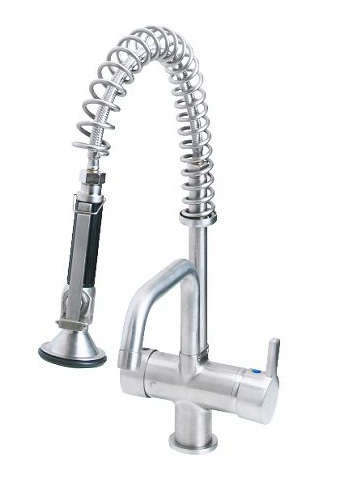
The Hjuvik faucet, often listed as the IKEA HJUVIK kitchen faucet with handspray, was a modern kitchen mixer tap designed for daily sink work. Its most recognizable feature is the detachable handspray, which helps rinse dishes, clean sink corners, wash vegetables, and fill awkward containers without having to perform countertop yoga. The faucet was associated with stainless-steel styling and a practical, streamlined silhouette that fit well in modern, transitional, and IKEA-style kitchens.
Unlike basic low-arc faucets, the Hjuvik was designed to feel more flexible. Its taller body created useful clearance for large pots, while the spray function made everyday cleanup faster. The faucet’s general appeal came from the balance between looks and utility: sleek enough to dress up a kitchen, but not so precious that you felt guilty rinsing a muddy colander under it.
Why the Hjuvik Faucet Still Gets Attention
The Hjuvik faucet is no longer commonly found as a current showroom item in many IKEA markets, which is part of why people still search for it. Discontinued products have a strange afterlife online. One day they are just sitting on a shelf with a price tag; years later, people are searching for manuals, cartridges, hoses, washers, and forum posts as if solving a plumbing-themed treasure hunt.
There are three reasons the Hjuvik still gets attention. First, the design aged well. Stainless-steel and brushed-metal finishes remain popular because they coordinate with sinks, appliances, cabinet pulls, and most countertop materials. Second, the handspray function is genuinely useful. Once you get used to directing water exactly where you want it, going back to a fixed spout feels like using a flip phone at a tech conference. Third, many homeowners still have Hjuvik faucets installed and want to repair rather than replace them.
Key Features of the Hjuvik Kitchen Faucet
Detachable Handspray
The handspray is the star feature. It makes washing and rinsing easier because the water comes to the mess instead of forcing the mess to come to the water. That sounds dramatic, but anyone who has tried to rinse a roasting pan under a short faucet understands the emotional stakes.
Modern Stainless-Steel Appearance
The Hjuvik faucet’s stainless-steel look is one of its strongest style advantages. It pairs naturally with undermount sinks, farmhouse sinks, butcher-block countertops, quartz counters, and simple slab cabinet fronts. It does not scream for attention; it just stands there looking competent, which is honestly more than we can say for many kitchen gadgets.
Single-Lever Control
A single-lever faucet allows users to adjust flow and temperature with one hand. This is helpful when the other hand is holding a saucepan, a sponge, or a suspiciously slippery tomato. Single-handle faucets are also visually cleaner, which supports the Hjuvik’s minimalist appeal.
Ceramic Disc Mixer Technology
Many IKEA faucet descriptions from this era emphasized ceramic disc mixer inserts. Ceramic discs are valued because they handle repeated friction better than older washer-style mechanisms. In plain English: the handle can be turned on and off thousands of times without the internal parts giving up immediately and filing for retirement.
Water-Saving Flow Design
The Hjuvik was promoted with a mechanism intended to reduce water flow while maintaining pressure. This is similar in spirit to modern aerator technology, where air is mixed into the water stream to create a fuller-feeling flow while using less water. A good faucet should feel strong enough to rinse dishes without acting like a fire hose auditioning for a disaster movie.
Design: Where the Hjuvik Faucet Works Best
The Hjuvik faucet works best in kitchens that lean modern, Scandinavian, industrial-light, or casual contemporary. It looks especially natural with stainless appliances, simple white cabinets, gray stone counters, black hardware, or open shelving. Because the faucet has a purposeful handspray design, it can also make a basic kitchen feel a little more professional.
In a compact apartment kitchen, Hjuvik adds function without visual clutter. In a larger kitchen, it holds its own beside deeper sinks and wider countertops. The key is proportion. A tall faucet on a very small sink can look like a giraffe drinking from a teacup. Before installing or replacing any faucet, measure sink depth, cabinet clearance, backsplash distance, and the space behind the sink.
Installation Considerations Before Buying or Replacing
If you already own a Hjuvik faucet and are replacing it with another faucet, the first thing to check is the sink-hole configuration. Some sinks have one hole, some have three, and some have extra holes for side sprayers, soap dispensers, or accessories that nobody remembers choosing. A replacement faucet should match the existing setup or include an escutcheon plate to cover unused holes.
You should also check water supply connections. Older faucets may use fittings that do not perfectly match newer plumbing parts, especially if the faucet was imported, discontinued, or installed with adapters. If the hoses, cartridges, or spray components are worn, it may be more practical to replace the entire unit rather than chase rare parts across the internet like a plumbing detective with a browser history full of regret.
For DIY installation, the basic steps are familiar: shut off the water supply, disconnect the old lines, remove the old faucet, clean the mounting surface, install the new faucet body, connect supply lines, attach the sprayer hose if needed, and check for leaks. That last step is not optional. A faucet can look perfect from above while staging a tiny basement drama below the sink.
Common Hjuvik Faucet Problems
Leaking Around the Handle
Handle leaks are often related to worn cartridges, seals, or O-rings. If the faucet leaks when turned on or drips after shutoff, the cartridge is usually the first suspect. For older Hjuvik faucets, replacement cartridges may be difficult to find, so owners often search by part numbers, measurements, or compatible cartridge dimensions.
Weak Spray or Uneven Flow
Weak flow can come from mineral buildup, clogged aerators, debris in the flow restrictor, kinked hoses, or partially closed supply valves. In hard-water areas, mineral scale builds up gradually. One day the faucet works fine; the next day it spits water with the confidence of a tired garden sprinkler.
Sprayer Hose Leaks
Pull-out and handspray faucets rely on flexible hoses. Over time, those hoses can crack, kink, loosen, or leak near the spray head. This is one of the more frustrating issues because the faucet body may still look great while the hose has decided to become modern art.
Difficulty Finding Parts
The biggest challenge with the Hjuvik faucet is not always the repair itself; it is finding the correct part. Discontinued IKEA faucets may not have the same easy parts pipeline as current models from large plumbing brands. Some owners find compatible parts through specialty tap-spares suppliers, but matching size and thread type matters.
How to Maintain a Hjuvik Faucet
Good maintenance keeps a faucet working longer, especially one that may be hard to replace part-for-part. Start with gentle cleaning. Use mild dish soap, warm water, and a soft cloth. Avoid abrasive pads, harsh cleaners, bleach-heavy products, or anything that sounds like it belongs in a superhero origin story. Stainless-style finishes can dull or scratch if cleaned aggressively.
For mineral deposits, use a mild vinegar-and-water solution on a cloth, then rinse and dry. Do not let acidic cleaners sit too long on metal finishes. If the aerator or spray head is removable, soak it briefly to loosen scale, rinse thoroughly, and reinstall. Regular drying also helps prevent water spots, especially in areas with hard water.
Under the sink, inspect supply connections occasionally. Look for moisture, greenish corrosion, swollen cabinet flooring, or slow drips. The best time to discover a leak is early. The worst time is after the cabinet base has developed the texture of oatmeal.
Repair or Replace: What Makes More Sense?
Repairing a Hjuvik faucet makes sense if the issue is minor, the body is in good condition, and the needed part is available. A clogged aerator, loose connection, or simple seal problem may be inexpensive to fix. If you love the design and the faucet still feels sturdy, repair is worth exploring.
Replacement makes more sense if the sprayer hose is leaking badly, the cartridge cannot be sourced, corrosion is visible, or multiple parts are failing at once. Once repair costs approach the price of a new faucet, nostalgia should be invited to the meeting but not allowed to control the budget.
Best Modern Alternatives to the Hjuvik Faucet
If you like the Hjuvik faucet, look for modern kitchen faucets with these features: stainless or brushed nickel finish, single-handle operation, pull-out or pull-down spray, ceramic disc valve, easy-clean spray nozzles, and widely available replacement parts. IKEA’s current faucet lineup in many markets includes pull-out and pull-down models that carry the same practical spirit, though designs and flow rates vary by region.
Outside IKEA, brands such as Delta, Moen, Kohler, Kraus, Grohe, and Pfister offer similar high-arc or pull-out kitchen faucets. The main advantage of larger plumbing brands is parts availability. The main advantage of IKEA-style options is often clean design at a friendly price. The best choice depends on whether you prioritize budget, serviceability, finish, warranty, or the emotional satisfaction of a faucet that looks like it belongs in a design magazine but still rinses chili from a saucepan.
How to Choose a Faucet Similar to Hjuvik
Check the Sprayer Type
Pull-out faucets usually have a spray head that extends outward, which can be comfortable in smaller sinks. Pull-down faucets typically have taller arcs and spray heads that pull downward, which can be better for deep sinks and large cookware. The Hjuvik’s handspray appeal sits in this same functional family.
Choose a Practical Finish
Stainless steel, brushed nickel, and spot-resistant finishes are popular because they hide fingerprints better than shiny chrome. Matte black can look dramatic, but it may show mineral deposits depending on water quality. Brass and champagne tones add warmth but require more careful coordination with cabinet hardware.
Prioritize Replaceable Parts
A beautiful faucet is less charming when a ten-dollar internal part becomes impossible to find. Before buying a replacement, check whether cartridges, sprayer heads, hoses, and aerators are available. This is not glamorous research, but neither is brushing your teeth with bottled water because the kitchen faucet is in pieces.
Measure Everything
Measure faucet height, reach, sink depth, backsplash clearance, and cabinet space below. Make sure the handle can move without hitting the wall. Confirm that the sprayer hose has enough room to hang freely beneath the sink. Many faucet problems begin not with bad products, but with optimistic measuring.
Is the Hjuvik Faucet Worth Buying Used?
A used Hjuvik faucet can be worth considering if it is complete, clean, leak-free, and inexpensive. However, buyers should be cautious. Ask whether the cartridge leaks, whether the sprayer hose is original, whether all mounting hardware is included, and whether the faucet was removed because of a remodel or because it was misbehaving. “Removed during renovation” is promising. “Worked last time we checked” is where the spooky music begins.
If buying used, inspect photos carefully. Look for corrosion around the base, mineral crust around the spray head, damaged hoses, missing clips, and worn finish. If the seller cannot confirm that the faucet works, treat it as a parts unit rather than a ready-to-install fixture.
Hjuvik Faucet in Real Kitchens
The Hjuvik faucet’s strength is everyday usefulness. It is not just decorative hardware; it changes how the sink works. A good handspray faucet makes it easier to clean leafy greens, rinse rice, wash baking sheets, fill pitchers, and chase coffee grounds toward the drain. These are small moments, but kitchens are built from small moments. A faucet is touched dozens of times a day, which means even modest improvements can feel surprisingly luxurious.
In older IKEA kitchens, Hjuvik often matched the overall design language: practical, unfussy, slightly European, and good-looking without trying too hard. It paired well with stainless sinks and simple cabinet fronts. The result was a kitchen that felt efficient and modern, not fussy or overdesigned.
Practical Cleaning Routine
For weekly cleaning, wipe the faucet with warm soapy water, rinse with a damp cloth, and dry with a microfiber towel. For the spray head, gently rub the nozzles to remove buildup. If flow weakens, remove and clean the aerator or spray face if possible. For monthly maintenance, inspect the hose and under-sink connections. This routine takes only a few minutes and can prevent the most annoying faucet problems.
If the faucet begins dripping, do not ignore it. A slow drip wastes water and can signal cartridge wear. If the sprayer sputters, clean the spray head before assuming the whole faucet is failing. If the base leaks, check mounting tightness and seals. Small fixes are usually easier before water starts exploring your cabinet like it signed a lease.
Final Verdict: A Stylish Faucet With a Practical Legacy
The Hjuvik faucet remains interesting because it represents a sweet spot: attractive design, useful handspray function, and everyday practicality. Its biggest weakness today is not the original concept but the reality of owning a discontinued fixture. Parts can be tricky, and repairs may require patience. Still, for homeowners who already have one, the Hjuvik can continue to serve well with regular cleaning, careful troubleshooting, and realistic expectations.
If you are shopping for a faucet now, use Hjuvik as inspiration rather than a strict target. Look for the same qualities that made it appealing: a clean stainless finish, flexible sprayer, comfortable handle, solid valve construction, water-conscious flow, and a design that works with your kitchen rather than shouting over it. A faucet does not need to be flashy. It needs to be dependable, good-looking, and ready to rinse a lasagna pan without turning the countertop into a splash zone.
Experience Notes: Living With a Hjuvik-Style Faucet
One of the easiest ways to understand the Hjuvik faucet is to imagine a busy kitchen on an ordinary Tuesday. Nobody is filming a cooking show. There is no perfectly folded linen towel. There is a cutting board with onion skins, a coffee mug in the sink, and a pot that somehow has sauce on the outside. This is where a faucet proves itself. Not in the showroom, not in the product photo, but during the small domestic emergencies that happen between dinner and “I’ll clean that later.”
A Hjuvik-style faucet makes those moments easier because the handspray gives you control. Instead of rotating a pan under a fixed stream like you are negotiating with a stubborn appliance, you pull the sprayer toward the mess. You can rinse the sink walls, sweep crumbs toward the drain, and clean around the garbage disposal flange. That flexibility sounds simple, but once it becomes part of your routine, it feels essential.
The high-clearance design also changes the experience of using the sink. Filling a tall stockpot is less awkward. Washing a blender jar becomes less splashy. Even rinsing flowers, pet bowls, or oversized water bottles feels smoother. In a small kitchen, where every inch must work hard, the faucet becomes more than a fixture. It becomes a tool you rely on without thinking.
That said, the Hjuvik faucet also teaches an important homeowner lesson: design matters, but serviceability matters too. A faucet can be attractive and functional for years, but when a cartridge, sprayer hose, or washer fails, the real value of the product depends on whether parts are available. Many owners of older discontinued faucets discover this only after something leaks. Suddenly, the faucet is not just a faucet; it is a research project with water pressure.
For anyone maintaining an older Hjuvik, the best experience comes from staying ahead of problems. Clean the spray head before the flow becomes weak. Dry the finish before mineral spots become stubborn. Check under the sink before a drip becomes cabinet damage. Keep the manual if you have it, and take photos of part numbers or connections before disassembly. Future you will be grateful, and future you is already dealing with enough.
If replacing a Hjuvik, do not shop by appearance alone. Hold the spray head if you can. Test the handle movement. Read about cartridge availability. Check whether the hose retracts smoothly. Confirm that the faucet reach lands near the center of your sink, not too far forward or too close to the back. A faucet should feel intuitive, because you will use it when your hands are wet, messy, or holding something breakable.
The best compliment for a Hjuvik-style faucet is that it quietly improves kitchen rhythm. It does not make dinner for you, sadly. It does not stop family members from placing dishes beside the sink instead of in it, a mystery science has yet to solve. But it does make cleanup easier, faster, and less irritating. And in a real kitchen, that counts for a lot.
In the end, the Hjuvik faucet is remembered because it did what good kitchen design should do: it made ordinary tasks feel a little more graceful. It looked clean, worked hard, and gave homeowners a practical upgrade without turning the sink area into a gadget showroom. Whether you are repairing one, replacing one, or simply researching it, the Hjuvik remains a useful reference point for what a modern kitchen faucet should be: simple, flexible, durable, and ready for the next pile of dishes.