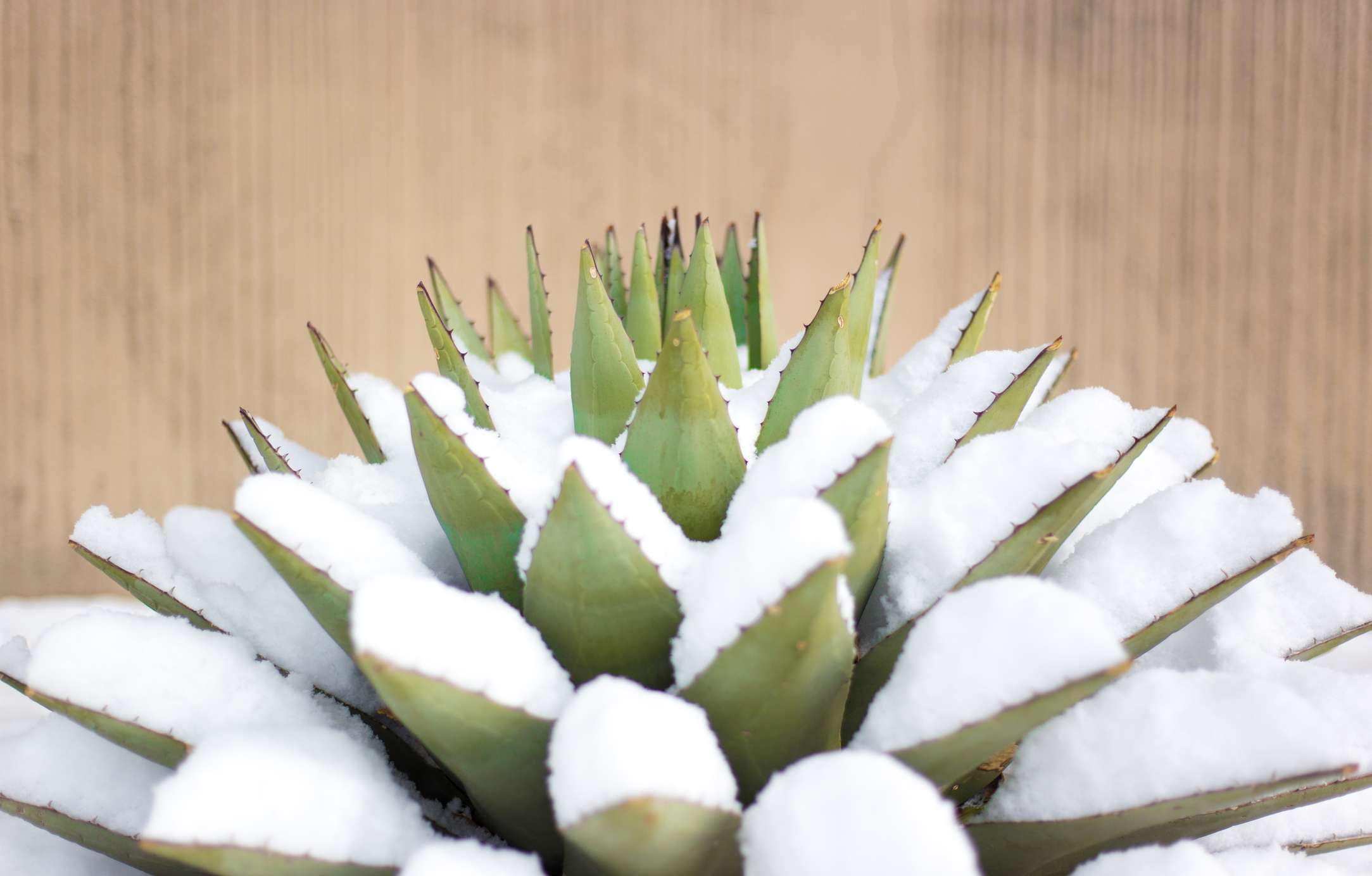

Winter is when succulents reveal who’s been over-loving them. (Yes, I’m looking at you, the person
“just giving it a little sip” every week.) The good news: winter succulent care is mostly about doing less,
but doing it smarterless water, less fertilizer, fewer dramatic temperature swings, and a lot more attention
to light and drainage.
Whether your succulents live on a sunny windowsill, a covered porch, or a patio that becomes an ice rink
three times a week, this guide will walk you through what changes in winter, why it matters, and exactly
what to do so your plants make it to spring without turning into mushy green soup.
First, the Winter Reality Check: Your Succulent Isn’t “Dying,” It’s Slowing Down
In winter, days are shorter, light is weaker, and indoor air gets weird (hello, furnace breath).
Most succulents respond by slowing their growthsometimes dramatically. When a plant isn’t actively growing,
it uses less water. Combine that with cooler temperatures (water evaporates slower) and you get the #1 winter
killer of succulents: soil that stays wet too long.
Winter care is basically about preventing two problems:
- Rot (from too much water + not enough light/airflow)
- Stretching (aka etiolation, from not enough light)
Nail those two, and you’re already ahead of the game.
The Winter Succulent Checklist (Print This in Your Brain)
- Water lessonly when the soil is fully dry.
- Stop fertilizing until spring growth returns.
- Increase light (best window, rotate pots, consider a grow light).
- Keep temperatures steadyavoid cold drafts and heat vents.
- Prioritize drainagepots with holes, gritty mix, no standing water.
- Watch for pestsespecially when bringing plants indoors.
- Protect outdoor plants from excess winter wet and sudden freezes.
Indoor Succulents in Winter: Make Your Windowsill a Tiny Desert Spa
1) Light: Winter’s #1 Upgrade (Because the Sun Is on a Coffee Break)
Indoors, light is usually the limiting factor. Succulents want bright conditions for long stretches,
and winter is stingy with sunshine. Put them in your brightest spotoften a south- or west-facing window
in many U.S. homesand rotate the pots every week so they don’t lean like they’re trying to escape.
Signs they need more light:
- Stems elongate and spaces between leaves widen
- Rosettes “open up” and look less compact
- Colors fade to a washed-out green
If your place gets “winter gloom” (common!), a simple LED grow light can help. You don’t need a stadium
spotlightjust consistent, close-enough supplemental light so the plant stops stretching.
2) Water: The Winter Rule Is “Dry Means Go”
Here’s the winter watering mantra: Don’t water on a schedulewater on a condition.
That condition is “soil is completely dry.” Not “kinda dry,” not “dry on top but soggy below.”
A practical method:
- Push a wooden skewer/chopstick deep into the pot.
- If it comes out with damp soil stuck to it, wait.
- If it comes out clean and dry, you can water.
When you do water, water thoroughly until it runs out the drainage holes, then let it drain completely.
No saucer swimming pools. No “cute jar with rocks at the bottom” pretending to be a planter.
(That’s not a planter. That’s a rot incubator.)
3) Temperature: Steady Wins (Drafts and Vents Do Not)
Succulents generally prefer moderate indoor temperatures, but winter problems come from extremes:
cold window drafts at night, then hot air blasting from a nearby vent during the day.
Keep plants away from heaters, fireplaces, and drafty doorways. If your window is icy at night,
pull the pots back a few inches or use an insulating barrier between the pot and cold glass.
4) Humidity: You Can Ignore the “Mist Everything” Advice
Many houseplants love extra humidity in winter, but most succulents prefer drier air.
Misting isn’t a winter “cure”it can actually increase rot risk if water sits in leaf crevices,
especially on tight rosettes. Focus on light, drainage, and careful watering instead.
5) Airflow and Cleanliness: Dead Leaves Are Not “Decor”
Dry, dead leaves tucked under a rosette can trap moisture and invite rot or pests.
Do a gentle winter cleanup: remove dead leaves, clear debris from the soil surface, and make sure
your pots aren’t crowded together with zero airflow.
6) Fertilizer: Put It Away (Your Succulent Isn’t Training for a Marathon)
Fertilizing in winter often leads to weak, pale growth that’s more vulnerable to damage.
If your plant is barely growing, it doesn’t need extra nutrients. Resume feeding when days lengthen
and you see clear signs of active growth.
7) Pests: The “Welcome Indoors” Committee Is Real
Winter is prime time for indoor pestsespecially if you bring outdoor plants inside.
Watch for mealybugs (cottony clusters), scale (little bumps), and spider mites (fine webbing).
At the first sign, isolate the plant and treat quickly.
A common, targeted approach:
- Spot-treat mealybugs/scale with a cotton swab dipped in isopropyl alcohol.
- Rinse foliage gently if appropriate, then let the plant dry fully.
- Use insecticidal soap or neem oil as needed, following label directions.
Outdoor Succulents in Winter: Who Stays Out, Who Comes In?
Outdoor winter care depends on what you’re growing and where you live.
Some succulents are cold-hardy (like many Sempervivum and hardy Sedum), while many popular
“rosette beauties” (like most Echeveria) are not.
Step 1: Identify Your Type
- Cold-hardy succulents: Can survive freezing temps when established and kept on the dry side.
- Tender succulents: Damaged by frost and often stressed below about 50°F at night.
Step 2: Use a “Night Temperature” Trigger
Instead of waiting for the first frost to surprise you like a jump-scare movie, start moving tender succulents
indoors when nighttime temperatures trend toward the low 50s°F. This gives you a buffer before true cold hits.
Step 3: Winter Wet Is Often Worse Than Winter Cold
For hardy succulents left outside, the biggest danger is often cold + soggy soil.
Water expands when it freezes. Wet potting mix plus freezing temps can damage roots and tissues fast.
Outdoor winter success usually comes down to:
- Excellent drainage (gritty mix, pots that drain, no blocked holes)
- Protection from excess rain/snow (eaves, covered patio, cold frame)
- Minimal watering (often none in true winter conditions)
Step 4: Frost Protection for Outdoor Pots
Containers get colder faster than the ground. If you keep succulents in pots outdoors:
- Move pots closer to the house for a warmer microclimate.
- Elevate pots slightly so drainage holes don’t freeze shut against a cold surface.
- Use frost cloth on especially cold nights (remove when temps rise).
- Add a light mulch layer around hardy plants for insulation (avoid burying the crown).
Winter Watering: A Practical Guide (Because “Just a Sip” Is a Trap)
Winter watering varies by home and climate, but these principles hold up almost everywhere:
How Often Should You Water?
In winter, many indoor succulents end up needing water roughly every 3–6 weeks,
but the real answer is: whenever the soil is bone-dry and the plant shows mild thirst.
Thirst cues can include slightly wrinkled leaves or a subtle loss of firmness (not mushymushy is trouble).
How Much Should You Water?
Water deeply until water drains out the bottom, then let the pot drain completely. Deep watering encourages
healthier roots than frequent tiny amounts that never reach the lower soil.
When Should You Not Water?
- If the soil is still damp below the surface
- If the plant is cold-stressed (chilled, translucent tissue)
- If the plant is in a very cool area and not actively growing
- If you just moved it indoors and it’s adjustinggive it a week to settle
Soil and Pots: Winter Is When Bad Drainage Gets Loud
Succulents love a “soak and dry” rhythm, which only works if excess water can escape quickly.
Winter slows drying, so drainage becomes even more important.
Best Pot Choices for Winter
- Drainage holes: Non-negotiable.
- Terracotta: Breathable and helps soil dry faster (often a winter MVP).
- Appropriate size: Oversized pots hold wet soil longer and raise rot risk.
Soil Mix Tips
Use a well-draining succulent/cactus mix and consider adding grit (pumice, perlite, coarse sand)
for faster drying. If your plant is in dense, peat-heavy soil that stays wet for ages, winter is
the season when that becomes a problemfast.
If you repot in winter, keep it gentle: minimize root disturbance, and don’t water immediately after repotting.
Let any small root damage callus before you introduce moisture.
Common Winter Problems (and How to Fix Them Without Panicking)
Problem: Leaves Turning Yellow and Mushy
Usually overwatering or soil staying wet too long. Fix it by stopping watering, improving light,
and checking drainage. If the base is rotting, you may need to take healthy cuttings and restart the plant.
Problem: Wrinkled Leaves
Mild wrinkles can mean thirstespecially if the soil is dry all the way through.
But wrinkles + wet soil can mean root damage (the plant can’t uptake water).
Always check soil moisture before watering.
Problem: Stretching (Leggy Growth)
Light is too low. Move to a brighter window, rotate weekly, or add a grow light.
You can trim and propagate in spring if you want a compact shape again.
Problem: White or Brown Scorched Patches
This can happen from sudden intense sun (like moving right into direct winter sun without acclimating)
or from cold damage. Make changes gradually and protect from drafts and freezing exposure.
Problem: Pests After Bringing Plants Inside
Isolate the plant, inspect closely (undersides too), and treat promptly.
Early action turns a pest problem into a mild inconvenience instead of a winter-long soap opera.
Species Notes: Winter Care Isn’t One-Size-Fits-All
Jade Plant (Crassula ovata)
Jade is tough, but it still hates sitting in wet soil. Give it bright light, let soil dry between waterings,
and expect a “resting period” with reduced watering from fall through late winter.
Echeveria
Gorgeous, dramatic, and very likely to stretch indoors without strong light.
Prioritize a bright window or grow light and water sparingly.
Haworthia and Gasteria
These are often better indoor performers in winter because they tolerate lower light than many sun-hungry rosettes.
Still, don’t overwaterlower light + wet soil is not their love language.
Aloe
Aloe appreciates bright light and careful watering. Keep it away from cold drafts and don’t let water sit in the crown.
Hardy Outdoor Types (Sempervivum, hardy Sedum)
These can handle cold, but they want excellent drainage and protection from winter wet.
If they’re outdoors in containers, remember pots get colder faster than in-ground plantings.
Winter Care by Scenario: Quick Game Plans
If Your Succulents Live Indoors Year-Round
- Move to the brightest window you have.
- Water only when fully dry; expect longer gaps between waterings.
- Stop fertilizer until spring growth returns.
- Keep away from heat vents and cold drafts.
- Inspect monthly for pests and remove dead leaves.
If You’re Bringing Outdoor Succulents Inside
- Bring them in before real cold/frost hits.
- Check for pests; isolate newcomers for a week if possible.
- Consider refreshing soil if pests/insects are a concern.
- Give them strong light immediately to prevent stretching.
If You’re Leaving Hardy Succulents Outside
- Keep them dry with great drainage and winter wet protection.
- Use mulch and microclimates for insulation.
- Avoid winter watering unless conditions are unusually warm and dry.
- Protect potted plants more aggressively than in-ground plants.
What “Healthy in Winter” Actually Looks Like
A winter-happy succulent might not look like a summer Instagram model. It may grow slowly, hold steady,
or do almost nothingand that can be perfectly healthy. Your goal is to keep it:
- Firm (not mushy)
- Stable (not stretching)
- Dry between waterings (not constantly damp)
- Unbothered by extremes (no draft drama, no vent roasting)
If you reach spring with a plant that’s alive, compact, and not rotting, congratulations:
you have successfully practiced the sacred winter art of not messing with it too much.
Winter Experiences: Real-Life Lessons From the “Cold Season Succulent Olympics” (Extra )
The first winter I took succulent care seriously, I learned an important truth: the biggest threat wasn’t the cold
it was my feelings. Specifically, the feeling that a plant must be thirsty because I would be thirsty.
I’d walk past a pot, see dry soil on top, and think, “A tiny sip won’t hurt.” That “tiny sip” became a weekly habit,
and by January I had a beautiful rosette that looked like it had melted in place, like a candle left too close to a radiator.
That’s when I started treating winter like a different sport. Summer is “water and watch it grow.”
Winter is “observe and wait.” The game-changer was learning to check moisture below the surface.
I started using a simple wooden skewer, pushing it down near the edge of the pot. If it came out cool and damp,
I walked away. If it came out bone-dry, I watered thoroughlythen let the pot drain like its job depended on it
(because it did). The result wasn’t just less rot; it was calmer plants. No more yo-yo moisture swings.
Another lesson came from light. In early December, I noticed one echeveria leaning so hard it looked like it was
trying to read the window label. The leaves spaced out, the rosette opened, and the stem elongated. It wasn’t dying.
It was negotiating with physics: “I will grow toward whatever photons you’re offering.” I moved it to a brighter window,
rotated it weekly, and added a small grow light during the darkest weeks. Within a month, new growth looked tighter.
The stretched part didn’t reverse (plants aren’t time travelers), but it stopped getting worsewhich is the winter win.
Bringing outdoor succulents inside taught me the pest lesson. The first time I hauled in a tray before a cold snap,
I felt like a hero. Two weeks later, I spotted tiny white cottony clusters: mealybugs had RSVP’d.
Now I do a quick “arrival protocol”: I inspect leaf joints, wipe suspicious spots, and keep newcomers slightly separate
for a short period. It’s not paranoia; it’s just not wanting to host tiny freeloaders all winter.
I also learned that indoor comfort zones matter. One plant sat near a heating vent because it looked cozy there.
It was not cozy. It dried out too fast on the vent side and stayed cooler on the window side, creating a weird stress cycle.
Moving it away from the vent gave it steadier conditions, and suddenly it behaved like a succulent againquiet, firm,
and only mildly judgmental.
The biggest takeaway? Winter care is less about doing more and more about doing the right small things:
brighter light, better drainage, fewer waterings, steadier temperatures, and occasional cleanup. Your succulents don’t
need you to hover. They need you to resist the urge to “help” them into a soggy, dim disaster. In winter,
love looks like patienceand a watering can that stays on the shelf most of the time.