
Rhubarb is the kitchen’s dramatic spring guest: bright, tart, a little old-fashioned, and absolutely convinced it belongs in dessert. Technically, rhubarb is a vegetable, but in the United States it is usually treated like fruit because its puckery stalks become wonderful in pies, crisps, compotes, sauces, muffins, cakes, chutneys, and breakfast toppings. Think of it as nature’s sour candyexcept it comes with leaves you should never eat and a personality that needs sugar to become charming.
If you have ever stared at a bundle of red-green stalks and wondered what to do next, this guide breaks down how to cook rhubarb for stew and baking in three practical ways: quick stewed rhubarb, oven-roasted rhubarb, and prepared rhubarb filling for pies, crisps, cobblers, cakes, and muffins. Each method gives you a different texture, flavor, and purpose. Stewing makes rhubarb soft and saucy. Roasting keeps the pieces more intact and gives the syrup a deeper flavor. Baking prep helps rhubarb behave inside pastry and batter instead of flooding the place like a tiny pink fruit volcano.
Before Cooking Rhubarb: What You Need to Know
Use the stalks only
The edible part of rhubarb is the stalk. The leaves should be cut off and discarded because they contain toxic compounds, including oxalic acid. Do not cook the leaves, blend them, feed them to guests, or try to “just taste a little.” Rhubarb leaves are not a garnish; they are the kitchen’s green warning label.
Choose firm, fresh stalks
Look for rhubarb stalks that are firm, crisp, and free of soft spots. Color can range from pale green to deep red, depending on the variety and growing conditions. Redder stalks are pretty, but color alone does not guarantee sweetness. Rhubarb is naturally tart, so flavor depends more on freshness, thickness, and how you cook it than on whether it looks ready for a magazine cover.
Wash, trim, and cut evenly
Rinse rhubarb under cool running water, pat it dry, trim off the ends, and remove any tough or stringy spots. Slice the stalks into pieces about 1/2 inch to 1 inch long. Smaller pieces break down quickly for sauce; larger pieces hold their shape better for roasting and baking.
Balance the tartness
Rhubarb has a sharp, lemony bite. Sugar is the classic balancing ingredient, but you can also add strawberries, apples, oranges, honey, maple syrup, vanilla, ginger, cinnamon, cardamom, or a pinch of salt. For savory stews and chutneys, rhubarb pairs well with pork, chicken, lamb, onions, vinegar, warm spices, and herbs. Its acidity cuts through rich foods beautifully, like a polite little culinary spotlight.
Way 1: How to Make Quick Stewed Rhubarb
Stewed rhubarb is the easiest method and the best place to begin. It turns chopped stalks into a soft, spoonable sauce that works with yogurt, oatmeal, pancakes, pound cake, ice cream, biscuits, toast, or roasted meats. It is also useful as a base for rhubarb compote, rhubarb sauce, jam-style fillings, and dessert layers.
Basic stewed rhubarb formula
- 4 cups chopped rhubarb
- 1/2 to 3/4 cup sugar, adjusted to taste
- 2 tablespoons water or orange juice
- 1 teaspoon vanilla extract, optional
- 1/2 teaspoon grated fresh ginger or orange zest, optional
- Pinch of salt
Instructions
- Add the chopped rhubarb, sugar, liquid, and salt to a medium saucepan.
- Cook over medium heat, stirring occasionally, until the sugar dissolves and the rhubarb starts releasing juice.
- Reduce the heat to medium-low and simmer for 7 to 12 minutes, depending on how soft you want the texture.
- Stir in vanilla, ginger, or citrus zest at the end.
- Cool slightly before serving or storing.
For a chunkier stewed rhubarb, stop cooking when some pieces still hold their shape. For a smoother sauce, cook a few minutes longer and mash gently with a spoon. Do not walk away for too long; rhubarb can go from “beautiful compote” to “mysterious pink soup” quickly.
Best uses for stewed rhubarb
Stewed rhubarb is perfect for breakfast bowls, shortcakes, trifles, parfaits, cheesecakes, pound cakes, and spoon desserts. It can also be served with savory dishes. Try a less-sweet version with roasted pork tenderloin, grilled chicken, or seared duck. Add a splash of apple cider vinegar and a pinch of black pepper, and suddenly rhubarb stops acting like pie filling and starts behaving like a fancy restaurant sauce.
Way 2: How to Roast Rhubarb for Baking and Desserts
Roasting rhubarb is ideal when you want tender pieces that still look like rhubarb. Unlike stovetop stewing, which breaks the stalks down into sauce, roasting gently concentrates the flavor and creates a glossy syrup. This method is excellent for tarts, pavlovas, cakes, custards, yogurt bowls, baked oatmeal, and elegant desserts where presentation matters.
Basic roasted rhubarb formula
- 1 pound rhubarb, cut into 2-inch pieces
- 1/3 to 1/2 cup sugar
- 1 tablespoon orange juice or lemon juice
- 1 teaspoon vanilla extract or vanilla bean paste
- Optional: sliced strawberries, orange zest, cardamom, cinnamon, or fresh ginger
Instructions
- Preheat the oven to 375°F.
- Arrange rhubarb in a single layer in a baking dish.
- Sprinkle with sugar, citrus juice, vanilla, and any spices.
- Cover the dish with foil and roast for 12 to 15 minutes.
- Remove the foil and roast another 5 to 10 minutes, until tender but not collapsed.
- Cool in the syrup before using.
The covered roasting time helps the rhubarb steam and release its juices. The uncovered time thickens the syrup slightly. The trick is to remove it from the oven while the pieces still hold together. Rhubarb continues softening as it cools, so do not wait until it looks completely surrendered.
Best uses for roasted rhubarb
Spoon roasted rhubarb over vanilla ice cream, rice pudding, cheesecake, angel food cake, or lemon loaf. Layer it into parfaits with Greek yogurt and granola. Fold it gently into whipped cream for a rhubarb fool. Use it as a topping for custard tart, panna cotta, French toast, or waffles. The syrup can be brushed onto cake layers or stirred into sparkling water for a bright spring drink.
Way 3: How to Prepare Rhubarb for Pies, Crisps, Cobblers, Cakes, and Muffins
Baking with rhubarb is where things get excitingand occasionally watery. Rhubarb releases liquid as it cooks, so baked desserts need balance: enough sugar to tame the tartness, enough thickener to control the juices, and enough bake time for the filling to bubble properly. When rhubarb is handled well, it makes pies and crisps taste bright, fresh, and not too sweet.
Basic rhubarb pie or crisp filling formula
- 5 cups chopped rhubarb
- 3/4 to 1 1/4 cups sugar, depending on tartness
- 3 to 4 tablespoons cornstarch, flour, quick-cooking tapioca, or pie thickener
- 1 tablespoon lemon juice or orange juice
- 1 teaspoon vanilla extract
- Optional: 2 cups sliced strawberries, apples, raspberries, or blueberries
- Optional spices: cinnamon, ginger, cardamom, nutmeg, or orange zest
Instructions for pies and crisps
- Toss chopped rhubarb with sugar and let it sit for 10 to 15 minutes.
- Add thickener, citrus juice, vanilla, and spices.
- Transfer to a pie crust, crisp dish, cobbler pan, or crumble base.
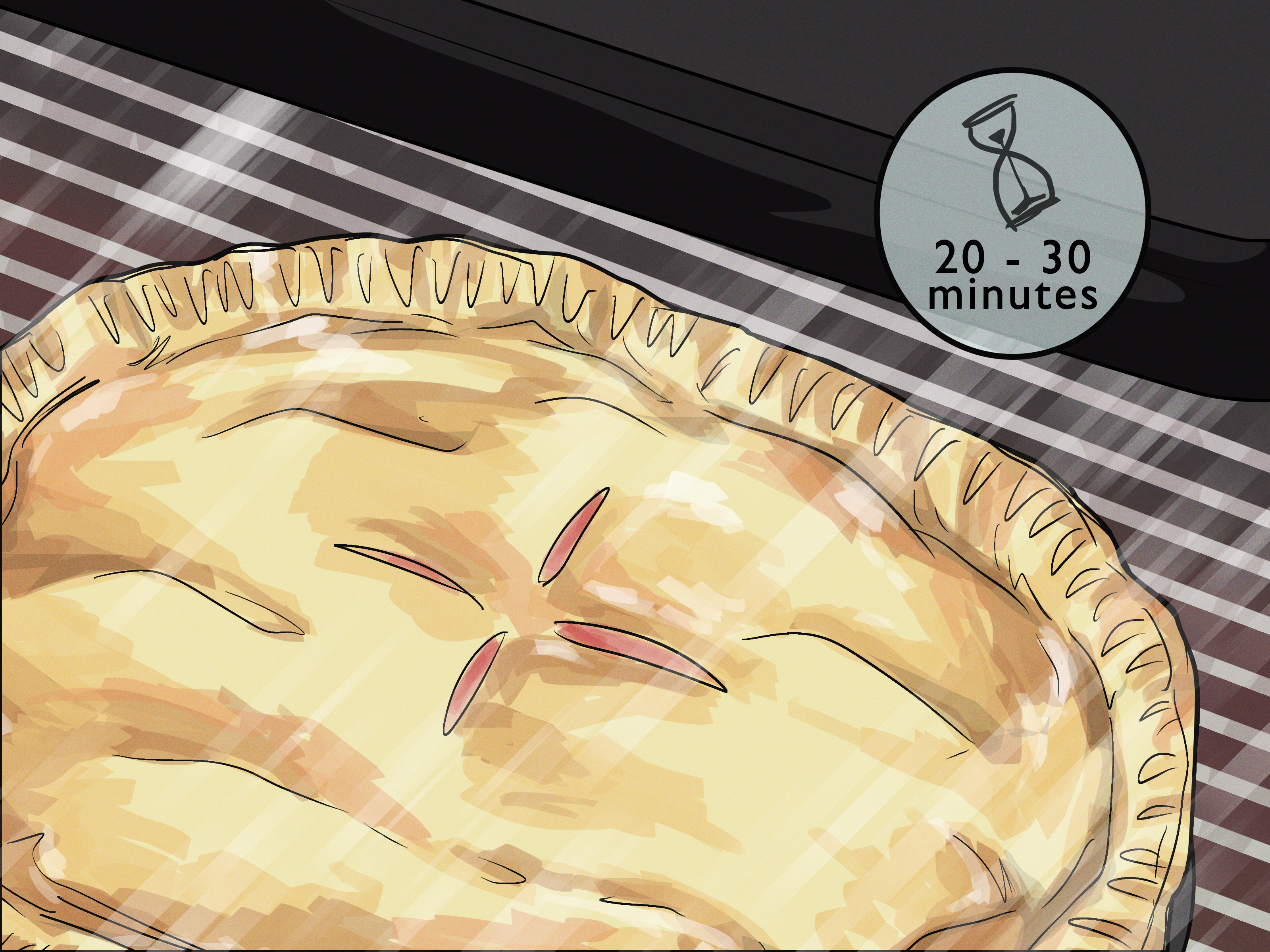
- Bake until the fruit is tender and the filling bubbles visibly.
- Cool before slicing so the juices can set.
For pie, bubbling is not just a cute sign that dessert is alive. It means the thickener has reached the temperature it needs to work. If you pull a rhubarb pie too early, the filling may stay loose. Letting the pie cool also matters. Cutting it hot may feel heroic, but the result can be a pink puddle wearing a crust hat.
How to use rhubarb in cakes and muffins
For cakes, quick breads, and muffins, cut rhubarb into small pieces, usually 1/4 to 1/2 inch. Toss the pieces with a spoonful of flour before folding them into batter. This helps reduce sinking and absorbs a little surface moisture. Rhubarb works especially well in sour cream coffee cake, almond cake, oat muffins, cornmeal cake, and brown sugar crumb bars.
If a recipe uses frozen rhubarb, thaw and drain it unless the recipe says otherwise. Frozen rhubarb often releases more liquid than fresh. For muffins and quick breads, excess moisture can make the crumb gummy. For crisps and cobblers, you can usually use frozen rhubarb directly, but you may need a little extra thickener and a few extra minutes of baking time.
Flavor Pairings That Make Rhubarb Shine
Strawberry rhubarb is famous for a reason: strawberries bring sweetness and fragrance while rhubarb brings tartness and structure. But rhubarb has more friends than one berry. Orange zest makes it sunny. Ginger gives it warmth. Vanilla softens the edges. Cardamom makes it feel bakery-level fancy. Cinnamon adds comfort. Lemon brightens the flavor without making it taste more sour.
For savory cooking, rhubarb loves pork, chicken, turkey, duck, lamb, and rich cheeses. It can be simmered into chutney with onions, sugar, vinegar, raisins, mustard seed, and ginger. It can also be cooked into a quick pan sauce after searing meat. Use it the way you might use cranberries, tart cherries, or tamarind: as a sharp counterpoint that makes rich food taste cleaner and more interesting.
Common Rhubarb Cooking Mistakes
Using too much water
Rhubarb releases plenty of liquid as it cooks. Add only a small splash of water, juice, or syrup to prevent sticking at the beginning. Too much liquid waters down the flavor and makes sauces thin.
Overcooking it
Rhubarb softens fast. For sauce, that is fine. For roasted pieces or pie filling, overcooking can erase the texture. Keep an eye on it, especially during roasting.
Forgetting the sugar balance
Rhubarb needs sweetness, but it does not need to become candy. Start with less sugar if you like a tart flavor, then adjust. Fruit pairings like strawberries and apples can reduce the amount of added sugar needed.
Skipping the cooling time
Rhubarb desserts often set as they cool. Pies, crisps, and compotes all improve after resting. Give the filling time to thicken so it does not run all over the plate like it has somewhere urgent to be.
How to Store Cooked Rhubarb
Cooked rhubarb sauce or compote can be stored in an airtight container in the refrigerator for several days. For longer storage, freeze it in small containers or freezer bags. Roasted rhubarb can also be frozen, although the pieces may soften after thawing. If you freeze fresh rhubarb, slice it first, spread it on a baking sheet until firm, then transfer it to a freezer-safe bag. This keeps the pieces from freezing into one giant rhubarb brick.
Experience Notes: What Cooking Rhubarb Teaches You in a Real Kitchen
The first time you cook rhubarb, it may surprise you. Raw rhubarb looks sturdy, almost celery-like, but heat changes it quickly. A pan of chopped stalks can become sauce in under 10 minutes. That is why the best rhubarb cooks learn to choose the method based on the final dish, not just the ingredient. If you want something spoonable for yogurt, stew it. If you want pretty pieces for a tart, roast it. If you want pie, respect the juice and use a thickener.
One of the most useful lessons is that rhubarb rewards restraint. You do not need a dozen ingredients. A little sugar, a pinch of salt, and a splash of orange juice can be enough. Add vanilla and the flavor becomes rounder. Add ginger and it becomes lively. Add strawberries and people suddenly start telling stories about their grandmother’s kitchen, even if their grandmother mostly cooked from cans and had strong opinions about margarine.
Texture is the second big lesson. Rhubarb does not politely hold its shape forever. It has a narrow window between tender and collapsed. For stewed rhubarb, collapse is welcome. For roasted rhubarb, it is less welcome but still delicious. For pie, a mix of textures can be wonderful: some pieces soft, some slightly intact, all held together in a glossy filling. The goal is not perfection. The goal is balance.
Another practical experience is learning how much sugar you personally like. Some cooks prefer rhubarb bright and tart, with just enough sweetness to keep the face from folding inward. Others want a mellow, jammy flavor. Both are valid. Start with a moderate amount of sugar, taste as you go when making sauce, and remember that baked desserts often taste less sweet once paired with crust, crumble topping, or unsweetened cream.
Rhubarb also teaches patience. A rhubarb pie pulled from the oven smells like spring got a bakery job, but slicing too soon can ruin the structure. Give pies at least a few hours to cool. Crisps can be served warm, but even they benefit from 15 to 20 minutes of resting. Compote tastes better after chilling because the flavors settle and the tartness becomes smoother.
Finally, rhubarb is a confidence-building ingredient. It looks unusual, tastes bold, and seems slightly mysterious at first. But once you cook it, you realize it is simple, flexible, and forgiving. Even if it breaks down more than expected, you still have sauce. If the sauce is too tart, add sugar. If it is too sweet, add lemon. If the pie bubbles over, call it rustic and serve it proudly. Rhubarb may be dramatic, but it is rarely a disaster.
Conclusion
Learning how to cook rhubarb for stew and baking gives you three dependable options for one of spring’s most exciting ingredients. Stewed rhubarb is quick, soft, and perfect for sauces and breakfast toppings. Roasted rhubarb keeps its shape and creates a beautiful syrup for desserts. Prepared rhubarb filling makes pies, crisps, cobblers, cakes, and muffins bright, tangy, and memorable.
The key is simple: use only the stalks, balance the tartness, control the moisture, and choose the cooking method that matches your recipe. Once you understand those basics, rhubarb becomes much less intimidating and much more fun. It may look like red celery with a sour attitude, but in the right hands, it becomes pie filling, cake treasure, breakfast sauce, and the secret ingredient that makes everyone ask, “Wait, what is that delicious tang?”
Note: This article is written from synthesized cooking, baking, food-safety, and home-kitchen guidance from reputable U.S. culinary and extension resources. Source links are intentionally omitted for publication-ready formatting.