
A simple bathroom has a funny way of staying simple for far too long. One day it is “fine for now,” and the next day you are brushing your teeth under a light fixture that makes everyone look like they just heard bad news. The good news? A modern bathroom makeover does not need to turn your home into a construction documentary. With smart planning, layered lighting, efficient storage, durable materials, and a few stylish upgrades, even a basic bathroom can become a polished, practical space that feels fresh every single morning.
The title “Modern Makeover Transforms Simple Bathroom” is more than a catchy phrase. It describes one of the most rewarding home improvement projects: taking a plain, tired, or builder-grade bathroom and turning it into a room that feels intentional. Modern bathroom design is not only about sleek tile and pretty faucets. It is about function, comfort, moisture control, easy cleaning, better lighting, and small details that make daily routines smoother. A bathroom may be one of the smallest rooms in the house, but it works harder than a coffee machine on Monday.
Why a Simple Bathroom Is the Perfect Makeover Candidate
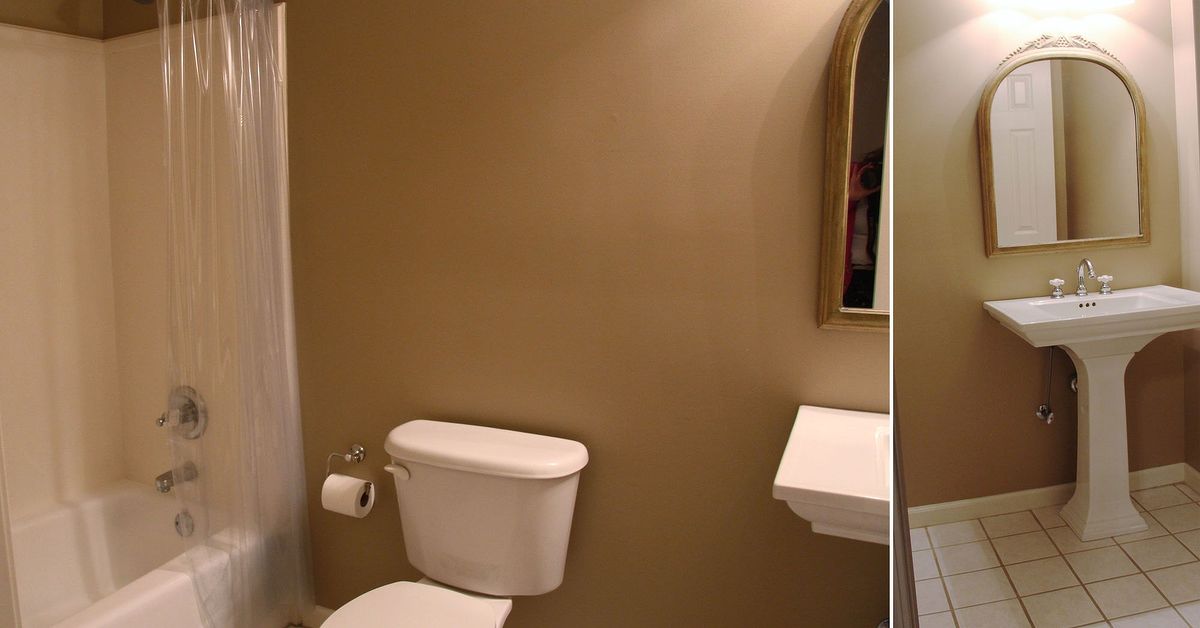
A simple bathroom usually has one major advantage: it is not overly complicated. There may be a basic vanity, a plain mirror, standard flooring, a tub-shower combo, and walls painted in a color that can best be described as “landlord beige.” While that may sound uninspiring, it creates a clean starting point. You can improve the space without fighting decades of conflicting design choices.
A modern bathroom makeover works best when it begins with honest questions. What feels outdated? What slows down your routine? Is there enough storage? Does the lighting help, or does it make applying concealer feel like a risky science experiment? Is the fan doing its job, or does the mirror fog up like a mystery movie window? These practical clues guide the remodel better than chasing random trends.
Modern bathroom renovations often focus on three big goals: making the room look cleaner, making it function better, and making it last longer. That means choosing materials that can handle moisture, fixtures that save space, surfaces that are easy to wipe down, and colors that still feel attractive after the trend parade marches on.
Start With a Clear Bathroom Makeover Plan
Before picking tile or falling emotionally attached to a faucet, start with a plan. A bathroom remodel has many moving parts: plumbing, lighting, ventilation, waterproofing, storage, layout, flooring, paint, mirrors, and hardware. Skipping the plan is how people end up with a gorgeous vanity that blocks the bathroom door. Beautiful? Yes. Practical? Absolutely not.
The first step is deciding the scope. A cosmetic makeover may include paint, a new mirror, updated lighting, cabinet hardware, peel-and-stick floor tile, a fresh shower curtain, and decorative storage. A mid-level remodel might include a new vanity, new fixtures, tile flooring, improved ventilation, and a reglazed or replaced tub. A full renovation could involve moving plumbing, expanding the shower, installing a wet room, adding custom cabinetry, or upgrading electrical systems.
For many homeowners, the sweet spot is a modern refresh that preserves the basic layout. Keeping the toilet, sink, and shower in the same locations usually saves money and avoids unnecessary plumbing changes. The transformation can still feel dramatic because surfaces, lighting, and storage have huge visual impact.
Modern Bathroom Design Begins With a Better Layout
A modern bathroom should feel open, even if the square footage is modest. That does not mean removing everything until the room echoes. It means creating clear movement, reducing visual clutter, and choosing fixtures that match the scale of the space.
Choose a Vanity That Fits the Room
The vanity is often the visual anchor of a bathroom makeover. In a simple bathroom, replacing a bulky cabinet with a floating vanity or furniture-style vanity can instantly make the room feel more custom. Floating vanities create the illusion of more floor space, while vanities with drawers are often more useful than deep cabinets where shampoo bottles go to retire.
Modern vanities increasingly include built-in organization, interior outlets, soft-close drawers, and clean lines. Warm wood tones, reeded fronts, matte finishes, and stone-look countertops are popular because they balance sleekness with personality. A white vanity can still work beautifully, but adding texture or warm hardware helps prevent the room from feeling cold.
Improve the Shower or Tub Zone
The shower area is where many bathroom makeovers go from “nice update” to “wow, who lives here, a spa owner?” A glass shower door can open the view and make a small bathroom feel larger. Large-format tile can reduce grout lines, which makes cleaning easier. A niche built into the shower wall adds storage without hanging a metal caddy that slowly rusts while judging your product collection.
Walk-in showers and wet-room-inspired layouts are popular because they can improve accessibility, create a seamless look, and use space efficiently. However, a bathtub still makes sense for families, pet owners, and anyone who believes soaking in warm water is cheaper than therapy. The best choice depends on lifestyle, not just trend reports.
Choose Materials That Look Good and Work Hard
Bathrooms are not gentle environments. Steam, splashes, cleaning products, toothpaste, cosmetics, and the occasional dropped hair dryer all test your material choices. A modern makeover should prioritize durability as much as style.
Tile: The Main Character of the Makeover
Tile can completely change the personality of a bathroom. Classic ceramic and porcelain tile remain reliable choices because they are durable, water-resistant, and available in almost every size, shape, and finish. For a modern bathroom, consider large-format floor tiles, vertical stacked wall tiles, handmade-look zellige-style tiles, soft checkerboard patterns, or stone-look porcelain.
A simple bathroom can become visually interesting with one feature tile area instead of tile everywhere. For example, use a subtle neutral tile on the floor and add a textured accent tile in the shower niche or behind the vanity. This approach keeps the room calm while giving it a designer detail. Think of it as jewelry for the bathroom, but less likely to fall behind the sink.
Countertops and Surfaces
Quartz, solid surface, natural stone, and porcelain slabs are common choices for modern bathroom countertops. Quartz is popular because it is nonporous, consistent in appearance, and relatively low maintenance. Natural stone brings organic beauty, but it may require sealing and more careful cleaning. For a simple bathroom makeover, a stone-look countertop can deliver the upscale mood without demanding royal treatment.
Paint and Wall Finishes
Bathroom walls need paint that can handle humidity. Satin or semi-gloss finishes are often used because they resist moisture better than flat paint. Modern color palettes are moving beyond plain white into warm neutrals, taupe, mushroom, clay, sage, olive, charcoal, and soft beige. These colors help a bathroom feel calm without looking sterile.
Wallpaper can also work in a powder room or well-ventilated bathroom, especially when used above wainscoting or away from direct splash zones. A bold wallpaper in a small bathroom can be surprisingly successful. Small rooms are like tiny stages: give them one dramatic costume, and suddenly everyone applauds.
Lighting Can Make or Break the Makeover
Bathroom lighting is not just decorative. It affects grooming, safety, mood, and how expensive the renovation looks. A single overhead light may technically illuminate the room, but it often creates shadows exactly where you do not want them. Modern bathroom lighting usually works in layers.
Use Three Layers of Light
Ambient lighting provides general brightness. This might be a ceiling fixture, recessed lights, or a flush mount. Task lighting focuses on the vanity area, ideally with sconces on either side of the mirror or an evenly diffused fixture above it. Accent lighting adds depth, such as LED strips under a floating vanity, backlit mirrors, or small lights in niches.
For a simple bathroom transformation, replacing a dated vanity light with modern sconces or a clean linear fixture can make an instant difference. Warm white bulbs often create a more flattering and comfortable feel than harsh blue-toned light. Your bathroom mirror should not make you look like you are being interrogated.
Ventilation: The Upgrade Nobody Brags About but Everyone Needs
Ventilation is not glamorous, but it is essential. A bathroom without proper moisture control can develop peeling paint, mildew, musty smells, damaged cabinetry, and fogged mirrors. A modern makeover should include checking the exhaust fan, especially in a bathroom with no window or frequent shower use.
A good exhaust fan should be properly sized for the room and vented outdoors, not into an attic or ceiling cavity. Quiet fans, humidity-sensing fans, and fan-light combinations can improve comfort without adding visual clutter. If the fan sounds like a small airplane preparing for takeoff, it may be time for an upgrade.
Storage Makes the Bathroom Feel Bigger
Nothing ruins a beautiful bathroom faster than clutter. Toothbrushes, razors, skincare bottles, hair tools, towels, and backup toilet paper need places to live. Modern bathroom storage is less about adding more shelves and more about adding smarter storage.
Smart Storage Ideas for a Simple Bathroom
Drawer dividers keep small items from becoming a chaotic treasure hunt. A recessed medicine cabinet adds storage without taking up counter space. A vanity with deep drawers can hold hair tools and toiletries. Wall-mounted cabinets, towel hooks, niche shelves, and over-toilet storage can help, but they should be chosen carefully so the room does not feel crowded.
Closed storage usually looks cleaner than open shelving. Open shelves can be beautiful when styled with folded towels and a tiny plant. In real life, they often become a public exhibition of half-used sunscreen, cotton swabs, and that one lotion nobody likes but cannot throw away. Use open shelving sparingly and closed storage generously.
Fixtures and Hardware Bring the Modern Look Together
Fixtures are the finishing details that make a bathroom feel complete. Faucets, showerheads, towel bars, cabinet pulls, toilet paper holders, and robe hooks should feel coordinated, but they do not all need to match perfectly. In fact, mixed metals can look more collected and modern when used intentionally.
Matte black, brushed nickel, polished nickel, brass, bronze, and champagne finishes all have a place in modern bathroom design. Matte black adds contrast and drama. Brass and bronze add warmth. Polished nickel feels classic and bright. The trick is to repeat each finish at least once so it looks planned rather than accidental.
Water-efficient faucets and showerheads can also improve the bathroom without sacrificing comfort. Modern fixtures often combine better spray technology with reduced water use, which is excellent news for both the utility bill and anyone who enjoys responsible adulthood in small doses.
Modern Does Not Have to Mean Cold
One of the biggest mistakes in a modern bathroom makeover is confusing “modern” with “empty.” A bathroom can be clean-lined and still feel warm. Texture is the secret. Add a wood vanity, woven baskets, ribbed glass, fluted cabinet fronts, stone-look tile, warm metal finishes, soft towels, or a framed mirror.
Plants can also soften a modern bathroom, especially varieties that tolerate humidity and lower light. Artwork, a small stool, a patterned rug, or a decorative tray can make the room feel finished. The goal is not to turn the bathroom into a living room with plumbing, but to give it enough character that it feels like part of the home.
A Budget-Friendly Modern Bathroom Makeover Example
Imagine a simple hall bathroom with beige walls, a basic oak vanity, a frameless builder mirror, a chrome faucet, and vinyl flooring. The layout works, but the room feels flat. A smart makeover could keep the plumbing in place while transforming every visible surface.
The walls are painted a warm off-white with a hint of taupe. The old vanity is replaced with a compact white oak vanity with drawers and a quartz-look countertop. A round framed mirror softens the straight lines. Two vertical sconces add flattering task lighting. The floor gets durable porcelain tile in a soft stone pattern. The shower receives a new curtain in a textured fabric, or if the budget allows, a clear glass door. Hardware in brushed brass warms the room, while matte black accents add crisp contrast.
The result is modern, functional, and inviting. The bathroom still has the same footprint, but it feels brighter, cleaner, and more expensive. That is the magic of a thoughtful makeover: it changes how the room behaves, not just how it poses for photos.
Common Mistakes to Avoid During a Bathroom Makeover
A beautiful remodel can still disappoint if the practical details are ignored. One common mistake is choosing slippery flooring. Bathroom floors need traction, especially near showers and tubs. Another mistake is installing too little storage. Minimalism looks peaceful until every product ends up living on the counter like it pays rent.
Poor lighting is another frequent issue. A gorgeous mirror paired with bad lighting is like a luxury car with square wheels. It may look good, but it will not perform well. Ignoring ventilation is also risky because moisture problems can quietly undo the renovation. Finally, buying materials without checking measurements can lead to costly returns, delays, and language not suitable for a family-friendly blog.
How to Make the Bathroom Feel Larger
Small bathrooms benefit from visual tricks. Use a large mirror to reflect light. Keep the color palette consistent. Choose a floating vanity or a vanity with visible legs. Use glass instead of a heavy shower curtain when possible. Continue the same floor tile into the shower area if the layout allows. Add vertical storage to draw the eye upward.
Large-format tile can also help because fewer grout lines make the room feel calmer. However, small tile can work beautifully when used with intention, especially on shower floors where additional grout lines may improve traction. Scale matters, but installation quality matters more.
Modern Bathroom Makeover Experiences: What Homeowners Learn Along the Way
Experience has a way of teaching bathroom remodeling lessons that design photos politely leave out. The first lesson is that the “small room” is rarely a small project. Bathrooms may have limited square footage, but they contain plumbing, electrical work, waterproofing, ventilation, cabinetry, tile, glass, hardware, and paint. In other words, the bathroom is tiny but dramatic. It is the theater kid of home renovation.
One common experience is discovering that lighting changes everything. Many homeowners start a makeover thinking tile will be the star, only to realize that better lighting makes every surface look more intentional. A backlit mirror, two sconces, or warmer bulbs can change the mood instantly. Suddenly the room looks calm instead of clinical, and the morning routine feels less like preparing under a supermarket ceiling.
Another lesson is that storage should be planned around real habits. A bathroom that looks beautiful on day one can become messy by day seven if there is nowhere to put daily items. Homeowners often learn to count what they actually use: electric toothbrushes, skincare bottles, makeup, shaving supplies, hair tools, medicines, towels, cleaning products, and backup toiletries. A vanity with drawers, a recessed cabinet, or a tall linen tower can make the difference between a modern bathroom and a modern bathroom covered in stuff.
Many people also learn that neutral does not have to mean boring. A warm neutral palette with texture can feel much more luxurious than a flat white room. For example, a simple bathroom with creamy wall tile, a wood vanity, brushed metal hardware, and a stone-look floor can feel modern without looking cold. The texture does the talking. It whispers, “I have taste,” instead of yelling, “I bought everything in one afternoon.”
Waterproofing and ventilation are two behind-the-scenes upgrades that experienced remodelers never ignore. New tile is exciting; proper moisture control is what keeps it beautiful. A quiet exhaust fan, correctly vented ductwork, quality caulk, waterproof backer board, and careful grout work may not be the details guests notice first, but they are the details that protect the investment. A bathroom remodel should not only look good in the first month. It should survive years of showers, steam, splashes, and rushed weekday mornings.
Homeowners also discover the value of ordering materials early. Tile can arrive with shade variations. Vanities can be delayed. Faucets may look different in person. Mirrors can be heavier than expected. A remodel moves more smoothly when key items are selected, measured, and available before demolition begins. Nothing tests patience like having a working toilet but no sink because the vanity is “arriving soon,” which is contractor poetry for “please do not ask me again today.”
Finally, the best bathroom makeover experiences usually come from balancing beauty with routine. The room should look good, but it should also support how people live. A handheld showerhead helps with cleaning. A niche prevents bottle clutter. Hooks may work better than towel bars for busy families. A comfort-height toilet can be practical. A low-threshold shower can improve long-term accessibility. These choices may seem small, but together they create a bathroom that feels modern because it works beautifully every day.
Conclusion
A modern makeover can transform a simple bathroom from plain and forgettable into a space that feels calm, efficient, and stylish. The most successful updates do not rely on one dramatic feature. They combine smart planning, durable materials, layered lighting, proper ventilation, useful storage, and finishes that reflect personal taste. Whether the project is a cosmetic refresh or a full renovation, the goal is the same: create a bathroom that looks beautiful, works hard, and makes everyday routines feel easier.
The best modern bathroom is not the one that blindly follows every trend. It is the one that fits the home, supports the people who use it, and still feels fresh after the paint dries and the novelty fades. Simple bathrooms have enormous potential. With thoughtful choices, even the most basic space can become a modern retreat that proves good design does not need a mansion-sized footprint. Sometimes, all it needs is better lighting, smarter storage, and a vanity that finally understands the assignment.
Note: This article is written as original, web-ready HTML body content in standard American English and synthesizes current U.S. bathroom remodeling guidance, design trends, and practical renovation principles without using source-link placeholders or unnecessary citation elements.