
Note: This article is for educational purposes only and is not a substitute for medical advice, diagnosis, or treatment. If symptoms are severe, sudden, repeated, or difficult to manage, contact a healthcare professional right away.
Low blood sugar can be dramatic, sneaky, annoying, or all three before breakfast. One minute you are answering emails like a responsible adult; the next, your hands are shaking, your brain is buffering, and your stomach is sending emergency push notifications. The medical term for low blood sugar is hypoglycemia, and it happens when the glucose level in the blood drops lower than the body needs for steady energy.
For many people with diabetes, a blood sugar level below 70 mg/dL is considered low. A level below 54 mg/dL is often considered severe and may require help from another person. However, symptoms can vary from person to person. Some people feel shaky at 75 mg/dL, while others may not notice much until their glucose is much lower. That is why understanding the symptoms of low blood sugar is so important: your body often whispers before it shouts.
This guide explains the early signs, serious symptoms, possible causes, real-life examples, and what to do when low blood sugar strikes. Whether you have diabetes, care for someone who does, or simply want to understand why “hangry” sometimes feels like a full-body event, this article breaks it down in plain English.
What Is Low Blood Sugar?
Blood sugar, also called blood glucose, is the main fuel your body uses for energy. Your brain especially loves glucose. It is a bit like that friend who says they are “fine” but absolutely needs coffee to function. When glucose drops too low, the brain, muscles, and nervous system may not work smoothly.
Hypoglycemia is most common in people with diabetes who use insulin or certain medications that increase insulin levels. It can also happen after missed meals, intense exercise, alcohol use, illness, or taking too much diabetes medicine. Less commonly, people without diabetes may experience low blood sugar due to certain medical conditions, medications, hormone problems, or reactive hypoglycemia after meals.
Early Symptoms of Low Blood Sugar
Early symptoms are the body’s warning lights. They may come on quickly and feel uncomfortable, but they are also useful because they tell you to act before things get worse.
Shaking or Trembling
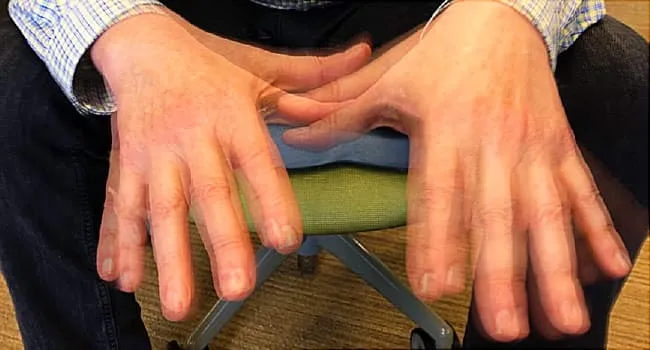
One of the most common symptoms of low blood sugar is shakiness. Your hands may tremble, your legs may feel unsteady, or your whole body may feel like it has switched into “vibrate mode.” This happens because the body releases stress hormones, including adrenaline, to help raise blood glucose.
Sweating and Chills
Sudden sweating is another classic sign. It may happen even when the room is cool or you are not exercising. Some people describe it as a cold sweat, especially around the forehead, neck, or back. Chills can also happen, making the body feel oddly hot and cold at the same time.
Fast or Pounding Heartbeat
A racing heartbeat can feel scary, especially if it appears out of nowhere. With low blood sugar, your heart may pound, flutter, or feel faster than usual. This does not always mean something is wrong with your heart; it can be the body’s emergency response to falling glucose.
Sudden Hunger
Low blood sugar hunger is not polite hunger. It does not gently ask for a snack. It bangs on the door and says, “We need food, and we need it yesterday.” People may feel an intense need to eat, especially foods with carbohydrates.
Nervousness, Anxiety, or Irritability
Hypoglycemia can affect mood quickly. A person may feel anxious, restless, impatient, or unusually emotional. This is one reason low blood sugar sometimes gets mistaken for stress, anger, or panic. The person is not necessarily being dramatic; their brain may simply be running low on fuel.
Brain-Related Symptoms of Low Blood Sugar
As blood glucose continues to fall, the brain may not get enough energy to think clearly. These symptoms are especially important because they can affect judgment and make it harder to treat the problem.
Dizziness or Lightheadedness
Dizziness can make you feel like the room is tilting or your balance is off. Some people feel faint, weak, or “floaty.” This can be dangerous while driving, exercising, climbing stairs, or using tools or machinery.
Headache
A low blood sugar headache may feel dull, sharp, or pressure-like. It can appear with hunger, sweating, weakness, or irritability. If headaches happen repeatedly around the same time of day, such as late morning or during the night, it may be worth tracking meals, activity, and glucose readings.
Blurred Vision
Glucose changes can affect vision. Low blood sugar may cause blurry vision, double vision, or difficulty focusing. The eyes are not always the real problem; the brain and nerves that process visual signals may be struggling because glucose is low.
Confusion or Trouble Concentrating
Confusion is a red flag. A person may forget what they were doing, repeat themselves, stare blankly, or have trouble answering simple questions. They may look awake but seem “not quite there.” This can be mistaken for tiredness or distraction, but it may be low blood sugar.
Slurred Speech or Difficulty Speaking
When glucose drops too far, speech may become slow, slurred, or unclear. The person may have trouble finding words. Because this can resemble signs of a stroke, sudden speech problems should always be taken seriously.
Severe Symptoms That Need Immediate Attention
Severe low blood sugar can become dangerous quickly. It may require help from another person, especially if the individual cannot safely eat, drink, or follow instructions.
Clumsiness or Trouble Walking
A person with severe hypoglycemia may stumble, drop things, walk strangely, or appear uncoordinated. This happens because the brain and muscles are not receiving enough glucose to work together smoothly.
Extreme Weakness or Sleepiness
Low blood sugar can cause sudden exhaustion. The person may want to lie down, fall asleep, or seem unusually hard to wake. Sleepiness combined with confusion, sweating, or shakiness should not be ignored.
Seizures or Loss of Consciousness
Very low blood sugar can lead to seizures or passing out. This is a medical emergency. If someone is unconscious, having a seizure, or unable to swallow safely, do not give food or drink by mouth. Emergency treatment, such as glucagon if prescribed, may be needed, and emergency medical services should be contacted.
Nighttime Low Blood Sugar Symptoms
Low blood sugar does not always respect business hours. It can happen during sleep, especially in people using insulin or certain diabetes medications. Nighttime hypoglycemia may be harder to notice because, obviously, you are busy being unconscious in the normal sleeping way.
Common nighttime symptoms include waking up sweaty, having nightmares, feeling restless, waking with a headache, or feeling unusually tired and confused in the morning. Some people notice damp pajamas or sheets. Others only discover nighttime lows through a glucose meter or continuous glucose monitor.
What Causes Low Blood Sugar?
The causes of hypoglycemia depend on the person’s health, medications, meals, and activity level. In people with diabetes, common triggers include taking too much insulin, delaying or skipping a meal, eating fewer carbohydrates than expected, exercising more than usual, or drinking alcohol without enough food.
In people without diabetes, low blood sugar is less common but still possible. Reactive hypoglycemia may occur within a few hours after eating. Other possible causes include certain medications, severe illness, hormone deficiencies, liver or kidney problems, or rare insulin-producing tumors. Because the causes can vary, repeated episodes should be discussed with a healthcare provider.
How to Tell If Symptoms Are Really Low Blood Sugar
The best way to confirm hypoglycemia is to check blood glucose with a meter or continuous glucose monitor. Symptoms alone can be helpful, but they are not perfect. Anxiety, dehydration, lack of sleep, caffeine, and illness can mimic some signs of low blood sugar.
A useful pattern is called “Whipple’s triad”: symptoms happen, blood glucose is measured as low, and symptoms improve after glucose rises. You do not need to memorize the name for a dinner party, unless your dinner parties are unusually medical, but the concept is helpful.
What to Do When Blood Sugar Is Low
For many people who can safely swallow, mild to moderate low blood sugar is treated with fast-acting carbohydrates. A common approach is the 15-15 rule: take about 15 grams of fast-acting carbohydrates, wait 15 minutes, and check blood sugar again. If it is still low, repeat the process.
Examples of fast-acting carbohydrates may include glucose tablets, glucose gel, regular soda, fruit juice, hard candy, or sugar dissolved in water. Chocolate is not ideal for fast treatment because fat can slow sugar absorption. After blood sugar returns to a safer range, a balanced meal or snack may help prevent another drop, especially if the next meal is not soon.
If symptoms are severe, the person cannot swallow, or they are unconscious, emergency help is needed. Family members, friends, coaches, teachers, or coworkers of someone at risk should know where glucagon is kept and how to use it if it has been prescribed.
When to Call a Doctor
Call a healthcare professional if low blood sugar happens often, occurs without a clear reason, happens during sleep, or requires help from another person. Also seek medical guidance if symptoms occur in someone without diabetes, because the cause may need evaluation.
Emergency care is needed if someone has a seizure, loses consciousness, cannot swallow safely, remains confused after treatment, or does not improve after attempts to raise blood sugar. It is better to be the person who overreacted than the person who waited too long.
How to Prevent Low Blood Sugar
Prevention starts with patterns. Track when symptoms happen, what you ate, when you exercised, what medications you took, and what your blood glucose readings showed. Over time, the pattern may reveal the villain: skipped lunch, a workout without enough carbohydrates, too much insulin, or a medication schedule that needs adjustment.
People with diabetes should follow their care plan, carry quick sugar, check glucose as recommended, and talk with their healthcare team before changing medication. Wearing medical identification can also help in an emergency. For children, teens, older adults, and people with hypoglycemia unawareness, a clear safety plan is especially valuable.
Common Myths About Low Blood Sugar
Myth 1: Only People With Diabetes Get Low Blood Sugar
Low blood sugar is most common in people with diabetes who use insulin or certain medications, but it can happen in people without diabetes too. When it does, repeated episodes should be checked by a healthcare provider.
Myth 2: A Candy Bar Is Always the Best Fix
Candy may contain sugar, but chocolate and high-fat sweets can work more slowly. Fast-acting carbohydrates are usually better for quick treatment.
Myth 3: If You Feel Fine, Your Blood Sugar Cannot Be Low
Some people develop hypoglycemia unawareness, meaning they do not feel early symptoms clearly. This can be risky because blood sugar may drop to a severe level before warning signs appear.
Experience-Based Scenarios: What Low Blood Sugar Can Feel Like in Real Life
Low blood sugar is not always a textbook moment. In real life, it often shows up during ordinary routines, wearing a disguise and carrying a tiny chaos clipboard. For example, imagine a student sitting in class before lunch. At first, they feel a little distracted. Then their hands get shaky, their stomach feels empty, and the words on the board start looking like they were written by a sleepy octopus. They may think they are just bored, but the real issue could be falling glucose.
Another common experience happens during exercise. Someone may start a walk, gym session, or soccer practice feeling great. Halfway through, they become weak, sweaty, and unusually irritable. Their legs feel heavy, and their brain starts negotiating: “Maybe we live on this bench now.” If they use insulin or diabetes medication, physical activity can lower glucose more than expected, especially if they did not eat enough beforehand.
Low blood sugar can also appear at work. A person may be in a meeting when they suddenly feel hot, nervous, and unable to focus. They might reread the same sentence three times or forget what they were about to say. To others, it may look like stress. To the body, it is an energy shortage. This is why keeping glucose tablets or another quick carbohydrate nearby can be practical, not dramatic.
Parents and caregivers may notice symptoms before the person does. A child with low blood sugar may become pale, cranky, sleepy, or unusually quiet. A teen may seem moody or argumentative when the real problem is not attitude but chemistry. Adults can experience the same thing. Low glucose is not famous for improving anyone’s personality.
Nighttime lows can feel especially mysterious. Someone may wake up drenched in sweat, with a pounding heart and a strange sense of panic. In the morning, they may feel foggy, tired, or headache-heavy, as if they slept eight hours but only downloaded 20 percent of the rest. If this happens repeatedly, it is worth discussing with a healthcare provider because overnight hypoglycemia can be dangerous and may require changes in medication, snacks, or glucose monitoring.
The most helpful lesson from these experiences is simple: symptoms are signals, not character flaws. Shakiness, hunger, confusion, sweating, dizziness, and irritability are the body’s way of saying, “Please address this now.” The more someone learns their personal pattern, the easier it becomes to respond early. Carrying fast sugar, checking glucose, eating consistently, and having a plan can turn a scary episode into a manageable one. Low blood sugar may be sneaky, but preparation is sneakier.
Conclusion
Low blood sugar symptoms can range from mild shakiness and hunger to confusion, blurred vision, seizures, or loss of consciousness. The key is to recognize the early warning signs and treat them quickly. For many people, especially those with diabetes, a reading below 70 mg/dL deserves attention, while severe symptoms require urgent help.
If low blood sugar happens often, appears during sleep, or occurs without a clear reason, it should not be brushed aside. A healthcare provider can help identify triggers and adjust the care plan. With the right knowledge, quick treatment, and prevention habits, hypoglycemia becomes less mysterious and much easier to manage.