
Having a wild bird eat out of your hand sounds like something that should happen only in a woodland fairy tale, possibly while you are wearing a cape and speaking fluent squirrel. In real life, it can happen in an ordinary backyard, park, or quiet gardenif you are patient, consistent, respectful, and willing to stand still long enough for your arm to wonder whether it has been abandoned by the rest of your body.
The goal is not to “tame” wild birds or turn them into feathered pets. The goal is to build enough trust that a naturally curious bird, often a chickadee, titmouse, nuthatch, or similar feeder-friendly songbird, feels safe landing briefly on your open palm to take a seed. Done correctly, hand-feeding wild birds can deepen your appreciation for nature without disrupting the bird’s normal life. Done carelessly, it can spread disease, attract predators, or teach birds bad habits. So yes, there is a right wayand no, it does not involve chasing a cardinal around the yard with a fistful of sunflower seeds.
This guide explains how to have wild birds eat out of your hand in seven careful steps, with practical safety tips, food suggestions, timing advice, and realistic expectations. Spoiler: patience is the secret ingredient. The birds are not being rude. They are simply tiny survival experts with wings.
Before You Begin: Is It Safe to Hand-Feed Wild Birds?
In many cases, hand-feeding common backyard songbirds can be safe when it is done sparingly, cleanly, and in a suitable location. However, it is not appropriate for every bird, every place, or every situation. Avoid hand-feeding birds in areas where local rules prohibit feeding wildlife. Do not attempt to hand-feed raptors, waterfowl, gulls, shorebirds, or birds that show signs of illness. Never touch a sick or dead bird with bare hands.
Hand-feeding should also be treated as an occasional trust-building activity, not a daily buffet with a human attached. Birds should continue relying on natural foods such as seeds, insects, berries, and native plants. Think of your palm as a tiny snack tray, not a full-service restaurant with a loyalty program.
Step 1: Create a Bird-Friendly Feeding Area
Wild birds are much more likely to approach your hand if they already feel safe in your yard. Start by setting up a clean, reliable feeding area. Place a feeder where birds have nearby escape cover, such as trees or shrubs, but not so close to dense hiding spots that cats or other predators can ambush them. A distance of about 10 to 12 feet from low shrub cover is often a helpful balance: close enough for birds to retreat, but not so close that predators get a free lunch plan.
Window safety matters too. Feeders placed either very close to windows or far away from them can reduce collision risk. The danger zone is often the middle distance, where birds can build up speed and crash into reflective glass. If your feeding area is near windows, use visible decals, screens, cords, or other collision deterrents.
Also consider the bigger habitat picture. Native plants, clean water, brush piles, and pesticide-free garden areas attract more birds than seed alone. A yard with native flowers, seed heads, berries, and insects tells birds, “This place is safe.” A bare lawn with one lonely feeder says, “Welcome to the snack machine in the parking lot.” Both may work, but the first one is much better for birds.
Step 2: Choose the Right Food
The best foods for hand-feeding are small, familiar, nutritious, and easy for birds to grab quickly. Black oil sunflower seeds, hulled sunflower hearts, and unsalted peanut pieces are favorites among many feeder birds. Chickadees, titmice, and nuthatches are especially likely to investigate these foods because they already visit feeders for seeds, suet, and peanuts.
Avoid bread, crackers, salty snacks, sweetened cereal, processed foods, and anything seasoned. These foods may seem harmless, but they are not ideal for wild birds and can encourage unhealthy feeding behavior. Also avoid offering food from dirty hands, wet containers, or old seed that smells musty. Moldy seed is not “aged cuisine.” It is a problem.
Best Starter Foods for Hand-Feeding
- Hulled sunflower hearts
- Black oil sunflower seeds
- Unsalted peanut pieces
- Small bits of suet in cold weather
- Dried mealworms for species that already eat them
Use small portions. You do not need to stand outside holding a mountain of seed like a statue dedicated to snack-based diplomacy. A few seeds in your palm are enough.
Step 3: Build a Routine Before Offering Your Hand
Birds trust patterns. If you refill the feeder around the same time each day, move calmly, and avoid sudden gestures, local birds will begin to recognize your presence. At first, simply stand or sit several feet away from the feeder after filling it. Stay relaxed. Keep your arms still. Let the birds watch you without pressure.
Morning often works well because birds are active and hungry after the night. Cold weather can also make birds bolder, especially chickadees, because high-energy foods are valuable. That does not mean you should use harsh conditions to force trust. It simply means birds may be more motivated when food matters most.
Spend several days letting birds feed while you are nearby. Do not rush this stage. If birds scatter every time you appear, you are still too close or too animated. Try sitting farther away. Bring a chair. Become boring. In the bird world, boring is beautiful.
Step 4: Move Closer Gradually
Once birds continue visiting the feeder while you are nearby, reduce the distance slowly. Move a little closer every day or two. If the birds stop coming, back up and give them more time. Their comfort level is your schedule. You are not training a dog to sit; you are negotiating with a creature that weighs less than a spoon but has the survival instincts of a tiny spy.
Keep your posture low and relaxed. Avoid direct staring, which can feel predatory. Look slightly downward or toward the feeder rather than locking eyes with a bird. Speak softly if you like, but do not whistle loudly, clap, or make sudden noises. The calmer you are, the faster birds learn that your presence does not equal danger.
During this phase, you can hold a small amount of seed in your hand while still allowing birds to use the feeder. The purpose is not to make them land yet. It is to let them see that your hand is part of the feeding environment and not a mysterious five-fingered hawk.
Step 5: Make Your Hand the Easiest Food Source
When birds are comfortable feeding while you stand close, choose a busy feeding time and temporarily remove or cover the feeder for a short session. Place the same familiar food in your open palm and hold your hand near where the feeder normally hangs. Keep your palm flat, fingers relaxed, and arm steady.
This step works best with birds that are already bold and curious. Black-capped chickadees are famous for being brave around people. Tufted titmice and nuthatches may also participate, though some individuals are much more cautious than others. Cardinals and blue jays may visit your feeder daily and still refuse to land on your hand, because apparently they have read the fine print.
Limit hand-feeding sessions to 10 or 15 minutes. If no bird lands, put the feeder back and try again another day. Do not let birds go hungry by removing feeders for long periods. The point is to create an invitation, not a hostage situation.
Step 6: Stay Still When the First Bird Approaches
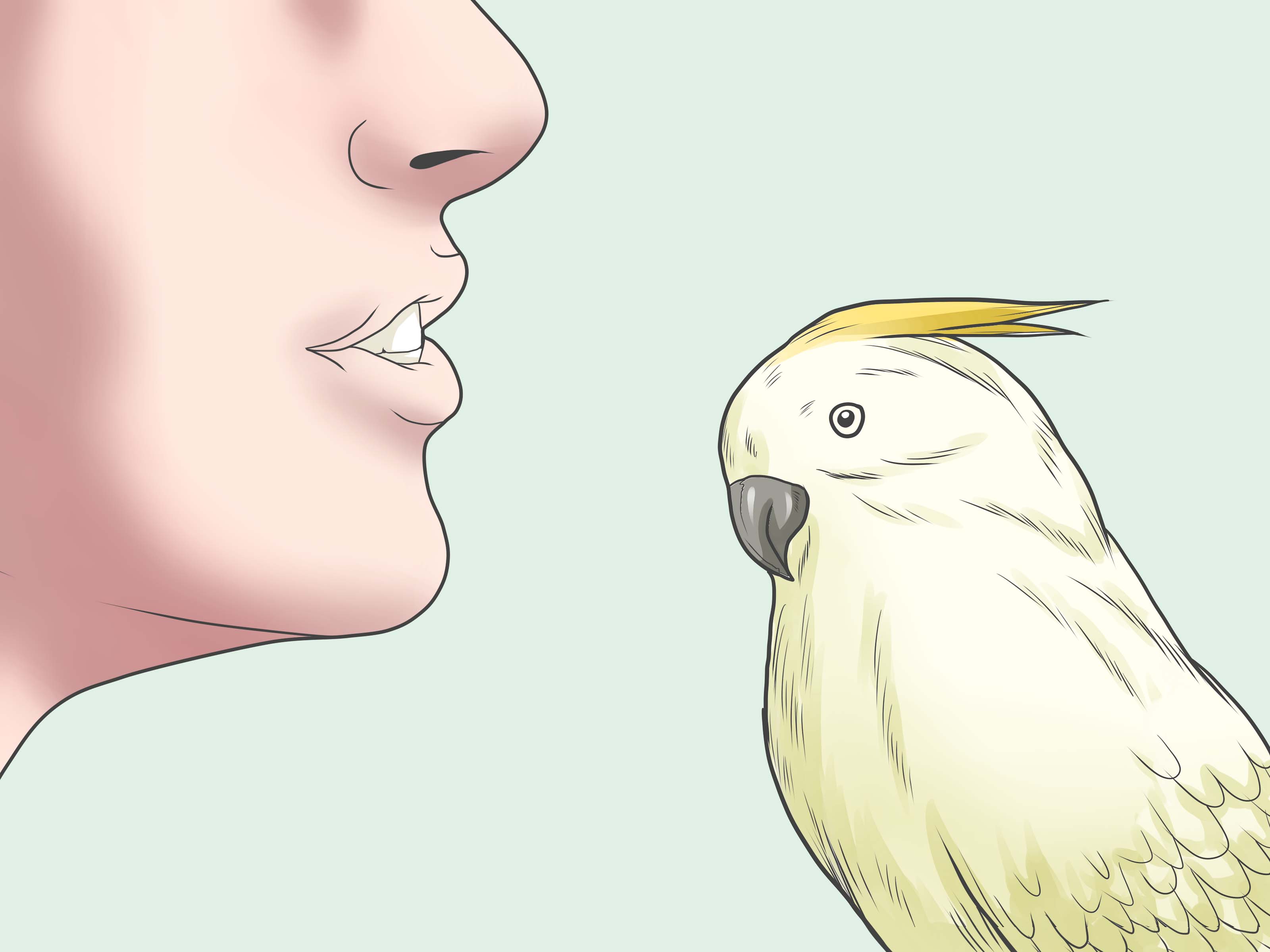
The first close approach is the hardest partfor you, not the bird. A chickadee may land on a branch nearby, tilt its head, fly away, come back, scold you, reconsider its life choices, and finally dart toward your hand. When that happens, do absolutely nothing. Do not gasp. Do not celebrate. Do not whisper, “It’s happening!” like you are in a wildlife documentary.
Most birds will land for only a second, grab one seed, and leave. That is success. The bird does not need to sit in your hand and discuss its morning. After a few successful visits, the same bird may become faster and more confident. Others may follow once they see the first brave customer survive the transaction.
Wash your hands before and after each session. Avoid lotions, sunscreen, insect repellent, or anything strongly scented on your hands. Birds have delicate feathers and sensitive bodies, and your hand should be clean enough to be a safe feeding surface.
Step 7: Keep the Experience Healthy and Respectful
Once birds begin eating from your hand, it can be tempting to do it constantly. Resist the urge. Short, occasional sessions are best. Keep feeders clean, remove old seed, sweep up hulls and leftovers, and wash birdbaths regularly. Dirty feeders can spread diseases among birds, especially when many individuals gather in one place.
If you notice birds with swollen eyes, crusty faces, unusual weakness, poor balance, fluffed feathers for long periods, or other signs of illness, stop feeding immediately. Take down feeders, clean and disinfect them, and allow birds to disperse. Do not hand-feed during disease outbreaks, local wildlife advisories, or periods when avian influenza warnings affect your area.
Also keep pets away. Outdoor cats are a serious threat to birds, especially around feeders where birds become predictable. Dogs can also scare birds or knock into your feeding setup. A safe hand-feeding area is quiet, clean, and free of ambush artists wearing collars.
Common Mistakes to Avoid
Using the Wrong Food
Bread, chips, cookies, and salted nuts are not good options. Stick with bird-appropriate foods that match the species you are trying to attract.
Moving Too Quickly
If you rush toward birds or shove your hand into their space, you teach them that humans are unpredictable. Slow progress wins.
Feeding in Unsafe Locations
A feeder beside reflective glass, low predator cover, or a busy walkway can put birds at risk. Safety comes before convenience.
Trying to Hand-Feed Every Species
Some birds are naturally cautious. Others should not be hand-fed at all. Focus on common feeder songbirds and let uninterested birds stay uninterested.
Which Birds Are Most Likely to Eat from Your Hand?
In North America, chickadees are the classic hand-feeding champions. They are curious, quick, and comfortable visiting feeders. Nuthatches and titmice are also good candidates. Some sparrows may become bold in the right setting, and blue jays may take food near you, though many prefer grabbing snacks from a platform rather than landing on a person.
Hummingbirds are a special case. Some people hand-feed hummingbirds using small nectar feeders, but this requires excellent hygiene because sugar water spoils quickly. Nectar should be made with plain white sugar and water only, without red dye, and feeders must be cleaned frequently. For most beginners, seed-eating songbirds are a safer and simpler place to start.
How Long Does It Take?
Some birds may eat from your hand within a few days, especially in places where they are already used to people. Others may take weeks. Some may never do it. That is not failure. Wild birds do not owe us a Disney moment.
Your chances improve when you provide clean feeders, use the right food, choose a quiet location, repeat the same routine, and stay calm. The first landing usually happens when you have finally stopped trying so hard. Nature enjoys a dramatic entrance.
Extra Experience: What Hand-Feeding Wild Birds Really Feels Like
The first time a wild bird eats from your hand, it rarely feels graceful. Your arm may be tired. Your fingers may be cold. You may have been standing so still that a neighbor briefly considered asking whether you were okay. Then, suddenly, a chickadee appears on a nearby branch. It bounces once, studies your hand, flicks its wings, and launches toward your palm.
The landing is lighter than expected. A small bird does not “step” onto your hand like a pet. It arrives like a whisper with toenails. You feel the tiny grip of its feet, the quick shift of balance, and then the precise little grab of a seed. Before your brain fully catches up, the bird is gone. The whole event may last less than two seconds, yet it can make an ordinary morning feel strangely electric.
One of the best lessons from hand-feeding birds is how individual they are. One chickadee may be bold, efficient, and businesslike: land, grab, leave. Another may hover nearby for days, acting as if your palm is a suspicious new branch installed by management. A titmouse might swoop in dramatically and then panic at its own bravery. A nuthatch may approach upside down from a tree trunk, because apparently walking normally is too mainstream.
You also learn that stillness is harder than it sounds. Humans are fidget machines. We scratch our noses, shift our weight, check our phones, and sigh like leaky balloons. Birds notice all of it. Hand-feeding teaches you to slow down enough to become part of the background. The reward is not just the bird landing on your hand; it is the ten quiet minutes before that, when you begin hearing wings, calls, leaves, and small movements you normally miss.
Another experience worth mentioning is the emotional tug-of-war between excitement and responsibility. Once birds trust you, you may feel proudand you should. But that trust comes with a duty to protect them. Clean hands, clean feeders, safe placement, and short sessions matter. If a bird becomes too comfortable around people, it may approach someone less careful. That is why hand-feeding should remain gentle, limited, and respectful.
Over time, the experience becomes less about getting birds to perform and more about noticing their world. You begin to recognize regular visitors. You learn which seed disappears first. You notice how birds take turns, how they warn each other, and how quickly they vanish when a hawk passes overhead. Your backyard stops being just a yard and becomes a living neighborhood with feathers, routes, routines, and tiny arguments in the shrubs.
The funniest part is that once you finally succeed, the birds may act as if they trained you. You show up at the right time, hold the correct food, stay politely motionless, and wait for approval. In a way, they are right. Hand-feeding wild birds is not about controlling nature. It is about earning a brief, delicate moment of trustand then letting the bird fly away exactly as wild as it arrived.
Conclusion
Learning how to have wild birds eat out of your hand takes patience, clean habits, safe feeding practices, and respect for the birds’ natural behavior. Start with a healthy backyard habitat, offer the right food, build a predictable routine, move slowly, and let the birds decide when they are ready. Chickadees, titmice, and nuthatches are often the most willing partners, but every bird is different.
The magic is not only in the moment a bird lands on your palm. It is in becoming quiet enough for wildlife to trust you for one tiny second. Keep the experience safe, occasional, and bird-friendly, and you may discover that the best backyard adventure does not require hiking boots, binoculars, or a dramatic soundtrackjust a clean hand, a few sunflower seeds, and the patience to let nature make the first move.
Note: This guide is intended for common backyard songbirds only. Always follow local wildlife rules, avoid contact with sick or dead birds, wash your hands before and after feeding, and stop feeding immediately if birds appear ill.