
Osteoarthritis has a sneaky way of turning ordinary household moments into dramatic little negotiations. The stairs suddenly want a meeting. A jar lid becomes a tiny villain. Your knees may sound like a bowl of cereal in milk. But here is the good news: osteoarthritis self-care at home is not about becoming a superhero, buying strange gadgets at 2 a.m., or pretending pain is “just character development.” It is about building smart, realistic habits that reduce joint stress, improve mobility, and help you stay in charge of your day.
Osteoarthritis, often shortened to OA, is the most common type of arthritis. It happens when joint tissues, including cartilage and nearby bone, gradually change and break down. The result may include pain, stiffness, swelling, reduced flexibility, tenderness, or a grinding sensation during movement. It often affects the knees, hips, hands, spine, and feet. Although OA becomes more common with age, it is not simply “normal aging,” and it should not be ignored like an old squeaky door.
The goal of home care is simple: ease pain, protect joints, preserve function, and keep life moving. These 10 osteoarthritis self-care tips are practical, evidence-informed, and designed for real homes, real schedules, and real people who occasionally forget where they put the heating pad.
Understanding Osteoarthritis Before You Treat It at Home
Osteoarthritis is not just “wear and tear.” Modern understanding shows that OA affects the whole joint, including cartilage, bone, ligaments, muscles, and the joint lining. Symptoms may flare after activity, improve with rest, or feel worse after long periods of sitting. Morning stiffness usually improves within a short time, but stiffness after inactivity can make the first few steps feel like your joints are loading old software.
Home care works best when it is consistent. A single stretch, one salad, or one walk around the block will not magically rebuild a knee. However, repeated small choices can reduce pain, improve strength, support a healthy weight, and make daily tasks less exhausting. Think of self-care as compound interest for your joints: modest deposits, repeated often, can pay off.
Osteoarthritis: 10 Tips for Self-Care at Home
1. Keep Moving, Even When Your Joints Complain
Movement is one of the most powerful tools for osteoarthritis pain relief at home. It may sound backward: “My joint hurts, so you want me to move it?” Yes, but gently and wisely. Regular physical activity helps keep muscles strong, supports joint stability, maintains range of motion, improves balance, and can reduce stiffness.
Choose low-impact activities that are easier on joints, such as walking, cycling, swimming, water aerobics, elliptical training, or gentle dancing in the kitchen while pretending nobody saw you. For many adults with arthritis, a common goal is about 150 minutes of moderate activity per week, but beginners should start smaller. Even 5 to 10 minutes at a time can be useful.
The key is pacing. If your knee pain jumps from a 3 to an 8 after exercise, that is not “motivation”; that is feedback. Try shorter sessions, softer surfaces, supportive shoes, or water-based exercise. If pain remains sharp, new, or severe, pause and speak with a healthcare professional.
2. Strengthen the Muscles Around the Joint
Strong muscles are like loyal bodyguards for painful joints. When muscles around the knees, hips, hands, or spine are weak, the joint often absorbs more stress. Strengthening exercises can reduce that load and improve function over time.
For knee osteoarthritis, helpful exercises may include chair stands, mini-squats, straight-leg raises, step-ups, and gentle resistance-band work. For hip OA, bridges, side leg raises, and controlled marching can support the glutes and hip stabilizers. For hand OA, squeezing a soft ball, finger stretches, and grip exercises may help maintain function. Always move slowly and avoid forcing painful ranges.
A physical therapist can design a plan that fits your affected joints, current strength, and goals. That is especially useful if you are unsure whether your form is helping or quietly plotting against you.
3. Use Heat for Stiffness and Cold for Swelling
Heat and cold therapy are simple, low-cost home remedies for osteoarthritis symptoms. Heat can relax muscles, ease stiffness, and make movement feel more comfortable. A warm shower, heating pad, warm towel, or warm bath can be especially helpful before stretching or exercise.
Cold therapy can reduce swelling, soreness, and aching after activity. Use an ice pack wrapped in a towel for short periods rather than placing ice directly on skin. Heat is often best for stiffness; cold is often best for swelling or post-activity irritation. Some people benefit from alternating both, but the rule is simple: use what helps, avoid what worsens symptoms, and do not burn or freeze yourself in the name of wellness.
4. Manage Weight to Reduce Joint Pressure
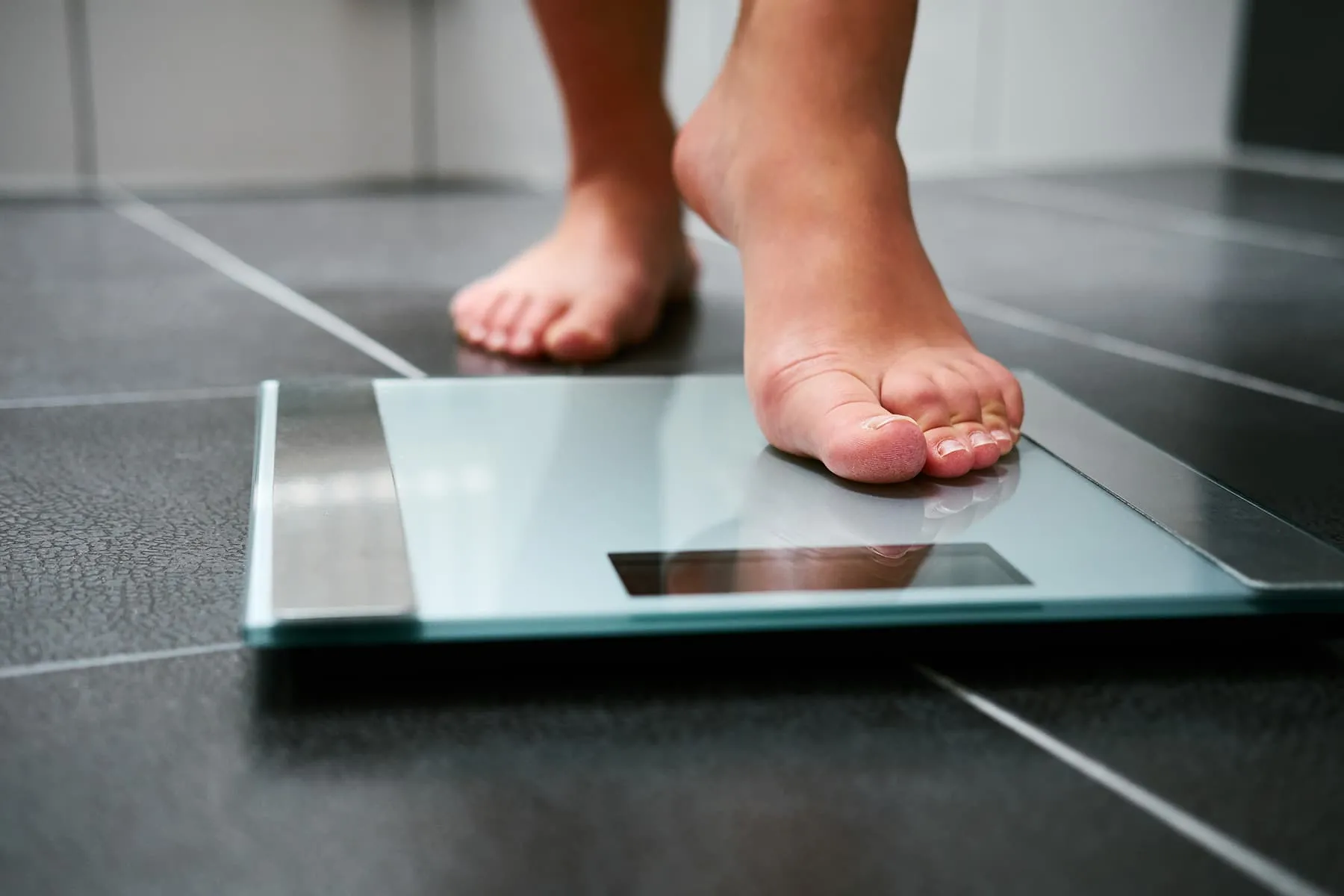
For people with osteoarthritis in weight-bearing joints such as the knees, hips, feet, or spine, weight management can make a meaningful difference. Extra body weight increases mechanical stress on joints and may also contribute to inflammation. Even modest weight loss can improve pain and function for some people with knee or hip OA.
This does not mean you need a dramatic makeover montage. Start with realistic habits: more vegetables, enough protein, fewer sugary drinks, smaller portions of ultra-processed foods, and regular movement. A balanced eating plan is more sustainable than a punishing diet with the emotional warmth of cardboard.
If weight loss is appropriate for you, aim for steady progress. Your joints do not need perfection; they need less daily strain and more support.
5. Build an Anti-Inflammatory Plate
No single food cures osteoarthritis. If a headline promises that one berry, seed, or mysterious mountain root will “erase arthritis overnight,” your skepticism should stretch farther than your hamstrings. Still, nutrition matters. A Mediterranean-style eating pattern may support overall health, weight management, and inflammation control.
Focus on fruits, vegetables, beans, lentils, whole grains, nuts, olive oil, herbs, and fish rich in omega-3 fatty acids, such as salmon, sardines, trout, or tuna. Limit highly processed snacks, excess added sugars, and frequent fried foods. Good meals for osteoarthritis self-care might include oatmeal with berries and walnuts, a grilled salmon salad, lentil soup with vegetables, or chicken with roasted vegetables and brown rice.
Hydration matters too. Dehydration will not directly “dry out” your joints like an old sponge, but it can worsen fatigue and make healthy routines harder to maintain.
6. Protect Your Joints During Everyday Tasks
Joint protection is the art of working smarter so your joints do not file a formal complaint. Small changes at home can reduce strain and pain. Use larger joints when possible: carry grocery bags on your forearm instead of gripping them with your fingers. Slide heavy objects across a counter instead of lifting them. Use two hands for mugs, pans, and laundry baskets.
For hand osteoarthritis, try jar openers, electric can openers, padded grips, and pens with wider barrels. For knee or hip OA, use railings, avoid low chairs when possible, and keep frequently used items at waist height. For spine or hip pain, avoid twisting while lifting. Turn your whole body instead.
These changes may seem small, but they reduce repeated stress. Osteoarthritis often gets cranky not because of one big movement, but because of many tiny insults stacked throughout the day.
7. Choose Supportive Shoes and Helpful Devices
Supportive footwear can make a surprising difference for knee, hip, foot, and back symptoms. Shoes with cushioning, stability, and a comfortable fit may reduce joint impact. Worn-out shoes can quietly sabotage your walking routine, so inspect the soles. If one side looks like it survived a tiny landslide, it may be time for a replacement.
Some people benefit from braces, splints, shoe inserts, canes, walkers, or compression sleeves. A cane, used correctly on the opposite side of the painful hip or knee, can reduce load and improve confidence. A thumb splint may help with hand OA during tasks such as writing, cooking, or gardening.
Assistive devices are not signs of defeat. They are tools. Glasses help eyes. Spatulas help pancakes. Canes help joints. No drama required.
8. Pace Activities and Respect Rest
One common osteoarthritis trap is the “good day overdo.” You wake up feeling better, clean the whole house, reorganize the garage, walk three miles, and then spend the next two days negotiating with your knees. Pacing prevents that boom-and-bust cycle.
Break large tasks into smaller sessions. Alternate heavier chores with lighter ones. Sit while chopping vegetables. Use a timer to remind yourself to change positions. Rest before pain becomes intense, not only after your joint has already sent a strongly worded email.
Rest does not mean total inactivity. Too much sitting can increase stiffness. The goal is balanced rhythm: move, pause, stretch, continue. Your joints appreciate consistency more than heroic bursts.
9. Use Over-the-Counter Pain Relief Carefully
Over-the-counter pain relievers may help manage osteoarthritis symptoms, but they should be used thoughtfully. Topical NSAIDs, such as diclofenac gel, may help some people with knee or hand OA and can have fewer body-wide risks than oral NSAIDs. Oral NSAIDs, such as ibuprofen or naproxen, can reduce pain and inflammation, but they may increase the risk of stomach bleeding, kidney problems, heart attack, or stroke, especially with long-term use or in people with certain health conditions.
Acetaminophen may help some people with pain, but taking too much can harm the liver. Always read labels, avoid doubling up on products with the same ingredient, and ask a doctor or pharmacist if you take blood thinners, have kidney disease, liver disease, ulcers, high blood pressure, heart disease, or are pregnant.
Medication can be part of a plan, but it should not be the whole plan. Movement, strength, sleep, weight management, and joint protection are the foundation.
10. Track Symptoms and Know When to Call a Doctor
A simple symptom journal can help you identify patterns. Record pain levels, swelling, sleep, activity, meals, weather changes, medications, and what made symptoms better or worse. You may discover that your knee dislikes stairs after long car rides, or your hand pain flares after marathon texting sessions. Your phone is useful, but your thumb may want legal representation.
Call a healthcare professional if pain is severe, sudden, or worsening; if a joint becomes hot, red, very swollen, or difficult to move; if you have fever; if you cannot bear weight; or if symptoms interfere with daily life despite home care. Also seek guidance before starting a new exercise program if you have major health conditions or have been inactive for a long time.
Common Mistakes to Avoid With Osteoarthritis Home Care
The first mistake is stopping all movement. Rest during a flare can help, but long-term inactivity usually weakens muscles and increases stiffness. The second mistake is pushing through sharp pain. Mild discomfort during new exercise can happen, but sharp, worsening, or lingering pain is a signal to adjust.
The third mistake is relying only on pills. Pain relievers may help, but osteoarthritis responds best to a layered approach. The fourth mistake is chasing miracle cures. Supplements such as glucosamine and chondroitin have mixed evidence, and benefits may vary. Always discuss supplements with a clinician, especially if you take other medications.
The final mistake is waiting too long to ask for help. A doctor, physical therapist, occupational therapist, dietitian, or pharmacist can help you personalize your plan. Home care is powerful, but it does not mean you must figure everything out alone while your knee provides background percussion.
A Real-Life Home Self-Care Experience: What Osteoarthritis Management Can Feel Like
Imagine a person named Linda, 62, who has knee osteoarthritis. Her mornings used to begin with a familiar routine: wake up, sit at the edge of the bed, sigh dramatically, and wait for her knees to “remember their job.” The first steps to the bathroom felt stiff and uncertain. By afternoon, grocery shopping or standing at the stove could turn her knees achy and swollen. She did not want surgery, did not want to give up walking with her neighbor, and absolutely did not want to be told to “just rest” forever.
Linda started with small changes. Before getting out of bed, she gently bent and straightened her knees ten times. She placed a supportive chair in the kitchen so she could sit while preparing vegetables. She moved heavy pots from a low cabinet to waist level. Her heating pad became part of her morning routine, but she used it safely and briefly. After walks, if her knee felt puffy, she used a cold pack wrapped in a towel.
At first, exercise felt intimidating. The word “workout” sounded like something involving neon shoes and regret. So she began with five minutes of walking after breakfast. Then seven. Then ten. Twice a week, she did chair stands and gentle leg raises while watching television. She learned that the goal was not to impress anyone; the goal was to help her joints feel more supported.
Linda also changed how she shopped. She stopped carrying all grocery bags in one heroic trip from the car. Instead, she used a small rolling cart and made two lighter trips when needed. She bought shoes with better cushioning and retired an old pair that had been loyal but structurally suspicious. She kept a small notebook where she tracked pain, sleep, steps, and swelling. After a month, she noticed a pattern: long sitting made her knees stiff, but short movement breaks helped.
Food changes came gradually. She added protein to breakfast, ate more vegetables at lunch, and swapped sugary drinks for water most days. She still enjoyed dessert, because joy is not the enemy of joint health. Over time, she lost a few pounds, but more importantly, she felt less helpless. Her pain did not disappear, but it became more predictable and manageable.
Linda’s experience shows an important truth: osteoarthritis self-care at home is not one dramatic cure. It is a series of practical decisions repeated with patience. Some days will still be uncomfortable. Some mornings will still start slowly. But a smart routine can turn osteoarthritis from the boss of the house into an annoying roommate with fewer privileges.
Conclusion: Small Daily Choices Can Protect Your Joints
Osteoarthritis can be frustrating, but it is not a command to stop living. The best home care combines movement, strengthening, heat and cold therapy, weight management, joint protection, supportive tools, careful medication use, and good communication with healthcare professionals. Start with one or two habits, practice them consistently, and build from there.
Your joints do not need perfection. They need patience, support, and a plan that fits real life. With the right osteoarthritis self-care strategies, home can become more than a place where symptoms happen. It can become the place where relief begins.
Note: This article is for educational purposes only and does not replace medical advice. Anyone with persistent, severe, sudden, or worsening joint pain should consult a qualified healthcare professional.