
There comes a moment in adulthood when the loudest thing in the room is not the music, the group chat, or someone’s dramatic retelling of a minor inconvenience. It is your own inner voice whispering, “I could be home right now in soft pants.” Aging has a funny way of editing life. Not brutally, exactlymore like a wise, slightly tired film director cutting unnecessary scenes.
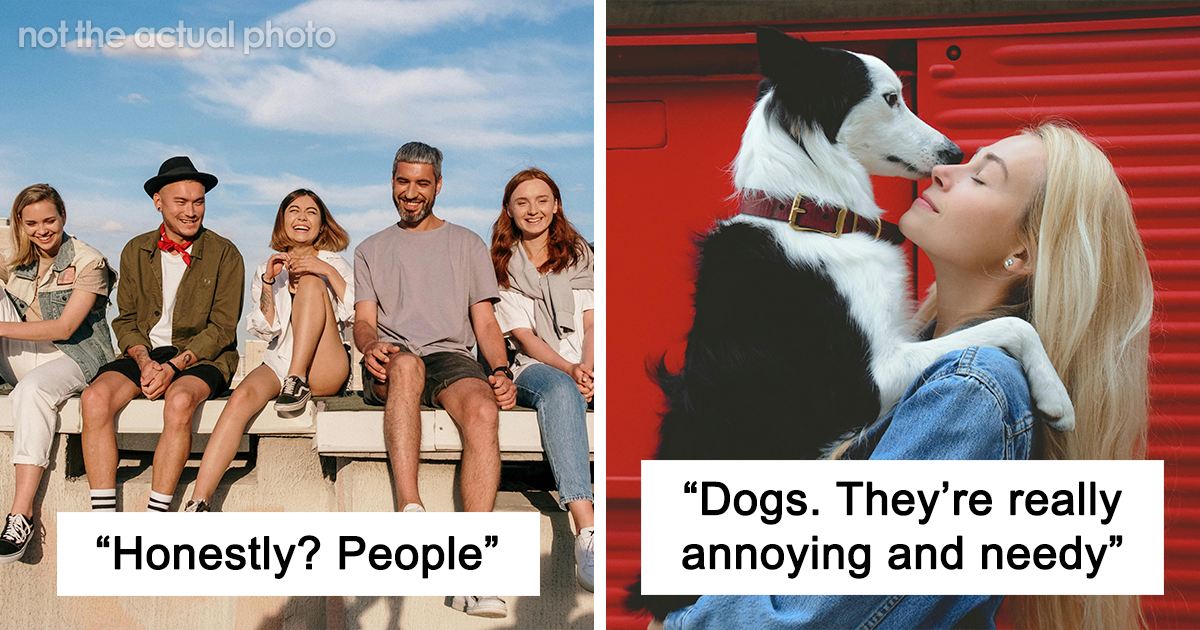
The phrase “Honestly? People” captures a familiar shift: as people get older, they often become less interested in noise, performance, shallow social obligations, and anything that drains more energy than it gives back. This does not mean everyone becomes grumpy, antisocial, or allergic to fun. It means priorities mature. Research on aging, emotional well-being, social connection, health, and lifestyle points to the same big idea: with time, people tend to value peace, meaningful relationships, physical comfort, and autonomy more than approval, status, and constant stimulation.
Below are 40 things people commonly lose interest in as they ageand why that change may actually be a sign of growth, not decline.
Why People Lose Interest in Certain Things With Age
Aging changes more than knees and reading-distance requirements. It changes how people spend attention. Younger adults may chase novelty, social status, romance, professional identity, and the magical illusion that staying out until 2 a.m. has no consequences. Older adults often become more selective. Psychologists sometimes describe this as a shift toward emotionally meaningful goals. In plain English: life gets shorter, patience gets thinner, and nobody wants to waste a Saturday pretending to enjoy a conversation about cryptocurrency at a barbecue.
This selectiveness can be healthy. Strong social connections remain essential for happiness and long-term health, but not every connection deserves equal access to your calendar. Many people do not stop caring about others; they stop auditioning for people who do not care back.
40 Things People Are Losing Interest In As They Age
1. People Who Drain Their Energy
One of the biggest changes is losing interest in emotionally exhausting people. The older you get, the easier it becomes to spot one-sided friendships, chronic complainers, and professional boundary testers. Peace starts looking more attractive than popularity.
2. Drama
Drama can feel exciting when you are young. Later, it feels like unpaid overtime for your nervous system. Many people become less available for gossip wars, vague social media posts, and “Can you believe what she said?” emergencies.
3. Being Liked by Everyone
At some point, people realize universal approval is impossible. Even pizza has critics. Aging often brings the confidence to be polite, decent, and still uninterested in winning every room.
4. Large Friend Groups
Having 25 acquaintances used to sound fun. Now, three dependable friends and one neighbor who brings in your trash cans can feel like luxury. Quality begins to matter much more than quantity.
5. Forced Socializing
Networking mixers, awkward dinners, and “just come, it’ll be fun” events lose their sparkle. People become more honest about whether an event is meaningfulor just small talk in uncomfortable shoes.
6. Party Culture
Late nights, loud music, expensive drinks, and mystery floors lose their charm. A cozy night at home can feel less like missing out and more like winning the adult lottery.
7. FOMO
Fear of missing out often gets replaced by JOMO: the joy of missing out. Aging teaches that not every event is a once-in-a-lifetime opportunity. Some are just loud rooms with parking problems.
8. Celebrity Gossip
Many people stop caring who is dating whom, who wore what, and who unfollowed whom. Life becomes too real to track the emotional weather of strangers with publicists.
9. Social Media Performance
The pressure to post, curate, filter, and appear constantly interesting becomes exhausting. Many older adults still use technology, but the urge to turn life into a highlight reel often fades.
10. Keeping Up With Trends
Fashion cycles, slang, viral dances, and must-have gadgets begin to feel optional. People may still enjoy trends, but fewer are willing to reorganize their identity around them every six weeks.
11. Buying More Stuff
As people age, many become less interested in clutter. The thrill of buying fades when every object seems to ask, “Where are you going to put me?” Simplicity starts to feel like freedom.
12. Status Symbols
Designer labels, flashy cars, and impressive job titles may matter less over time. Comfort, reliability, and financial peace often become far more attractive than looking successful to people at stoplights.
13. Climbing the Corporate Ladder
Career ambition does not disappear, but the “hustle until your soul files a complaint” mindset often loses appeal. Many people want meaningful work, fair pay, and enough energy left for an actual life.
14. Competing With Everyone
Constant comparison gets old. Someone will always earn more, travel farther, or own a suspiciously clean kitchen. Aging can make personal progress more satisfying than scoreboard living.
15. Working Too Hard for Too Little
People become less tolerant of jobs that demand loyalty while offering burnout as a benefits package. Time starts to feel more valuable than extra praise from someone who still has not approved your vacation request.
16. Weekend Overbooking
A packed weekend once felt exciting. Later, it feels like a scheduling crime. Many adults start protecting downtime because errands, rest, and quiet mornings are not lazinessthey are maintenance.
17. Big Crowds
Crowds can be fun, but they can also mean lines, noise, germs, and someone standing too close with nachos. Aging often increases appreciation for space, calm, and accessible exits.
18. Theme Parks and Long Lines
Roller coasters may still be thrilling, but standing in the sun for an hour to be shaken like a snow globe loses appeal. Comfort becomes part of the entertainment equation.
19. Cheap Travel at Any Cost
Budget trips are great until the hotel mattress feels like medieval training equipment. Many people become more willing to pay for convenience, direct flights, quiet rooms, and bathrooms that do not require courage.
20. Travel Itself
Some people still love travel forever. Others lose interest in packing, airports, delays, and sleeping somewhere unfamiliar. Home becomes less boring when it finally feels like sanctuary.
21. Drinking
Hangovers become less funny when they require a two-day recovery plan and a formal apology to your liver. More adults are choosing moderation, alcohol-free options, or simply feeling good in the morning.
22. Smoking and Other Expensive Habits
Habits that once seemed social or relaxing may start to feel like costly distractions. With age, health consequences become less theoretical and more like calendar reminders from the body.
23. Staying Up Late
Sleep becomes precious. Research consistently links quality sleep with better health, mood, and functioning, so the adult bedtime glow-up is real. Nothing good happens after midnight except laundry anxiety.
24. Noise
Loud restaurants, blasting speakers, constant notifications, and background chaos become harder to tolerate. Many people begin craving quiet not because they are boring, but because their brain deserves a spa day.
25. Arguing Online
Internet debates can devour hours and change no minds. Aging often teaches that not every wrong opinion requires your unpaid legal defense. The block button becomes self-care.
26. The News Cycle
Staying informed matters, but doom-scrolling does not equal civic responsibility. Many people start limiting news intake to protect mental health while still paying attention to what matters.
27. Endless Entertainment Choices
Streaming platforms, podcasts, short videos, games, newsletters, and apps can become overwhelming. Some adults lose interest in consuming everything and return to one good book, one show, or blessed silence.
28. TV Shows That Require Homework
Complicated universes, spin-offs, timelines, and fan theories can be fununtil watching a show feels like preparing for a graduate seminar. Sometimes people just want a story, not a syllabus.
29. Video Games That Feel Like Jobs
Many longtime gamers still enjoy playing, but grinding for hours, chasing rankings, or managing digital chores can lose appeal. Relaxation becomes more important than virtual productivity.
30. New Hobbies for the Sake of Novelty
Trying new things is healthy, but aging often reveals which hobbies genuinely nourish you. People may stop collecting hobbies like achievement badges and start deepening the ones they already love.
31. Impressing Strangers
Whether it is clothing, opinions, vacations, or home decor, the desire to impress random people weakens. The real flex becomes liking your own life when nobody is watching.
32. Pretending to Enjoy Things
Age can make honesty easier. People become less willing to fake enthusiasm for activities, restaurants, movies, or social rituals that do nothing for them.
33. Toxic Positivity
Older adults often become less interested in pretending everything is fine. They may value gratitude, but they also appreciate realism. “Good vibes only” is less useful when the water heater breaks.
34. Perfect Appearance
Many people become less obsessed with looking flawless. Comfort, health, and authenticity start beating impossible beauty standards. Matching socks may still be nice, but spiritual peace ranks higher.
35. Other People’s Opinions About Their Life Choices
Marriage, kids, career moves, hobbies, clothing, retirement planseveryone has opinions. Aging often brings the liberating discovery that unsolicited advice can be heard, thanked, and ignored.
36. Keeping Every Relationship Alive
Some friendships are seasonal. Some belonged to old versions of you. Many people lose interest in forcing connections that survive only on nostalgia and guilt.
37. The Past
Memories matter, but living there gets heavy. People may become less interested in replaying old stories, grudges, and identities. The past becomes a reference book, not a permanent address.
38. Being Busy as a Personality
Busyness once signaled importance. Now it can signal poor boundaries. Many adults stop glorifying exhaustion and start admiring people who have time to cook dinner slowly.
39. Uncomfortable Homes
As people age, home comfort matters more. Good lighting, supportive chairs, safe walkways, quiet rooms, and practical organization become more appealing than purely decorative choices.
40. Anything That Steals Peace
The biggest thing people lose interest in is unnecessary disturbance. That includes drama, clutter, comparison, bad sleep, toxic people, and commitments made by a younger version of themselves with too much optimism.
What This Shift Says About Aging
Losing interest is not always a sad sign. Sometimes it is wisdom wearing comfortable shoes. As people age, they often become more aware of limited time, limited energy, and the real cost of pretending. A younger person may ask, “Will this make me look interesting?” An older person may ask, “Will this make my life better?” That question changes everything.
Healthy aging is not about withdrawing from life. It is about choosing life more carefully. Strong relationships, physical activity, meaningful routines, sleep, purpose, and emotional balance remain essential. The difference is that older adults may become better at identifying what supports those things and what quietly steals them.
Experiences Related to “Honestly? People”: The Quiet Freedom of Caring Less
One of the most relatable experiences of getting older is realizing that peace has a sound. It sounds like a phone left in another room. It sounds like rain on a Saturday when you have no plans. It sounds like saying, “I’m not going,” and then not constructing a courtroom-level defense of your decision.
Many people describe this shift as a slow awakening. In their twenties, they may have said yes to everything: birthday dinners they could not afford, weddings of people they barely knew, group trips with complicated spreadsheets, office happy hours where the main activity was pretending not to check the time. They wanted to belong. They wanted to be chosen. They wanted proof that life was happening.
Then age arrives, not all at once, but in small practical revelations. You discover that six hours of sleep is not a personality trait. You realize a friendship that always leaves you anxious is not “complicated”it is draining. You notice that the people who truly love you do not require constant performance. They can sit with you in a kitchen, eat toast, and somehow that counts as a wonderful evening.
There is also a physical side to this change. The body becomes more honest. It tells you when food does not agree with you, when stress has overstayed its welcome, when a chair was designed by someone with unresolved anger. You begin making decisions not just with ambition or excitement, but with your back, your sleep, your digestion, and your calendar. This is not defeat. This is data.
Another common experience is the shrinking circle. At first, it may feel strange to lose touch with people. Then it becomes peaceful. You stop chasing friends who never initiate. You stop explaining yourself to people committed to misunderstanding you. You stop treating every faded relationship like a personal failure. Some connections were real, but temporary. Some were useful lessons. Some were just proximity with snacks.
Aging can also change how people spend money. Many stop wanting random purchases and start wanting convenience, health, and time. A younger person may buy a trendy jacket for attention. An older person may buy excellent pillows and feel like a financial genius. The thrill changes. So does the definition of luxury. Luxury becomes a quiet hotel room, a reliable doctor, a flexible schedule, a peaceful home, a friend who listens, and a Sunday with nothing urgent in it.
Perhaps the funniest part is that caring less often makes people kinder, not colder. When you stop needing everyone’s approval, you can show up more honestly. When you stop competing, you can celebrate others without secretly turning life into a spreadsheet. When you stop chasing every trend, you have more attention for the things that are actually yours.
So, “Honestly? People” is not really about hating humanity. It is about refusing emotional junk mail. It is about understanding that not every invitation is a blessing, not every opinion is important, and not every shiny thing deserves a place in your life. Aging does not necessarily make people less interested in living. It often makes them more interested in living well.
Note: This article is original, research-informed content synthesized from reputable U.S. sources on aging, social connection, emotional well-being, health, lifestyle behavior, and adult priorities. No source links or external citation markers have been inserted into the publishable HTML.