
Spaghetti is one of the easiest dinners in the worlduntil it suddenly turns into one long, tragic noodle sweater. One minute you are dreaming of a glossy bowl of pasta. The next, you are wrestling a gummy clump that looks like it lost a fight with the colander. The good news is that sticky spaghetti is usually not a mystery. It is a technique problem, and technique problems are wonderfully fixable.
If you have ever asked why spaghetti sticks together, the answer usually comes down to starch, timing, and a few habits that deserve retirement. A small pot, water that is not really boiling, not enough stirring in the first minute, letting drained pasta sit too long, or giving the noodles an oil bath right before saucethose are the usual suspects. Luckily, the cure is not fancy. You do not need a culinary degree, imported moon-water, or a dramatic Italian grandmother yelling in the background. You just need a better system.
This guide breaks down exactly how to keep spaghetti from sticking in 10 simple steps. Along the way, you will also learn when oil helps, when it absolutely does not, why pasta water matters, and how to make sauce cling to every strand instead of sliding sadly to the bottom of the bowl. Let us rescue your spaghetti from its clingy era.
Why Spaghetti Sticks in the First Place
Spaghetti releases starch as it cooks. In the first minute or two, that starch acts like glue, especially if the noodles are crowded, not fully submerged, or left alone too long. Once the strands move freely in hot water, they are much less likely to bond together. That is why the earliest moments of cooking matter more than most people think. Sticky spaghetti is not usually caused by a lack of oil. It is usually caused by starch plus neglect. Harsh, but fair.
How to Keep Spaghetti from Sticking: 10 Steps
Step 1: Start with a pot that gives the noodles room to move
If you cram a pound of spaghetti into a tiny saucepan, you are practically asking the noodles to form a support group. Use a large pot and enough water so the pasta has space to circulate. A roomy pot helps dilute the starch released during cooking and keeps the strands from crowding each other. For most dried spaghetti, a generous pot with about 4 to 6 quarts of water per pound is a solid rule of thumb.
Can spaghetti cook in less water? Yes, technically. But if your goal is low-stress, no-clump pasta, more room is your friend. This is especially true for beginners, weeknight cooking, and anyone who would rather eat dinner than babysit a pot like it is a suspicious toddler.
Step 2: Wait for a true rolling boil
A few lazy bubbles do not count. The water should be actively boiling before the spaghetti goes in. If you add pasta too early, the noodles sit in not-quite-hot-enough water for too long, absorb water unevenly, and get gummy before they have a chance to cook properly. That sticky texture starts early and only gets worse from there.
A rolling boil also helps keep the spaghetti in motion once it enters the pot. Think of it as nature’s gentle stirring assistant. Not a replacement for actual stirring, but still useful.
Step 3: Salt the water like you mean it
Salt does more than make pasta taste less like disappointment. Properly salted water seasons the spaghetti from the inside out and helps you build a flavorful final dish without forcing the sauce to do all the heavy lifting. Well-seasoned pasta simply tastes better, and better pasta is easier to pair with sauce without overworking the dish.
A generous amount is the goal. Many cooks aim for water that tastes pleasantly briny, not like a salt lick, but definitely not bland. If you usually add a sad little pinch and call it a day, this is your sign to be bolder.
Step 4: Add the spaghetti gradually and do not break it
There is no need to snap spaghetti in half unless you enjoy upsetting traditionalists and confusing your fork. Drop the pasta into the boiling water gradually. As the bottom ends soften, the rest of the strands will bend and slide into the pot on their own. This takes less than a minute.
Adding the spaghetti gradually helps maintain the boil and gives you a better chance to separate the strands right away. Broken spaghetti is not automatically sticky spaghetti, but long noodles are easier to twirl, easier to sauce beautifully, and less likely to cook unevenly when handled properly.
Step 5: Stir immediately, then stir again during the first two minutes
This is the big one. If you remember only one step from this entire article, let it be this: stir early. The first minute or two is when the surface starch on spaghetti is at its stickiest. A quick stir right after adding the pasta helps separate the strands before they glue themselves together. A second stir shortly after is even better.
You do not need to stand there twirling noodles like you are auditioning for a pasta commercial. Just give the pot real attention at the beginning. After that, stir once or twice more during cooking. Most spaghetti disasters are born in those first moments when people wander off to check their phone, answer a text, or stare into the void.
Step 6: Keep the pasta cooking uncovered and do not overcook it
Once the spaghetti is in the pot, let it cook uncovered according to the package directions, using those directions as a guide rather than a sacred text. Start tasting a minute or two before the listed time. You want al dente texture: tender, but still pleasantly firm.
Overcooked spaghetti gets soft, sheds more starch, and becomes far more likely to clump together after draining. Mushy noodles are clingy noodles. Pasta should not feel like wallpaper paste with ambition. Pull it when it still has some bite.
Step 7: Skip the oil in the boiling water
This is one of the most stubborn pasta myths out there. Adding oil to the pot does not solve the real sticking problem during cooking. Oil floats on top of water, which means it is not out there doing superhero work around the noodles. What it can do is coat the pasta later, making it harder for sauce to cling properly.
If your goal is beautifully sauced spaghetti, oil in the cooking water is more saboteur than savior. The smarter move is simple: use enough water, boil confidently, and stir early. That is the real fix.
Step 8: Reserve pasta water before draining
Before you drain the spaghetti, scoop out a cup or two of pasta water. This cloudy liquid is full of starch, which makes it extremely useful for sauce. It helps loosen thick sauce, encourages emulsification, and helps the sauce coat the noodles instead of slipping off like a raincoat on a greased slide.
Reserved pasta water is one of the easiest upgrades in home cooking. It can turn a disconnected bowl of noodles and sauce into a silky, cohesive dish. It also gives you a recovery tool if your sauce looks too thick or your pasta starts to tighten up before serving.
Step 9: Drain the spaghetti and sauce it immediately
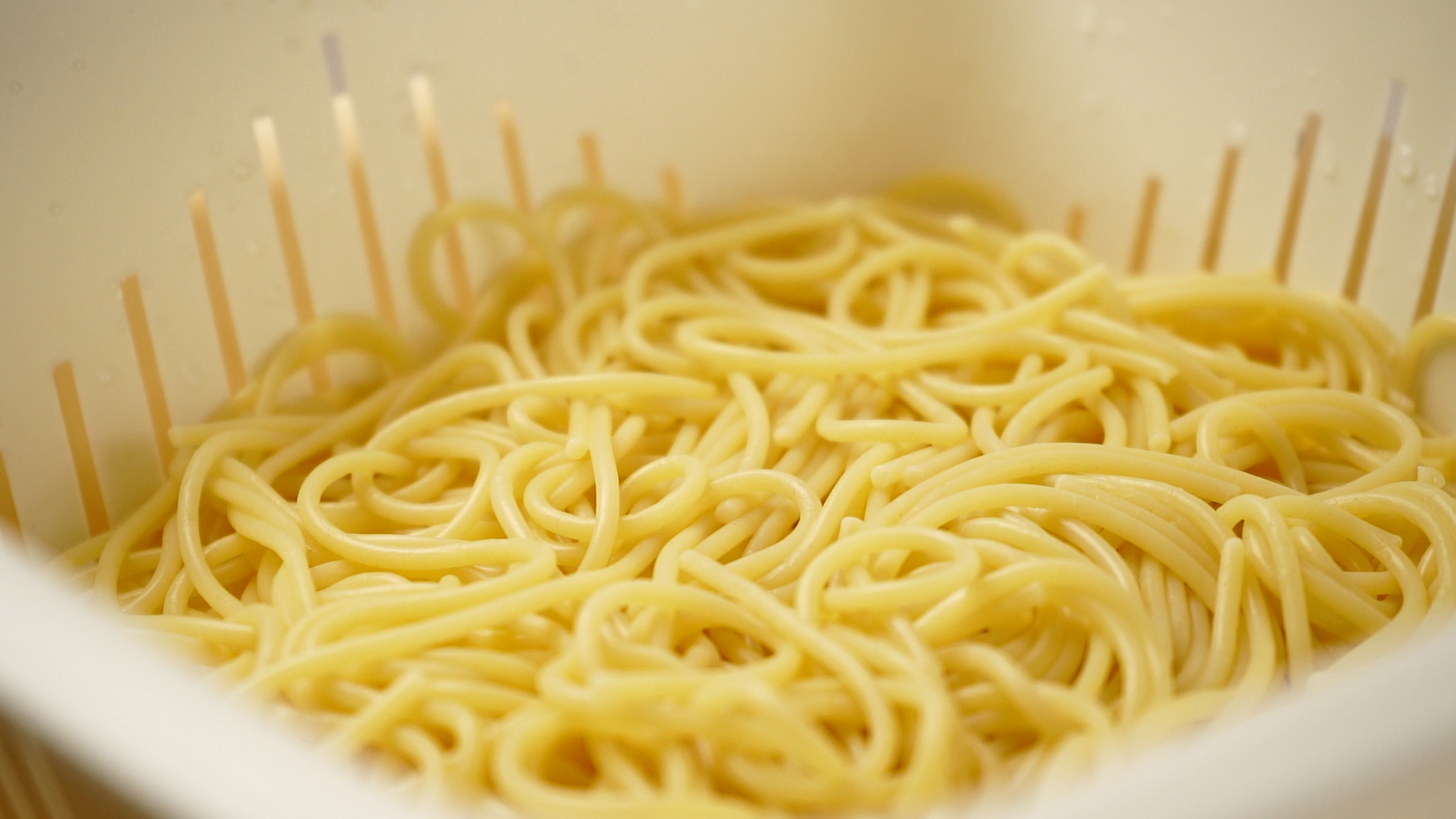
Drained spaghetti loves to stick if it sits around naked and confused in a colander. Timing matters. Ideally, your sauce should be ready when the pasta is ready, or very close to it. Drain the spaghetti and move it straight into the sauce, then toss everything together over gentle heat.
This step does two important things. First, it keeps the noodles from clumping while they cool. Second, it helps the pasta absorb flavor. A minute or two in the sauce, plus a splash of pasta water if needed, creates the kind of glossy, restaurant-style finish people usually assume requires magic. It does not. It just requires not taking a five-minute detour after draining.
Step 10: Do not rinse the pasta unless you have a very specific reason
Rinsing spaghetti after cooking washes away the starch that helps sauce cling to the noodles. If you are serving it hot with sauce, rinsing is usually the wrong move. It cools the pasta down, dulls the surface, and makes it harder for the sauce to bond with the strands.
The main exception is when you are making a cold pasta dish or stopping the cooking for a special preparation. Otherwise, skip the rinse. And if you need to hold plain spaghetti for later, use just a tiny bit of oil or butter only when you are storing it unsauced and not serving it right away. That is the rare moment when a little fat can help prevent clumping without ruining dinner.
Common Mistakes That Make Spaghetti Sticky
Even good cooks run into noodle trouble when they rush. The most common mistakes are using too little water, adding pasta before the boil is strong, forgetting to stir at the beginning, overcooking the noodles, and letting them sit too long after draining. Another classic mistake is trying to solve everything with oil. Oil has its uses, but it is not a substitute for good timing and movement.
Another sneaky issue is having the sauce nowhere near ready. If the pasta finishes first and waits in the colander, those strands start bonding almost immediately. Hot starch plus waiting equals spaghetti glue. Plan your sauce and pasta so they cross the finish line together like a very delicious relay race.
Best Practices for Sauce That Actually Sticks
If you want spaghetti that feels restaurant-worthy, do not just pour sauce on top and hope for emotional connection. Finish the pasta in the sauce. Add a splash of reserved pasta water and toss until the sauce lightly coats every strand. This is especially helpful for tomato sauce, garlic-and-oil sauces, butter sauces, and cheese-based sauces.
The starch in the reserved water helps bind the sauce and pasta together, while the final tossing step ensures the spaghetti is coated instead of merely decorated. In other words, the goal is a relationship, not a long-distance arrangement.
Extra Kitchen Experiences: What Home Cooks Learn the Hard Way About Sticky Spaghetti
Most people do not learn how to keep spaghetti from sticking by reading a dramatic pasta manifesto. They learn it the old-fashioned way: by messing it up at least once. Sometimes it happens during college, when the pot is too small, the stove is too weak, and the only available spoon is somehow in the sink under three cereal bowls and a coffee mug. Other times it happens during adulthood, which is somehow even ruder because by then you thought you had life under control.
One of the most common experiences is the “I’ll just leave it for a second” mistake. You add the spaghetti, step away to grate cheese, slice parsley, answer a message, or convince yourself you have enough time to unload half the dishwasher. You return to find the noodles fused into a soft, starchy bundle that looks less like dinner and more like a craft project. The lesson is unforgettable: spaghetti is low-maintenance, but it is not no-maintenance.
Then there is the oil myth, passed down like a kitchen ghost story. Plenty of home cooks remember being told to pour oil into the pot so the pasta would not stick. It sounds logical, which is probably why it refuses to die. But the real-life experience usually goes like this: the noodles do separate a bit, then the sauce slips around them like it just met them at a networking event and is not ready for commitment. The pasta looks shiny, but the flavor feels oddly disconnected. That is when many cooks realize glossy is not the same thing as good.
Another familiar experience is the colander trap. The spaghetti is drained beautifully, but the sauce is not done yet. Maybe the garlic needed another minute. Maybe the meat sauce is still reducing. Maybe somebody asked a question that required a full explanation involving the Wi-Fi password and where the good plates went. Five minutes later, the pasta has cooled, tightened, and formed little sticky alliances. At that point, dinner is still salvageable, but now it takes extra pasta water, extra tossing, and a little muttering under your breath.
Many home cooks also discover that sticky spaghetti becomes less of a problem once they stop treating pasta and sauce as separate departments. When the sauce is ready first, when the pasta water is reserved, and when the noodles go straight into the pan, everything gets easier. The strands stay separate, the sauce clings better, and the whole dish feels more intentional. It is one of those small kitchen habits that makes you feel weirdly competent, like someone who owns matching containers and remembers to thaw things in advance.
In the end, the best experience is the one where none of the drama happens. The water boils, the pasta gets stirred early, the noodles come out al dente, and the sauce wraps itself around every strand like it was meant to be there. No clumps. No panic. No emergency fork surgery. Just a bowl of spaghetti that behaves itself and tastes like you knew exactly what you were doing all along.
Conclusion
If you want to keep spaghetti from sticking, the formula is simple: use enough water, wait for a real boil, salt generously, stir early, skip the oil in the pot, cook to al dente, reserve pasta water, and get the noodles into the sauce quickly. That is it. No superstition required. Once you understand that starch and timing are the real story, pasta night becomes a lot less chaotic.
The best part is that these spaghetti tips are not complicated. They are small, repeatable habits. Practice them a couple of times and you will stop producing noodle bricks and start making spaghetti that is glossy, separate, and ready to carry sauce like a champion. Your fork will thank you. Your sauce will thank you. Even your colander might look a little less disappointed.