
Important note: This article is for educational purposes only and is not a medical diagnosis. A broken knuckle can look like a bad bruise, a jammed finger, or a “walk it off” injury until the pain starts acting like it owns the place. If your hand is severely swollen, numb, cold, discolored, visibly deformed, bleeding, or too painful to use, seek urgent medical care.
What Does a “Broken Knuckle” Actually Mean?
When people say they have a broken knuckle, they usually mean a fracture near the metacarpophalangeal jointthe joint where the finger meets the hand. The knuckle itself is part of a small but hardworking neighborhood of bones, tendons, ligaments, nerves, and blood vessels. It helps you grip a pencil, open a jar, throw a ball, type a text, or dramatically point at the last slice of pizza.
Most “broken knuckle” injuries involve the metacarpal bones, which run through the palm and connect to the fingers. A well-known example is a boxer’s fracture, usually involving the fifth metacarpal near the pinky knuckle. Despite the name, you do not need to be a boxer to get one. A fall, sports injury, crush injury, or direct blow to the hand can do the job with zero championship belt involved.
The tricky part is that not every broken knuckle looks dramatic. Some fractures cause an obvious deformity. Others cause swelling and soreness that feel similar to a sprain. That is why the most reliable way to know is an exam and, often, an X-ray.
Common Causes of a Broken Knuckle
A knuckle fracture usually happens when force travels through the hand faster than the bones can handle. Common causes include falling onto an outstretched hand, landing awkwardly during sports, getting the hand caught or crushed, hitting a hard object, or twisting the finger during a fall or collision.
Sports such as basketball, football, martial arts, hockey, and skateboarding can raise the risk because hands are constantly bracing, grabbing, blocking, and absorbing impact. Workplace injuries can also cause hand fractures, especially when tools, machinery, or heavy objects are involved.
One special warning: if there is a cut over the knuckle after contact with another person’s teeth, treat it seriously. Even a small-looking wound can introduce bacteria near the joint. That kind of injury deserves prompt medical attention because hand infections can become stubborn little villains.
Broken Knuckle Symptoms: Signs You Should Not Ignore
1. Immediate Pain After Impact
Pain is usually the first clue. A broken knuckle often hurts sharply right after the injury, especially when you try to make a fist, grip something, or move the affected finger. The pain may be centered around one knuckle or spread through the hand.
Some people describe the pain as deep, throbbing, or “wrong” in a way that feels different from a simple bump. Pain that gets worse with movement, pressure, squeezing, or gripping is a strong reason to get the hand checked.
2. Swelling Around the Knuckle
Swelling can appear quickly after a fracture. The injured knuckle may look puffy, tight, or larger than the same knuckle on the other hand. In some cases, swelling spreads into the fingers or across the back of the hand.
Swelling alone does not prove the bone is broken, but swelling plus pain after a clear injury should raise suspicion. Your hand is not supposed to inflate like a tiny balloon animal.
3. Bruising or Skin Color Changes
Bruising may show up as purple, blue, red, or yellow discoloration around the knuckle, palm, or finger. It can appear immediately or develop over the next day or two. Bruising happens because small blood vessels are damaged during the injury.
However, not every fracture causes dramatic bruising. A lack of bruising does not guarantee you are fine. Bones do not always send a colorful announcement.
4. A Sunken or Flattened Knuckle
A classic sign of a boxer’s fracture is a knuckle that looks lower, flattened, or “missing” compared with the others. The pinky knuckle is especially famous for this disappearing act. If one knuckle suddenly looks sunken after an injury, the underlying metacarpal may be fractured or shifted.
Compare both hands side by side. If the injured hand has a knuckle that no longer lines up with the others, do not ignore it.
5. Crooked Finger or Rotational Deformity
One of the most important signs is finger rotation. Try gently resting your hand flat or slowly making a relaxed fist. If one finger crosses over another, points in a strange direction, or no longer lines up normally, that can suggest a fracture with rotation.
Rotation matters because even a small twist in the bone can affect grip, finger motion, and long-term hand function. This is not the time to say, “It gives my hand character.” It is the time to get evaluated.
6. Trouble Making a Fist
A broken knuckle can make it hard or impossible to fully bend the affected finger. You may feel stiffness, weakness, sharp pain, or a catching sensation when trying to close your hand.
That said, being able to move your fingers does not rule out a fracture. Many people can still wiggle or bend a finger with a broken metacarpal. Movement is reassuring, but it is not a magical X-ray machine.
7. Tenderness When Pressing the Bone
Localized tenderness is another clue. If touching one specific spot near the knuckle causes sharp pain, especially after a fall or impact, the bone may be injured. General soreness can happen with bruises and sprains, but point tenderness over bone deserves attention.
8. Numbness, Tingling, Coldness, or Pale/Blue Skin
Numbness, tingling, cold fingers, or skin that turns pale or bluish can suggest nerve or blood flow problems. These are red flags. Get urgent medical care if these symptoms appear, especially if swelling is increasing or pain feels severe.
9. Open Wound or Bone-Deep Cut
If the skin is broken near the injury, the fracture may be open or contaminated. Open fractures and bite-related knuckle wounds need prompt care because infection risk is higher. Do not try to push anything back into place. Cover the area with a clean dressing and seek medical help.
Broken Knuckle vs. Jammed Finger vs. Sprain
A jammed finger or sprained knuckle can also cause pain, swelling, and stiffness. That is why telling the difference at home is difficult. Still, certain features make a fracture more likely.
| Symptom or Sign | More Suggestive of a Broken Knuckle | More Suggestive of a Sprain or Jam |
|---|---|---|
| Shape of the hand | Sunken knuckle, crooked finger, visible deformity | Usually normal alignment |
| Pain location | Sharp tenderness directly over bone | Pain around ligaments or joint |
| Finger alignment | Finger crosses over or rotates when making a fist | Finger usually tracks normally |
| Function | Grip may be weak or very painful | Motion may be sore but often improves steadily |
| Certainty | Needs imaging to confirm | May still need imaging if symptoms are significant |
The big takeaway: if pain, swelling, deformity, or loss of function continues after a hand injury, do not play detective for three weeks with a bag of frozen peas. Get it checked.
What to Do Right After a Knuckle Injury
First, stop using the injured hand. Continuing to grip, punch, lift, or “test it” can make pain worse and may worsen the injury. Remove rings immediately if you can do so easily, because swelling can make jewelry tight very quickly.
Apply ice wrapped in a cloth for short periods, elevate the hand above heart level, and keep the fingers supported in a comfortable position. Avoid forcing the finger straight, cracking the knuckle, massaging aggressively, or trying to “pop it back.” Hands are precision tools, not stubborn cabinet drawers.
For pain, some people use over-the-counter medicine according to the label, but follow your healthcare provider’s guidance, especially if you have allergies, take other medications, or have medical conditions. If the pain is severe or the hand looks abnormal, skip the home experiment phase and seek care.
When Should You See a Doctor?
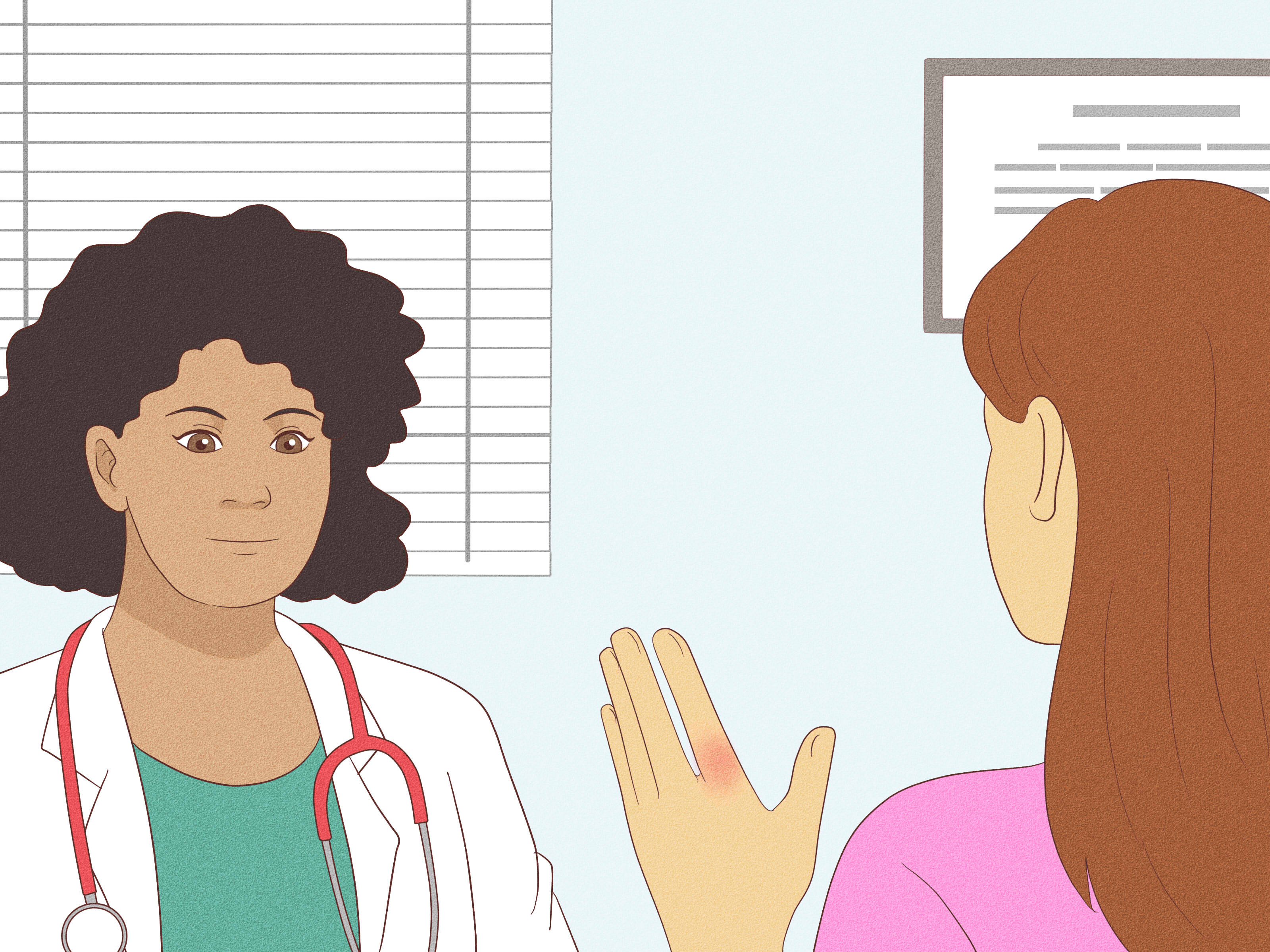
You should seek medical care right away if you notice obvious deformity, severe swelling, intense pain, numbness, tingling, blue or pale fingers, an open wound, a cut over the knuckle, inability to move the finger, or a finger that crosses over another when you make a fist.
You should also get checked if pain and swelling do not improve within a day or two, or if you cannot use the hand normally. Delayed diagnosis can lead to poor healing, stiffness, reduced grip strength, and long-term loss of motion. In plain English: ignoring a broken hand can turn a fixable problem into an annoying roommate that never leaves.
How Doctors Diagnose a Broken Knuckle
A clinician will usually ask how the injury happened, where it hurts, whether you heard or felt a crack, and whether you have numbness or trouble moving the fingers. They may compare both hands, check circulation, test sensation, and look for wounds.
X-rays are commonly used to confirm whether a bone is broken and to see the fracture’s location, alignment, and severity. Sometimes additional imaging may be needed if symptoms are strong but the first X-ray does not clearly show the problem.
The exam is important because treatment depends on more than “broken or not broken.” Doctors also look at whether the bone is displaced, rotated, shortened, unstable, open, or near a joint surface. Those details help decide whether the hand needs a splint, cast, reduction, surgery, therapy, or close follow-up.
Treatment Options for a Broken Knuckle
Splinting or Casting
Many stable knuckle fractures can heal with immobilization. A splint or cast keeps the bones from moving while they heal. The exact position and duration depend on which bone is broken and how the fracture lines up.
Reduction
If the bone pieces are not aligned well, a clinician may need to guide them back into a better position. This is called reduction. It may be done before splinting or casting, depending on the injury.
Surgery
Surgery may be recommended for certain open fractures, unstable fractures, severe displacement, significant rotation, multiple breaks, or injuries involving the joint surface. Pins, plates, screws, or other fixation methods may be used to hold the bone in position while it heals.
Hand Therapy and Rehabilitation
After immobilization, stiffness is common. Hand therapy or guided exercises may help restore motion, strength, coordination, and grip. Do not rush back into sports, lifting, or heavy use until your clinician clears you. The hand may look small, but it has a very long memory when mistreated.
How Long Does a Broken Knuckle Take to Heal?
Healing time varies by fracture type, age, overall health, treatment method, and how well the bone stays aligned. Many uncomplicated hand fractures take several weeks to heal enough for basic use, while more complex injuries can take longer. Stiffness, tenderness, or reduced grip strength may continue for a while after the bone is stable.
Follow-up appointments matter. They allow your provider to check alignment, healing progress, and finger motion. Skipping follow-up because “it feels mostly fine” is like quitting a movie five minutes before the plot twist.
Can You Prevent a Broken Knuckle?
You cannot prevent every accident, but you can reduce risk. Wear protective gear during sports, use proper hand positioning when falling or bracing, avoid hitting hard objects, and use safety equipment at work. If you play contact sports, learning proper technique and strengthening the hands, wrists, and forearms may help protect the area.
For kids, teens, and athletes, it is especially important not to hide hand pain just to keep playing. A small fracture that gets ignored can become a bigger problem, and no game-winning moment is worth a hand that refuses to cooperate later.
Real-World Experience: What People Often Notice With a Broken Knuckle
In real-life situations, many broken knuckle stories begin with the same sentence: “I thought it was just bruised.” The hand gets hit, bent, crushed, or slammed, and at first the person can still move the fingers a little. That small movement creates false confidence. A few hours later, the swelling arrives like it has a reservation, the knuckle looks flatter, and gripping a doorknob suddenly feels like a terrible life choice.
One common experience is the “comparison test.” People look at both hands side by side and notice one knuckle no longer stands up like the others. The pinky knuckle may look tucked down, especially after a boxer’s fracture. Sometimes the finger seems slightly shorter or angled. This visual change is often what finally convinces someone to go to urgent care.
Another common experience is pain during simple tasks. Holding a phone, turning a key, opening a backpack, carrying a grocery bag, or pressing a soap pump can feel unexpectedly difficult. The injury may not scream every second, but it complains loudly when the hand has to work. That patternmanageable at rest, sharp with useis a reason to take the injury seriously.
People also report stiffness that gets worse after swelling sets in. At first, the finger may bend halfway. Later, it may feel tight, blocked, or weak. The hand may feel clumsy, as if the fingers forgot the group project. This does not automatically mean the fracture is severe, but it does mean the hand needs evaluation, especially if motion is not improving.
There is also the emotional side. Many people feel embarrassed about how the injury happened, especially if it involved hitting something or making a split-second mistake. But doctors have seen it all. The priority is not judging the backstory; it is protecting hand function. Whether the injury came from basketball, a fall, a door, a workplace accident, or an unfortunate meeting between fist and wall, the hand deserves proper care.
The best lesson from these experiences is simple: do not rely on pain tolerance as a diagnostic tool. Some people with fractures can still move their fingers. Some do not bruise much. Some only notice the problem when they try to grip. If the knuckle is swollen, painful, oddly shaped, numb, weak, or not lining up correctly, treat it as potentially broken until a healthcare professional says otherwise.
Frequently Asked Questions
Can a broken knuckle heal on its own?
Some minor fractures can heal without surgery, but they still need proper diagnosis and support. A bone that heals in the wrong position can cause stiffness, weakness, pain, or finger rotation.
Can you move your finger if your knuckle is broken?
Yes, sometimes. Movement does not rule out a fracture. If pain, swelling, deformity, or weakness is present after an injury, get the hand checked.
Is a sunken knuckle always broken?
Not always, but a newly sunken or flattened knuckle after trauma is a strong warning sign of a possible metacarpal fracture, especially near the pinky side of the hand.
Should I sleep with my injured hand elevated?
Elevation may help reduce swelling in the first stage after injury. Keep the hand supported and follow medical instructions if you have a splint or cast.
What happens if I ignore a broken knuckle?
Ignoring a broken knuckle can lead to poor healing, reduced grip strength, stiffness, chronic pain, or finger alignment problems. Early care gives the hand the best chance to heal correctly.
Conclusion
Knowing how to tell if your knuckle is broken comes down to watching for the right warning signs: sharp pain after impact, swelling, bruising, a flattened knuckle, finger rotation, weak grip, numbness, or an open wound. A broken knuckle is not always obvious, and being able to move your finger does not guarantee everything is fine.
The safest move is to treat a suspicious hand injury seriously. Rest it, ice it, elevate it, avoid forcing movement, and seek medical care if symptoms are significant or persistent. Your hands do too many important jobs to gamble with them. After all, opening snacks, typing messages, and giving a confident thumbs-up are all easier when your knuckles are actually on speaking terms with your bones.