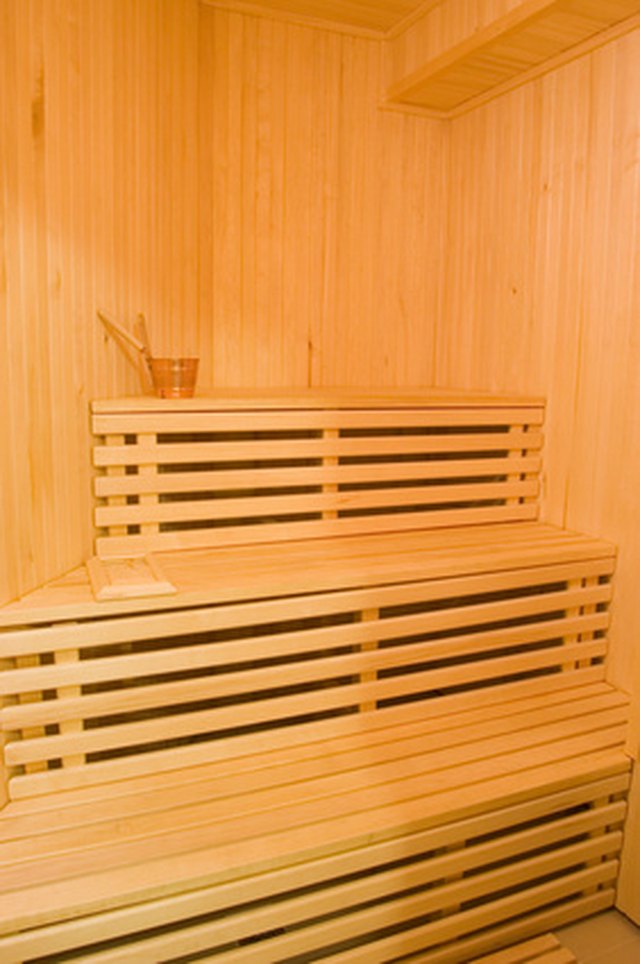

A great sauna should smell like warm cedar, clean towels, and a tiny vacation you did not have to book through an airline. A bad-smelling sauna, on the other hand, can smell like wet gym socks moved into a wooden cabin and started paying rent. The good news? Most sauna odors are fixable, and you do not need industrial chemicals, perfume bombs, or a wizard with a mop.
Learning how to make a sauna smell good starts with one simple truth: fragrance should never cover filth. A fresh sauna comes from clean wood, dry air, smart ventilation, washed towels, maintained sauna stones, and careful use of natural sauna scents. Once the basics are handled, a few drops of eucalyptus, birch, cedarwood, lavender, or peppermint can turn an ordinary heat session into something that feels spa-worthy.
This guide explains how to remove musty odors, prevent sweat buildup, clean sauna benches safely, use essential oils the right way, and keep your sauna smelling fresh without damaging the wood or irritating your lungs. Let’s make your sauna smell like relaxation againnot like a forgotten laundry basket with ambition.
Why Saunas Start to Smell Bad
A sauna is warm, enclosed, and often humid. That makes it wonderful for relaxation and unfortunately attractive to odor-causing buildup. Sweat, body oils, dead skin, damp towels, dust, mildew, and dirty sauna stones can all contribute to unpleasant smells. In a traditional sauna, water thrown on hot stones creates steam, which can help release scent into the airbut it can also spread existing odors if the space is not clean.
The most common sauna smells are musty, sour, smoky, stale, or chemical. A musty smell usually points to trapped moisture or poor ventilation. A sour smell often comes from sweat absorbed into benches or backrests. A smoky smell may come from a wood-burning heater, ash buildup, or poor draft. A chemical smell can come from using the wrong cleaners, applying finishes not designed for sauna heat, or overusing artificial fragrances.
Before adding any scent, identify the odor. Your nose is basically the sauna’s unpaid maintenance inspector. If it smells damp, dry it out. If it smells sweaty, clean the contact surfaces. If it smells burnt, inspect the heater and stones. If it smells like a department store perfume counter got trapped in a phone booth, use fewer scented products.
Start With Ventilation: Fresh Air Is the Best Fragrance
The fastest way to improve sauna smell is to improve airflow. After each session, leave the door open if your sauna design allows it and the surrounding room can handle the moisture. For many indoor saunas, it is better to let the heater run briefly after use with the door closed, then ventilate afterward so the sauna dries without dumping too much humidity into the home.
Good ventilation helps remove sweat vapor, excess humidity, and stale air. It also helps the wood dry evenly. If your sauna has adjustable vents, make sure they are not blocked by towels, benches, storage baskets, or that one random water bottle everyone keeps pretending they will throw away.
Simple ventilation habits that help
- Open vents during and after sauna use according to the manufacturer’s instructions.
- Remove wet towels, swimsuits, and mats immediately after each session.
- Let benches and floors dry completely before closing the sauna for long periods.
- Check that outdoor saunas are not trapping moisture under floorboards or benches.
If the sauna smells better after airing out, the problem is likely moisture-related. If the odor returns quickly, move on to cleaning the wood and checking hidden damp zones.
Clean the Sauna Benches Without Hurting the Wood
Sauna benches absorb more sweat and skin oils than any other surface. That does not mean they are dirty forever; it just means they need consistent, gentle care. Avoid harsh chemical cleaners, strong disinfectant sprays, ammonia, heavy bleach use, and anything with a lingering synthetic fragrance. High heat can intensify chemical smells, and nobody wants to inhale “Spring Meadow Laboratory Explosion” at 180 degrees.
For routine cleaning, use a soft cloth or soft-bristle brush with warm water. If the benches need more help, add a small amount of mild dish soap to water, wipe the surface, then follow with a clean damp cloth. Do not soak the wood. Sauna wood likes to breathe, not swim.
How to clean sauna benches step by step
- Turn off the sauna and let it cool completely.
- Sweep or vacuum dust, hair, and debris from benches and floors.
- Wipe benches, backrests, walls, and handles with a damp cloth.
- Use mild soapy water only where sweat or grime is noticeable.
- Rinse with a clean damp cloth so soap residue does not remain.
- Let the sauna dry fully with proper airflow.
For stubborn sweat stains, make a gentle paste with baking soda and water. Apply it lightly, scrub with a soft brush, then wipe clean. Baking soda can help neutralize odor, but it should not be left on the wood like frosting on a cupcake. Remove it thoroughly.
Use Towels Like a Sauna Professional
The easiest way to keep a sauna smelling good is to stop sweat from soaking into the wood in the first place. Sit on a clean towel every time. Place a towel under your feet if possible. Use fresh towels for each session, and do not leave damp towels inside afterward.
Towels are the unsung heroes of sauna maintenance. They protect wood from perspiration, body oils, lotions, sunscreen, hair products, and the mysterious substances humans bring into every room despite showering. A washable towel is much easier to clean than a cedar bench.
Best towel habits for a fresher sauna
- Use a large towel between your body and the bench.
- Bring a separate towel for drying off after cooling down.
- Wash sauna towels with fragrance-free or lightly scented detergent.
- Dry towels completely before storing them near the sauna.
If your sauna smells sour even after cleaning, inspect the towel routine. Sometimes the sauna is innocent. Sometimes the towel is the villain wearing cotton.
Choose the Right Natural Sauna Scents
Once the sauna is clean and dry, natural sauna scents can create a beautiful atmosphere. Popular sauna aromas include eucalyptus, birch, pine, cedarwood, lavender, peppermint, citrus, and spruce. Each has a different personality. Eucalyptus feels crisp and spa-like. Birch smells traditional and woodsy. Cedarwood adds warmth. Lavender is softer and calming. Peppermint is sharp and refreshing, so use it lightly unless you want your sinuses to feel like they just joined a marching band.
For a traditional sauna, add a few drops of sauna-safe essential oil or sauna fragrance concentrate to a bucket of water, then ladle the scented water onto hot stones. Never pour undiluted essential oils directly onto stones or heaters. Concentrated oils can smell overpowering, create residue, or become a fire risk depending on the product and heat source.
Safe scenting method
- Fill the sauna bucket with clean water.
- Add only a few drops of essential oil or follow the fragrance label directions.
- Stir the water gently.
- Use a ladle to pour a small amount onto hot sauna stones.
- Wait and adjust slowly instead of dumping in more scent immediately.
Less is more. A sauna should smell inviting, not like a eucalyptus tree wrestled a candle shop and won.
Be Careful With Essential Oils
Essential oils are concentrated plant extracts, and concentrated does not automatically mean harmless. Some people are sensitive to strong scents, especially in hot enclosed spaces. If anyone using the sauna has asthma, allergies, migraines, respiratory sensitivity, or skin irritation from fragrances, keep scents very mild or skip them entirely.
Pets should not be exposed to sauna heat, and essential oils can be risky around animals even outside the sauna. Keep oils stored safely, away from children and pets, and never treat them like casual room perfume. Use sauna-specific products when possible, follow label instructions, and avoid mystery oils from questionable bottles that look like they were labeled during a power outage.
Refresh Sauna Stones and Heater Areas
Dirty sauna stones can hold dust, mineral residue, skin particles, and old fragrance oils. Over time, they may contribute to stale or burnt smells. When stones are completely cool, inspect them. Remove crumbling stones, rinse dusty stones if your heater manufacturer allows it, and clean debris from the heater compartment carefully.
If you use fragrance often, avoid oily buildup. Sauna stones should smell clean when heated, not like old potpourri. Replace stones according to the heater manufacturer’s schedule or when they crack, crumble, or stop performing well. In a wood-burning sauna, remove ash regularly and check that smoke is drafting properly. A little wood-smoke aroma can be charming; a heavy smoke smell may signal a maintenance issue.
Use the Right Wood Care Routine
Most sauna interiors are made from woods such as cedar, hemlock, spruce, aspen, or basswood because they tolerate heat well and feel comfortable against the skin. These woods should generally remain unfinished on seating surfaces unless the product is specifically made for sauna benches. Regular household varnish, paint, or furniture polish can smell unpleasant or release fumes under heat.
If the benches look gray, stained, or tired, light sanding may refresh the surface. Use fine-grit sandpaper and work gently with the grain. After sanding, remove dust thoroughly. For deeper maintenance, follow the sauna manufacturer’s instructions. Some sauna-safe paraffin oils or wood treatments may be appropriate for certain surfaces, but not every product belongs on a hot bench.
Try Natural Odor Absorbers Between Sessions
To keep your sauna smelling fresh between uses, place a small open bowl of baking soda outside the heater area when the sauna is off and cool. Remove it before heating the sauna again. Activated charcoal bags can also help absorb odors in the changing area or nearby storage zone. Do not place loose powders, sachets, or fabric items near heaters.
Another simple trick is to keep the surrounding area clean. A sauna can smell bad because the changing room, towel shelf, laundry bin, or shower area smells bad. Odors are nosy neighbors; they travel.
Avoid Common Sauna Smell Mistakes
Many people try to fix sauna odor by adding more fragrance. That is like putting a tuxedo on a raccoon. Impressive effort, wrong solution. If the sauna smells musty, clean and dry it first. If it smells sweaty, wash contact surfaces and improve towel habits. If it smells chemical, stop using scented cleaners and air it out thoroughly.
Do not do these things
- Do not spray perfume, air freshener, or fabric spray inside the sauna.
- Do not pour undiluted essential oil on hot stones.
- Do not leave wet towels or swimsuits inside overnight.
- Do not soak wooden benches with excessive water.
- Do not use harsh cleaners unless your sauna manual specifically allows them.
- Do not ignore mold, mildew, or recurring moisture problems.
Best Sauna Scents by Mood
Choosing a sauna scent is partly practical and partly personal. The goal is not to create a fragrance cloud so strong it follows guests into the parking lot. The goal is a clean, subtle atmosphere that enhances the heat.
For a spa-like sauna
Use eucalyptus or a eucalyptus-mint blend. This creates a crisp, refreshing scent that feels especially nice during cooler months.
For a traditional woodsy sauna
Use birch, cedarwood, pine, or spruce. These scents pair naturally with sauna wood and make the room feel like a forest cabin with better plumbing.
For a calming evening sauna
Use lavender sparingly. It works well when the sauna is part of a wind-down routine, especially after a long day.
For a bright, clean aroma
Use a tiny amount of citrus-based sauna fragrance. Citrus can be cheerful, but too much can become sharp in high heat.
Weekly Sauna Freshness Routine
A simple weekly routine keeps odors from becoming a dramatic household subplot. After the final sauna session of the week, let the room cool, sweep the floor, wipe benches and backrests, clean handles, empty the bucket, rinse the ladle, and leave everything dry. Check corners, under benches, and around floorboards for hidden moisture.
Once a month, inspect stones, vents, lights, door seals, and the heater area. Twice a year, do a deeper cleaning and consider light sanding if benches are stained. This schedule may change depending on how often you use the sauna. A family sauna used daily needs more attention than a guest sauna used twice a month by people who still think “löyly” is a Scandinavian furniture shelf.
When a Bad Smell Means a Bigger Problem
If your sauna smells moldy even after cleaning and drying, inspect for moisture damage. Look for dark spots, soft wood, peeling surfaces, or damp insulation around the sauna structure. Mold and mildew problems should be handled seriously, especially if anyone experiences allergy-like symptoms after sauna use.
For small surface issues, cleaning with mild soap and water may be enough. For larger mold growth, recurring water intrusion, or odors coming from behind walls or under flooring, contact a qualified professional. A sauna should feel like wellness, not a biology experiment with mood lighting.
Real-Life Experiences: What Actually Works to Make a Sauna Smell Good
After using and maintaining different sauna setups, one thing becomes obvious: the best-smelling saunas are not the ones with the strongest fragrance. They are the ones with the cleanest routine. A freshly cleaned sauna with dry wood and steady airflow already smells better than a neglected sauna soaked in lavender oil. Fragrance is the final touch, not the foundation.
One common experience is the “new sauna honeymoon.” At first, everything smells amazing. The wood is fresh, the heater is new, the towels are clean, and every session feels like a luxury retreat. Then real life walks in wearing sunscreen, gym clothes, hair gel, and ambition. After a few weeks, the benches may start holding a faint sour smell. The fix is usually simple: towels on benches, quick wipe-downs after use, and a weekly mild cleaning. It is not glamorous, but neither is explaining to guests why your wellness room smells like a linebacker’s duffel bag.
Another lesson is that ventilation changes everything. In one indoor sauna, the smell problem was not the wood or the heaterit was the habit of shutting the door immediately after each session. Moisture stayed trapped, and the sauna developed a stale smell by the next day. Once the routine changed to drying the room properly and airing it out afterward, the odor faded. The sauna did not need a stronger scent. It needed to exhale.
Essential oils can be wonderful when used with restraint. Eucalyptus is a reliable favorite because it smells clean and feels refreshing in steam. Birch has a softer, more traditional character. Cedarwood works beautifully in wood-lined saunas because it supports the natural aroma instead of fighting it. But too much oil can turn the experience from relaxing to aggressive. A sauna should whisper “forest spa,” not shout “medicated cough drop factory.”
One of the most effective habits is also the least exciting: remove wet textiles immediately. Damp towels are odor machines. Leave them inside overnight and they will start plotting against you. A small laundry basket outside the sauna solves more smell problems than expensive fragrance products. The same applies to swimsuits, floor mats, and cleaning cloths.
Guests also affect sauna smell. If people enter after applying lotion, cologne, sunscreen, or heavy hair products, those scents can bake into the room. A quick pre-sauna shower helps tremendously. It keeps the benches cleaner, improves the heat experience, and prevents competing fragrances from turning the sauna into a confused soup of coconut sunscreen, peppermint oil, and regret.
The final real-world lesson is consistency. A sauna that gets five minutes of care after each use rarely needs heroic cleaning. Wipe the benches. Dry the room. Wash the towels. Use mild scent. Check the stones. Keep airflow moving. These small habits protect the wood, improve comfort, and keep the sauna smelling like a place you want to enternot a place that needs an apology note taped to the door.
Conclusion
Making a sauna smell good is not about hiding bad odors. It is about building a clean, dry, breathable environment where natural wood and gentle scents can shine. Start with ventilation, towel discipline, regular bench cleaning, dry floors, clean stones, and safe scenting habits. Then add sauna-friendly aromas like eucalyptus, birch, cedarwood, pine, lavender, or peppermint in small amounts.
The best sauna fragrance is balance. Clean wood should lead. Steam should carry a light natural aroma. Towels should be fresh. Air should move. And nothing should smell like a chemical thunderstorm. With a simple routine, your sauna can stay inviting session after sessionwarm, calming, and pleasantly fragrant without trying too hard.
Note: Always follow your specific sauna manufacturer’s care instructions, especially for heater cleaning, sauna stones, wood treatments, and fragrance use. If odors suggest mold, electrical issues, smoke drafting problems, or hidden moisture damage, stop using the sauna until the source is checked.