
Some recipes walk into the kitchen wearing a chef coat, carrying tweezers, and asking whether your Himalayan salt was hand-harvested during a full moon. This lettuce salad is not that recipe. This is the salad you make when dinner needs something fresh, crunchy, bright, and fastwithout turning your countertop into a farmers market crime scene.
The beauty of the simplest lettuce salad is that it proves a tiny kitchen truth: good ingredients, treated well, do not need much babysitting. Crisp lettuce, a quick homemade dressing, a pinch of salt, a few turns of black pepper, and maybe one or two simple add-ins can create a side dish that tastes clean, lively, and surprisingly satisfying.
This guide shows you exactly how to make a quick lettuce salad that works with romaine, butter lettuce, green leaf lettuce, red leaf lettuce, iceberg, or mixed greens. You will learn how to wash and dry lettuce, make a basic vinaigrette, avoid soggy leaves, and customize the salad without making it complicated. The result is a simple lettuce salad recipe you can serve with grilled chicken, pasta, soup, sandwiches, burgers, roasted vegetables, seafood, or honestly, a fork and a little confidence.
Quick Recipe Card: The Simplest Lettuce Salad
Prep Time
10 minutes
Total Time
10 minutes
Servings
4 side servings
Ingredients
- 1 large head of lettuce, or 6 to 8 cups torn lettuce leaves
- 2 tablespoons extra-virgin olive oil
- 1 tablespoon fresh lemon juice or red wine vinegar
- 1 teaspoon Dijon mustard
- 1/2 teaspoon honey or maple syrup, optional
- 1/4 teaspoon kosher salt, plus more to taste
- Freshly ground black pepper, to taste
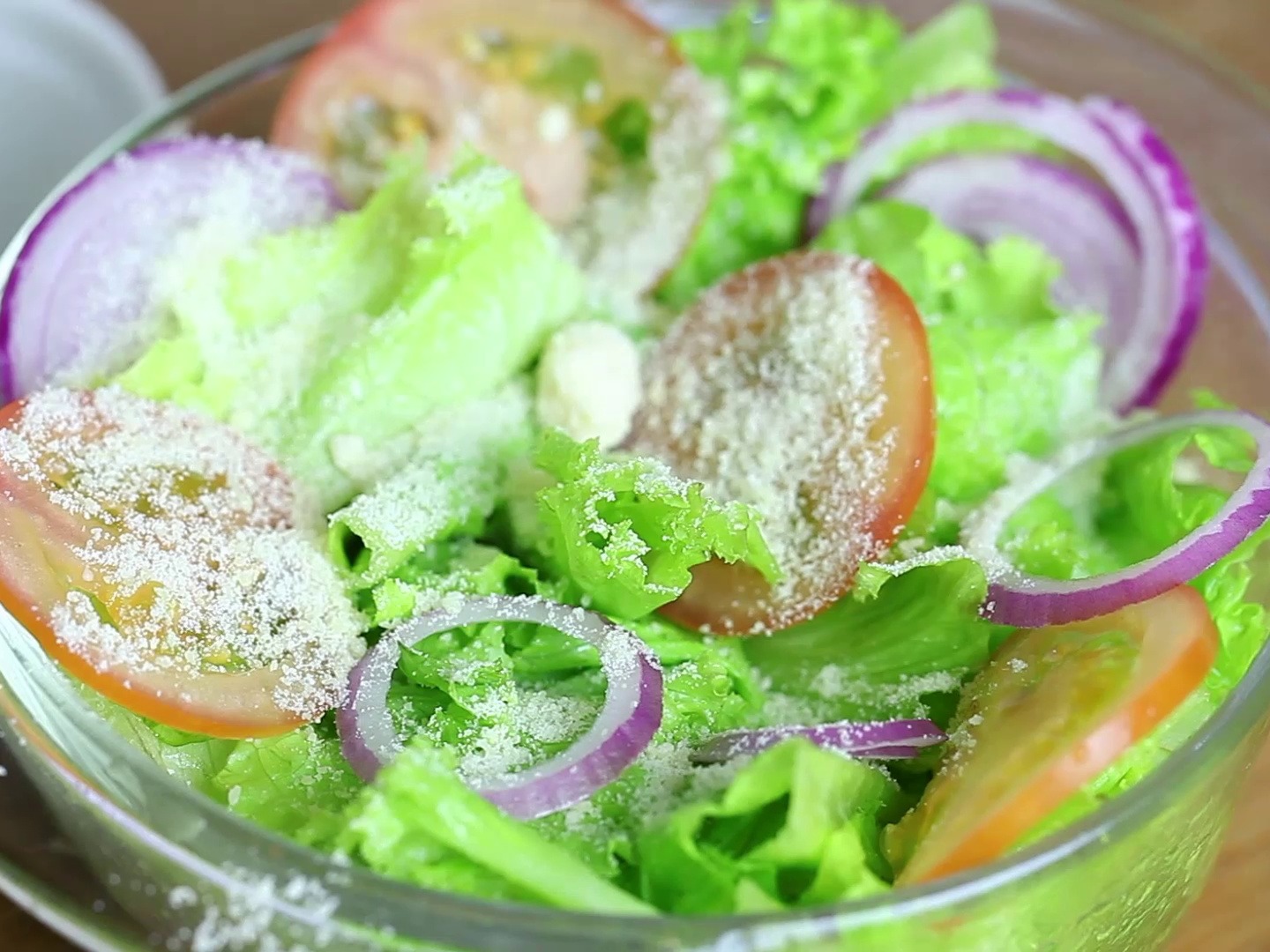
- Optional: 1/2 cup sliced cucumber, cherry tomatoes, shaved Parmesan, or thinly sliced red onion
Instructions
- Separate the lettuce leaves and discard any wilted or damaged outer leaves.
- Rinse the lettuce under cool running water, then dry it very well using a salad spinner or clean towel.
- Tear or chop the lettuce into bite-size pieces and place it in a large bowl.
- In a small jar or bowl, combine olive oil, lemon juice or vinegar, Dijon mustard, honey, salt, and pepper.
- Shake or whisk until the dressing looks smooth and slightly creamy.
- Drizzle a small amount of dressing over the lettuce and toss gently.
- Taste, adjust with more salt, pepper, or dressing, and serve immediately.
Why This Simple Lettuce Salad Works
A great lettuce salad is not about adding every vegetable in the refrigerator. That is how salads become confused. One minute it is a side dish; the next minute it is a produce drawer with commitment issues.
This recipe works because it focuses on balance. Lettuce brings crisp texture and freshness. Olive oil adds richness. Lemon juice or vinegar adds brightness. Dijon mustard helps the dressing cling to the leaves instead of sliding sadly to the bottom of the bowl. Salt wakes everything up. Pepper gives the salad a small but important nudge of warmth.
The key is not more ingredients. The key is better handling. Dry lettuce matters. A balanced dressing matters. Tossing gently matters. Serving immediately matters. When you get those basics right, even a plain lettuce salad can taste like something you meant to make, not something you assembled during a commercial break.
Choosing the Best Lettuce
Romaine Lettuce
Romaine is crisp, sturdy, and slightly sweet. It holds up well to vinaigrette and is a great choice when you want crunch. It is also ideal if you plan to add heavier ingredients like tomatoes, cucumbers, grilled chicken, croutons, or shaved cheese.
Butter Lettuce
Butter lettuce has soft, tender leaves and a delicate flavor. It feels elegant without requiring you to use the word “elegant” out loud. Because the leaves are fragile, dress butter lettuce lightly and toss it with gentle hands.
Green Leaf or Red Leaf Lettuce
Leaf lettuce is mild, fresh, and easy to use. It has ruffled edges that catch dressing beautifully. Red leaf lettuce also adds a pop of color, which is helpful when your dinner plate is looking a little beige and needs emotional support.
Iceberg Lettuce
Iceberg is often underestimated, but it brings unbeatable crunch. It has a high water content and a mild flavor, making it perfect for simple salads, burgers, tacos, and wedge-style serving. If you want maximum crispness, iceberg is your friend.
Mixed Greens
Mixed greens can add variety, color, and slightly peppery or bitter notes depending on the blend. They are convenient, but they are also more delicate than romaine or iceberg. Dress them lightly and serve right away.
How to Wash and Dry Lettuce Properly
For whole heads or loose lettuce, rinse the leaves under cool running water and gently rub away any visible dirt. Avoid using soap, detergent, or household cleaners on lettuce. Lettuce is porous, and you do not want your salad tasting like dish soap with a side of regret.
After washing, drying is the step that separates a crisp salad from a watery bowl of sadness. Use a salad spinner if you have one. If not, lay the leaves on a clean kitchen towel or paper towels and pat them dry. You can also roll the leaves gently in a towel while you prepare the dressing.
Dry lettuce helps dressing cling to the leaves. Wet lettuce repels oil-based dressing, dilutes flavor, and turns your vinaigrette into a puddle. In salad language, water is the uninvited guest who brings nothing and stays too long.
If you are using packaged greens labeled “pre-washed,” “triple-washed,” or “ready-to-eat,” follow the package instructions. Rewashing ready-to-eat greens may increase the chance of cross-contamination if your sink, hands, towels, or tools are not perfectly clean.
The Easiest Dressing for Lettuce Salad
The simplest lettuce salad dressing is a basic vinaigrette. You only need oil, acid, salt, pepper, and an optional emulsifier like Dijon mustard. A classic ratio is about three parts oil to one part vinegar or lemon juice. For a brighter, tangier salad, use two parts oil to one part acid.
Basic Lemon Vinaigrette
- 2 tablespoons extra-virgin olive oil
- 1 tablespoon fresh lemon juice
- 1 teaspoon Dijon mustard
- 1/2 teaspoon honey, optional
- 1/4 teaspoon kosher salt
- Freshly ground black pepper
Put everything in a small jar, close the lid tightly, and shake until the dressing looks combined. Congratulations: you just made homemade salad dressing, and no committee meeting was required.
Why Dijon Mustard Helps
Dijon mustard is not just there for flavor. It helps bring oil and acid together so the dressing becomes smoother and coats the lettuce more evenly. Without it, the dressing can still taste great, but it may separate faster. If that happens, just shake or whisk it again.
Step-by-Step: How to Make the Simplest Lettuce Salad
Step 1: Prep the Lettuce
Remove damaged outer leaves, separate the good leaves, rinse them if needed, and dry them thoroughly. Tear the leaves by hand for a rustic look or chop them with a sharp knife for a cleaner presentation.
Step 2: Make the Dressing
Combine olive oil, lemon juice or vinegar, Dijon mustard, salt, pepper, and a tiny touch of honey if you like balance. Shake in a jar or whisk in a bowl until smooth.
Step 3: Dress Lightly
Start with less dressing than you think you need. Lettuce should be lightly coated, not wearing a raincoat. You can always add more, but once the salad is overdressed, there is no graceful way back.
Step 4: Toss Gently
Use clean hands, salad tongs, or two large spoons. Lift the lettuce from the bottom of the bowl and turn it over lightly. Tossing should feel like fluffing a pillow, not wrestling a raccoon.
Step 5: Taste and Serve
Taste one leaf. If it tastes flat, add a pinch of salt or a few drops of lemon juice. If it tastes too sharp, add a little more olive oil or a tiny drizzle of honey. Serve immediately for the best crunch.
Easy Add-Ins That Keep the Salad Simple
The base recipe is excellent on its own, but a few add-ins can make it more colorful and satisfying. The trick is restraint. Choose one to three extras, not the entire vegetable kingdom.
Fresh and Crunchy Add-Ins
- Sliced cucumber
- Thinly sliced radishes
- Shredded carrots
- Thinly sliced red onion
- Chopped celery
Juicy Add-Ins
- Cherry tomatoes
- Diced avocado
- Orange segments
- Sliced strawberries
Savory Add-Ins
- Shaved Parmesan
- Crumbled feta
- Toasted almonds or walnuts
- Sunflower seeds
- Homemade croutons
For a quick everyday version, try romaine, cucumber, cherry tomatoes, lemon vinaigrette, and shaved Parmesan. For a softer dinner-party version, use butter lettuce, red wine vinaigrette, thin red onion, and toasted walnuts. For a classic picnic-style plate, use iceberg, tomatoes, cucumbers, and a slightly sweeter vinaigrette.
Common Lettuce Salad Mistakes
Mistake 1: Not Drying the Lettuce
This is the most common problem. Wet leaves make dressing slide off and collect at the bottom of the bowl. Dry leaves taste better, look better, and stay crisp longer.
Mistake 2: Adding Dressing Too Early
Dressing begins softening lettuce almost immediately. If you are preparing ahead, keep the lettuce and dressing separate until just before serving.
Mistake 3: Forgetting Salt
Even a healthy salad needs seasoning. Salt does not make lettuce salty when used correctly; it makes the lettuce taste more like itself.
Mistake 4: Overloading the Bowl
Too many toppings can bury the lettuce and make the salad heavy. Simple salad recipes shine when every ingredient has a clear job.
Mistake 5: Using Too Much Dressing
A good lettuce salad should feel fresh and light. Add dressing gradually, toss, taste, and adjust. Your lettuce should glisten, not swim.
How to Store Lettuce Salad
Undressed lettuce can be stored in the refrigerator in a container lined with paper towels or a clean towel. The towel absorbs extra moisture and helps keep the leaves crisp. Whole leaves usually last longer than chopped lettuce, so if you are prepping ahead, keep the leaves as intact as possible.
Once lettuce is cut or torn, keep it cold and use it within a few days for the best quality. Cut leafy greens should be stored at refrigerator temperature, ideally at 41 degrees Fahrenheit or below. If the salad has already been dressed, it is best eaten right away. Leftover dressed salad can be refrigerated, but the texture will soften quickly.
If you want to meal prep this simple lettuce salad, wash and dry the lettuce, make the dressing, and store them separately. Add delicate toppings like avocado, tomatoes, or croutons right before serving.
What to Serve With Lettuce Salad
This quick lettuce salad is flexible enough to sit beside almost anything. Serve it with spaghetti and meatballs, baked salmon, roast chicken, grilled steak, turkey sandwiches, vegetable soup, pizza, baked potatoes, tacos, or a simple omelet. It also works as a light lunch when topped with protein such as grilled chicken, tuna, chickpeas, boiled eggs, tofu, or leftover roasted vegetables.
Because the dressing is bright and simple, this salad is especially good with rich foods. Think creamy pasta, cheesy casseroles, fried chicken, burgers, or anything buttery. The fresh lettuce cuts through heavier flavors and makes the meal feel balanced instead of nap-inducing.
Recipe Variations
Simple Italian Lettuce Salad
Use romaine or green leaf lettuce, red wine vinegar, olive oil, Dijon mustard, dried oregano, cherry tomatoes, red onion, and Parmesan.
Lemon Parmesan Lettuce Salad
Use romaine, butter lettuce, or mixed greens. Dress with olive oil, lemon juice, Dijon, salt, and pepper. Finish with shaved Parmesan and cracked black pepper.
Crunchy Iceberg Salad
Use chopped iceberg, cucumber, tomatoes, and a slightly sweeter vinaigrette. Add sunflower seeds or croutons for extra crunch.
Everyday Garden Lettuce Salad
Use whatever lettuce you have, plus one crunchy vegetable and one juicy vegetable. This version is ideal when you are trying to use up produce before it becomes “science” in the crisper drawer.
Personal Experience: What I Learned From Making Simple Lettuce Salad Again and Again
The first time I realized a lettuce salad could be genuinely exciting, it was not at a fancy restaurant. It was at home, on a weeknight, with a half-tired head of romaine and a lemon that looked like it had seen things. I did not have a bottled dressing I liked, so I whisked olive oil, lemon juice, mustard, salt, and pepper in a mug. Very glamorous. Very professional. Extremely “person standing in socks at 7:12 p.m.”
But something funny happened. The salad tasted better than the versions I had been making with store-bought dressing. It was brighter, cleaner, and fresher. The lettuce actually tasted like lettuce. The lemon woke everything up. The mustard gave the dressing body. The salt made the whole bowl taste intentional. That was the moment I stopped treating salad like an obligation and started treating it like a tiny cooking lesson.
After making this recipe many times, I learned that the biggest difference is not expensive olive oil or rare lettuce grown by monks. It is drying the leaves. When lettuce is properly dried, the dressing clings in a thin, flavorful layer. When lettuce is wet, the dressing breaks apart and sinks. That one habit changed my salads completely.
I also learned that a large bowl matters. If the bowl is too small, tossing becomes chaotic. Lettuce flies. Tomatoes escape. Someone mutters words not usually found in a recipe article. A big bowl gives the leaves room to move, so the dressing spreads evenly without crushing everything.
Another lesson: taste the dressing with a piece of lettuce, not just from the spoon. Dressing often tastes too sharp by itself, but perfect once it meets the greens. A lettuce leaf gives you the real preview. If the bite tastes dull, add salt. If it tastes heavy, add acid. If it tastes too sour, add oil or a touch of honey.
I have also become a believer in making only as much salad as you need. Dressed lettuce waits for no one. It does not care that you are finishing the chicken or looking for the good serving spoon. Once dressed, the clock starts ticking. For guests, I keep the lettuce washed, dried, and chilled, then toss it right before serving. It looks fresh, tastes crisp, and gives the impression that I have my life together. This impression may be temporary, but it is useful.
The simplest lettuce salad has become my default side dish because it solves a real dinner problem. It adds freshness when the main dish is rich. It adds crunch when the meal is soft. It adds color when the plate looks too brown. Best of all, it takes about ten minutes and does not require a complicated grocery list. That is the kind of recipe that earns a permanent place in the kitchen.
Conclusion
Learning how to make the simplest lettuce salad is less about memorizing a strict recipe and more about mastering a few easy habits. Choose fresh lettuce, wash it when needed, dry it thoroughly, make a quick vinaigrette, dress lightly, toss gently, and serve immediately. That is it. No drama, no culinary gymnastics, no mystery bottle from the back of the fridge.
This quick and tasty lettuce salad recipe proves that simple food can still feel special. With crisp greens, a bright homemade dressing, and a few optional toppings, you can turn basic lettuce into a fresh side dish that fits nearly any meal. Keep the ingredients simple, respect the texture, and let the crunch do its job.
Note: This article was created from synthesized U.S. culinary and food-safety guidance and is formatted for web publishing without embedded source links.