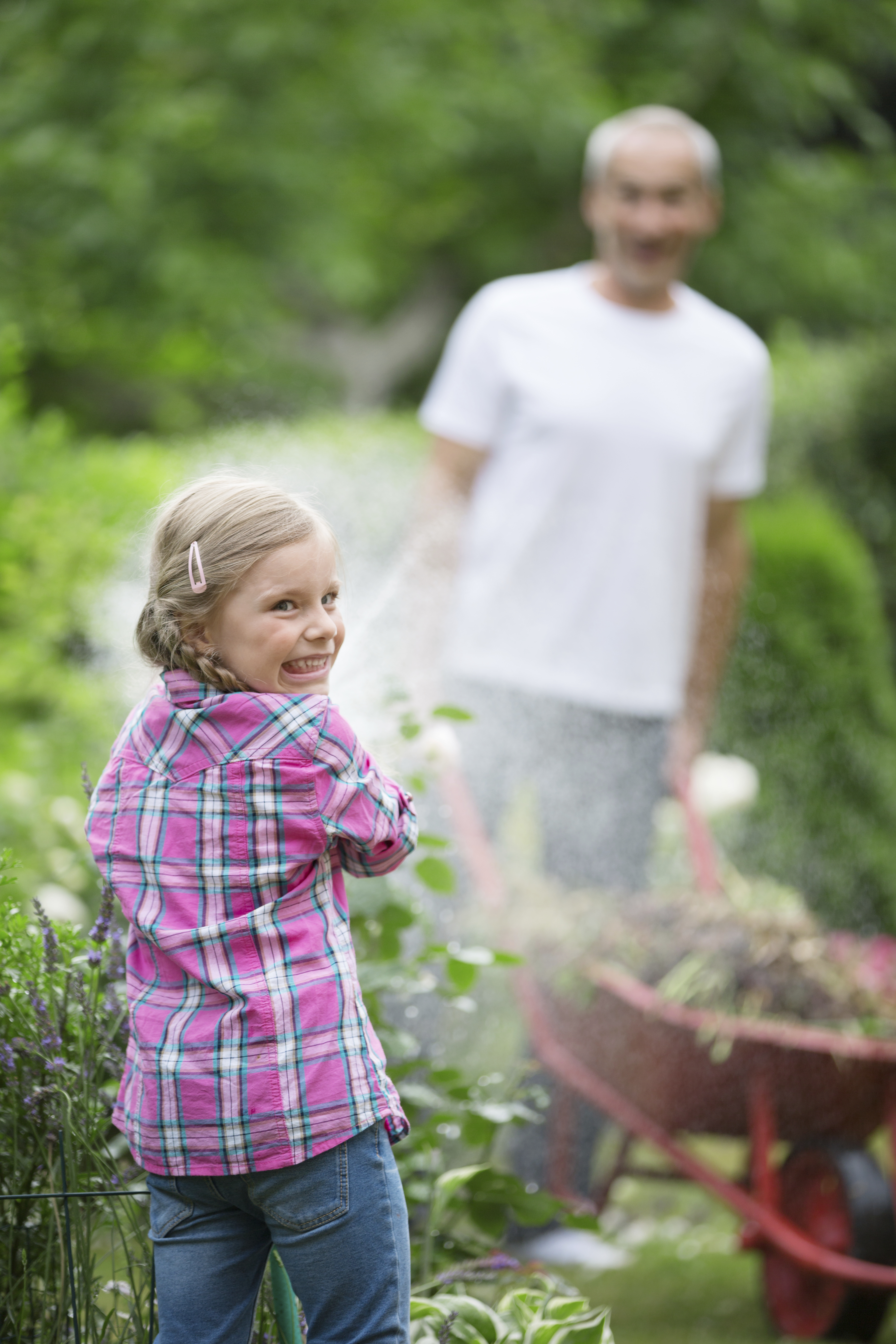

A technically perfect photograph can still feel as emotionally exciting as a passport renewal form. The focus may be sharp, the exposure flawless, and the colors polished, yet the image says almost nothing. Meaningful photos work differently. They preserve relationships, reveal personality, trigger memories, document change, or invite viewers to wonder what happened just before and after the shutter clicked.
Fortunately, emotional photography does not require a luxury camera, professional studio, or dramatic expedition through a thunderstorm. It begins with attention. By choosing subjects intentionally, observing details, working thoughtfully with light, and preserving the stories behind your images, you can transform ordinary snapshots into photographs people will genuinely care about years from now.
Start With a Reason, Not a Camera Setting
Before worrying about aperture, shutter speed, or whether your phone has enough “computational photography magic,” ask a simpler question: Why am I taking this picture?
Your answer creates direction. Perhaps you want to remember how your daughter always wore mismatched socks, document the final summer in a childhood home, celebrate a friendship, or show how quiet a city feels before sunrise. Once the reason is clear, decisions about framing, timing, light, and editing become easier.
National Geographic photographers often emphasize learning about a subject and photographing multiple aspects of its story rather than relying on a single obvious view. A meaningful photograph should help viewers understand what matters about the person, place, or eventnot merely prove that you stood in front of it.
Create a One-Sentence Intention
Try finishing this sentence before you shoot: “I want this photo to show…”
Your answer might be “how nervous he was before the performance,” “the peaceful disorder of Sunday breakfast,” or “how tiny the cabin looked beneath the mountains.” This mini-mission prevents you from producing dozens of random images that all say, approximately, “Here is a thing I encountered.”
Photograph Relationships, Not Just Faces
A portrait becomes more meaningful when it reveals how someone relates to another person, an animal, an object, or a familiar place. Instead of asking everyone to stand shoulder to shoulder and smile like employees in a dental insurance brochure, watch what they naturally do together.
Photograph a grandfather teaching a child to shuffle cards. Capture two friends laughing before they regain their composure. Include the dog resting beneath the dinner table or the worn recipe book beside the person who has used it for 40 years. These relationships supply emotional context.
Environmental portrait guidance also recommends including enough of a person’s surroundings to reveal something about their life without allowing the background to overpower the subject. A musician in a rehearsal room, a gardener surrounded by seed packets, or a mechanic beside a half-restored car can communicate far more than a tightly cropped headshot.
Let People Do Something
Many people become awkward the instant they hear, “Act natural.” Apparently, nothing destroys natural behavior faster than being ordered to produce it.
Give your subject an activity instead. Ask someone to make coffee, water plants, repair a bicycle, read to a child, or prepare a family recipe. Purposeful movement relaxes people and produces gestures, expressions, and interactions that feel genuine.
Capture the Ordinary Before It Becomes Extraordinary
People often save their cameras for birthdays, graduations, vacations, and weddings. Those occasions matter, but everyday life may become even more valuable with time. Today’s ordinary kitchen, cluttered desk, neighborhood store, school backpack, or bedtime routine can become tomorrow’s treasured historical record.
Photographers who create personal family stories frequently find emotional power in routine, humor, mess, and small storytelling details. A pill bottle, favorite book, handwritten note, or lamp left glowing in the background can quietly reveal an entire chapter of someone’s life.
Do not wait for life to become photogenic. Photograph the cereal boxes, muddy shoes, half-finished craft projects, sleepy faces, and people standing in the refrigerator light at midnight. Years later, nobody will complain that the countertop was not properly styled.
Use Composition to Direct Meaning
Composition is not simply a collection of rules invented to make beginner photographers feel guilty about placing subjects in the center. It controls what viewers notice first, how their eyes travel through the frame, and which relationships feel important.
Remove Visual Clutter
Before taking a photo, examine the edges of the frame. Is a lamp appearing to grow from someone’s head? Is a bright trash can competing with the bride? Is an innocent houseplant creating botanical antlers?
Move a few steps, lower the camera, change your angle, or remove distracting objects. Simplification gives the emotional center of the photograph room to breathe.
Use Leading Lines and Natural Frames
Roads, fences, hallways, shadows, arms, and architectural lines can guide attention toward your subject. Doorways, windows, tree branches, and foreground objects can create frames within the image. Used carefully, these tools help viewers understand where to look and why the subject matters.
Choose the Right Amount of Background
A blurred background can isolate an expression or gesture. A detailed background can explain where the event is happening and why it matters. Neither choice is automatically superior.
Use shallow depth of field when the emotional story lives in one face, hand, or object. Keep more of the scene sharp when the environment contributes essential information. Depth of field is therefore not merely a technical effect; it is a storytelling decision.
Make Light Part of the Story
Light affects more than visibility. It establishes mood, directs attention, reveals texture, and influences how viewers interpret a scene.
Soft window light often feels intimate and calm. Strong side lighting can emphasize age, texture, or tension. Backlighting may create nostalgia, mystery, or a dreamy glow. Harsh midday light can communicate heat and energy, while blue evening light may suggest loneliness or reflection.
The brightest area of an image naturally attracts attention, so position or expose your subject accordingly. You can also search for unusual perspectivesshooting from floor level, through a doorway, beneath an umbrella, or from behind the subjectto avoid repeating the same familiar view.
Do not assume meaningful photos must always be dark and moody. Joy can be meaningful too. Bright colors, open light, and spontaneous expressions can communicate belonging, relief, humor, and celebration.
Wait for the Moment Between the Moments
The obvious moment is not always the strongest one. At a birthday party, the candle-blowing photograph is expected. The more revealing image may appear two seconds later, when the child looks proudly at a grandparent or a sibling steals frosting from the cake.
At a wedding, photograph the nervous hands before the ceremony, the exhausted flower girl under a table, or the parents quietly watching the dance floor. At a sporting event, turn away from the action occasionally and observe the bench, the spectators, and the expression after the final whistle.
Anticipation improves your chances of capturing authentic emotion. Professional event photographers often prepare for key interactions by understanding where they will happen, choosing a position in advance, and having the correct settings ready before the expression appears.
Include Details That Carry Emotional Weight
A complete story needs more than wide scenes and smiling portraits. Photograph meaningful details: a wedding ring resting beside a hospital bracelet, flour-covered hands, a handwritten grocery list, a repaired toy, an empty chair, or the scratches on a frequently used guitar.
Objects can symbolize relationships, habits, work, loss, identity, and change. They are especially valuable when creating a photo essay or family album because they provide pauses between larger scenes.
For every important occasion, try capturing three types of images:
- The establishing shot: A wide photograph that shows the place and atmosphere.
- The relationship shot: People interacting naturally.
- The detail shot: A small object, gesture, or texture that carries meaning.
Together, these images create a richer visual story than 48 nearly identical group portraits in which someone is always blinking.
Be Present Instead of Photographing Everything
Taking photos can improve memory for visual details when the photographer deliberately engages with a scene. However, research also suggests that constant, automatic picture-taking may reduce attention or weaken memory for aspects of an experience, especially when people mentally hand the responsibility of remembering over to the camera.
The practical lesson is not to lock your camera in a drawer. It is to photograph selectively. Observe first, decide what matters, make a few intentional frames, and then lower the camera.
A useful rule is to pause for ten seconds before shooting. Notice sounds, expressions, movement, temperature, and atmosphere. This brief observation helps you recognize the story rather than merely collect evidence that you attended.
Edit for Emotional Honesty
Editing should strengthen the photograph’s meaning, not bury it under digital fireworks. Adjust exposure, contrast, color, and cropping to help viewers notice what you noticed. Remove temporary distractions when appropriate, but avoid changing essential facts in documentary or memory-based photographs.
Consider how each adjustment affects emotion. Warm tones may create comfort or nostalgia. Cooler tones can feel quiet or distant. Black-and-white processing can reduce color distractions and emphasize expression, shape, light, and texture.
Be careful with aggressive skin smoothing. A meaningful portrait should still resemble a human being who possesses pores, lines, and a personal historynot a decorative candle molded into the approximate shape of Aunt Linda.
Edit a Sequence, Not Just Individual Images
When building an album or photo essay, choose photographs that contribute different information. Eliminate duplicates, even when each one is technically good. A smaller collection with variety and rhythm will usually feel more powerful than a massive gallery that requires endurance snacks.
Add Captions While You Still Remember
A photograph may feel self-explanatory today, but future viewers will not automatically know the names, relationships, location, date, or reason the moment mattered. The Library of Congress recommends recording descriptive information and keeping it with digital images, much like writing names and dates on the back of printed photographs.
Useful captions answer a few basic questions:
- Who appears in the photograph?
- Where and when was it taken?
- What was happening?
- Why was the moment important?
- Who took the photograph?
Go beyond sterile labels. Instead of writing “Grandma, kitchen, 2026,” write, “Grandma Elena making peach cobbler from her mother’s recipe during our final summer in the Oak Street house.” One caption stores an identity. The other stores a story.
Print and Preserve the Photos That Matter
A meaningful photograph cannot do much emotional work if it is buried between 9,000 screenshots, parking-space reminders, and accidental pictures of your thumb.
Create albums organized around people, places, traditions, or periods of life. Mark favorites soon after an event. Print selected photographs, make an annual photo book, or place a small rotating collection where family members can see it.
Digital preservation also requires redundancy. Maintain copies on more than one storage medium or service, keep important backups in separate locations, and review your archive periodically as devices and file-storage systems change.
Preserve original files whenever possible. Social platforms may resize images or remove embedded metadata, so a social media account should not be your only family archive.
Respect the People Inside the Frame
Meaningful photography depends on trust. Ask permission when the situation calls for it, particularly when photographing strangers, vulnerable people, private spaces, children, illness, grief, or culturally sensitive events.
Professional visual ethics standards emphasize treating subjects with dignity and showing special compassion toward vulnerable individuals. Current privacy guidance also encourages adults to consider children’s autonomy and future digital footprints before publicly sharing personal images.
Not every meaningful photograph needs to be posted. Some images are valuable precisely because they remain within a family, friendship, or community. Before sharing, ask whether the photograph honors the subject or merely attracts attention.
Develop a Personal Photography Project
One of the best ways to create meaningful photos is to return to the same subject repeatedly. A long-term project encourages deeper observation and reveals changes that a single afternoon cannot show.
Possible projects include:
- Photographing the same family tradition every year.
- Documenting a neighborhood before it changes.
- Creating portraits of people with objects they treasure.
- Following a garden from bare soil to harvest.
- Recording the final year before a child leaves home.
- Photographing one ordinary morning each month.
- Documenting a family business, craft, or recipe.
Consistency gives separate images a shared purpose. Over time, the collection becomes more than a gallery. It becomes a record of relationships, growth, identity, and place.
Practical Experience: Turning a Birthday Album Into a Family Story
The following composite experience illustrates how a photographer can move from collecting attractive snapshots to building a meaningful visual narrative.
Maya had photographed her father’s birthday every year. Her older albums were technically fine: cake, candles, gifts, group portrait, repeat. Everyone smiled, nobody appeared to be in immediate danger, and the camera had successfully documented the existence of frosting. Still, the albums felt strangely interchangeable.
For his 70th birthday, Maya decided to photograph the event differently. Before guests arrived, she wrote one sentence in her phone: “I want these photos to show what Dad has built around him.” That intention changed what she noticed.
She began with the empty dining room. Morning light crossed the table, revealing place cards written by her mother. Instead of removing the scratched serving tray, Maya photographed it. Her parents had owned it since their wedding, and every major family meal had passed across its dented surface.
When her father entered the kitchen, Maya did not immediately ask him to pose. She watched him taste the sauce, straighten chairs, and pretend not to steal a piece of bread. She photographed his hands because they carried details his smile could not: an old workshop scar, a wedding ring, and the slight tremor that had recently appeared.
During the party, Maya took fewer photos than usual. She made several establishing images, then lowered the camera and listened. This helped her anticipate interactions. When her father’s younger brother began telling a childhood story, Maya moved to the side where she could see both men. She captured the moment her father recognized the story, the explosion of laughter, and the quieter expression that followed.
She also photographed objects: an envelope containing a grandchild’s drawing, the old record playing near the window, and a handwritten recipe stained with vanilla. None of these images would win a dramatic photography contest. Together, however, they explained the family.
Later, Maya edited the album as a sequence. She opened with the quiet room, moved through preparation and arrivals, reached the laughter and candle-lighting, and ended with her father washing one final glass after everyone had left. The closing photograph showed him alone in the kitchen, still wearing a paper birthday crown that had slipped sideways.
Instead of relying on filenames, Maya added captions. She recorded names, relationships, recipes, jokes, and the reason the old serving tray mattered. She invited relatives to contribute their memories, discovering that one cousin remembered the tray from Thanksgiving dinners decades earlier.
Finally, Maya printed a small book rather than leaving the images on her phone. Her father spent more time reading the captions than examining the technically strongest photographs. His favorite image was not the formal portrait. It was the picture of his brother laughing across the table.
The experience taught Maya that meaningful photography was not about manufacturing emotion. It was about recognizing emotion already present. Her most valuable tools were not a new lens or complicated lighting system. They were preparation, patience, curiosity, and enough restraint to stop photographing when it was time to participate.
Conclusion
Making your photos more meaningful is less about producing perfect images and more about paying closer attention. Start with a reason. Photograph relationships, routines, surroundings, gestures, and details. Use composition and light to clarify the story, wait for unscripted moments, edit honestly, and preserve the information future viewers will need.
Most importantly, remember that a camera is not only a machine for recording how something looked. In thoughtful hands, it can preserve how a moment felt, who shared it, and why it deserved to be remembered.