
Meal prep sounds suspiciously like something done by people who own matching glass containers, wake up before sunrise, and have never forgotten a bag of spinach in the back of the fridge. Good news: that is not the requirement. Learning how to meal prep simply means preparing food ahead of time so future-you can eat well without negotiating with the takeout app at 8:47 p.m.
For beginners, meal prep is not about cooking every meal for the next seven days like a restaurant with Wi-Fi. It is about making everyday eating easier. You might cook a big batch of rice, roast vegetables, wash fruit, portion snacks, prep overnight oats, or assemble lunches for the next three workdays. Even 30 minutes of planning can save money, reduce food waste, support healthier choices, and make your week feel less like a cooking competition hosted by your hungry stomach.
This guide covers beginner meal prep ideas, simple recipes, storage tips, grocery planning, and real-world experience so you can start without buying a second refrigerator or labeling your lentils with military precision.
What Is Meal Prep?
Meal prep is the practice of preparing meals, ingredients, or snacks in advance. Some people cook full meals and portion them into containers. Others prep ingredients so dinner comes together quickly. Both methods count. The best meal prep strategy is the one you will actually use on a Tuesday when your patience is cooked but your chicken is not.
The Four Main Styles of Meal Prep
Batch cooking means making a large amount of one recipe, such as chili, soup, baked oatmeal, brown rice, shredded chicken, or roasted vegetables. You eat some now and store the rest for later.
Portioning meals means dividing cooked food into individual servings. This is helpful for work lunches, school meals, fitness goals, and anyone who wants to open the fridge and see answers instead of ingredients.
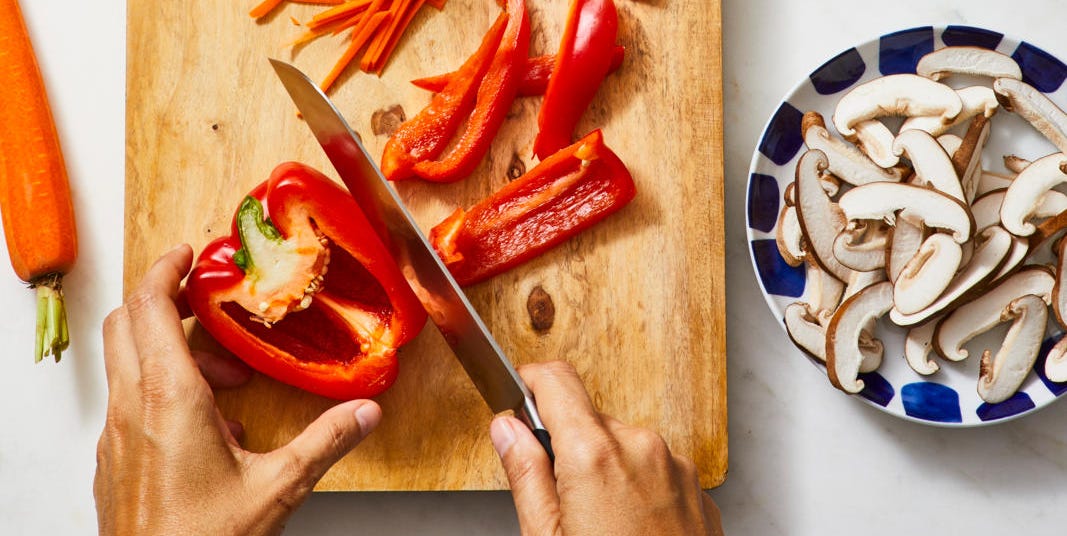
Ingredient prep means chopping vegetables, cooking grains, boiling eggs, marinating protein, or washing greens ahead of time. You still cook during the week, but the hard part is already done.
Freezer meal prep means preparing meals or ingredients that can be frozen and reheated later. Soups, stews, casseroles, cooked beans, breakfast burritos, and meatballs are freezer-friendly heroes.
Why Meal Prep Is Worth It
Meal prep helps remove decision fatigue. Instead of asking, “What should I eat?” three times a day, you create a plan once and let it do the heavy lifting. That alone can feel like hiring a tiny kitchen assistant who never complains about chopping onions.
It also helps you build balanced meals. A practical beginner formula is simple: choose a protein, add vegetables or fruit, include a high-fiber carbohydrate, and finish with a healthy fat or flavorful sauce. For example, grilled chicken, roasted broccoli, brown rice, and avocado-lime dressing make a complete lunch. Black beans, quinoa, peppers, salsa, and Greek yogurt can become a quick vegetarian bowl.
Meal prepping may also help you spend less on last-minute food. When lunch is already waiting in the fridge, the $17 sandwich with “artisan air” becomes easier to resist. Planning ahead also allows you to use ingredients across multiple meals, which reduces waste and keeps your grocery list focused.
How to Meal Prep for Beginners
Step 1: Start Small
Do not prep 21 meals your first week. That is how enthusiasm turns into a refrigerator full of regret. Start with one meal category: breakfast, lunch, dinner, or snacks. Many beginners find lunch easiest because it prevents rushed, expensive midday choices.
A good first goal is three lunches or three breakfasts. Once that feels natural, add more. Meal prep should feel like a helpful system, not a new unpaid job.
Step 2: Pick a Prep Day
Most people prep on Sunday, but any day works. Choose a day when you have 60 to 90 minutes available. If your schedule is busy, split meal prep into two shorter sessions. For food safety and freshness, many beginners do best prepping twice a week: once at the beginning of the week and once midweek.
Step 3: Build a Simple Menu
Choose recipes that share ingredients. This is the secret sauce. If you buy chicken, rice, peppers, spinach, and yogurt, you can make grain bowls, wraps, salads, and quick skillet dinners. Shared ingredients make grocery shopping easier and reduce the chance that one lonely vegetable turns into a science experiment.
Step 4: Make a Grocery List by Category
Organize your list by produce, protein, grains, dairy, pantry items, and frozen foods. This saves time in the store and reduces impulse purchases. It also prevents the classic “I bought cilantro, batteries, and cereal but forgot dinner” situation.
Step 5: Cook in the Right Order
Start with the foods that take longest: grains, beans, roasted vegetables, soups, stews, or baked proteins. While those cook, wash produce, mix sauces, portion snacks, or assemble breakfasts. A smart cooking order makes meal prep feel efficient instead of chaotic.
The Beginner Meal Prep Formula
Use this easy formula to build meals without needing a complicated recipe:
- Protein: chicken, turkey, tofu, beans, lentils, eggs, tuna, salmon, Greek yogurt, cottage cheese, or tempeh
- Vegetables: broccoli, carrots, spinach, bell peppers, zucchini, cabbage, cucumbers, tomatoes, green beans, or frozen mixed vegetables
- Carbohydrates: brown rice, quinoa, oats, whole-wheat pasta, sweet potatoes, corn tortillas, farro, barley, or whole-grain bread
- Healthy fats: olive oil, avocado, nuts, seeds, hummus, tahini, or nut butter
- Flavor boosters: salsa, pesto, lemon juice, herbs, spices, low-sodium soy sauce, hot sauce, vinegar, garlic, ginger, or yogurt-based dressing
Once you understand this structure, meal prep becomes mix-and-match instead of memorize-and-panic.
Beginner Meal Prep Ideas
Breakfast Meal Prep Ideas
Overnight oats: Combine rolled oats, milk or yogurt, chia seeds, fruit, and a little honey or maple syrup. Refrigerate overnight. Try banana peanut butter, blueberry almond, or apple cinnamon.
Egg muffins: Whisk eggs with chopped vegetables, cheese, and cooked turkey sausage or beans. Bake in a muffin tin. These reheat quickly and are portable enough to make breakfast feel organized.
Greek yogurt parfaits: Layer Greek yogurt with berries and nuts. Keep granola separate until serving so it stays crunchy instead of becoming breakfast pudding.
Breakfast burritos: Fill tortillas with scrambled eggs, beans, sautéed peppers, and cheese. Wrap and freeze. Reheat for a fast breakfast that does not require arguing with a toaster.
Lunch Meal Prep Ideas
Chicken rice bowls: Add cooked rice, grilled or baked chicken, roasted vegetables, and a sauce. Change the flavor with teriyaki, buffalo, barbecue, lemon-herb, or chipotle yogurt dressing.
Mason jar salads: Put dressing at the bottom, sturdy vegetables next, protein and grains in the middle, and greens on top. Shake before eating. It is basically a snow globe, but lunch.
Turkey hummus wraps: Spread hummus on a whole-grain wrap, add turkey, spinach, cucumber, and shredded carrots. Keep wet ingredients controlled so the wrap stays firm.
Vegetarian grain bowls: Combine quinoa, black beans, corn, peppers, salsa, avocado, and a squeeze of lime. Add shredded lettuce or cabbage right before serving for crunch.
Dinner Meal Prep Ideas
Sheet-pan chicken and vegetables: Roast chicken thighs or breasts with sweet potatoes, broccoli, onions, and seasoning. One pan, several meals, fewer dishes. That is kitchen poetry.
Turkey chili: Cook lean ground turkey with beans, tomatoes, onions, peppers, and spices. Chili stores well, freezes well, and tastes even better the next day.
Stir-fry kits: Prep sliced vegetables, cooked rice, and protein ahead of time. During the week, cook everything in a skillet with garlic, ginger, and sauce.
Pasta bake: Use whole-wheat pasta, marinara, vegetables, lean protein or beans, and mozzarella. Portion leftovers for easy dinners.
Snack Meal Prep Ideas
Snacks prevent hunger from becoming a personality change. Prep simple options like apple slices with peanut butter, hard-boiled eggs, cottage cheese with fruit, hummus with carrots, trail mix, roasted chickpeas, cheese sticks, or tuna packets with whole-grain crackers.
Easy Meal Prep Recipes for Beginners
1. Lemon Chicken Quinoa Bowls
Ingredients: cooked quinoa, baked chicken breast, cucumber, cherry tomatoes, spinach, feta cheese, lemon juice, olive oil, oregano, salt, and pepper.
How to prep: Cook quinoa and bake chicken with lemon, garlic, and oregano. Divide quinoa into containers. Add chicken, cucumber, tomatoes, and spinach. Keep dressing in a small container until serving. This meal is bright, filling, and not sad-desk-lunch energy.
2. Black Bean Taco Bowls
Ingredients: brown rice, black beans, corn, bell peppers, salsa, lettuce, avocado, Greek yogurt, lime, and taco seasoning.
How to prep: Cook rice, warm beans with taco seasoning, and slice vegetables. Portion rice, beans, corn, and peppers. Add lettuce and avocado the day you eat it. Top with salsa and Greek yogurt for a creamy finish.
3. Turkey Meatball Meal Prep
Ingredients: lean ground turkey, egg, breadcrumbs, garlic, Italian seasoning, marinara sauce, zucchini, and whole-wheat pasta.
How to prep: Bake turkey meatballs, cook pasta, and sauté zucchini. Portion into containers with marinara. Freeze extra meatballs for future meals. This is beginner-friendly and tastes like you tried harder than you did.
4. Peanut Tofu Noodle Bowls
Ingredients: tofu, rice noodles, cabbage, carrots, edamame, peanut butter, soy sauce, lime juice, garlic, ginger, and a little warm water.
How to prep: Bake tofu until firm, cook noodles, shred vegetables, and whisk sauce. Store sauce separately. This vegetarian meal prep option is flavorful, high in plant protein, and excellent cold or warm.
Meal Prep Food Safety Tips
Meal prep only works if the food stays safe. Use clean hands, clean cutting boards, and separate raw meat from produce. Cook foods to safe internal temperatures, cool leftovers quickly, and store meals in shallow containers so they chill faster.
Refrigerate perishable foods within two hours, or within one hour if the temperature is above 90°F. Cooked leftovers are generally best used within three to four days in the refrigerator. If you prep more food than you can eat in that window, freeze some portions right away. Your freezer is not a failure drawer; it is a future dinner vault.
When reheating leftovers, heat them until steaming hot. For soups, sauces, and stews, stir during reheating so heat spreads evenly. Label containers with dates if you tend to believe “last Thursday” was either yesterday or three weeks ago.
Best Containers and Tools for Meal Prep
You do not need a luxury kitchen to meal prep. Start with basic tools: a sharp knife, cutting board, baking sheet, skillet, pot, measuring cups, and storage containers. Glass containers are durable and reheat well, while BPA-free plastic containers are lighter and easier to carry. Mason jars work well for salads, oats, sauces, and snack packs.
Choose containers in similar sizes so they stack neatly. A messy container drawer is where motivation goes to take a nap. Also keep small sauce cups on hand. Storing dressing and sauces separately keeps meals from turning soggy before lunchtime.
How to Keep Meal Prep from Getting Boring
The biggest beginner mistake is eating the exact same meal five times in a row. By Wednesday, even your favorite chicken bowl can feel like a culinary tax form. Instead, prep base ingredients and change the flavor.
For example, plain shredded chicken can become barbecue chicken wraps, taco bowls, chicken salad, pasta topping, or soup. Roasted vegetables can go into grain bowls, omelets, quesadillas, or salads. Cooked rice can become stir-fry, burrito bowls, soup filler, or fried rice.
Use sauces to create variety. Try pesto, salsa, tahini lemon sauce, peanut sauce, yogurt ranch, vinaigrette, curry sauce, or chimichurri. Flavor is the difference between “I meal prepped” and “I am eating because I respect my calendar.”
Common Meal Prep Mistakes to Avoid
Prepping Too Much Food
Beginners often prep too much because motivation is loud on Sunday. Start with fewer meals and build slowly. Wasted food is frustrating and expensive.
Ignoring Texture
Not all foods love the fridge. Crispy foods soften, watery vegetables leak, and delicate greens wilt. Store crunchy toppings, sauces, and fresh herbs separately.
Forgetting Snacks
Meals matter, but snacks save the day. Prepping a few balanced snacks can prevent emergency vending-machine negotiations.
Choosing Complicated Recipes
Meal prep is not the time to attempt a 27-step dinner with three sauces and emotional consequences. Choose simple recipes with repeatable steps.
A Simple 3-Day Beginner Meal Prep Plan
Day 1
Breakfast: Overnight oats with berries and Greek yogurt.
Lunch: Lemon chicken quinoa bowl with cucumber and tomatoes.
Dinner: Turkey chili with beans and a side salad.
Snack: Apple slices with peanut butter.
Day 2
Breakfast: Egg muffins with spinach and cheese.
Lunch: Black bean taco bowl with brown rice and salsa.
Dinner: Sheet-pan chicken with sweet potatoes and broccoli.
Snack: Hummus with carrots and whole-grain crackers.
Day 3
Breakfast: Greek yogurt parfait with fruit and granola.
Lunch: Turkey hummus wrap with spinach and cucumber.
Dinner: Peanut tofu noodle bowl with cabbage and edamame.
Snack: Hard-boiled egg and orange slices.
How to Meal Prep on a Budget
Budget meal prep begins with flexible ingredients. Beans, lentils, oats, rice, eggs, frozen vegetables, canned tomatoes, tuna, peanut butter, potatoes, cabbage, carrots, and seasonal fruit can stretch across many meals. Frozen produce is especially useful because it is already washed, chopped, and waiting patiently for its moment.
Plan meals around what you already have. Check your pantry before shopping. If you own three bags of rice, congratulations: rice bowls are in your future. Build meals around sale items and choose recipes that reuse ingredients. A rotisserie chicken, for example, can become salad, soup, wraps, and rice bowls.
Another smart budget move is doubling recipes. Making twice as much soup or chili usually does not take twice the time. Freeze half and call it a gift from past-you, who was surprisingly thoughtful.
Meal Prep for Different Goals
For Weight Management
Focus on balanced portions, lean protein, fiber-rich carbohydrates, vegetables, and healthy fats. Meal prep can help because portions are planned before hunger starts making executive decisions.
For Muscle Gain
Prioritize protein at each meal, include enough carbohydrates for training energy, and prep calorie-dense add-ons like nuts, avocado, olive oil, rice, potatoes, and yogurt.
For Busy Families
Prep family-friendly components instead of perfect plated meals. Cook taco meat, pasta sauce, chopped vegetables, rice, and chicken. Let everyone assemble bowls, wraps, or plates with the same ingredients.
For Vegetarian Eating
Keep plant-based proteins ready: lentils, beans, tofu, tempeh, edamame, eggs if included, Greek yogurt if included, nuts, seeds, and quinoa. Add flavorful sauces so meals feel satisfying.
Real-Life Experience: What Meal Prep Teaches Beginners
The first thing beginners usually learn about meal prep is that ambition needs a lid. It is easy to open social media, see twelve identical containers lined up like tiny edible soldiers, and decide you will transform your entire life by Sunday night. Then Sunday night arrives, your kitchen looks like a vegetable parade got lost, and you are wondering why you cooked enough quinoa to feed a small marching band.
A better experience starts with one small win. Prep breakfast for three days. Make one sauce. Roast one pan of vegetables. Cook one protein. When beginners approach meal prep this way, it becomes practical instead of overwhelming. The confidence grows because the system is usable. You do not need a color-coded spreadsheet to feel successful. You need a lunch you are happy to eat tomorrow.
Another experience many people discover is that meal prep changes grocery shopping. Without a plan, the grocery cart often becomes a museum of good intentions: kale, fancy mustard, two avocados, and no actual meal. With a plan, shopping becomes more focused. You know that spinach goes into egg muffins, wraps, and salads. You know the rice supports bowls and stir-fry. You know the Greek yogurt works for breakfast, sauce, and snacks. Ingredients begin to have jobs, and the fridge starts feeling less like a mystery box.
Beginners also learn that sauces are the true MVPs. Plain chicken and rice can become boring fast, but add salsa one day, lemon-tahini sauce another day, and peanut sauce later in the week, and suddenly the same basic ingredients feel different. This is where meal prep becomes less about repetition and more about smart assembly. The goal is not to eat the same thing forever. The goal is to make good food easier to reach than random snacks.
Texture matters too. A beautiful salad packed on Sunday can become a soggy apology by Wednesday if everything is stored together. The experience teaches you to keep wet and dry ingredients separate, add crunchy toppings later, and store delicate greens away from hot ingredients. Small lessons like these make a huge difference. Meal prep becomes more delicious when you stop asking lettuce to survive a hot chicken sauna.
There is also a lifestyle benefit that is hard to measure but easy to feel: relief. Opening the fridge and seeing prepared food creates calm. Dinner does not need to be invented from scratch. Lunch does not need to be purchased in a rush. Breakfast does not need to be skipped because the morning became dramatic. Meal prep gives your week a safety net.
The most useful beginner mindset is flexibility. If you miss a prep day, you have not failed. If you buy pre-cut vegetables, use canned beans, or rely on frozen rice, that still counts. Convenience ingredients are not cheating; they are tools. Meal prep should support your real life, not judge it from the countertop.
After a few weeks, beginners usually find their rhythm. Maybe Sunday is for chopping and cooking grains, while Wednesday is for refreshing protein and vegetables. Maybe breakfast prep matters more than dinner. Maybe freezer meals become the secret weapon. The best system is personal, repeatable, and forgiving. In other words, meal prep works best when it behaves less like a strict diet plan and more like a helpful friend who brought snacks.
Conclusion
Learning how to meal prep is one of the simplest ways to make healthy eating more realistic. You do not need perfection, expensive containers, or a full day of cooking. You need a plan, a few reliable recipes, safe storage habits, and meals you actually want to eat.
Start small. Prep three breakfasts, one batch of chili, or a few grain bowls. Use ingredients across multiple meals, keep sauces separate, label leftovers, and freeze extras before they become suspicious. Over time, beginner meal prep becomes a habit that saves time, supports your budget, reduces stress, and makes your future self quietly grateful.
Meal prep is not about becoming a kitchen robot. It is about making food easier, smarter, and more enjoyable. And if one container of roasted vegetables makes your week less chaotic, that container deserves applause.