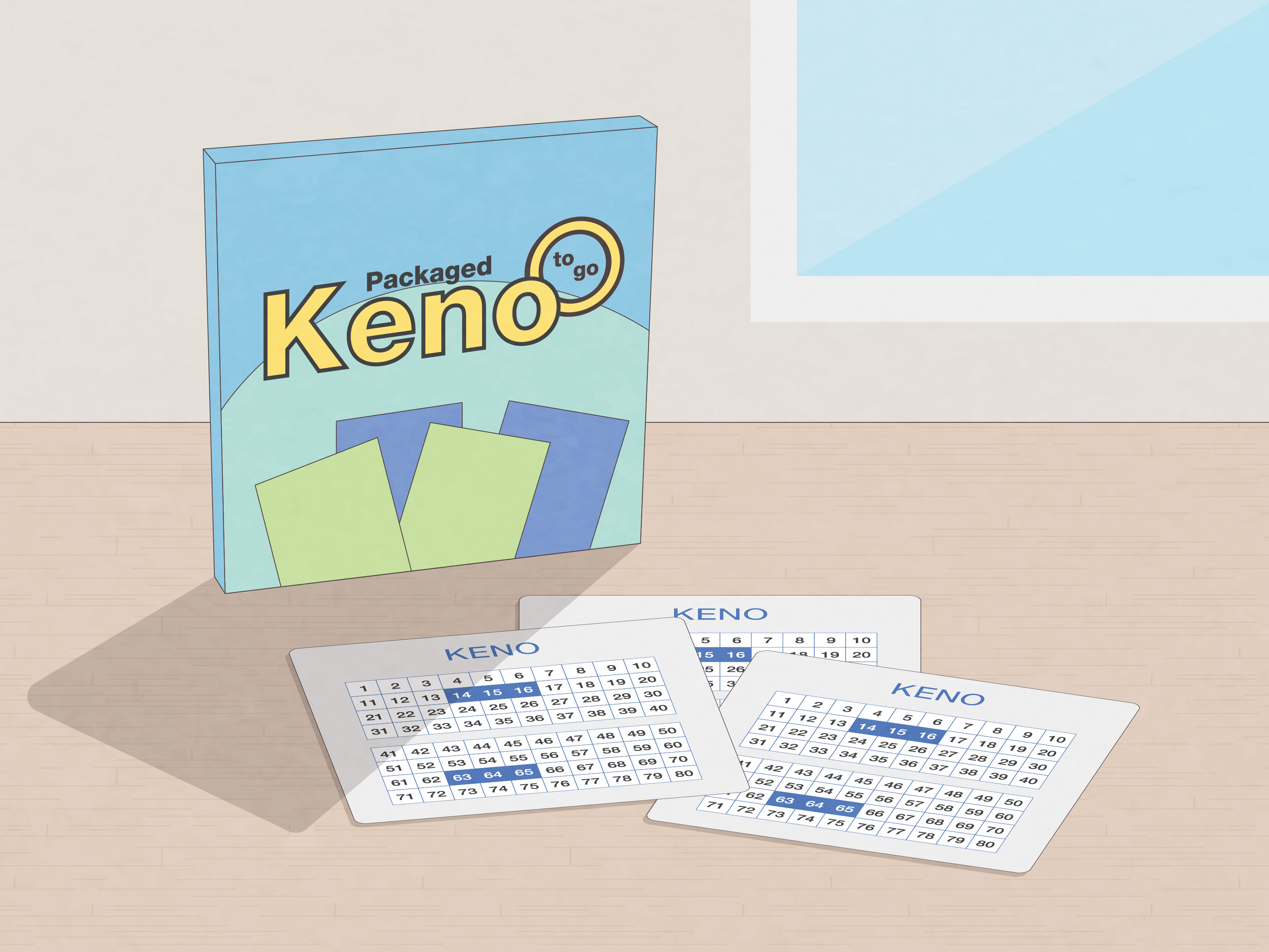

Keno is the lottery game that walks into a casino wearing sneakers: fast, simple, and surprisingly easy to understand. You do not need to memorize poker hands, count cards, or stare dramatically across a blackjack table like you are in a movie. In most versions of Keno, you pick numbers, place a wager, wait for a drawing, and see how many of your picks match the numbers drawn.
That simplicity is exactly why Keno has remained popular in casinos, lottery retailers, bars, restaurants, and online lottery-style platforms. It feels familiar, like a number-draw game, but it moves faster than a traditional lottery jackpot drawing. Many U.S. lottery versions draw every few minutes, which means players can enjoy a quick round without making a whole evening out of it.
Still, easy does not mean strategy-free. Keno is a game of chance, and no “secret number system” can force random numbers to behave. If random numbers had feelings, they would probably be offended by spreadsheets. But smart Keno strategy can help you understand odds, choose your spots wisely, manage your bankroll, avoid common mistakes, and play with realistic expectations.
This guide explains how to play Keno, the basic Keno rules, common payout structures, practical strategies, and real-world playing experiences that can help beginners enjoy the game without turning it into a wallet-eating monster.
What Is Keno?
Keno is a lottery-style number game. Players choose a set of numbers from a larger number pool, usually 1 through 80. After all wagers are placed, 20 winning numbers are drawn at random. If enough of your chosen numbers match the drawn numbers, you win a prize based on the payout table for your game.
Your selected numbers are often called “spots.” If you choose four numbers, you are playing a 4-spot ticket. If you choose eight numbers, you are playing an 8-spot ticket. The number of spots you play affects your chances, payout levels, and overall risk.
Different locations may offer slightly different versions of Keno. A casino Keno lounge, a state lottery Keno game, and an online Keno-style game may not have identical rules. However, the basic idea is usually the same: choose numbers, place a bet, match the draw, and check the payout table.
How to Play Keno Step by Step
Learning how to play Keno is refreshingly simple. The game may look busy on a screen or playslip, but once you understand the flow, it becomes as straightforward as ordering coffeeexcept the coffee does not usually ask you to pick 10 numbers from 80.
Step 1: Choose How Many Spots to Play
The first decision is how many numbers you want to pick. Many U.S. lottery Keno games allow players to choose from 1 to 10 spots, though some versions may allow more or fewer. The more spots you choose, the more numbers you need to match to reach the bigger prizes.
A 1-spot ticket is simple: pick one number and hope it appears among the 20 drawn numbers. A 10-spot ticket gives you more selected numbers, but hitting all 10 is extremely unlikely. Think of spot count as your game’s risk setting. Fewer spots usually mean smaller prizes and more frequent modest hits. More spots usually mean larger prize potential but longer odds.
Step 2: Pick Your Numbers
After choosing your spot count, select your numbers from 1 to 80. You can choose birthdays, anniversaries, lucky digits, numbers from a fortune cookie, or the license plate of the car that cut you off this morning. The numbers themselves do not become more powerful because they have a story, but personal numbers can make the game more entertaining.
Many games also offer a Quick Pick, Easy Pick, or auto-pick option. This lets the terminal or computer randomly select your numbers. Since every number has the same chance of being drawn, Quick Pick is just as valid as choosing numbers manually. It also saves you from spending 12 minutes debating whether 47 “feels lucky.”
Step 3: Choose Your Wager
Next, decide how much to wager per draw. Common wager amounts may start at $1, though some games allow higher amounts such as $2, $5, $10, or $20. Your wager usually affects the prize amount. A $5 ticket may pay five times the prize of a $1 ticket for the same result, depending on the game’s rules.
Before increasing your bet, remember that higher wagers do not improve the odds of matching numbers. They only change how much you can win or lose. Betting more money on the same odds is like buying a louder alarm clock: it changes the volume, not the morning.
Step 4: Choose the Number of Draws
Some Keno games let you play the same ticket for multiple consecutive drawings. This can be convenient if you want to play your numbers several times without filling out a new ticket each round. However, it also increases the total cost.
For example, a $2 wager played for 10 consecutive draws costs $20. That sounds obvious, but fast games can make costs feel smaller than they are. Always check the total price before confirming the ticket.
Step 5: Watch the Drawing and Check Results
Once your ticket is active, 20 numbers are drawn from the pool of 80. Your prize depends on how many of your selected spots match the winning numbers. In a retail lottery setting, results may appear on a screen, monitor, app, or official lottery website. In a casino or online setting, results may appear directly on the game screen.
Always verify results using the official system where you played. If you win, sign the back of a paper ticket if applicable, keep it safe, and follow the prize-claim instructions for that lottery or casino.
Basic Keno Rules Beginners Should Know
Keno rules vary by operator, but most games share a few core principles. Understanding these basics helps you avoid confusion and makes the payout table much easier to read.
The Number Pool Is Usually 1 to 80
Traditional Keno uses numbers 1 through 80. Players pick a certain number of spots from that pool. Then 20 numbers are drawn randomly. You do not need to match the numbers in order. If you picked 7 and the draw includes 7, that is a match no matter when it appears.
Payouts Depend on Your Spot Count
A 4-spot ticket and a 7-spot ticket do not use the same prize table. The payout table is based on how many spots you played and how many matches you hit. For example, matching 3 out of 4 may pay differently than matching 3 out of 7.
This is why you should review the payout table before playing. The biggest number on the prize board may look exciting, but it is often tied to a difficult match such as 9 out of 9 or 10 out of 10.
Every Draw Is Random
Keno drawings are designed to be random. Previous results do not control future results. A number that appeared three times today is not “hot” in a way that guarantees it will appear again. A number that has not appeared recently is not “due.” Numbers do not have calendars, moods, or personal grudges.
This matters because many bad Keno strategies are built on the gambler’s fallacy: the belief that past random outcomes make future random outcomes more predictable. In reality, each properly run draw starts fresh.
Multipliers and Add-Ons May Change Payouts
Some Keno games include optional multipliers, bonus features, bullseye numbers, jackpots, or add-ons. These extras may increase possible prizes, but they usually cost more or change the overall bet structure. Read the rules carefully before adding them. A multiplier can be fun, but it should not be treated as magic sauce.
Keno Odds: What Are Your Chances of Winning?
Keno odds depend on how many spots you play and how many matches are required for a prize. Because 20 numbers are drawn from 80, a single chosen number has a 1 in 4 chance of appearing in the draw. That sounds friendly enough. The challenge begins when you need to match several numbers at once.
For example, the chance of hitting both numbers on a 2-spot ticket is about 1 in 16.6. Hitting all four numbers on a 4-spot ticket is about 1 in 326. Hitting all 10 numbers on a 10-spot ticket is roughly 1 in 8.9 million. That is not impossible, but it is the kind of “possible” that should be treated with a raised eyebrow and a sensible budget.
This is why experienced players often choose spot counts based on their entertainment goals. If you want more frequent small wins, lower spot tickets may feel better. If you want a shot at a larger payout and accept more losing tickets, higher spot counts may be more appealing.
Common Keno Payout Examples
Because payout tables differ, there is no single universal Keno prize chart. However, the structure usually follows a simple pattern: the more spots you play and the more matches you hit, the higher the prize.
Imagine a 4-spot ticket. You pick four numbers, and 20 numbers are drawn. A game might pay for matching 2, 3, or 4 numbers. Matching only one number may not pay anything. Matching all four would pay the largest prize for that ticket type.
Now compare that with a 10-spot ticket. A 10-spot ticket may pay for matching 5, 6, 7, 8, 9, or 10 numbers, depending on the game. The top prize may look huge, but matching all 10 is extremely rare. The payout table is the map; do not start the road trip without it.
Best Keno Strategies for Smarter Play
Let’s be honest: no Keno strategy can change the random draw. Anyone who promises guaranteed Keno wins is either confused, selling something, or wearing a cape made of red flags. The best Keno strategies focus on bankroll control, game selection, odds awareness, and emotional discipline.
Strategy 1: Pick a Spot Count That Matches Your Goal
If you prefer smaller, more frequent hits, consider lower spot games such as 1-spot, 2-spot, 3-spot, or 4-spot tickets. If you prefer chasing bigger prizes and can tolerate more losing rounds, higher spot games may fit your style. Neither approach is “better” for everyone. The right choice depends on your risk tolerance.
Beginners often do well starting with 3-spot or 4-spot tickets because the results are easy to follow and the prize table is not too intimidating. It gives you a feel for the game without immediately trying to wrestle the 10-spot dragon.
Strategy 2: Set a Budget Before You Start
The smartest Keno strategy is deciding how much you are willing to spend before the first draw. Treat that money as entertainment money, not investment money. If your budget is $20, that is your ticket to the show. When it is gone, the show is over.
Fast drawings can make small wagers add up quickly. A few dollars every few minutes may not feel like much until you do the math later and your wallet starts giving you the silent treatment.
Strategy 3: Avoid Chasing Losses
Chasing losses means increasing bets to recover money already lost. This is one of the fastest ways to turn casual play into stressful play. Keno does not know you are “due” for a comeback. The next draw has no memory of your last ticket.
If you lose several rounds in a row, take a break. If you hit your budget limit, stop. Winning sessions feel nice, but controlled losing sessions are what keep gambling from becoming a problem.
Strategy 4: Compare Payout Tables
Not all Keno games pay the same. Two games may use similar rules but offer different payouts for the same spot count and match result. Before playing, compare prize tables if you have options. Look beyond the top prize and check the lower-tier payouts too.
A game with a giant top prize may have rougher smaller payouts. Another game may offer more satisfying mid-tier returns. Choose the structure that fits how you want to play.
Strategy 5: Be Careful With Multi-Draw Tickets
Playing multiple consecutive draws can be convenient, but it can also hide how much you are spending. Before buying a multi-draw ticket, multiply the wager by the number of draws. If the total still fits your budget, fine. If it makes you wince, scale back.
Strategy 6: Do Not Worship Hot and Cold Numbers
Some players track hot numbers, cold numbers, overdue numbers, lucky numbers, and number patterns. That can be fun as part of the entertainment, but it should not be mistaken for an edge. In a random game, every eligible number has the same chance of appearing in each draw.
If you enjoy playing your favorite numbers, go ahead. Just do not raise your bet because a number “has to hit soon.” The number 22 is not sitting backstage waiting for its big comeback.
Strategy 7: Keep Records If You Play Regularly
If you play often, track your spending, wins, and losses. This helps you understand the real cost of your entertainment. It can also be important for tax records if you win prizes. In the United States, gambling winnings are generally taxable, and players should keep accurate records of wins and losses.
A simple note on your phone can help: date, location, amount wagered, amount won, and any ticket details. It is not glamorous, but neither is trying to reconstruct six months of gambling records from pocket lint.
Common Keno Mistakes to Avoid
The biggest Keno mistakes usually come from misunderstanding randomness or ignoring the total cost of play. Here are a few traps beginners should dodge.
Mistake 1: Thinking More Numbers Always Means Better Odds
Picking more spots gives you more selected numbers, but it also changes the prize requirements. A 10-spot ticket does not automatically give you a better chance of a meaningful win. It gives you a different risk-and-reward profile.
Mistake 2: Ignoring the Payout Table
Never assume a match will pay what you expect. Each spot count has its own payout table. Read it before playing so you know what counts as a win.
Mistake 3: Betting Too Fast
Keno can move quickly. That is part of the fun, but it can also lead to rushed decisions. Slow down, check your ticket, and make sure the wager and number of draws are correct before confirming.
Mistake 4: Playing With Money Needed Elsewhere
Keno should be entertainment. Do not use money meant for rent, bills, groceries, debt payments, or savings. If losing the wager would cause stress, that money should not be on the ticket.
Is Keno Skill or Luck?
Keno is overwhelmingly a game of luck. Your choices affect your wager size, spot count, and risk level, but they do not influence which numbers are drawn. There is no hidden skill that lets you predict the next draw with reliable accuracy.
That said, there is skill in managing yourself. Smart players understand the odds, set limits, compare game rules, and stop when their budget says stop. In Keno, discipline is more useful than superstition.
Responsible Keno Play
Because Keno can be fast-paced, responsible play matters. Set money and time limits before you begin. Take breaks. Never borrow money to gamble. Do not chase losses. Keep the game social, light, and optional.
If gambling stops feeling fun or begins causing financial, emotional, or relationship problems, step away and seek support. Entertainment should not feel like a trap. A healthy Keno session ends with the same basic mood whether you win or lose: “That was fun, and now I am done.”
Real-World Experiences: What Playing Keno Actually Feels Like
One of the best ways to understand Keno is to imagine the experience from the player’s seat. You walk into a casual lottery retailer, casino area, or restaurant with Keno screens on the wall. The numbers flash by every few minutes. Some people barely look up from their food. Others watch the draw like it is the final scene of a championship game. Keno has that odd little magic: it can be background entertainment or the main event, depending on your mood.
For a beginner, the first ticket can feel more complicated than it really is. You see spot choices, wager amounts, consecutive draws, multipliers, and boxes all over the playslip. The trick is to start small. Choose a 3-spot or 4-spot ticket, use a modest wager, and play only one or two draws. This makes the game easier to understand. You can watch how your numbers compare with the draw without juggling too many possibilities.
A common beginner experience is the “almost win.” You pick four numbers and match two or three. Suddenly, you understand the appeal. Your brain says, “We were close!” Keno is very good at creating that feeling. But this is also where discipline matters. Being close is not the same as being due. The next draw does not owe you anything. Enjoy the excitement, but do not let it talk you into doubling your wager without a plan.
Another real-world lesson is that small wins can be more enjoyable than chasing giant prizes. Some players discover that lower spot tickets keep them engaged longer because they see more frequent matches. Others prefer higher spot tickets because they like the drama of a bigger potential payout. Neither style is wrong. The mistake is choosing a style without understanding the trade-off.
Many casual players also learn that Keno is better with a fixed session budget. For example, you might decide to spend $20 while watching a game with friends. If you win $8 back, you can either pocket it or use part of it for more play. If you lose the $20, you stop. This approach keeps Keno in the same category as buying movie tickets, snacks, or arcade credits. You paid for entertainment, not a financial plan.
There is also a social side to Keno. People often share favorite numbers, joke about “lucky” seats, or groan together when a number misses by one spot on the screen. These moments can be fun as long as everyone remembers the game is random. The best Keno experiences usually happen when players enjoy the suspense without expecting the game to solve their problems.
Finally, experienced players often become calmer players. They check the payout table, understand the odds, keep wagers modest, and do not panic after losses. They know Keno is not about beating the system. It is about choosing a comfortable level of risk, enjoying the draw, and walking away with your sense of humor intact.
Conclusion
Keno is easy to learn, quick to play, and entertaining when approached with realistic expectations. The basic rules are simple: choose your spots, pick numbers from 1 to 80, place a wager, and match as many of your numbers as possible against the 20 numbers drawn. The strategy is not about predicting random numbers. It is about choosing the right spot count, understanding the payout table, managing your bankroll, and knowing when to stop.
If you are new to Keno, start small, read the rules for the specific game you are playing, and treat every ticket as entertainment. The best Keno strategy is not a magic formula. It is a calm plan, a clear budget, and the ability to laugh when your “lucky” number takes the night off.