
Quick note before we start: This is a skin-safety guide for grooming a very sensitive area (the groin, including the scrotum/testicles). If you’re a teen or it’s your first time, go slow, keep it simple, and don’t be afraid to ask a trusted adult or a healthcare professional if you have questions. Your skin doesn’t care about your confidenceonly your technique.
People groom “down there” for lots of reasons: comfort, sweat management, sports, personal preference, or just because you like the clean feel. Whatever your reason, the goal is the same: remove or reduce hair without wrecking your skin. The most common issues from shaving this area aren’t dramatic… they’re just annoying: razor burn, itch, ingrown hairs, and little bumps that show up at the worst possible time.
This ultimate guide will walk you through the safest way to do it, the tools that make it easier, and what to do if your skin starts protesting. And yesthere will be a little humor. Not too much. This is still a delicate subject. (Literally.)
Before You Shave: Decide If You Should Shave
Let’s get this out of the way: you don’t have to shave. Trimming is often the best “first upgrade” because it reduces hair length without scraping your skin.
Consider trimming instead of shaving if:
- You’re prone to ingrown hairs or razor bumps.
- You have curly/coarse hair and often get irritation.
- You’re doing this for the first time and want a low-risk option.
- You play sports and want less sweat/odor without baby-smooth skin.
Skip shaving (for now) if you have:
- Any rash, open cuts, active irritation, or painful bumps
- Signs of infection (spreading redness, warmth, pus, fever)
- Recent sunburn or friction burn in the area
If anything looks “angry” already, shaving usually makes it angrier. Give your skin time to calm down first.
Tools: What You Need (and What You Really Don’t)
There are three main routes: trim, shave, or remove hair another way. Each has pros and cons.
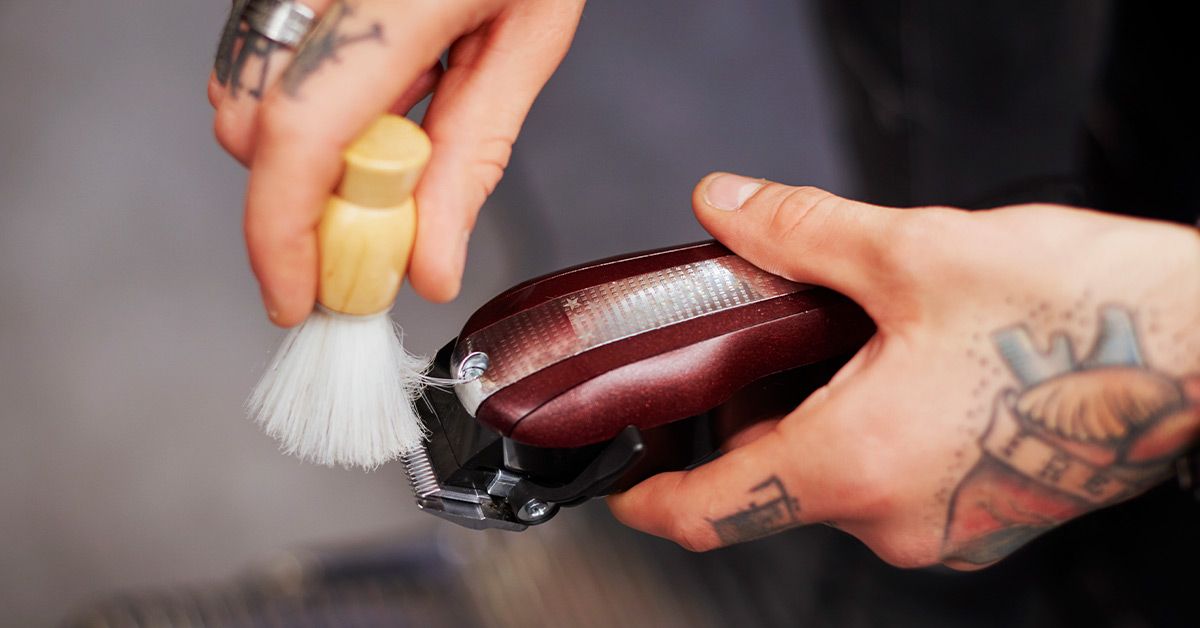
Option A: Electric trimmer (beginner-friendly)
- Best for: most people, especially first-timers
- Why: less risk of cuts and less irritation than shaving super close
- Pro tip: use a guard at first; you can always go shorter
Option B: Razor shaving (closest result, highest drama potential)
- Best for: people who really want a smooth finish and can commit to careful technique
- Risk: razor burn, ingrowns, and nicks if you rush
Option C: Depilatory creams (use extreme caution)
Some hair removal creams can irritate sensitive skin. If you ever try one, patch-test first and follow the product directions exactly. If it stings, wash it off immediately. (Your skin is not a science fair project.)
What to avoid:
- Old/dull razors
- “Dry shaving” (no water, no lather, no mercy)
- Sharing razors (please don’tever)
- Trying to get “perfectly smooth” by going over the same spot again and again
The Golden Rules of Groin Shaving
These are the rules that prevent most problems:
- Soften hair first. Warm water makes shaving easier and reduces tugging.
- Use slip. Shaving cream/gel reduces friction (aka the enemy).
- Use a clean, sharp blade. Dull blades pull hair and irritate skin.
- Shave with the grain. Going against hair growth can increase irritation and bumps.
- Light pressure, short strokes. You’re shaving hair, not sanding wood.
- Don’t rush. Fast shaving = surprise sting later.
Step-by-Step: How to Shave Your Balls (Safely)
We’re keeping this guide practical and skin-focused, without getting overly graphic. The key is control, visibility, and patience.
Step 1: Trim first (even if you plan to shave)
If hair is long, trim it down with a guard before using a razor. Long hair clogs blades and increases pullingboth of which can lead to irritation.
Step 2: Shower (or use warm water for a few minutes)
Shave at the end of a warm shower if possible. Warm water softens hair and helps reduce razor drag.
Step 3: Clean the area gently
Use mild soap or a gentle cleanser and rinse well. You want clean skin, not squeaky-stripped skin.
Step 4: Apply shaving gel or cream
Use a fragrance-free or “sensitive skin” formula if you’re prone to irritation. Let it sit for 30–60 seconds to soften hair.
Step 5: Use a clean, sharp razor (and keep it clean as you go)
Rinse the blade often. A clogged blade skips and tugs. Tugs lead to irritation. Irritation leads to regret.
Step 6: Shave with the direction of hair growth
For sensitive areas, shaving “with the grain” usually reduces razor burn and bumps. If you want closer results, do it in stages over multiple sessionsnot by forcing it in one go.
Step 7: Keep strokes short and pressure light
Short strokes give you more control. Light pressure reduces nicks. If you’re pressing hard, the blade might be dullor your expectations might be too high.
Step 8: Don’t keep shaving the same spot repeatedly
Going over the same patch again and again is a fast track to razor burn. If you missed hair, reapply lather and use one careful pass.
Step 9: Rinse with cool water
Cool water can help calm the skin and remove leftover product. Pat drydon’t rub.
Step 10: Moisturize (but choose wisely)
Use a gentle, fragrance-free moisturizer. Avoid heavily scented products or alcohol-based aftershaves. Your skin barrier will thank you.
Step 11: Wear loose, breathable clothing afterward
Friction and tight fabric can worsen irritation after shaving. If you can, go for softer, looser underwear for the rest of the day.
Step 12: Clean up your tools
Rinse the razor thoroughly, let it dry, and store it somewhere clean and dry. Don’t leave it sitting in a damp shower corner like a tiny rust factory.
Aftercare: How to Avoid Itch, Burn, and Bumps
Most “post-shave problems” are really “post-shave friction problems.” Your job after shaving is to keep skin calm and clean.
Best post-shave habits
- Moisturize: fragrance-free, gentle lotion or cream
- Reduce friction: loose clothing, avoid intense workouts immediately after if you get irritation
- Hands off: don’t pick or scratch bumps
Soothing options if you feel irritation
- Cool compress (clean cloth + cool water)
- Aloe vera gel (simple formulas are best)
- Colloidal oatmeal bath/soak for calming itchy skin
If irritation is mild, it often settles in a day or two. If it’s getting worse, spreading, or painful, pause hair removal and consider medical advice.
Common Problems (and How to Fix Them)
Razor burn
What it feels/looks like: stinging, redness, itchy irritation shortly after shaving.
What helps: stop shaving temporarily, cool compress, gentle moisturizer. Avoid harsh exfoliants until skin is calm.
Ingrown hairs / razor bumps
What it looks like: small bumps that show up later, sometimes tender. Ingrowns happen when hair curls back into the skin as it regrows.
What helps: avoid shaving too close, shave with the grain, don’t stretch skin while shaving, and consider trimming instead of shaving if this keeps happening.
Folliculitis (inflamed or infected hair follicles)
What it looks like: clusters of bumps, sometimes itchy or tender; can happen after shaving due to irritation or bacteria getting into follicles.
What helps: keep the area clean and dry, avoid friction, pause shaving, and use warm compresses. If you suspect infection (pain, spreading redness, pus), get medical care.
How Often Should You Shave?
There’s no universal schedule. Many people do better shaving less frequently and trimming in between. If you’re prone to bumps, shaving every day can keep the area in a constant cycle of irritation. A practical approach is:
- Trim weekly (or as needed) for comfort
- Shave occasionally when you have time to do it carefully and allow your skin to recover afterward
Hygiene and Safety: The “Don’t Share Razors” Section
Sharing razors can spread skin infections. Keep your grooming tools personal, clean, and dry. Use a clean towel, and wash sweaty workout clothes regularly. If you get cuts, keep them clean and covered while they heal.
FAQ: Quick Answers That Save Your Skin
Is it normal to itch when hair grows back?
Yes. Stubble can feel prickly, and friction makes it worse. Moisturizing and wearing softer, looser fabric helps.
Should I shave against the grain for a closer shave?
It can increase irritation and ingrowns for many people. If you’re new to this or prone to bumps, start with the grain.
What if I keep getting bumps no matter what?
Switch to trimming, shave less closely, and consider talking to a dermatologist if bumps are frequent or painful. Some people simply have skin/hair that hates close shaving.
Real-World Lessons and Experiences (What People Learn After a Few Tries)
Let’s talk about the “experience” partwhat people commonly notice after they try groin shaving a few times, and the lessons that tend to stick. Not dramatic stories. Just real patterns that show up again and again.
1) Most first-timers underestimate how much trimming matters. Many people jump straight to a razor and immediately discover that long hair + razor = clogged blade, tugging, and irritation. The “aha” moment is realizing that trimming isn’t a consolation prizeit’s step one. Even people who want a smooth shave later often end up trimming regularly and shaving only sometimes, because trimming gives comfort without the skin backlash.
2) “I’ll do it quickly” is the fastest route to regret. The groin area is not the place for speed-running. People who rush tend to use too much pressure, shave the same spot repeatedly, or miss that the blade needs rinsing. The result is usually razor burn that shows up as a burning, itchy rash laterright when you’d love to forget you ever shaved in the first place. A slow, careful shave takes longer up front but saves you from days of irritation afterward.
3) Product choice matters more than people expect. A lot of people learn (the hard way) that heavily scented soaps, alcohol-based splashes, or “cooling” products can irritate freshly shaved skin. The winners tend to be boring: fragrance-free shaving gel, simple moisturizer, and gentle cleanser. Your skin doesn’t need a fireworks show; it needs calm.
4) The day-after clothing mistake is real. A classic experience: someone shaves, feels great, then throws on tight jeans or snug underwear and goes about their day. Friction + sweat + freshly shaved skin can turn minor irritation into bumps. Many people find that switching to looser, breathable clothing for the rest of the day makes a noticeable differenceespecially if they’re prone to ingrowns.
5) The “perfectly smooth” goal is often unrealistic (and unnecessary). People sometimes chase baby-smooth results by shaving against hair growth or doing multiple passes. The common lesson: the closer the shave, the higher the risk of ingrown hairs and razor bumpsespecially for curly or coarse hair. Over time, many people settle into a routine that balances smoothness and comfort: shave with the grain, accept “smooth enough,” and let the skin win.
6) Ingrown hairs teach patience. When ingrowns happen, the temptation is to pick at them. But most people eventually learn that picking makes things worse (more inflammation, more irritation, sometimes infection). The smarter pattern is pausing shaving, keeping the area clean, using warm compresses for comfort, and letting the skin settle. If ingrowns are frequent, people often switch to trimming or shaving less closelybecause comfort beats constant bumps.
7) Everyone ends up creating their own “minimum effective routine.” After experimenting, many people find the smallest routine that works: warm shower, gentle cleanser, shaving gel, clean sharp blade, shave with the grain, rinse cool, moisturize. No complicated rituals. No ten-step influencer routine. Just consistent basics that respect sensitive skin.
Bottom line: The most common “experience” is realizing this isn’t about braveryit’s about technique and aftercare. If you treat it like skincare (not a race), you’re far more likely to get the results you want without the side effects you don’t.
Conclusion: Smooth Results, Calm Skin, Zero Regrets
If you remember only three things from this guide, make them these: trim first, use slip (shaving gel/cream), and shave gently with the grain using a clean, sharp blade. Add simple aftercarecool rinse, fragrance-free moisturizer, and loose clothingand you’ve already avoided most common problems.
And if your skin is sensitive or you keep getting bumps? Trimming is a totally legit endgame. Comfort is the real luxury.