
Note: This article is for practical herd-management education. Always work with a veterinarian, reproductive specialist, or extension professional when building an artificial insemination, synchronization, or breeding program.
Spotting estrus in cattle is part science, part patience, and part “why is that cow acting like she drank three espressos?” Estrus, commonly called heat or standing heat, is the stage of the reproductive cycle when a cow or heifer is sexually receptive and can be bred. For beef and dairy producers, learning how to tell when a cow or heifer is in estrus can improve pregnancy rates, reduce missed breeding opportunities, and make artificial insemination programs much less stressful.
The most important rule is simple: standing to be mounted is the primary sign of estrus. A cow that mounts others may be close to heat, in heat, or just leaving heat. But the cow or heifer that stands still while another animal mounts her is the one giving you the clearest breeding signal. Everything elsemucus, bawling, restlessness, a rough tailhead, swollen vulva, and extra friendlinessis helpful supporting evidence, not the final verdict.
Below are 15 practical steps to identify estrus accurately, avoid common mistakes, and build a better heat-detection routine for your herd.
Understanding Estrus Before You Start
What Is Estrus in Cows and Heifers?
Estrus is the period when a mature, non-pregnant female is receptive to breeding. Most cycling cows and heifers return to heat about every 21 days, though individual cycles can vary. Standing heat may be short, and some animals show stronger signs than others. That is why a good heat-detection system depends on repeated observation, careful records, and knowing what “normal” looks like for your herd.
Heifers can be especially tricky because they may show intense activity but shorter windows of standing heat. Postpartum cows can also be difficult, particularly if they are not cycling normally, are under nutritional stress, have health issues, or are experiencing “silent heat,” where ovulation occurs with few visible signs. In other words, cattle reproduction likes to keep producers humble.
How to Tell when a Cow or Heifer is in Estrus: 15 Steps
1. Watch for Standing Heat First
The clearest sign of estrus is when a cow or heifer stands firmly while another cow, heifer, or bull mounts her. She does not walk away, kick, duck, or dodge. She stands. This is why estrus is often called “standing heat.” If you remember only one point from this article, make it this: breed the animal that stands to be mounted, not simply the one doing the mounting.
A cow that attempts to mount others deserves attention, but she is not automatically ready to breed. She may be entering heat, leaving heat, or reacting to another animal that is actually in standing heat. The standing animal is the stronger signal.
2. Observe at the Right Times of Day
Heat detection works best when cattle are calm and not distracted. Early morning and late evening are prime observation periods because cattle are often more active then, especially in warm weather. Midday observations can miss a lot, particularly when animals are eating, resting, or trying to stay cool.
For best results, observe for about 20 to 30 minutes at least twice daily. More frequent checks are even better if labor allows. Avoid counting quick glances from a truck window as “heat detection.” Cows are talented at waiting until you leave to start the rodeo.
3. Look for Mounting Behavior
Mounting other animals is a strong secondary sign. A cow or heifer that repeatedly tries to mount herd mates may be approaching standing heat or may already be part of a sexually active group. Pay attention to whether she mounts once and walks away, or whether she keeps returning to the same group and showing interest.
Repeated mounting, chin resting, sniffing, licking, and following other cattle are all clues. Still, do not rely on mounting alone for breeding decisions. Use it as a reason to watch more closely.
4. Notice Restlessness and Increased Activity
Cattle in or near estrus often move more than usual. They may pace, bawl, walk fences, leave the feed area, or appear nervous. In dairy herds, activity monitors often detect this increase before a person sees standing heat. In beef herds, your eyes and records may do the same job if you are consistent.
The key is comparison. A naturally high-energy heifer may always act busy. A normally calm cow that suddenly turns into the pasture’s social director deserves a closer look.
5. Check for Clear Mucus Discharge
Clear, stringy mucus from the vulva is a classic secondary sign of estrus. It may hang from the vulva or be smeared on the tail, rump, or pin bones. This mucus is caused by hormonal changes and can indicate that the cow or heifer is approaching or in estrus.
However, mucus alone is not enough. Some cattle show mucus before standing heat, and some may show it after. Dirty, cloudy, foul-smelling, or abnormal discharge may suggest a health issue rather than normal estrus, so those animals should be evaluated carefully.
6. Examine the Vulva for Swelling and Redness
A cow or heifer in estrus may have a moist, slightly swollen, pink-to-red vulva. This sign is more useful when paired with behavior such as standing, mounting, or restlessness. On its own, vulva appearance can be misleading because irritation, injury, infection, or recent calving may also change how the vulva looks.
Think of vulva changes as a yellow sticky note, not a signed contract. It tells you to pay attention, not to make the breeding decision by itself.
7. Look for a Rough Tailhead or Rubbed Hair
When a cow stands to be mounted, the mounting animal often rubs the hair on her tailhead, rump, or back. A roughened tailhead, rubbed-off hair, mud on the rump, or dirty flanks can suggest that she has been mounted recently.
This sign is especially helpful if you missed the standing event. It may mean she was in heat during the night or during a time when no one was watching. Record the clue and monitor her closely, but remember that crowding, muddy lots, or rubbing against equipment can sometimes create similar marks.
8. Watch for Grouping Behavior
Cows and heifers in heat often form small active groups. You may see several animals sniffing, licking, mounting, or following each other while the rest of the herd is grazing quietly. These groups can be valuable because they point you toward animals that need closer observation.
Do not assume every animal in the group is in standing heat. Identify which one stands to be mounted. That is your strongest candidate for breeding.
9. Notice Changes in Appetite and Feed-Bunk Behavior
Some cattle in estrus spend less time eating. A cow that usually marches to the feed bunk like she owns the place but suddenly wanders, bawls, or ignores feed may be showing a heat-related behavior change.
This sign is more noticeable in dairy or confined feeding systems where daily feed behavior is easy to observe. In pasture systems, it may be harder to spot unless you know the animal well.
10. Use Tail Paint, Chalk, or Heat-Detection Patches
Heat-detection aids can improve accuracy, especially when standing heat occurs at night. Tail chalk, tail paint, scratch-off patches, and pressure-activated patches are placed near the tailhead. When another animal mounts the cow, the mark is rubbed, scratched, or activated.
These tools are helpful, but they are not magic. Mud, fences, low branches, poor placement, and rough handling can create false signals. Apply aids correctly, check them daily, and combine them with visual observation.
11. Keep Written or Digital Records
Good records turn heat detection from guesswork into management. Record the animal ID, date, time, observed signs, and whether she stood to be mounted. If she is bred, record the breeding date, sire, technician, semen type, and any unusual notes.
Records help you predict the next heat about three weeks later if she does not conceive. They also help identify animals with irregular cycles, repeated missed heats, possible pregnancy, or health concerns.
12. Understand Bloody Mucus After Heat
Bloody mucus may appear one to three days after estrus. This does not usually mean the cow is ready to breed at that moment. In fact, it often means the best breeding window has already passed. The smart move is to record the date and watch her carefully for the next cycle.
Many producers use this clue to improve the next heat check. If you see bloody mucus today, make a note to watch closely around 17 to 21 days later.
13. Adjust Detection During Hot Weather
Heat stress can reduce visible estrus behavior. Cattle may move less, mount less, and spend more time lying down or seeking shade. In hot weather, shift more observation to cooler hours, especially early morning, late evening, and night if possible.
Detection aids become even more valuable in summer. So do shade, water, cooling strategies, and low-stress handling. A cow that is busy fighting the weather may not show heat as dramatically as she would on a cool spring morning.
14. Know When to Breed After Standing Heat
For artificial insemination, many programs use a version of the AM-PM rule: cows first observed in standing heat in the morning are bred later that day, and cows first observed in standing heat in the evening are bred the next morning. The goal is to place viable sperm in the reproductive tract before ovulation.
Exact timing can vary by herd, semen type, synchronization protocol, and veterinarian recommendation. If you use sexed semen, fixed-time AI, or synchronization drugs, follow the protocol precisely. “Close enough” is not a reproductive strategy; it is how calendars become expensive decorations.
15. Watch for Silent Heat, Health Problems, and False Positives
Not every cow that ovulates shows obvious heat. Silent heat can occur, especially in postpartum cows, high-producing dairy cows, stressed animals, or cows recovering from health challenges. On the other hand, some pregnant cows or animals with abnormal conditions may show behavior that looks like heat.
If heat signs are confusing, use professional tools such as veterinary examination, ultrasound, pregnancy diagnosis, progesterone testing, activity monitoring, or a structured synchronization program. Accurate estrus detection is important, but it should not replace sound veterinary care.
Common Mistakes When Detecting Estrus
Breeding the Wrong Animal
The most common mistake is breeding the cow that mounts instead of the cow that stands. The mounting cow may be close, but the standing cow is usually the one in true standing heat. When in doubt, keep watching.
Checking Only Once a Day
Standing heat can be short. If you check only once daily, you may miss the best window. Twice-daily observation is a practical minimum for many herds, and three or four checks can improve accuracy during AI programs.
Observing During Feeding
Hungry cattle focus on feed, not romance. Heat detection during feeding can be unreliable because animals are distracted. Observe when cattle are relaxed and free to interact.
Ignoring the Environment
Slippery concrete, crowded pens, lameness, heat stress, and poor footing can reduce mounting behavior. If cattle are afraid to mount or stand, you may not see strong signs even when they are cycling.
Practical Experience: What Estrus Detection Looks Like in Real Herd Life
In real life, estrus detection rarely looks like a textbook photo with a helpful arrow saying, “Breed this one.” It often starts with something small. Maybe cow 214 is usually calm, but this morning she is bawling at the gate and following two heifers around like she is late for a meeting. Maybe a heifer that normally stays in the middle of the group is suddenly pacing the fence, sniffing other animals, and trying to mount anything with four legs and patience.
The best herd managers develop a habit of noticing patterns. They know which cows are bossy, which heifers are dramatic, which animals always have a dirty tail, and which ones change behavior when they come into heat. That everyday familiarity is powerful. A small behavior change in one animal can say more than a dramatic sign in another.
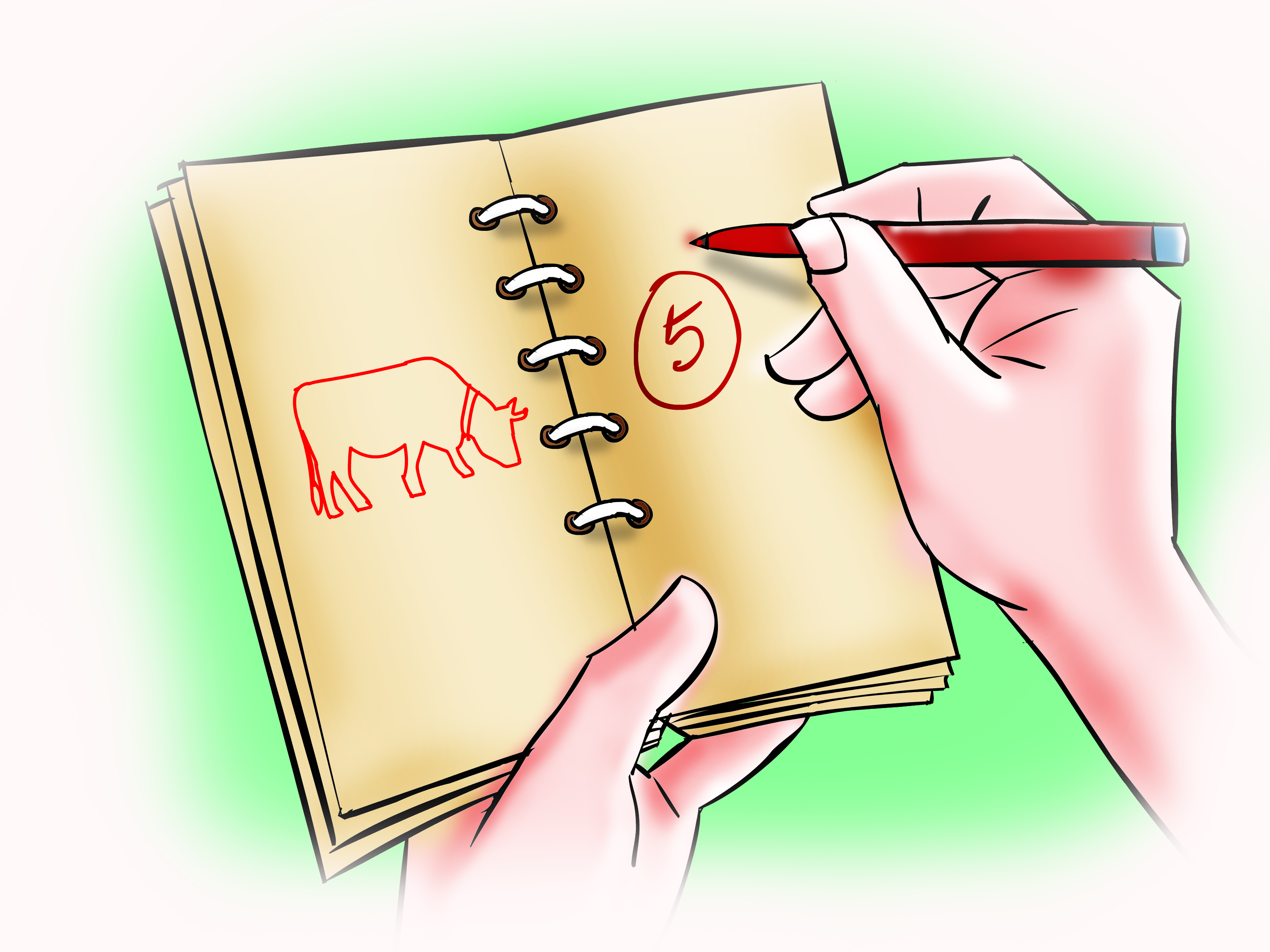
One useful practice is to carry a notebook, phone app, or herd-management sheet during checks. Write down more than “in heat.” Record what you actually saw: “stood twice at 6:40 a.m.,” “mounted others but would not stand,” “clear mucus,” “tail chalk rubbed,” or “bloody mucus.” These details matter later. If the cow does not settle, your records help predict when to watch again. If several cows show weak signs, your notes may reveal a heat-stress problem, poor footing, nutrition issue, or labor gap.
Another practical tip is to observe quietly. Cattle act differently when people burst into the pen, rattle gates, or bring feed. Stand back. Watch the group. Give them time to forget you are there. Estrus behavior is often easiest to see when cattle are calm and comfortable. A producer who waits 20 minutes may catch what a producer who drives by in 20 seconds misses.
Detection aids are also best treated as helpers, not judges. Tail paint rubbed halfway off is a clue. A fully activated patch is a stronger clue. But neither replaces watching the animal. In muddy weather, tight pens, brushy pastures, or crowded lots, marks can lie. The cow cannot explain herself, so your job is to collect multiple clues before making a decision.
For heifers, patience is especially important. They may be active and curious before they are truly ready to stand. Watch for repeated behavior and standing response. For postpartum cows, do not panic if early cycles are subtle. Focus on nutrition, body condition, uterine health, and reducing stress. A cow cannot express strong reproductive behavior if her body is still trying to recover, produce milk, raise a calf, and survive July.
The real “secret” is consistency. The producer who observes at the same times, records clear details, uses aids correctly, and follows up on questionable animals will usually outperform the producer who relies on memory and luck. Luck is nice. Records are better. And in cattle breeding, the difference between “I think she was in heat” and “she stood at 7:10 p.m. and again at 7:18 p.m.” can be the difference between an open cow and a calf on the ground next season.
Conclusion
Knowing how to tell when a cow or heifer is in estrus begins with one essential sign: standing to be mounted. Secondary signs such as mounting, clear mucus, restlessness, bawling, swollen vulva, rough tailhead hair, dirty flanks, and grouping behavior can help you identify which animals need closer attention. But the best results come from combining observation, records, heat-detection aids, good timing, and professional reproductive guidance.
Estrus detection is not about guessing louder. It is about watching smarter. When you understand the 15 steps above, you can reduce missed heats, improve breeding decisions, and build a more efficient reproductive program for cows and heifers.