
Note: This article is for general educational purposes only. Medicare rules, formularies, pharmacy networks, and plan costs can change, so readers should confirm details with Medicare, their plan, pharmacist, doctor, or a licensed Medicare counselor before making coverage decisions.
Introduction: The short answer is yesbut Medicare likes a plot twist
If you are asking, “Is insulin covered by Medicare?” the good news is simple: yes, Medicare can cover insulin. The slightly less charming news is that the answer depends on how you use insulin, which part of Medicare pays for it, and whether your specific insulin is listed by your drug plan. Medicare coverage can feel like reading a restaurant menu written by a committee of accountants, but the basic idea is manageable once you separate insulin into two buckets: insulin covered by Medicare Part B and insulin covered by Medicare Part D.
Here is the headline that matters most for many people with diabetes: for each Medicare-covered insulin product, the out-of-pocket cost is capped at no more than $35 for a one-month supply. You also do not have to meet a deductible for covered insulin. That rule applies to insulin covered under Part D and insulin covered under Part B when used with a covered durable insulin pump. In plain English, Medicare has put a leash on insulin costs. It is not perfect, but compared with the old “guess what the pharmacy register says today” routine, it is a major improvement.
Still, the $35 cap does not mean every insulin product is automatically covered by every Medicare plan. It also does not mean supplies, pumps, premiums, doctor visits, or glucose monitors are always free. This guide breaks down how Medicare insulin coverage works, what you may pay, what supplies are included, and how to avoid expensive surprises.
How Medicare covers insulin
Medicare covers insulin in different ways depending on how the insulin is delivered. This is the key to understanding the entire topic. If insulin is used with a traditional, non-disposable insulin pump that Medicare covers as durable medical equipment, it is generally handled by Medicare Part B. If insulin is injected with a pen or syringe, inhaled, or used with certain disposable or patch-style pumps, it is generally handled by Medicare Part D or a Medicare Advantage plan that includes drug coverage.
Medicare Part B insulin coverage
Medicare Part B is the medical insurance side of Medicare. It covers doctor services, outpatient care, some preventive services, durable medical equipment, and certain medications given in specific medical situations. For insulin, Part B coverage usually applies when a person uses insulin through a covered durable insulin pump.
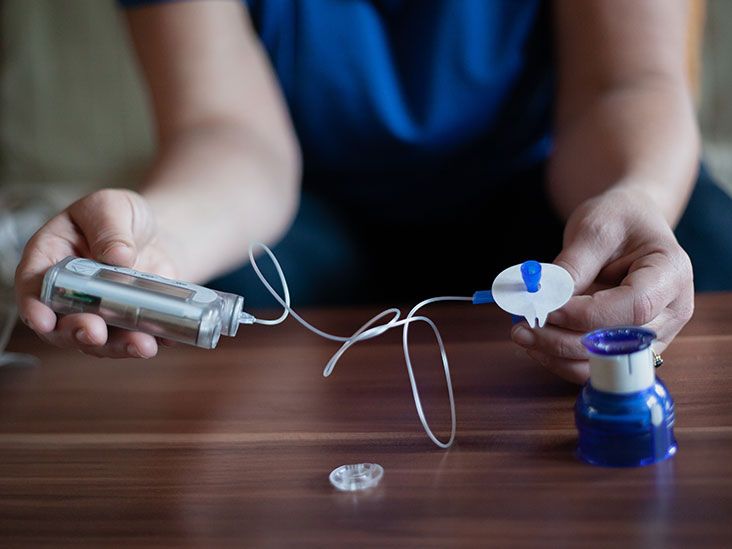
A durable insulin pump is generally a reusable medical device, not a disposable patch pump. If Medicare approves the pump as durable medical equipment, Part B may cover both the pump and the insulin used in it. The insulin itself is subject to the $35 monthly cap for each covered insulin product, and the Part B deductible does not apply to that insulin. The pump and pump supplies may have different cost-sharing rules, so this is where people should read the details instead of assuming the entire diabetes cabinet costs $35. Medicare is generous in one pocket and still wearing a tiny accountant hat in another.
Medicare Part D insulin coverage
Medicare Part D is prescription drug coverage. You can get it through a stand-alone Part D drug plan if you have Original Medicare, or through a Medicare Advantage plan that includes drug coverage. Part D commonly covers injectable insulin used with pens or syringes, inhaled insulin, and insulin used with pumps that are not covered as durable medical equipment, such as certain disposable patch pumps or pumps that use disposable cartridges.
Part D may also cover insulin-related supplies used for injections, including syringes, needles, alcohol swabs, and gauze. This point matters because Medicare Part B generally does not cover those supplies when they are used for routine insulin injections. A person with Part B only, but no Part D or drug coverage, may find that insulin pens and injection supplies are not covered the way they expected.
How much does insulin cost with Medicare?
For covered insulin products, Medicare limits the cost to no more than $35 for a one-month supply per insulin product. If you receive a three-month supply of a covered insulin, you generally should not pay more than $105 for that three-month supply of each covered insulin product. The “each product” wording matters. If your doctor prescribes two different covered insulins, such as a long-acting insulin and a rapid-acting insulin, the cap can apply separately to each one.
For example, imagine Mary uses one covered long-acting insulin at bedtime and one covered rapid-acting insulin before meals. If both products are covered by her Part D plan, her monthly insulin cost could be up to $35 for the long-acting insulin and up to $35 for the rapid-acting insulin. That is not the same as saying all insulin combined costs $35 total. Medicare’s rule is friendly, but it is not handing out unlimited insulin like Halloween candy.
The insulin deductible rule is also important. Medicare drug plans may have deductibles for many covered medications, but covered insulin is not subject to a deductible. That means you should not have to pay hundreds of dollars first before the insulin cap begins. Other drugs may still fall under the plan deductible, and Part D premiums still apply unless you qualify for help.
What types of insulin does Medicare cover?
Medicare can cover several categories of insulin, including rapid-acting, short-acting, intermediate-acting, long-acting, mixed, injectable, inhaled, and pump-administered insulin. However, coverage depends on the plan formulary. A formulary is a plan’s list of covered drugs. Every Medicare Part D plan has its own formulary, which means one plan may cover a specific brand or version of insulin while another plan may prefer a different product.
This is why people should check their exact insulin name during Medicare Open Enrollment or whenever they become eligible to choose coverage. “Insulin” is not specific enough. A pharmacist, doctor, or plan representative needs the product name, dosage form, strength, and quantity. There is a big difference between asking, “Do you cover insulin?” and asking, “Do you cover my exact rapid-acting insulin pen at my preferred pharmacy?” The second question is the one that saves people from surprise pharmacy counter drama.
Does Medicare Advantage cover insulin?
Medicare Advantage, also called Part C, is offered by private insurance companies approved by Medicare. Many Medicare Advantage plans include prescription drug coverage. If a Medicare Advantage plan includes Part D drug benefits, it may cover insulin through that drug benefit. If insulin is used with a covered durable pump, the plan may cover it under medical benefits in a way similar to Part B rules.
The $35 insulin cap applies to covered insulin products under Medicare Advantage drug coverage and to Part B-covered insulin used with covered pumps. But Medicare Advantage plans can have networks, prior authorization requirements, preferred pharmacies, and other plan rules. In other words, the cap is real, but the route to getting the insulin may still involve paperwork, plan rules, and a phone menu that tests your spiritual strength.
What insulin supplies are covered?
Insulin coverage is only part of the story. People also need supplies. Medicare Part D may cover supplies directly associated with insulin injections, such as syringes, needles, gauze, and alcohol swabs. Some plans may cover supplies for insulin delivery devices that are not covered by Part B. The cost-sharing for these supplies can differ from the insulin cost-sharing limit, so it is wise to check both the insulin and the supplies before choosing a plan.
Medicare Part B may cover certain diabetes equipment and supplies, including blood glucose monitors, test strips, lancets, lancet devices, glucose control solutions, insulin pumps, and some pump supplies when requirements are met. Continuous glucose monitors may also be covered when Medicare criteria are satisfied. These items are not always priced the same way as insulin, and some may require using Medicare-approved suppliers.
What Medicare does not automatically cover
Medicare does not automatically cover every insulin-related item in every situation. Part B generally does not cover insulin pens, syringes, needles, alcohol swabs, or gauze for routine insulin injections. Those are usually Part D issues. Part D plans do not have to cover every insulin product on the market, although covered insulin products are protected by the $35 monthly cap. A plan may also require the use of certain pharmacies or may place rules on refills, quantities, or prior authorization.
This is where many people get tripped up. They hear “Medicare covers insulin” and assume the entire process is automatic. Unfortunately, Medicare coverage is less like a light switch and more like a puzzle box. The pieces fit, but only after you turn them the right way.
How Extra Help affects insulin costs
Extra Help is a Medicare program for people with limited income and resources. It helps pay Part D premiums, deductibles, coinsurance, and other prescription drug costs. People who qualify for full Medicaid, receive help from a Medicare Savings Program, or get Supplemental Security Income may qualify automatically. Others can apply.
The $35 insulin cap applies even if someone receives Extra Help. In some cases, people with Extra Help may pay less than $35 for covered insulin. Extra Help can also reduce or eliminate Part D premiums and deductibles, which may make overall diabetes treatment much more affordable. For someone choosing between groceries, rent, and medication, applying for Extra Help is not a side quest. It can be the main mission.
What about the Medicare Part D out-of-pocket cap?
Medicare Part D also has an annual out-of-pocket limit for covered drugs. In 2026, the out-of-pocket cap for covered Part D drugs is $2,100. Once a person reaches that limit through qualifying out-of-pocket spending and certain payments made on their behalf, they pay $0 for covered Part D drugs for the rest of the calendar year.
Because covered insulin already has a monthly cap, many insulin users may not reach the annual limit through insulin alone. However, people who take multiple expensive medications for diabetes, heart disease, kidney disease, autoimmune conditions, or other chronic illnesses may benefit from the annual cap. Medicare also offers a Prescription Payment Plan option that can spread out-of-pocket Part D drug costs across the year. That payment option does not lower total costs, but it can help manage cash flow when medication expenses hit early in the year.
How to check whether your insulin is covered
The best way to check insulin coverage is to gather your medication list and compare Medicare drug plans carefully. Write down the exact insulin name, dose, form, quantity, and how often you fill it. Include supplies such as pen needles, syringes, alcohol swabs, and pump-related items. Then compare plans using Medicare’s plan comparison tools or speak with the plan directly.
Pay attention to these details:
- Whether your exact insulin is on the plan formulary
- Whether your preferred pharmacy is in network
- Whether mail order is available and cheaper
- Whether the plan has prior authorization or quantity limits
- Whether your insulin supplies are covered
- What the monthly premium costs
- Whether your other medications are also affordable
A plan with a low premium is not always the cheapest plan overall. If it does not cover your insulin or your other medications well, the “cheap” plan may become expensive very quickly. Medicare shopping is not glamorous, but neither is paying too much because you skipped the formulary check.
What if your Medicare plan does not cover your insulin?
If your plan does not cover the insulin your doctor prescribed, you still have options. First, ask your doctor whether a covered alternative would be medically appropriate. Some people can safely switch to a different insulin, while others cannot. Never switch insulin types, brands, timing, or dose without medical guidance. Insulin is not a casual swap like choosing a different flavor of yogurt.
Second, ask the plan about a formulary exception. A formulary exception is a request for the plan to cover a drug that is not normally on its covered list or to apply different coverage rules. Your doctor may need to explain why the requested insulin is medically necessary. If the plan denies the request, you can appeal. Medicare drug plans have appeal procedures, and people can ask for faster decisions when waiting could seriously harm their health.
Part B vs. Part D: Quick comparison
| Coverage situation | Usually covered by | Typical cost rule |
|---|---|---|
| Insulin used with a covered durable insulin pump | Medicare Part B | No more than $35 per month per covered insulin product |
| Injectable insulin used with pens or syringes | Medicare Part D | No more than $35 per month per covered insulin product |
| Inhaled insulin | Medicare Part D | No more than $35 per month if covered by the plan |
| Insulin used with disposable or patch-style pumps | Often Medicare Part D | Depends on plan coverage, with covered insulin capped |
| Syringes, needles, gauze, and alcohol swabs | Usually Medicare Part D | Plan cost-sharing may apply |
Common mistakes people make with Medicare insulin coverage
Mistake 1: Assuming Original Medicare alone covers all insulin
Original Medicare includes Part A and Part B. Part B may cover insulin only in specific pump-related situations. If you inject insulin with a pen or syringe and do not have Part D or Medicare Advantage drug coverage, you may have to pay the full cost yourself. This is one of the biggest and most expensive misunderstandings.
Mistake 2: Looking only at the premium
A low monthly premium is attractive, but it is only one part of the cost. A plan with a slightly higher premium may be better if it covers your insulin, other medications, and pharmacy needs more smoothly. The best plan is not always the cheapest-looking plan. It is the plan that works for your real medication list.
Mistake 3: Forgetting supplies
Insulin without supplies is like a car without keys. You may have the main thing, but you still cannot use it properly. Check pen needles, syringes, test strips, lancets, alcohol swabs, and pump supplies separately.
Mistake 4: Not reviewing coverage every year
Medicare drug plans can change formularies, pharmacy networks, premiums, and coverage rules each year. A plan that worked beautifully this year may become a little gremlin next year. Reviewing coverage during Open Enrollment can prevent expensive surprises.
Practical examples of Medicare insulin coverage
Example 1: James uses insulin pens
James has Original Medicare and a stand-alone Part D plan. He uses a long-acting insulin pen once daily. His insulin is on the plan formulary, and he fills it at a preferred network pharmacy. Because the insulin is covered under Part D, he pays no more than $35 for a one-month supply. His pen needles may also be covered under Part D, but they may have separate cost-sharing.
Example 2: Linda uses a durable insulin pump
Linda uses a traditional insulin pump that Medicare covers as durable medical equipment. Her insulin is covered under Part B because it is used with the pump. The insulin cost is capped at no more than $35 per month, and the Part B deductible does not apply to the insulin. However, the pump and some pump supplies may follow different Part B cost-sharing rules.
Example 3: Robert has no Part D plan
Robert has Original Medicare but never enrolled in Part D because he did not take many prescriptions when he first became eligible. Later, he starts using injectable insulin. Because routine injectable insulin is generally covered through Part D, he may have to pay out of pocket unless he enrolls in drug coverage or qualifies for another form of assistance. He may also face a Part D late enrollment penalty if he went without creditable drug coverage for too long.
How to save money on insulin with Medicare
To save money, start by checking plan coverage every year. Use your exact drug list, including insulin and supplies. Choose a pharmacy that is preferred by your plan when possible. Ask your doctor whether a covered alternative is appropriate if your insulin is not on the formulary. Apply for Extra Help if your income and resources may qualify. Ask your pharmacist to run the prescription through your Medicare plan rather than a discount card when you want spending to count toward your Part D out-of-pocket limit.
Also ask your doctor about diabetes self-management training, nutrition counseling, and glucose monitoring tools. Better diabetes management can reduce waste, prevent missed doses, and help avoid complications. Saving money is not only about the pharmacy receipt. It is also about having the right care plan, the right supplies, and fewer emergency “my blood sugar is doing parkour” moments.
Real-world experiences: What Medicare insulin coverage feels like in daily life
For many people, the $35 insulin cap feels like a breath of fresh air. Before the cap, insulin costs could vary wildly depending on the plan, the pharmacy, the deductible stage, and the time of year. Some people would arrive at the pharmacy expecting one price and leave wondering whether the register had accidentally charged them for a small appliance. Predictability matters. When someone knows their covered insulin will not exceed $35 per month per product, budgeting becomes less stressful.
A common experience is relief mixed with confusion. People hear about the $35 cap and assume every diabetes-related item is included. Then they discover that pen needles, syringes, testing supplies, pump supplies, or continuous glucose monitor accessories may follow different rules. This does not mean Medicare is refusing to help. It means insulin, delivery supplies, monitoring supplies, and equipment can travel through different coverage lanes. The problem is that Medicare does not always put up big friendly road signs. Beneficiaries often learn the rules at the pharmacy counter, which is not the ideal place to receive a financial plot twist.
Another real-world issue is plan variation. Two neighbors with diabetes may both have Medicare, both use insulin, and still have different experiences because they chose different Part D or Medicare Advantage plans. One person may use a preferred pharmacy and pay smoothly. Another may use an out-of-network pharmacy and face delays, higher supply costs, or confusion about coverage. This is why plan review matters. The best Medicare plan is personal. It depends on the medications, pharmacy, doctors, equipment, and budget of the person using it.
Caregivers often become the unofficial Medicare detectives. Adult children, spouses, and friends may help compare formularies, call plans, organize medication lists, and ask doctors for alternatives. A practical tip from many caregiver experiences is to create a one-page medication sheet. Include insulin names, doses, refill schedules, preferred pharmacies, prescriber names, and supplies. Keep it updated before Open Enrollment. This turns a stressful guessing game into a checklist.
People using insulin pumps may have a different experience from those using pens or syringes. Pump users often deal with Part B coverage, durable medical equipment suppliers, documentation requirements, and pump supply orders. Their insulin may be capped, but pump equipment can involve separate approvals and supplier rules. When everything works, it can feel seamless. When a supplier changes or paperwork is missing, it can feel like trying to assemble furniture with instructions written in ancient tax code.
The most helpful habit is asking specific questions. Instead of asking, “Is insulin covered?” ask: “Is my exact insulin covered by this plan?” “What will I pay at this pharmacy?” “Are my pen needles covered?” “Does this plan require prior authorization?” “What happens if my doctor changes my dose?” “Can I get a 90-day supply?” These questions help uncover the real cost before the refill is urgent.
Finally, many people learn that Medicare insulin coverage is not just about cost. It is about confidence. Diabetes management already requires planning meals, checking blood sugar, timing medication, keeping supplies on hand, and paying attention to symptoms. When insulin coverage is predictable, people can focus more on health and less on financial panic. That is the real value of clear Medicare insulin rules: fewer surprises, better planning, and a little more breathing room in everyday life.
Conclusion: So, is insulin covered by Medicare?
Yes, insulin is covered by Medicare when it meets the rules of the correct Medicare part or plan. Insulin used with a covered durable pump is generally covered under Part B. Injectable insulin, inhaled insulin, and insulin used with many non-durable or disposable insulin delivery systems are generally covered under Part D or Medicare Advantage drug coverage. For each covered insulin product, Medicare limits the cost to no more than $35 for a one-month supply, and the insulin deductible does not apply.
The most important action is to verify your exact insulin and supplies with your plan. Do not rely on general assumptions. Check the formulary, preferred pharmacies, supply coverage, and any plan rules. If a plan does not cover the insulin your doctor prescribes, ask about alternatives, exceptions, and appeals. If costs are still hard to manage, look into Extra Help and other assistance programs.
Medicare insulin coverage is much better than it used to be, but it still rewards people who ask detailed questions. Think of it as a practical health-care scavenger hunt: not exactly fun, but very worth completing when the prize is affordable access to insulin.