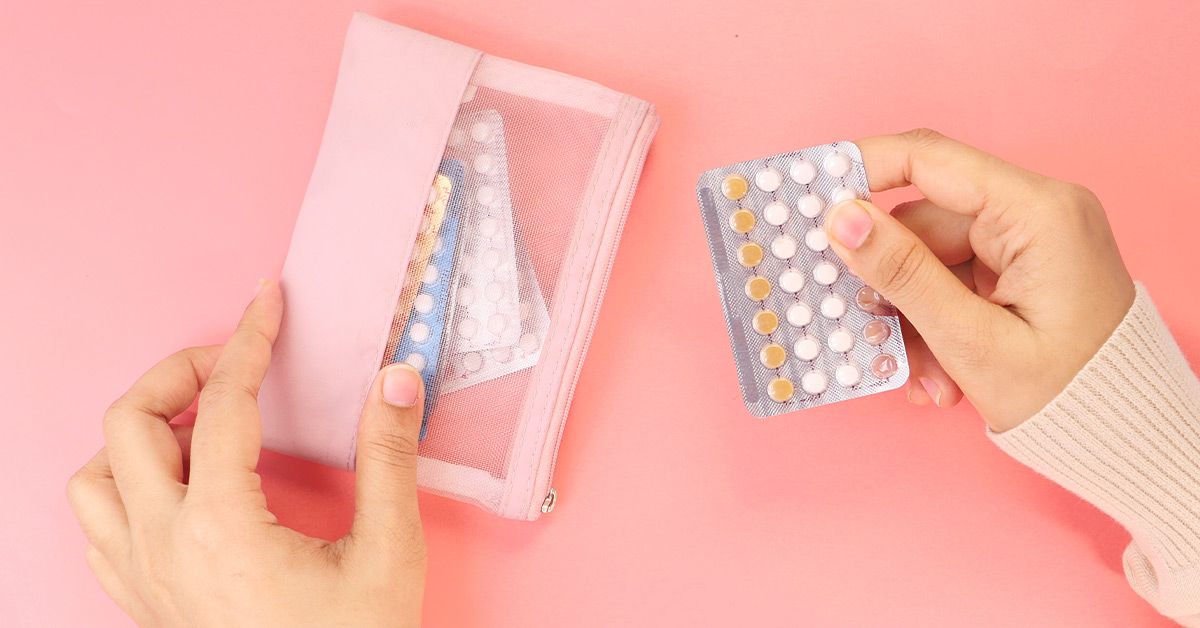

That tiny pill can create an impressively large amount of panic when it is still sitting in yesterday’s slot. You may immediately wonder: “I missed one birth control pill. Can I get pregnant?”
The honest answer is yes, pregnancy is technically possible, but missing one pill does not always create a major pregnancy risk. What matters most is the type of pill you take, how late the dose is, whether it was an active or inactive pill, where you are in the pack, and whether you recently had sex without a condom.
For many people taking a combination pill, one missed active tablet can be corrected without needing emergency contraception or backup protection. Progestin-only pills can be less forgiving, however, and their instructions vary by formulation. Before assuming the worstor asking the internet to predict your reproductive future like a weather appcheck the name and type of your pill.
Can Missing One Birth Control Pill Cause Pregnancy?
It can, but the chance is usually low when only one combination pill has been missed and the mistake is corrected promptly. The risk may be higher when you take a traditional progestin-only pill, miss pills near the beginning of a new pack, extend the hormone-free break, or have additional pill mistakes during the same cycle.
Birth control pills work partly by preventing ovulation. They may also thicken cervical mucus, making it harder for sperm to reach an egg, and change the uterine lining. Missing enough active hormones can allow these contraceptive effects to weaken.
One imperfect day does not automatically mean ovulation immediately restarts. The ovaries are not waiting beside a stopwatch, ready to launch an egg the second your reminder alarm goes unanswered. Still, you should take action rather than hoping the pill somehow notices your good intentions.
First, Find Out Which Pill You Take
Missed-pill instructions are not universal. Look at the pill package, pharmacy label, manufacturer’s information, or online patient portal to identify the exact product.
Combination Birth Control Pills
Combination pills contain estrogen and progestin. Most packs include 21 to 24 active hormonal pills followed by several inactive, placebo, or reminder pills. Some continuous-use packs contain active pills every day or have a different schedule.
Combination pills generally provide more flexibility when a single pill is taken late. Under current U.S. guidance, a pill is considered late when fewer than 24 hours have passed since it should have been taken. One pill is considered missed when 24 to less than 48 hours have passed.
Traditional Progestin-Only Pills
Traditional progestin-only pills containing norethindrone or norgestrelincluding the over-the-counter norgestrel pill Opillhave a much narrower timing window. A dose taken more than three hours later than the previous day’s scheduled time is generally treated as a missed pill.
These pills rely heavily on keeping cervical mucus thick. After a missed dose, it can take about two days of correct pill-taking for dependable protection to return.
Drospirenone Progestin-Only Pills
Drospirenone-only pills, such as Slynd, have different missed-dose instructions. Missing one active pill by less than 48 hours generally does not require backup contraception. Missing two or more active pills usually requires backup protection for seven days.
This difference is why advice from a friend taking “the minipill” may not apply to your prescription. The brand and active ingredient matter.
What Should I Do After Missing One Pill?
| Pill situation | Recommended next step | Backup contraception |
|---|---|---|
| One combination pill is late or missed by less than 48 hours | Take it as soon as possible and continue the pack on schedule, even if that means taking two pills in one day | Usually not needed |
| Two or more combination pills are missed | Take the most recently missed pill, discard earlier missed pills, and continue normally | Use condoms or avoid vaginal sex for seven consecutive days of active pills |
| Norethindrone or norgestrel pill is more than three hours late | Take it immediately and take the next pill at the normal time | Use condoms or avoid vaginal sex for the next 48 hours |
| One drospirenone active pill is missed by less than 48 hours | Take it as soon as possible and continue normally | Usually not needed |
| Two or more drospirenone active pills are missed | Take the most recent missed pill and continue the pack | Use backup contraception for seven days |
| An inactive or placebo pill is missed | Discard it and continue the pack | Not needed if the next pack starts on time |
Taking two pills on the same day to correct a missed dose is generally expected under standard instructions. It may cause temporary nausea or spotting, but it does not mean you have dangerously “overloaded” your contraception.
When Is the Pregnancy Risk Higher?
A single missed combination pill is often manageable. Certain circumstances, however, deserve more attention.
You Missed Pills at the Beginning of the Pack
The first week can be a higher-risk time because the missed dose may extend the hormone-free interval that occurred during the placebo week. If two or more active combination pills were missed during the first week and you had unprotected vaginal sex within the previous five days, emergency contraception may be appropriate.
You Started a New Pack Late
Starting the next pack late is not the same as casually taking a pill a few hours behind schedule. It can lengthen the number of hormone-free days, giving ovarian activity more time to restart.
You Missed More Than One Active Pill
Pregnancy risk rises as the gap between active pills grows. Once 48 hours or more have passed since a combination pill should have been taken, use backup contraception until you have taken active pills correctly for seven consecutive days.
You Had Vomiting or Severe Diarrhea
Vomiting shortly after taking a pill may prevent the medication from being absorbed. Severe or prolonged diarrhea can create a similar concern. Instructions vary by product, so check the package insert and treat the situation as a possible missed dose when directed.
You Take a Medication That Interferes With the Pill
Most common antibiotics do not cancel birth control pills. However, rifampin and certain medications used for seizures, HIV, or other conditions can reduce hormonal contraceptive effectiveness. St. John’s wort may also interfere. Ask a pharmacist about interactions rather than assuming every prescription is secretly plotting against your pill.
Do I Need Emergency Contraception?
Emergency contraception is not usually necessary after one combination pill has been missed by less than 48 hours. It may be worth considering when:
- You missed two or more active combination pills during the first week.
- You started a new pack late and had unprotected vaginal sex.
- You missed a traditional progestin-only pill and had unprotected sex.
- You are uncertain how many pills were missed.
- Your pill instructions specifically recommend emergency contraception.
Emergency contraception works best when used as soon as possible after unprotected sex. Options include levonorgestrel morning-after pills, prescription ulipristal acetate, and a copper intrauterine device placed by a healthcare professional.
Levonorgestrel emergency contraception is most effective when taken promptly, especially within three days, although it may offer some benefit for up to five days. Ulipristal acetate can be used for up to five days. A copper IUD placed within five days is the most effective emergency contraceptive option and can continue providing long-term contraception.
Do not improvise by swallowing a random handful of regular birth control pills. Some specific combination-pill regimens can be used for emergency contraception, but the required dose depends on the product and should be calculated by a healthcare professional.
Restarting Birth Control After Emergency Contraception
After taking levonorgestrel emergency contraception, regular hormonal contraception can generally be restarted immediately. Use condoms or avoid vaginal sex for seven days while protection is restored.
Ulipristal acetate interacts differently with hormonal contraception. Current guidance generally recommends waiting at least five days before restarting a progestin-containing birth control method, followed by backup contraception after restarting. Ask a pharmacist or clinician for product-specific instructions.
When Should I Take a Pregnancy Test?
A test taken immediately after sex cannot tell you whether that sexual encounter caused pregnancy. The body needs time to produce enough human chorionic gonadotropin, or hCG, for a urine test to detect.
Consider taking a home pregnancy test:
- On or after the day your period is expected if your cycles are predictable.
- Three weeks after the unprotected sex or pill mistake if your periods are irregular or absent.
- Three weeks after using emergency contraception if you have not had a period or withdrawal bleed.
- Whenever a healthcare professional advises testing because of several missed pills.
Birth control hormones do not prevent a pregnancy test from detecting hCG. If a test is negative but your period still does not arrive, repeat the test several days later or contact a healthcare professional.
Does Spotting Mean I Am Pregnant?
Not necessarily. Missing a pill, doubling up after a missed dose, restarting hormones, and taking emergency contraception can all cause spotting or breakthrough bleeding. You may also notice that your next withdrawal bleed comes earlier, later, lighter, or heavier than usual.
Bleeding patterns alone cannot confirm or exclude pregnancy. A properly timed pregnancy test is far more useful than inspecting every spot and asking it to reveal the future.
Common Questions About One Missed Birth Control Pill
What if I took my combination pill a few hours late?
Take it when you remember and continue as usual. A combination pill taken several hours late generally remains effective, and backup contraception is normally unnecessary.
What if I accidentally took two pills?
Taking two on the same day is commonly recommended when correcting a missed pill. Temporary nausea, breast tenderness, or spotting can occur.
What if I missed a placebo pill?
Placebo pills contain no contraceptive hormones. Missing one does not reduce protection. The important part is starting the next active pack on schedule.
Does the pill protect against sexually transmitted infections?
No. Birth control pills prevent pregnancy but do not prevent sexually transmitted infections. Condoms can reduce STI risk and provide useful backup pregnancy protection.
Should I stop taking the pill while waiting to test?
Usually, no. Continue taking your pills unless a healthcare professional tells you otherwise. Stopping unnecessarily may increase the risk of ovulation and create additional confusion about bleeding.
How to Avoid Missing Another Pill
Missing a dose is common and does not mean you are irresponsible. Daily medication has to compete with school, work, travel, sleep, family obligations, and the mysterious ability of phones to lose battery power exactly when an alarm is needed.
Helpful strategies include pairing the pill with a daily habit, setting two alarms, keeping the pack somewhere visible but private, carrying a spare pack when permitted, and ordering refills before the final week. A medication-reminder app can also track whether you actually swallowed the pill rather than merely dismissing the notification.
If missed pills happen frequently, ask about methods that do not require a daily routine, such as a contraceptive patch, ring, injection, implant, or IUD. The best method is not the one that sounds most impressive in a brochure. It is the one you can use safely, consistently, and comfortably.
Conclusion: One Missed Pill Is Usually Fixable
Missing one birth control pill does not automatically mean you will become pregnant. For most combination-pill users, taking the missed active pill as soon as possible and continuing the pack is enough. Traditional progestin-only pills require faster action and backup contraception when a dose is more than three hours late.
Check your exact product, correct the missed dose, use condoms when recommended, and consider emergency contraception when the error happened during a higher-risk window. When uncertainty remains, a pharmacist or healthcare professional can usually clarify the situation quicklyand with considerably less drama than a midnight search spiral.
Real-Life Experiences After Missing One Birth Control Pill
The following composite examples reflect situations commonly discussed with pharmacists and reproductive healthcare providers. They are not stories about specific patients, but they show how the same phrase“I missed one pill”can describe very different levels of pregnancy risk.
Experience One: The Combination Pill Found the Next Morning
Jordan normally took a combination pill at 9 p.m. While getting ready for work the next morning, Jordan noticed that Tuesday’s active pill was still in the pack. About 12 hours had passed.
The first reaction was panic. The second was opening six browser tabs, three of which appeared to disagree because they were describing different pill types. After checking the package name, Jordan confirmed it was a combination pill. The forgotten pill was taken immediately, and Wednesday’s pill was taken at the regular evening time.
Because fewer than 24 hours had passed, the dose was considered late rather than fully missed. Backup contraception was not required. A small amount of spotting appeared later that week, but it was a hormonal side effectnot proof that contraception had failed.
Experience Two: An Opill Dose Taken Four Hours Late
Maya used an over-the-counter norgestrel pill and usually took it at 7 a.m. One Saturday, sleeping late turned 7 a.m. into 11:15 a.m. With many combination pills, four hours would not be a major problem. With this traditional progestin-only pill, it exceeded the three-hour window.
Maya took the pill immediately, continued the next doses at the regular time, and used condoms for the following 48 hours. Because vaginal sex without a condom had occurred the previous night, Maya contacted a pharmacist to discuss emergency contraception rather than guessing which product to take.
The experience demonstrated why knowing the pill’s active ingredient is more useful than simply knowing that it is “birth control.” Two packages can look similar while following very different rules.
Experience Three: The Placebo-Pill False Alarm
Alex dropped a pill down the sink and assumed the entire month’s protection had been destroyed. A closer look showed that the missing tablet was one of the inactive reminder pills at the end of the pack.
Because the pill contained no contraceptive hormone, it could be discarded. Alex continued the reminder week and started the next pack on the correct day. The real danger would have been delaying the next pack while trying to replace a pill that did not need replacing.
This is a common source of unnecessary anxiety. Placebo pills help maintain a daily routine, but skipping one does not create the same risk as missing an active pill.
Experience Four: “One Pill” Was Actually a Longer Gap
Sam remembered missing Monday’s combination pill on Wednesday morning. At first, Sam described this as missing one pill. Looking carefully at the pack revealed that Tuesday’s pill had also been missed, meaning at least 48 hours had passed without active hormones.
Sam took the most recent missed pill, left the earlier missed pill in the pack, continued the remaining pills, and used condoms for seven days. Because the missed pills were in the first week and unprotected sex had occurred recently, a healthcare professional recommended discussing emergency contraception.
The lesson was simple: count the hours and inspect the pack. Memory is not always a reliable accountant, especially during a stressful week.
Experience Five: Building a Better Routine
After several late pills over three months, Taylor realized the problem was not a lack of motivation. The 10 p.m. schedule simply did not fit a routine that changed every evening.
Taylor moved the pill to breakfast time with guidance from a pharmacist, set a recurring alarm, and stored the package beside a morning item used every day. A second reminder asked, “Did you take it?” rather than merely announcing the time.
For some people, these small adjustments solve the problem. Others decide that a daily pill creates too many opportunities for mistakes and choose a longer-acting method. Neither response is a failure. Good contraception should work with real life, including the parts of real life that forget alarms, oversleep, travel, and occasionally knock medication into a sink.
Across all these experiences, the most useful steps were the same: identify the exact pill, determine how much time passed, follow the product instructions, use backup contraception when required, and seek prompt advice when recent unprotected sex makes emergency contraception relevant.