
Massage therapy has a magical reputation. One hour on the table and suddenly your shoulders stop acting like they are storing unpaid bills, unresolved emails, and the entire weight of modern civilization. But then comes the less relaxing question: is massage therapy covered by insurance?
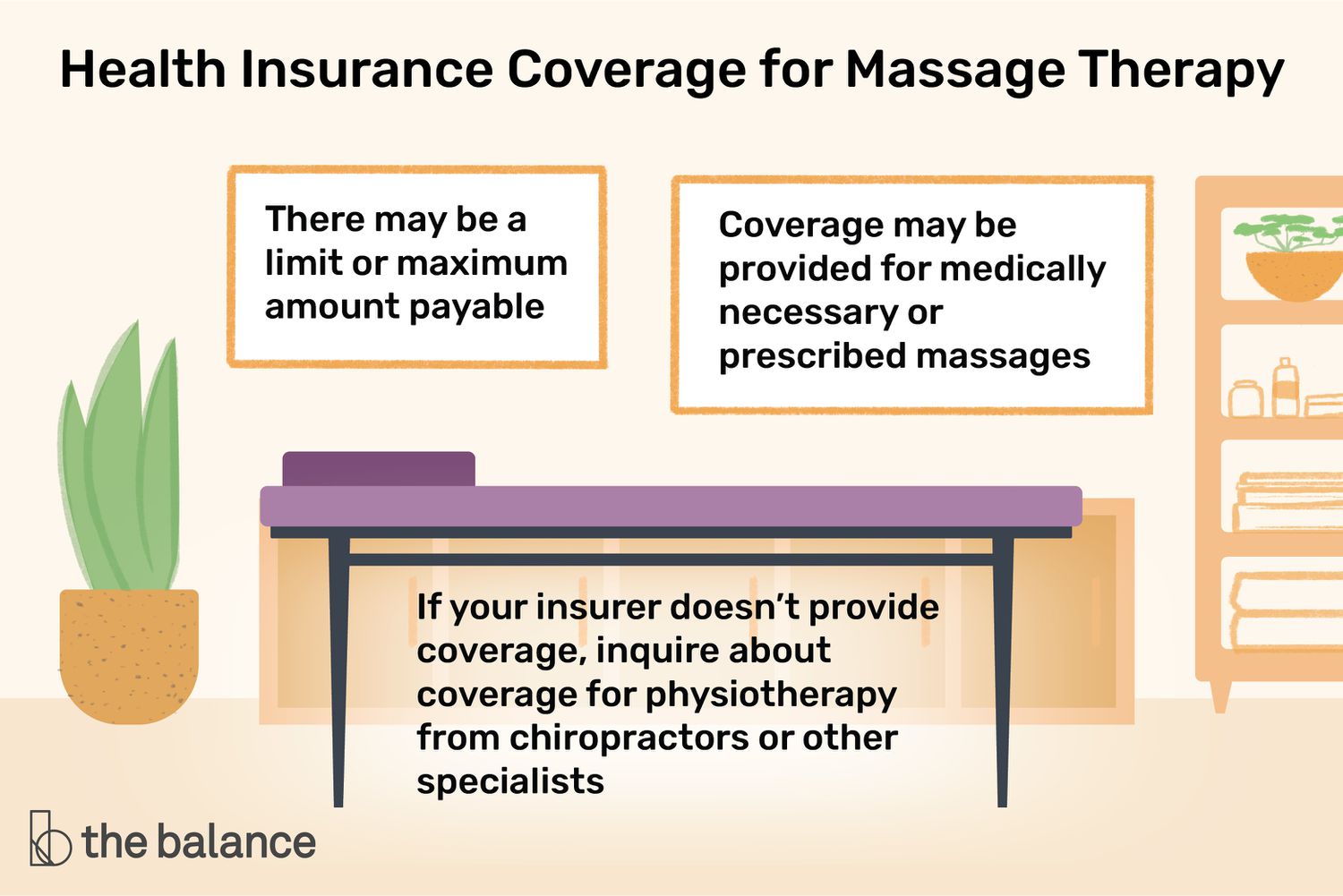
The honest answer is: sometimes, but not automatically. In the United States, insurance coverage for massage therapy depends on your plan, the reason for treatment, who provides it, whether it is considered medically necessary, and whether the visit is billed under a covered rehabilitation or physical medicine benefit. A spa massage for general relaxation is usually an out-of-pocket expense. A medically prescribed massage that is part of a treatment plan for pain, injury recovery, muscle spasm, or functional improvement may have a better chance of coverage.
In other words, insurance companies are not usually moved by the argument, “My back feels like a folding chair from 1997.” They want documentation, diagnosis codes, treatment plans, provider credentials, and proof that the massage is more healthcare than “treat yourself Tuesday.”
So, Is Massage Therapy Covered by Health Insurance?
Massage therapy may be covered by some private health insurance plans when it is connected to a diagnosed medical condition and delivered as part of a medically necessary treatment plan. Coverage is more likely when massage is performed by, or under the supervision of, a covered healthcare provider such as a physical therapist, occupational therapist, chiropractor, or licensed medical provider within the plan’s network.
Coverage is less likely when massage is booked independently with a massage therapist for relaxation, stress relief, wellness, or general comfort. That does not mean the massage is useless. It simply means your insurer may see it as a personal wellness expense rather than a covered medical service.
The Big Difference: Wellness Massage vs. Medical Massage
The phrase “massage therapy” can mean different things depending on the setting. A relaxation massage at a spa and a therapeutic massage used during rehabilitation may feel similar to the person on the table, but insurance companies treat them very differently.
Wellness massage is usually for relaxation, general stress reduction, improved comfort, or self-care. It is typically not covered by standard health insurance. Medical massage, on the other hand, is tied to a specific condition, injury, diagnosis, or functional limitation. It may be used to reduce muscle spasm, improve range of motion, support recovery after injury, or help a patient participate in physical therapy.
The more clearly massage is connected to a medical need, the stronger the coverage argument becomes. The more it sounds like “I just needed a break from being a human,” the more likely you are paying with your own card.
When Insurance Is More Likely to Cover Massage Therapy
Insurance coverage for massage therapy is most realistic when several pieces line up correctly. Think of it like making a sandwich, except the bread is paperwork and the filling is medical necessity.
1. You Have a Diagnosed Medical Condition
Insurers usually want a specific diagnosis. Examples may include chronic back pain, neck pain, muscle spasms, injury-related soft tissue pain, post-surgical stiffness, limited mobility, or rehabilitation after an accident. A vague complaint like “I feel tense” may not be enough.
2. A Doctor or Qualified Provider Recommends It
A prescription, referral, or letter of medical necessity can make a major difference. The document should explain why massage therapy is needed, what condition it treats, how long treatment should last, and what improvement is expected.
3. The Provider Is Eligible Under Your Plan
Some plans may only cover therapy services when performed by licensed physical therapists, occupational therapists, or in-network rehabilitation providers. A licensed massage therapist may be highly skilled, but your insurance plan may not recognize that provider type for reimbursement.
4. The Massage Is Part of a Treatment Plan
Coverage is often stronger when massage is not a stand-alone service. For example, it may be covered as one part of physical therapy after a shoulder injury, knee surgery, or car accident. The insurer wants to see that massage supports a measurable goal, such as better mobility, reduced pain during movement, or improved ability to perform daily activities.
5. The Billing Codes and Documentation Match the Service
Medical billing is not exactly a party game, unless your parties involve claim forms and mild emotional damage. Massage therapy may be billed using specific physical medicine codes, but whether the code is covered depends on the plan. Proper notes, time spent, treatment area, diagnosis, and provider credentials matter.
When Massage Therapy Is Usually Not Covered
Massage therapy is commonly denied when it is considered comfort care, wellness care, alternative treatment, or not medically necessary. A massage for relaxation, better sleep, general stress, muscle soreness after workouts, or “because life is doing push-ups on my spine” is usually not enough for standard insurance coverage.
It may also be denied if your therapist is out of network, your plan excludes massage therapy, prior authorization was required but not obtained, or your benefits only cover physical therapy and not massage therapy as a separate service.
Does Medicare Cover Massage Therapy?
Original Medicare generally does not cover massage therapy. Medicare Part B may cover medically necessary outpatient physical therapy, but massage therapy itself is listed as a non-covered service. Medicare also does not usually cover massage ordered by a chiropractor, even though Medicare has limited coverage for manual manipulation of the spine when medically necessary.
Some Medicare Advantage plans may offer extra wellness or supplemental benefits, but those benefits vary by plan, location, and year. Anyone with Medicare Advantage should check the plan’s Evidence of Coverage or call member services before assuming massage is included.
Does Medicaid Cover Massage Therapy?
Medicaid coverage varies by state because states administer their own Medicaid programs within federal guidelines. Some states cover rehabilitative services such as physical therapy and occupational therapy, but massage therapy as a stand-alone benefit is uncommon. If massage is included at all, it is more likely to be part of a broader rehabilitation plan, pain management program, or state-specific benefit.
The key step is to check your state Medicaid handbook or managed care plan. Medicaid rules can be very specific about provider type, diagnosis, referral requirements, and service limits.
Does Private Insurance Cover Massage Therapy?
Private insurance is where the answer gets interesting. Some plans may cover massage therapy when it is medically necessary and part of physical therapy. Others exclude massage completely, even if your doctor recommends it. Still others may allow reimbursement through alternative care benefits, chiropractic benefits, or rehabilitation benefits, but only under strict rules.
Employer-sponsored plans can differ even when they use the same insurance company. Two people may both say they have “Blue Cross,” “Aetna,” “Cigna,” or “UnitedHealthcare,” yet one plan may cover a related therapy service and the other may not. Insurance cards are small; benefit rules are not.
Questions to Ask Your Insurance Company
Before booking sessions, call the number on your insurance card and ask direct questions. Do not simply ask, “Do you cover massage?” That question can produce a quick “no” even when a related therapy benefit might apply. Instead, ask:
- Does my plan cover massage therapy when medically necessary?
- Is massage covered under physical therapy, chiropractic care, rehabilitative services, or alternative medicine?
- Do I need a referral, prescription, or prior authorization?
- Must the provider be in network?
- Are licensed massage therapists covered providers under my plan?
- Are there visit limits, copays, coinsurance, or deductible requirements?
- Which billing codes are eligible?
- Can I submit a superbill for reimbursement?
Write down the representative’s name, date, and reference number for the call. If a claim is denied later, those notes may help during an appeal.
Can You Use an HSA or FSA for Massage Therapy?
Massage therapy may be eligible for reimbursement through a Health Savings Account (HSA), Flexible Spending Account (FSA), or Health Reimbursement Arrangement (HRA) when it treats a specific medical condition. In many cases, you will need a Letter of Medical Necessity from a qualified healthcare provider.
The letter should identify the medical condition, explain why massage is recommended, state the expected duration or frequency, and show that the service is primarily for treatment rather than general wellness. Without that documentation, massage is often considered a personal expense.
For example, massage for a diagnosed back injury may qualify with proper documentation. A monthly massage because your calendar looks like it was designed by a raccoon with a keyboard probably will not.
What About Workers’ Compensation or Auto Insurance?
Massage therapy may be covered more often in workers’ compensation or auto injury cases than in standard health insurance, but the rules depend on state law, claim approval, medical necessity, and provider authorization. If massage is prescribed after a workplace injury or car accident, it may be included as part of rehabilitation.
However, these cases require careful documentation. The treatment usually must relate directly to the injury, be authorized by the claim administrator, and be provided by an approved provider. Skipping approval first can turn a potentially covered session into a surprise bill wearing a tiny villain cape.
How to Improve Your Chances of Getting Massage Therapy Covered
There is no magic phrase that forces an insurance company to pay for massage therapy. But there are smart steps that can improve your odds.
Start With Your Doctor
Ask your healthcare provider whether massage therapy is appropriate for your condition. If yes, request a referral or letter of medical necessity. The more specific the letter, the better.
Check Benefits Before Treatment
Verify your coverage before scheduling. Ask whether the service requires prior authorization. If the answer is yes, get approval before the first visit.
Choose the Right Provider
If your plan only covers therapy from in-network physical therapy clinics, booking an independent massage therapist may not qualify. Ask both the insurer and provider’s office how the service will be billed.
Keep Every Receipt and Treatment Note
Save invoices, superbills, prescriptions, letters, and claim forms. Documentation is the difference between “maybe reimbursable” and “good luck, brave citizen.”
Appeal Denials When Appropriate
If your claim is denied, read the denial reason carefully. Sometimes claims are rejected because of missing documentation, wrong codes, out-of-network status, or lack of prior authorization. If you have strong medical support, you may be able to appeal.
Common Reasons Massage Therapy Claims Get Denied
Massage therapy claims are often denied for predictable reasons. The plan may exclude massage therapy. The provider may not be recognized as eligible. The treatment may not be considered medically necessary. The claim may lack diagnosis codes or treatment notes. The patient may have exceeded visit limits. Or the massage may have been performed for general wellness rather than a diagnosed condition.
Another common problem is assuming that a doctor’s recommendation automatically equals insurance approval. A doctor can recommend massage, but the insurance company still decides whether the service fits the plan’s coverage rules. That gap is where many wallets go to sigh dramatically.
Real-World Examples of Massage Therapy Coverage
Example 1: Covered Through Physical Therapy
A patient recovering from a shoulder injury attends physical therapy. The therapist uses manual therapy and massage techniques during the session to reduce muscle guarding and improve range of motion. Because the treatment is part of a covered physical therapy plan, the patient pays only the normal therapy copay.
Example 2: Denied as Wellness Care
A person books a deep tissue massage for general stress and submits the receipt to insurance. The claim is denied because there is no diagnosis, no referral, no treatment plan, and the provider is not covered under the plan. The massage may have helped, but the insurer sees it as wellness, not medical care.
Example 3: Reimbursed With an FSA
A patient with chronic neck pain receives a letter of medical necessity from a physician. The patient pays for massage therapy and submits the required documentation to an FSA administrator. The expense is approved because it is tied to a medical condition and supported by proper paperwork.
Personal Experiences and Practical Lessons From the Massage Coverage Maze
People often discover the rules around massage therapy coverage the hard way: after they have already paid. One common experience is the “I thought my insurance covered therapy” surprise. A person hears that their plan covers physical therapy, assumes massage therapy is included, books several sessions, and then learns that the provider was not in network or the service was not covered as a stand-alone benefit. The lesson is simple but important: coverage categories sound broader than they are. “Therapy” does not always mean every therapy.
Another familiar story involves the doctor’s note. A patient with lower back pain asks a doctor whether massage could help. The doctor says yes and writes a recommendation. The patient feels confident, submits the massage receipts, and still gets denied. Why? Because the recommendation was not detailed enough. A strong letter of medical necessity usually needs more than “massage may help.” It should connect the treatment to a diagnosis, describe the medical purpose, and explain the expected treatment period. Insurance companies love details the way cats love knocking things off tables.
Some people have better experiences when massage is included inside a physical therapy visit. In that setting, massage-style manual therapy may be one tool used by the therapist, along with exercises, stretching, mobility work, heat, ice, or strengthening. The patient may not see “massage therapy” listed separately on the bill, but the hands-on treatment is part of the covered rehab session. This is why asking how the service is billed matters so much.
HSA and FSA users often report a different kind of success. Even when regular insurance refuses to pay, a tax-advantaged account may reimburse massage therapy if the person has a qualifying medical reason and a proper letter. This can be especially helpful for people managing recurring pain, injury recovery, or mobility issues. Still, administrators vary, so it is smart to check requirements before spending the money.
Veterans may also encounter a more supportive pathway through VA Whole Health services, where medical massage may be available when clinically appropriate and included in the care plan. Availability can vary by facility, but the experience shows an important trend: massage therapy is taken more seriously when it is integrated into a broader healthcare system rather than treated as an isolated luxury.
The biggest practical lesson is this: do not rely on assumptions, social media comments, or a friend’s insurance story. Your friend’s plan may cover something your plan excludes, even if both cards have the same logo. Call your insurer, ask specific questions, get names and reference numbers, and collect documentation before treatment begins. It is not glamorous, but neither is paying full price because one form was missing.
Final Verdict: Will Insurance Pay for Massage Therapy?
Massage therapy is not automatically covered by insurance, but it may be covered in limited situations when it is medically necessary, properly documented, and delivered under a covered benefit. Standard health plans are more likely to pay when massage is part of physical therapy, rehabilitation, injury recovery, or a physician-supported treatment plan. They are less likely to pay for relaxation, wellness, or general stress relief.
The best move is to verify benefits before booking, request a letter of medical necessity when appropriate, choose an eligible provider, and keep careful records. Massage can be a helpful part of care for some people, but insurance companies need more than sore muscles and hopeful vibes. They need paperwork. So yes, bring your neck painbut also bring documentation.
Note: This article is for general educational purposes only. Insurance coverage, tax rules, provider eligibility, and medical necessity standards vary by plan, state, and personal situation. Always confirm details with your insurer, benefits administrator, tax professional, or healthcare provider before making treatment decisions.