
A good water pitcher should do three things well: hold water, pour without turning your table into a splash park, and look nice enough that you do not hide it behind the orange juice. That is why Karaff water pitchers have become a quiet favorite for people who love simple glassware, clean table settings, and kitchen tools that do not require a 40-page instruction manual.
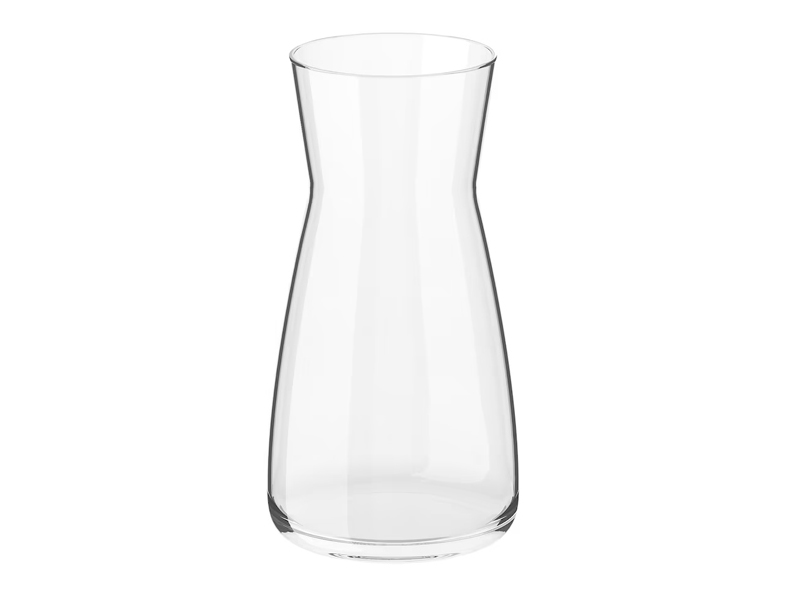
The word “Karaff” is closely associated with IKEA’s KARAFF carafe, a clear glass vessel with a minimalist shape, practical handle, and everyday-friendly size. But online, many people use the phrase “Karaff water pitchers” more broadly when searching for glass carafes, water jugs, serving pitchers, and stylish alternatives to plastic drink containers. In other words, this topic sits at the intersection of Scandinavian design, hydration habits, table styling, and that very adult joy of owning something that makes tap water feel oddly fancy.
Whether you want a pitcher for cold water, infused citrus drinks, iced tea, bedside hydration, brunch service, or a vase in disguise, a Karaff-style water pitcher offers a clean and flexible solution. Let us pour into the details.
What Are Karaff Water Pitchers?
Karaff water pitchers are best understood as clear glass carafes or small serving pitchers designed for everyday beverage service. The IKEA KARAFF carafe, for example, is a simple 34-ounce clear glass piece that works for water, juice, lemonade, wine, or even flowers. Its charm is not that it tries to do everything with gadgets, filters, buttons, or blinking lights. Its charm is that it does one job gracefully: it serves liquids beautifully.
Unlike large plastic water filter pitchers, a Karaff-style glass pitcher usually does not include a built-in filter. It is meant for serving rather than treating water. That distinction matters. If your primary goal is to remove lead, PFAS, chlorine taste, or other contaminants, you should look for a certified water filter pitcher. If your goal is to serve clean-tasting water from your faucet, refrigerator dispenser, bottled source, or under-sink filter in a more attractive way, a glass Karaff pitcher is exactly the kind of upgrade your table has been politely waiting for.
Why Simple Glass Pitchers Still Win in Modern Kitchens
Kitchen trends come and go. One year everyone wants copper mugs; the next year your neighbor is explaining why every spoon must be handmade by a person named Lars. Yet clear glass pitchers keep surviving because they are practical, neutral, and easy to pair with almost any style.
They Make Water More Inviting
Water is essential, but let us be honest: plain water does not always scream “party.” Put it in a clean glass pitcher with lemon slices, mint, cucumber, berries, or ice, and suddenly it looks like something served at a spa where people whisper and wear linen. Karaff water pitchers help turn hydration into a small ritual rather than a chore.
They Fit Almost Any Table Setting
A clear glass pitcher works with casual dinners, holiday meals, breakfast trays, outdoor lunches, and minimalist apartment kitchens. It does not clash with white plates, colorful ceramics, stainless flatware, wood tables, or patterned napkins. It quietly adapts, which is more than we can say for neon plastic tumblers from 2009.
They Are Multipurpose
A Karaff-style carafe can serve water during dinner, orange juice at brunch, iced tea in summer, sangria for guests, or chilled herbal tea after a long day. When not used for drinks, it can hold flowers, kitchen herbs, or decorative branches. This versatility makes it especially useful in small homes where every item has to earn its cabinet space.
Karaff vs. Regular Water Pitcher: What Is the Difference?
A regular water pitcher often has a larger body, a lid, and sometimes a filter. It may be designed to live in the refrigerator door. A Karaff-style pitcher is usually more compact, more elegant, and more focused on serving. Think of it as the dinner-table cousin of the refrigerator pitcher.
The main difference is purpose. A refrigerator pitcher is about storage. A filter pitcher is about water treatment. A Karaff water pitcher is about presentation and easy pouring. It can still store water for short periods, but its real strength is making everyday beverages look thoughtful.
Key Features to Look For in Karaff Water Pitchers
Not every glass pitcher is equally useful. Some look gorgeous online but pour like they are trying to escape responsibility. When choosing a Karaff-style water pitcher, focus on features that affect daily use.
1. Capacity
A 30- to 34-ounce carafe is ideal for bedside water, small dinners, or serving two to four people. A 50- to 64-ounce pitcher works better for families, iced tea, lemonade, or outdoor meals. Bigger is not always better, though. A full glass pitcher can get heavy, especially if it has a narrow handle. Choose a size you can lift comfortably with one hand.
2. Material
Clear glass is popular because it is attractive, does not absorb odors, and lets you see what is inside. Soda-lime glass is common for everyday pitchers and carafes. Borosilicate glass is often used in heat-resistant pitchers because it handles temperature changes better. Tempered glass, used in some kitchen drinkware, is also valued for durability. The important point: always check the manufacturer’s instructions before adding hot liquids, placing the pitcher in the dishwasher, or moving it quickly from hot to cold conditions.
3. Handle Comfort
A handle should feel natural, not like a finger trap invented by a bored medieval engineer. Look for a handle with enough space for your hand and a shape that gives control while pouring. Curved glass handles look elegant, but they should still be practical.
4. Spout Design
A good spout creates a steady stream without dribbling. A poor spout leaves little puddles that make guests wonder whether the pitcher is leaking or emotionally overwhelmed. If you frequently serve at the table, a clean-pouring spout is worth prioritizing.
5. Lid or No Lid
Some carafes come with lids, cork stoppers, silicone seals, or stainless steel tops. A lid helps keep dust, refrigerator odors, and curious fruit flies away. A lidless Karaff-style pitcher, however, is easier to fill, easier to clean, and often more elegant. For table service, lidless is fine. For refrigerator storage, a lid is more practical.
Best Uses for Karaff Water Pitchers
The beauty of a Karaff water pitcher is that it is not locked into one job. Here are some of the most useful ways to put one to work.
Everyday Dinner Water
Place a filled glass carafe on the dinner table and people naturally drink more water. It saves trips to the sink and gives the meal a more polished feeling. Even Tuesday leftovers look slightly more intentional when the water is not being served from a plastic bottle with the label half peeled off.
Infused Water
Add cucumber and mint for a crisp spa-style drink, lemon and rosemary for a bright herbal flavor, or strawberries and basil for something colorful. A clear pitcher makes infused water visually appealing, which is half the fun.
Brunch Drinks
Karaff water pitchers are excellent for orange juice, grapefruit juice, cold brew coffee, iced tea, or simple syrup mixtures. If you are hosting brunch, two or three carafes lined up with different drinks look organized and welcoming.
Bedside Hydration
A smaller glass carafe beside the bed is a quiet luxury. It prevents the midnight kitchen walk, which is when everyone suddenly discovers how loud floorboards can be. Pair it with a small tumbler for a simple hotel-inspired setup.
Flowers and Decor
When not serving drinks, a Karaff pitcher can become a vase. Its clear shape works well with tulips, wildflowers, eucalyptus, or single-stem arrangements. This is especially helpful if you do not own a vase or if your actual vase is mysteriously holding wooden spoons.
Are Karaff Water Pitchers Good for Filtered Water?
Yes, but with one important clarification: Karaff-style pitchers are great for serving filtered water, not necessarily for filtering it. If you already use a faucet filter, refrigerator filter, under-sink system, or certified pitcher filter, you can pour that treated water into a glass Karaff pitcher for the table.
If you need the pitcher itself to reduce contaminants, shop for a dedicated water filter pitcher with third-party certifications. Look for standards such as NSF/ANSI 42 for taste and odor claims, NSF/ANSI 53 for certain health-related contaminants, and NSF/ANSI 401 for emerging compounds. The right filter depends on your local water report, plumbing, and concerns. A beautiful glass carafe can make water look better, but it cannot magically remove lead while sitting there looking Scandinavian.
How to Clean and Care for a Karaff Water Pitcher
Cleaning is where simple glass pitchers shine. Many glass carafes are dishwasher-safe, but you should always confirm the care instructions for your specific product. If the opening is narrow, use a bottle brush. For cloudiness, try warm water with a little white vinegar, then rinse thoroughly. For stubborn residue, a small amount of baking soda and warm water can help loosen buildup.
Avoid abrasive scrubbers that may scratch the glass. Do not pour boiling water into a pitcher unless the manufacturer says it is heat-safe. Do not move a hot glass pitcher directly into the refrigerator. Sudden temperature changes can stress glass, and nobody wants their lemonade served with a side of shattered optimism.
If you use the pitcher daily, wash it regularly. Water containers can develop film, mineral deposits, or unwanted smells over time. If you add fruit, herbs, tea, or sweet drinks, clean it after each use. Sugar and citrus residues are basically party invitations for stickiness.
Karaff Water Pitchers for Small Spaces
For apartments, dorm rooms, studio kitchens, and compact dining areas, a smaller carafe can be smarter than a bulky pitcher. A 34-ounce glass pitcher does not dominate the table, and it can fit more easily in a cabinet. It also encourages fresh refills instead of letting water sit around for too long.
If you live alone or with one other person, a smaller Karaff pitcher may be more practical than a huge family-size jug. It is easier to carry, easier to wash, and less likely to become a forgotten science project in the back of the refrigerator.
Design Tips: How to Style a Karaff Water Pitcher
Because the design is simple, styling is easy. For a clean everyday table, pair the pitcher with clear tumblers and white plates. For a warmer look, place it on a wooden tray with linen napkins. For summer meals, fill it with ice, citrus slices, and herbs. For dinner parties, use two matching carafes: one with still water and one with sparkling water.
You can also create a mini drink station. Set out a Karaff pitcher, glasses, lemon wedges, mint, and a small bowl of ice. It looks thoughtful, but it takes only a few minutes. This is the sweet spot of hosting: maximum charm, minimum panic.
Common Mistakes to Avoid
The first mistake is using a delicate glass pitcher for rough outdoor service. If children, pets, concrete patios, or enthusiastic uncles are involved, consider a sturdier option or keep the glass pitcher indoors.
The second mistake is assuming all glass pitchers can handle hot drinks. Some can; some cannot. Product descriptions matter. If you want to brew tea directly in a pitcher, look for borosilicate or heat-resistant glass and follow the temperature guidelines.
The third mistake is storing flavored water too long. Citrus peels can become bitter, herbs can wilt, and berries can soften. Infused water is best enjoyed fresh, usually the same day.
The fourth mistake is buying only for looks. A pitcher can be stunning and still awkward to pour. Capacity, handle comfort, cleaning access, and storage space matter just as much as shape.
Who Should Buy Karaff Water Pitchers?
Karaff water pitchers are ideal for people who want an affordable, attractive, and versatile glass serving piece. They are especially useful for minimalists, hosts, apartment dwellers, design-conscious shoppers, and anyone trying to drink more water without turning hydration into a complicated lifestyle brand.
They are also a smart choice for people who already filter their water elsewhere and simply want a better serving container. Instead of placing a bulky filter pitcher on the table, you can fill a glass carafe and keep the presentation clean.
Personal Experience: Living With Karaff Water Pitchers
The first thing you notice after using a Karaff-style water pitcher is that people actually reach for water more often. It sounds too simple, but presentation changes behavior. A plastic bottle on the table feels temporary. A clear glass pitcher feels intentional. It says, “Yes, this is just water, but we are adults and we have standards.”
In daily use, the best part is convenience. During meals, a pitcher saves repeated trips to the kitchen. During work-from-home hours, keeping a filled carafe on the desk encourages steady sipping without relying on single-use bottles. At night, a small pitcher on the bedside table feels surprisingly luxurious. It is a tiny hotel moment in your own room, minus the mysterious hallway ice machine.
For hosting, Karaff water pitchers are even better. Guests do not have to ask for refills, and the table instantly looks more complete. A pitcher with lemon slices and mint can make a casual pasta dinner look planned. A pitcher of iced tea beside a bowl of fruit can make brunch feel bright and generous. If you serve sparkling water, a clear carafe makes bubbles look festive instead of clinical.
There are a few practical lessons, though. First, do not overfill the pitcher. Leave enough room at the top so you can carry and pour without sloshing. Second, add ice after the water, not before, unless you enjoy loud glass-on-ice percussion. Third, if you are using fruit, slice it thin enough to look pretty but not so small that it escapes into every glass like tiny citrus confetti.
Cleaning habits matter too. A pitcher used only for plain water can be rinsed and washed regularly, but anything with juice, tea, herbs, or sweeteners should be cleaned right away. Lemon pulp and sugar residue may look innocent at first, but give them a few hours and they start developing ambitions. A bottle brush is extremely helpful, especially with narrow-neck carafes.
Another underrated experience is using the pitcher as decor. When empty, it still looks nice on an open shelf. Filled with eucalyptus or simple flowers, it becomes a vase. This makes it more useful than many single-purpose kitchen items. You are not buying a fragile object that waits for Thanksgiving. You are buying something that can serve water on Monday, iced tea on Saturday, and flowers whenever the grocery store bouquet section wins your heart.
The only real downside is breakability. Glass is beautiful, but it does not forgive dramatic gestures. If you have a busy household, choose a stable shape, avoid setting it near table edges, and consider a more durable pitcher for outdoor use. For everyday indoor serving, however, a Karaff water pitcher offers a rare combination of low cost, usefulness, and visual calm.
In the end, the experience is less about the object itself and more about the habit it supports. A good pitcher makes water visible, available, and appealing. That is a small upgrade, but small upgrades are what make a kitchen feel loved.
Conclusion
Karaff water pitchers prove that simple kitchen tools can still feel special. They do not need smart sensors, replaceable cartridges, or a subscription plan that sends you motivational hydration emails. A clear glass pitcher with a balanced shape, comfortable handle, and easy-pouring design can make everyday water more attractive, meals more polished, and hosting more relaxed.
If you want a pitcher that filters contaminants, choose a certified water filter pitcher. If you want a beautiful way to serve water, juice, iced tea, infused drinks, or flowers, a Karaff-style glass carafe is a practical and stylish choice. It is affordable, flexible, and refreshingly uncomplicated. In a world full of over-engineered kitchen gadgets, that simplicity feels like a tall glass of cold water.