
Note: This article is written for web publishing and contains no source links or citation placeholders inside the HTML body.
If you have ever flown out of one airport where your laptop stayed in your bag, your shoes stayed on, and security felt oddly civilized, only to fly home from another airport where everything had to come out like you were unpacking for college, you are not imagining things. TSA rules can feel different from airport to airport, and sometimes even from one checkpoint to another inside the same terminal.
The short explanation is this: the core Transportation Security Administration rules are national, but the way those rules are carried out can vary based on equipment, airport layout, passenger volume, staffing, risk-based screening, local operations, and the type of lane you use. In other words, TSA is not making up a new rulebook every morning over airport coffee. But the traveler experience can still change enough to make people wonder whether the 3-1-1 liquids rule packed its own suitcase and moved to another state.
This guide explains why TSA rules vary from airport to airport, what is actually consistent nationwide, and how travelers can prepare without turning the security line into a public performance of “Where Did I Put My Boarding Pass?”
The Big Truth: TSA Rules Are National, but Checkpoints Are Local
TSA is a federal agency, so the basic security rules apply across U.S. commercial airports. Prohibited items are prohibited whether you are flying from Atlanta, Denver, Seattle, Newark, or a small regional airport with two gates and one very determined coffee kiosk. Liquids, gels, aerosols, creams, and pastes in carry-on bags are generally limited to travel-size containers of 3.4 ounces or less, placed in a quart-size bag. Passengers must be screened before entering the secure area of the airport. Dangerous goods and hazardous materials are subject to strict limits.
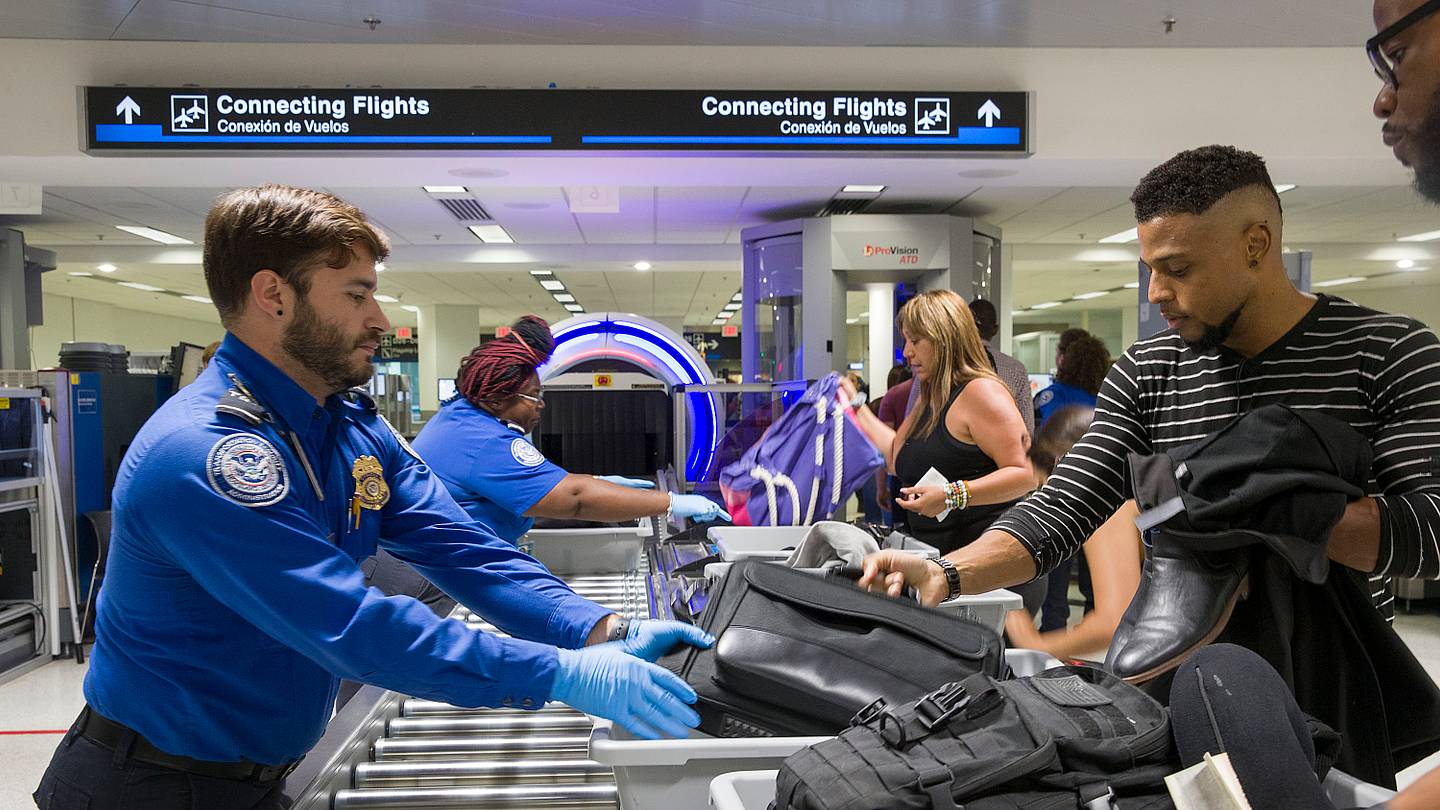
So why does the process feel different? Because TSA security screening is not just a written rule. It is a live operation. Every airport has different machines, space constraints, checkpoint designs, passenger traffic patterns, airline schedules, local construction projects, staffing levels, and screening programs. That means one airport may have modern computed tomography scanners, automated screening lanes, reservation systems, multiple TSA PreCheck lanes, and CLEAR lanes, while another airport may rely more heavily on traditional X-ray machines and standard screening procedures.
Think of TSA like a national restaurant chain. The menu is mostly the same, but the layout, kitchen speed, parking lot chaos, and one employee who somehow knows everyone’s name will vary by location.
Technology Is One of the Biggest Reasons TSA Procedures Feel Different
One of the clearest reasons TSA rules vary from airport to airport is technology. Modern checkpoint equipment can change what passengers are asked to do with their bags. At checkpoints equipped with computed tomography, or CT, scanners, officers can view 3D images of carry-on items. This helps security officers inspect bags more effectively and may allow passengers in some lanes to keep items such as laptops and travel-size liquids inside their carry-on bags.
However, not every airport has the same equipment, and not every lane at a given airport uses the same technology. Even at large airports, one checkpoint may have newer CT scanners while another still uses older systems. That is why you might hear, “Leave everything in your bag,” on Monday and “Laptops out, liquids out,” on Friday. The rule did not necessarily change. The machine did.
CT Scanners Can Change the Passenger Routine
CT scanners are designed to improve threat detection by giving officers a more detailed look inside bags. For passengers, the visible effect is usually simpler: fewer items may need to be removed. But CT lanes can also have their own instructions. Some require every carry-on item, including small personal items, to be placed in a bin. Some airports ask travelers to wait for the officer’s direction because the same checkpoint may operate several lane types at once.
This is where many travelers get tripped up. They assume the procedure they used last month is now universal. Unfortunately, airports are not software updates. Rollouts happen gradually, and the country’s security infrastructure is too large to change overnight.
Airport Layout Makes a Bigger Difference Than People Realize
Airport design plays a major role in how TSA screening feels. Some airports have one central checkpoint that feeds all concourses. Others have multiple checkpoints serving different terminals, airlines, or gate areas. Some security areas are wide, modern, and built for high passenger volume. Others were designed in an era when carry-on bags were smaller, shoes stayed on, and nobody was trying to bring three laptops, a ring light, and a burrito bowl through security.
Denver International Airport, for example, highlights East and West security checkpoints and advises travelers to check real-time wait times before arriving. Seattle-Tacoma International Airport lists multiple checkpoint types, including general screening, TSA PreCheck, CLEAR, premium lanes, family lanes, and its SEA Spot Saver program. Hartsfield-Jackson Atlanta International Airport advises passengers to arrive early, especially during peak morning hours, holidays, and long weekends.
These local details matter. A passenger at one airport might be able to use any checkpoint to reach all gates. At another airport, choosing the wrong checkpoint could mean extra walking, a longer wait, or missing the lane type they expected. TSA may control the screening process, but the airport controls much of the physical environment around it.
Passenger Volume Changes the Experience
A slow Tuesday afternoon at a regional airport is not the same security experience as the Sunday after Thanksgiving at Atlanta. Passenger volume affects everything: wait times, lane openings, staff assignments, bin availability, and how quickly officers can move travelers through the line.
During peak periods, TSA and airports may adjust operations to handle crowds. Lanes may open or close based on staffing and demand. Officers may direct passengers to different checkpoints. Airports may encourage travelers to arrive two hours before domestic flights and three hours before international flights, especially during busy seasons. None of this means the official security rules have changed. It means the airport is trying to keep thousands of people moving without turning the checkpoint into a luggage-themed traffic jam.
TSA PreCheck Is Helpful, but Not a Magic Spell
TSA PreCheck is one of the biggest reasons travelers experience different rules. In a TSA PreCheck lane, eligible passengers usually do not need to remove shoes, belts, light jackets, laptops, or 3-1-1 liquids from their bags. That can make the process feel dramatically different from standard screening.
But TSA PreCheck is not guaranteed every time. TSA uses random and unpredictable security measures, which means even trusted travelers may sometimes receive standard screening or additional screening. A PreCheck lane may also be closed at certain times, depending on airport operations. In some airports, travelers with TSA PreCheck may be directed through a standard lane while still receiving certain expedited benefits. In others, the PreCheck lane may be in a specific checkpoint area that is not the one closest to your airline.
This is why the little TSA PreCheck mark on your boarding pass is powerful, but not magical. It is more like a fast pass at an amusement park: very useful, but occasionally the roller coaster is closed for maintenance.
Risk-Based and Random Screening Are Built Into the System
One reason TSA rules appear to vary is that TSA deliberately uses layers of security. Some of those layers are visible, such as ID checks, X-ray machines, body scanners, and bag inspections. Others are less visible, including risk-based procedures and random screening. This approach is designed to make aviation security less predictable.
For travelers, that means two people on the same flight may not have the exact same experience. One passenger may walk through quickly. Another may have a bag searched because an item looked unusual on the scanner. A TSA PreCheck traveler may be selected for additional screening. A family with baby formula or medical liquids may need extra inspection. This can feel inconsistent, but unpredictability is part of the security model.
Local Airport Programs Can Make the Rules Feel Different
Some airport differences come from optional local programs. Seattle offers SEA Spot Saver, a free appointment-style program for general screening. Denver offers DEN Reserve. Some airports have CLEAR lanes, premium airline lanes, family lanes, military lanes, or visitor pass programs. These services do not rewrite TSA security rules, but they do change how passengers enter the screening process.
For example, a traveler using a reservation lane may skip part of the regular queue but still go through standard TSA screening. A CLEAR member may use biometric identity verification before reaching physical screening. A TSA PreCheck traveler may keep certain items packed, while a general screening passenger nearby may need to remove electronics and liquids. From the outside, it can look like different rules. In reality, it is often different lane access, different identity verification, or different screening category.
Airport Staffing and Checkpoint Hours Matter
Another practical reason TSA procedures vary is staffing. Security checkpoints are staffed based on expected traffic, airline schedules, and operational needs. A lane that is open at 6 a.m. might not be open at 9 p.m. A TSA PreCheck lane may operate only during certain hours. A checkpoint that handles all screening types during the morning rush may offer fewer options late at night.
Seattle’s airport, for example, notes that checkpoint hours and screening types are approximate and subject to change based on operational need. That one sentence explains a lot of traveler confusion. Airport security is not a museum exhibit. It moves, flexes, opens, closes, and reroutes people in real time.
Different Items Trigger Different Screening Decisions
Even when national rules are consistent, individual bags are not. A backpack full of neatly packed clothes usually screens differently from a carry-on containing camera gear, protein powder, food containers, cords, batteries, medical devices, and a souvenir snow globe that looks suspiciously like a tiny weather system.
TSA officers may ask travelers to remove items if they block the X-ray image or require a closer look. Food, powders, electronics, dense objects, and oddly shaped items can slow screening. Liquids larger than 3.4 ounces generally cannot go through standard carry-on screening unless they fall under an exception, such as medically necessary liquids, baby formula, breast milk, or certain infant and child nourishment items.
Batteries Are a Common Source of Confusion
Batteries are another area where travelers notice differences. The FAA’s PackSafe guidance explains that spare lithium batteries, including power banks and portable chargers, must be carried in the cabin and not placed in checked baggage. Most rechargeable batteries up to 100 watt-hours are allowed for personal use, while larger batteries may require airline approval or be forbidden above certain limits.
Travelers often blame TSA when a battery issue arises, but battery rules involve aviation safety as well as checkpoint security. TSA officers screen passengers and bags, while FAA hazardous materials rules help determine what can safely travel on an aircraft. That overlap can make the process feel inconsistent, especially when airlines also have their own stricter policies.
International Flights Add Another Layer
TSA handles security screening at U.S. airports, but international travel can involve additional agencies, airline rules, and destination-country requirements. A traveler flying domestically may only deal with TSA and the airline. A traveler flying internationally may encounter passport checks, airline document verification, customs requirements, agricultural restrictions, and foreign security rules on the return trip.
This is why your outbound experience from the United States may not match your return experience from another country. It is also why connecting through a foreign airport can feel like entering a parallel universe where liquids, laptops, and shoes seem to follow a different constitution.
REAL ID and Identification Rules Can Also Affect the Airport Experience
Identification requirements are another reason the checkpoint experience may vary. REAL ID enforcement began on May 7, 2025, for U.S. travelers 18 and older flying domestically. Acceptable identification can include a REAL ID-compliant driver’s license, passport, or other approved document. Airports and TSA communications may emphasize these requirements differently depending on local passenger needs, signage, and checkpoint flow.
In 2026, TSA also began rolling out modernized identity verification options such as ConfirmID for certain travelers without acceptable ID. Because ID verification is part of TSA’s layered security approach, passengers who arrive without proper documents may face extra steps, fees, or delays. That does not mean the airport has invented a special local rule. It means the identity process can differ based on what document the traveler presents and what verification options are available.
How to Prepare When TSA Rules Seem Different Everywhere
The best strategy is to pack for the strictest common version of the rules, then enjoy it if your airport gives you an easier experience. Put liquids in 3.4-ounce containers inside a quart-size bag. Keep electronics easy to reach. Pack food where it can be removed if needed. Carry spare lithium batteries and power banks in your carry-on bag. Check your airport’s website for checkpoint hours, wait times, and lane options before leaving home.
Travelers with disabilities, medical conditions, or special circumstances can contact TSA Cares at least 72 hours before travel to request assistance. Families should review rules for baby formula, breast milk, and child-related items. Frequent flyers should still listen carefully to officers at the checkpoint, because the correct instruction is always the one being given in that lane at that moment.
Traveler Experiences: Why It Feels Different in Real Life
The most memorable TSA experiences often come from the gap between what travelers expect and what actually happens. Imagine flying out of Seattle in a lane where you booked a free security appointment, walked straight into general screening, and reached the gate with enough time to buy coffee and question your financial choices at an airport café. A week later, you fly home from a different airport with older equipment, longer lines, and instructions to remove laptops, liquids, jackets, and shoes. Suddenly, the first airport feels like a luxury spa and the second feels like a group project nobody prepared for.
Another common experience happens with TSA PreCheck. A traveler gets used to breezing through security, then arrives at a small airport where the PreCheck lane is closed. They still have the PreCheck mark, but the airport may direct them through a standard lane or provide modified benefits. To that traveler, it feels like TSA changed the rules. In reality, the benefit is still tied to airport operations, lane availability, and random security measures.
Families often notice airport-to-airport differences more than solo travelers. One airport may have a family lane, helpful signage, and officers who clearly explain how to screen strollers, snacks, and child-related liquids. Another airport may be busier and less spacious, making the same process feel more stressful. The rules for infant-care items may be national, but the human experience depends heavily on crowding, layout, and communication.
Business travelers have their own version of this story. Someone carrying two laptops, a tablet, chargers, presentation equipment, and a portable battery may glide through a CT-equipped lane without unpacking much. At another airport, that same traveler may need to separate large electronics and wait while the bag is inspected because dense cords and devices clutter the X-ray image. Nothing illegal happened. The bag simply became a technological lasagna.
Even food can create different experiences. A sandwich usually passes without drama, but dense foods, sauces, spreads, or gel-like items may require more attention. A traveler who brings local barbecue sauce, peanut butter, or a fancy jar of jam may discover that “delicious” and “allowed in a carry-on” are not always the same category. This is especially painful when the item was expensive and emotionally important, which airport security does not measure in ounces.
The best travel habit is flexibility. Do not argue with yesterday’s airport against today’s officer. Listen to the instructions in your lane, keep your bag organized, and assume procedures may change based on equipment. A calm traveler with a well-packed carry-on is almost always better off than a confident traveler who announces, “They didn’t make me do this in Phoenix.” Security officers hear that sentence constantly, and it has never once opened a faster lane.
Conclusion: TSA Rules Vary Because Airports Are Not Identical
TSA rules vary from airport to airport because aviation security is both national and local. The national rules provide the foundation: prohibited items, liquids limits, screening requirements, ID rules, and safety standards. The local airport experience depends on technology, layout, staffing, lane types, passenger volume, risk-based screening, and special programs.
For travelers, the lesson is simple: prepare for standard screening, check your airport’s specific guidance, and follow the instructions given at the checkpoint. If you get to keep your laptop packed, celebrate quietly. If you have to unpack half your bag, take a deep breath and remember that your socks are not the first to meet an airport floor, and sadly, they will not be the last.