
Lasagna is not just dinner. Lasagna is architecture with cheese. It is the edible proof that layers make everything better: pasta, sauce, creamy filling, melted mozzarella, more sauce, more pasta, and finally a top layer that bubbles like it has just received excellent gossip. The title * ~ l a s a n y a ~ * may look dreamy and dramatic, but honestly, the dish has earned the sparkle. Few comfort foods can feed a hungry table, survive the next-day leftover test, and still make people hover near the oven pretending they are “just checking.”
At its best, homemade lasagna balances structure and softness. The noodles should be tender but not limp. The sauce should be rich without drowning the dish. The cheese should melt into the layers, not escape like a dairy-themed magic trick. Whether you prefer Italian-American lasagna with ricotta and mozzarella or a Bolognese-inspired version with béchamel and slow-cooked meat sauce, the goal is the same: a deeply satisfying baked pasta casserole that slices cleanly, tastes luxurious, and makes leftovers feel like a reward.
Why Lasagna Still Rules the Dinner Table
Lasagna has staying power because it solves several dinner problems at once. It feeds a crowd, welcomes substitutions, freezes well, reheats beautifully, and looks impressive even when the cook is quietly whispering, “Please hold together, my cheesy son.” It can be a weekend cooking project or a weeknight shortcut meal, depending on how ambitious you feel and how many pots you are emotionally prepared to wash.
The most familiar American-style lasagna usually includes wide pasta sheets, tomato-based meat sauce, ricotta, mozzarella, Parmesan, herbs, and sometimes egg to bind the cheese filling. In northern Italian-style lasagna, you may see ragù Bolognese and béchamel instead of ricotta-heavy layers. Both approaches can be excellent. One leans cozy and cheesy; the other leans silky, savory, and elegant. The best version is the one that makes your kitchen smell like everyone should cancel their plans.
The Anatomy of a Great Lasagna
1. The Sauce: The Flavor Foundation
A good lasagna begins with sauce that has personality. If the sauce is thin, bland, or watery, the entire dish suffers. A rich meat sauce made with ground beef, Italian sausage, tomato paste, crushed tomatoes, garlic, onion, herbs, and a gentle simmer gives lasagna depth. Tomato paste is especially helpful because it adds concentrated flavor and body. A small splash of acidity, such as wine or balsamic vinegar, can brighten the sauce and keep it from tasting flat.
For a vegetarian lasagna, the same rule applies: build flavor first. Mushrooms, spinach, zucchini, roasted eggplant, peppers, kale, or lentils can create a hearty filling, but watery vegetables should be cooked down before layering. Nobody wants lasagna that turns into tomato soup wearing a pasta hat.
2. The Pasta: Tender, Not Tired
Lasagna noodles come in three common forms: traditional boiled noodles, no-boil noodles, and fresh pasta sheets. Traditional noodles give you control, but they add a pot to the sink. No-boil noodles are convenient and absorb liquid as the lasagna bakes. Fresh sheets create a delicate texture but may require a little more planning.
A practical middle ground is soaking regular dried noodles in hot water before assembling. This softens them without fully boiling them, helping reduce the chance of soggy pasta. The key is to dry the noodles before layering so extra water does not sneak into the pan like an uninvited guest.
3. The Cheese: Creamy, Melty, Salty, Glorious
Ricotta gives lasagna a creamy, slightly grainy richness that many American cooks love. Mixing ricotta with egg, Parmesan, parsley, salt, and pepper helps create a spreadable filling that sets during baking. Mozzarella brings the stretchy, golden top. Parmesan adds salty sharpness and prevents the flavor from becoming one-note.
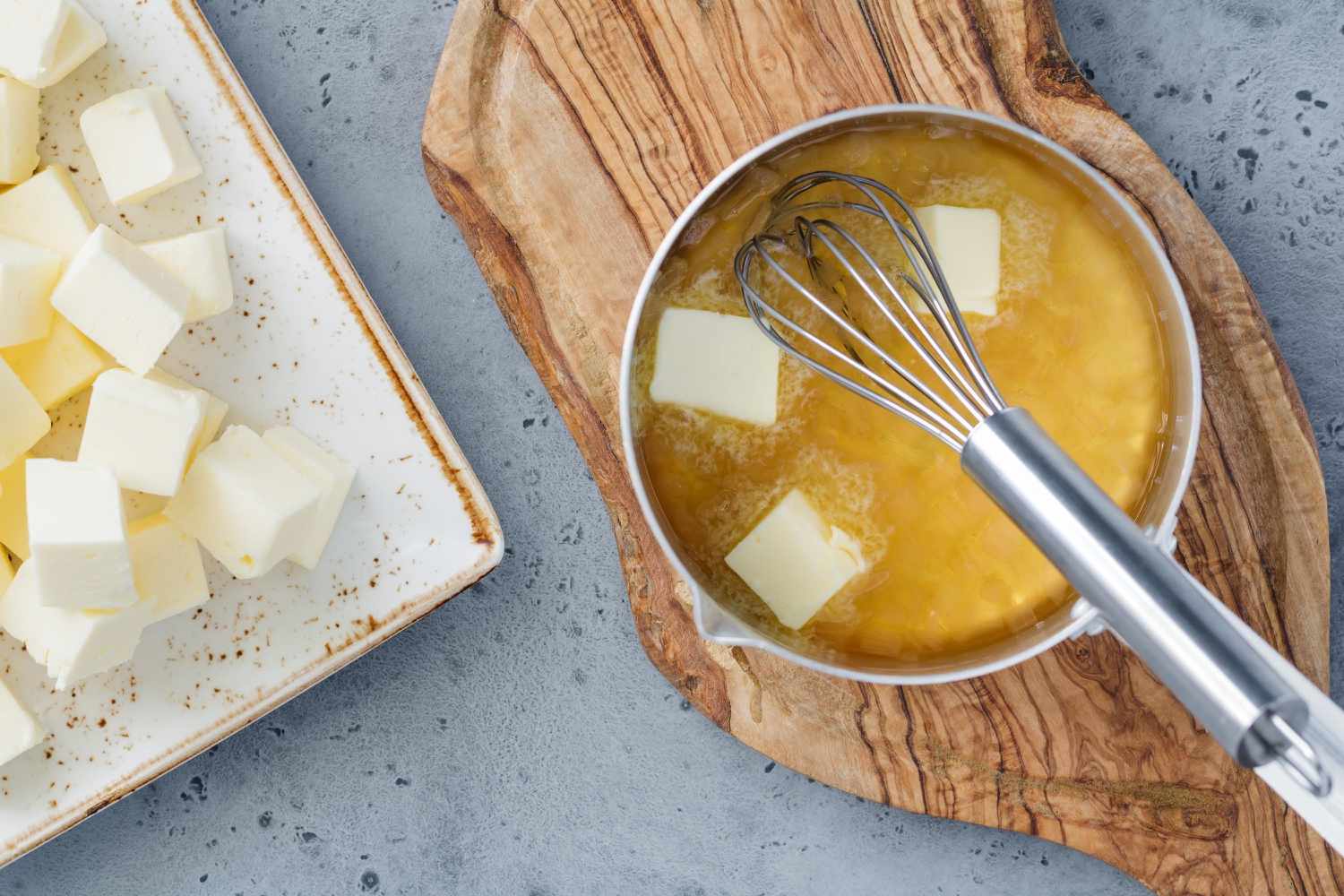
Béchamel is another classic path. Made from butter, flour, and milk, it creates a smooth white sauce that softens the layers and gives the finished dish a refined texture. If ricotta is a cozy sweater, béchamel is a tailored coat. Both are welcome at dinner.
How to Layer Lasagna Without Creating Chaos
Lasagna layering is simple once you understand the rhythm: sauce, noodles, filling, cheese, repeat. Always start with sauce on the bottom of the baking dish. This prevents the first noodle layer from sticking and gives the pasta moisture as it bakes. Then add noodles, cheese mixture, more sauce, mozzarella, and Parmesan. Continue until the pan is full, ending with sauce and cheese on top.
Do not overload each layer. Lasagna is about balance, not emotional compensation. Too much sauce makes it slide apart. Too much cheese can turn it heavy. Too little sauce leaves dry corners that taste like regret. Think even, moderate layers. Your future slice will thank you by standing upright instead of collapsing into a delicious landslide.
Classic Homemade Lasagna Method
Ingredients You Will Need
For a dependable 9-by-13-inch lasagna, start with lasagna noodles, about 4 to 5 cups of meat or marinara sauce, 15 to 16 ounces of ricotta, 2 to 3 cups shredded mozzarella, 3/4 cup grated Parmesan, one egg, chopped parsley, Italian seasoning, garlic, onion, salt, pepper, and optional cooked ground beef or Italian sausage. For a richer version, replace some ricotta with béchamel or add a thin layer of béchamel between pasta sheets.
Step-by-Step Cooking Flow
First, prepare the sauce. Brown the meat if using, then cook onion and garlic until fragrant. Stir in tomato paste, crushed tomatoes, herbs, salt, and pepper. Simmer until thick and flavorful. Second, prepare the cheese filling by mixing ricotta, egg, Parmesan, parsley, and seasoning. Third, cook or soak the noodles depending on the type you choose.
To assemble, spread sauce in the baking dish, add noodles, spread ricotta mixture, spoon more sauce, and sprinkle mozzarella. Repeat the layers. Finish with sauce, mozzarella, and Parmesan. Cover loosely with foil, bake until hot and bubbling, then uncover near the end so the top turns golden. Let the lasagna rest for at least 15 minutes before slicing. This resting time is not optional drama; it is what allows the layers to set.
Common Lasagna Mistakes and How to Avoid Them
Using Watery Sauce
Thin sauce makes lasagna slippery. Simmer your sauce until it thickens before assembling. If using vegetables, cook out excess moisture first. Spinach should be squeezed dry, zucchini should be sautéed or roasted, and mushrooms should be browned until their liquid evaporates.
Skipping Seasoning Between Layers
Each component should taste good before it enters the dish. Season the sauce. Season the ricotta. Use Parmesan for savory depth. Pasta and cheese can mute flavors, so a slightly bold sauce often works better than a timid one.
Cutting Too Soon
Fresh-from-the-oven lasagna smells incredible, but slicing immediately is risky. The layers are molten and loose. Give it time to rest. Fifteen to thirty minutes can turn a bubbling casserole into a clean, proud square. It will still be hot, and it will look much better on the plate.
Forgetting Food Safety
Lasagna is generous, which means leftovers are likely. Refrigerate leftovers within two hours, store them in shallow covered containers, and reheat portions until they reach 165°F. Keep the refrigerator at 40°F or below. These small habits help keep tomorrow’s lasagna as safe as it is delicious.
Make-Ahead and Leftover Lasagna Tips
Lasagna is one of those rare dishes that often tastes better the next day. The sauce settles, the pasta absorbs flavor, and the whole pan becomes more sliceable. To make lasagna ahead, assemble it, cover tightly, and refrigerate until ready to bake. If baking straight from the refrigerator, add extra time because the dish starts cold.
You can also freeze lasagna before or after baking. For best results, wrap it tightly to prevent freezer burn. Individual portions are especially useful because they turn future dinners into a low-effort victory. Reheat covered in the oven for the best texture, then uncover briefly to refresh the top. Microwaving works for speed, but the oven gives better edges. And let us be honest: crispy lasagna edges deserve their own fan club.
Easy Variations for Every Mood
Weeknight Shortcut Lasagna
Use no-boil noodles, high-quality jarred marinara, pre-shredded mozzarella, and a simple ricotta mixture. Add cooked sausage or ground beef if desired. This version may not win a slow-cooking competition, but it will win Tuesday night.
Vegetable Lasagna
Layer roasted zucchini, mushrooms, spinach, kale, eggplant, or bell peppers with marinara and cheese. The secret is cooking vegetables first so they do not release too much liquid in the oven. Add lemon zest or fresh herbs to the ricotta for brightness.
White Lasagna
Skip the tomato sauce and use béchamel, chicken, spinach, mushrooms, or artichokes. White lasagna is creamy and comforting, with a softer flavor profile. A pinch of nutmeg in the béchamel adds warmth without making the dish taste sweet.
Lasagna Bolognese
This version leans classic and elegant: pasta sheets, slow-cooked ragù, béchamel, and Parmigiano-Reggiano. It is less stretchy than mozzarella-heavy lasagna but deeply savory. It is the lasagna you make when you want dinner to feel like it has a passport.
What to Serve With Lasagna
Because lasagna is rich, the best sides are fresh, crisp, or acidic. A Caesar salad, arugula salad with lemon, roasted broccoli, green beans, or a simple cucumber-tomato salad can balance the meal. Garlic bread is never wrong, though it does create a situation where dinner becomes carbs with a side of carbs. This is not a complaint.
For drinks, sparkling water with lemon, iced tea, or a bright citrus spritzer works well. Dessert can be simple: berries, lemon sorbet, biscotti, or small pieces of dark chocolate. After lasagna, nobody needs a dessert that arrives with its own structural engineer.
of Lasagna Experience: What Cooking It Teaches You
The first real lesson of lasagna is patience. You cannot rush every part and expect greatness. You can use shortcuts, absolutely, but the dish still asks for a little respect. Sauce needs time to thicken. Cheese needs seasoning. Layers need careful spreading. The finished pan needs to rest. Lasagna has a funny way of revealing whether you are cooking calmly or simply throwing ingredients into a baking dish and hoping cheese will cover your decisions.
One of the best experiences connected to lasagna is how social it feels. Even before it reaches the table, people notice it. Someone smells garlic and asks what is cooking. Someone else peeks into the oven. A third person appears from nowhere when the foil comes off, as if summoned by mozzarella. Lasagna turns an ordinary kitchen into a small event. It is not fast food; it is gathering food.
Making lasagna also teaches you the value of preparation. If you make the sauce first, mix the cheese filling, prepare the noodles, shred the cheese, and set everything within reach, assembly becomes almost relaxing. Without preparation, it becomes a countertop obstacle course. You reach for the Parmesan with tomato sauce on your wrist, the noodles stick together, and somehow a spoon falls exactly where your sock is. Lasagna rewards the cook who reads the recipe before starting.
Another memorable part is the suspense after baking. The pan comes out bubbling and gorgeous, but you must wait. This is the heroic moment. Everyone wants a slice immediately, yet cutting too soon creates chaos. The resting period feels dramatic, but it transforms the dish. The sauce settles, the cheese firms slightly, and the layers remember their purpose. When the knife finally slides through and the first square lifts cleanly, it feels like winning a tiny domestic championship.
Leftover lasagna may be the greatest argument for cooking too much food on purpose. The next day, the flavors deepen and the slices behave better. A cold square from the fridge can be reheated into something almost better than the original dinner. The edges crisp, the cheese remelts, and the sauce becomes richer. It is lunch with a victory lap.
Lasagna is also forgiving. A slightly uneven layer will not ruin it. A little extra cheese is fine. A sauce that is spicier than planned can become your new signature. Even a messy slice still tastes like comfort. That is why people keep making it. Lasagna does not demand perfection; it invites effort. It says, “Layer what you have, bake it with care, and feed somebody.” For a dish made of stacked parts, that is a surprisingly beautiful message.
Conclusion
* ~ l a s a n y a ~ * is more than a playful title. It captures the warm, slightly theatrical magic of one of the world’s most beloved baked pasta dishes. A great lasagna depends on thoughtful layers: thick sauce, tender noodles, seasoned cheese, enough moisture, and a patient rest after baking. It can be classic, quick, vegetarian, creamy, meaty, or elegant. No matter the style, the best lasagna brings people toward the table before you even call them.
Make it ahead, serve it proudly, store it safely, and never underestimate the power of a golden, bubbling top. Lasagna is comfort food with structure, flavor with drama, and leftovers with ambition. In short, it is dinner doing the mostin the best possible way.