
Note: This article is written in original, publication-ready American English and synthesizes widely accepted horticultural guidance from reputable U.S. botanical gardens, university extension programs, nursery experts, and landscape plant references.
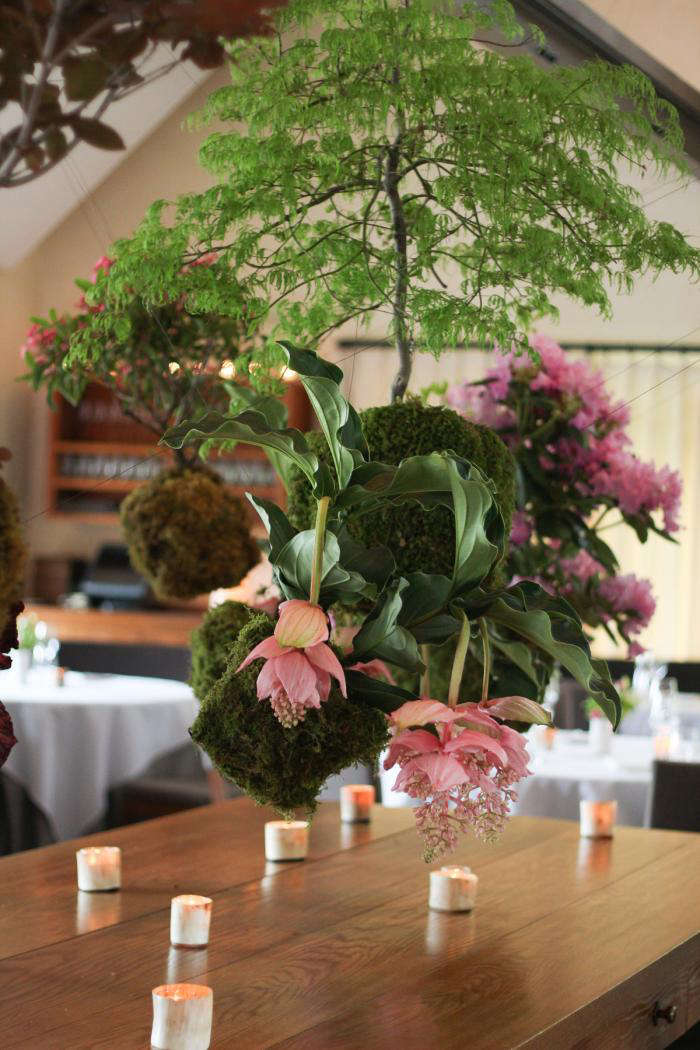
Lace leaf maples are the garden equivalent of a well-tailored velvet jacket: elegant, dramatic, and somehow able to make everything around them look more intentional. Officially known as Acer palmatum var. dissectum, these Japanese maples are loved for their finely cut, feathery leaves, graceful weeping branches, and four-season beauty. In spring, they unfurl like tiny botanical fireworks. In summer, they provide texture that looks almost too delicate to be real. In fall, many varieties turn red, orange, gold, burgundy, or a glowing mix that makes neighbors suddenly very interested in your landscaping choices.
Whether planted beside a front walkway, tucked into a courtyard, grown in a large container, or used as the star of a Japanese-inspired garden, lace leaf maples bring structure without stiffness and color without shouting. They are not the fastest-growing trees in the yard, but that is part of their charm. A lace leaf maple does not sprint. It poses.
What Are Lace Leaf Maples?
Lace leaf maples are a group of Japanese maple cultivars known for deeply dissected leaves. The word “dissectum” refers to the way each leaf is cut into narrow, lace-like lobes. Instead of broad maple leaves, these trees have soft, filigreed foliage that can look almost fern-like. Their branches often cascade outward and downward, creating a rounded, mounded, umbrella-like shape.
Most lace leaf Japanese maples stay smaller than upright Japanese maples. Many mature at around 6 to 10 feet tall with a wider spread, although size depends on the cultivar, climate, pruning, and age. Some may remain compact enough for patios, while older specimens can become impressive living sculptures. Their slow to moderate growth makes them excellent choices for homeowners who want a refined ornamental tree without accidentally creating a leafy skyscraper next to the mailbox.
Why Gardeners Love Lace Leaf Maples
The biggest appeal of lace leaf maples is their combination of delicate texture and bold presence. That sounds contradictory, but it is exactly what makes them special. The leaves are airy and intricate, yet the tree’s overall form can anchor an entire garden bed.
They Offer Four-Season Interest
In spring, new foliage may emerge red, copper, pinkish, lime green, or burgundy depending on the variety. Summer color often deepens or softens, and fall brings the grand finale: fiery red, orange, golden yellow, or rich crimson tones. After the leaves drop, the branching structure remains attractive through winter. A mature lace leaf maple under a light dusting of snow looks like nature hired an architect.
They Fit Small Gardens Beautifully
Because many lace leaf maples grow slowly and stay relatively compact, they are ideal for smaller yards, entry gardens, courtyards, and urban landscapes. They can provide the drama of a specimen tree without taking over the entire property. In tight spaces, a weeping lace leaf maple can serve as a focal point near a patio, garden bench, pond, or stone path.
They Pair Well With Other Plants
Lace leaf maples are team players. Their fine foliage contrasts beautifully with broad-leaf plants such as hostas, hydrangeas, hellebores, ferns, heucheras, azaleas, and rhododendrons. Around evergreens, they add softness. Near ornamental grasses, they add elegance. Beside boulders or gravel paths, they bring a calm, sculptural quality.
Popular Types of Lace Leaf Maples
There are many lace leaf maple cultivars, and each has its own personality. Some are deep red, some are bright green, and some seem to change outfits several times during the growing season.
‘Crimson Queen’
‘Crimson Queen’ is one of the classic red lace leaf maples. It has a graceful weeping form and finely divided burgundy-red leaves that often turn bright scarlet in fall. It is a favorite for front yards, water gardens, and foundation plantings where a soft but colorful accent is needed.
‘Tamukeyama’
‘Tamukeyama’ is valued for its strong color retention, heat tolerance compared with some other red forms, and reliable cascading habit. Its foliage usually emerges deep red to purple-red and can become even richer in fall. It works well as a specimen tree and is often chosen by gardeners who want that dramatic “Japanese maple moment” without needing a huge space.
‘Red Dragon’
‘Red Dragon’ is prized for its compact size and dark, finely cut leaves. It is especially useful in small gardens and containers. Its spring and summer color tends to stay deep red to burgundy, followed by brighter autumn tones.
‘Orangeola’
‘Orangeola’ brings a lively mix of orange-red spring foliage, summer tones that may shift toward green or bronze, and brilliant orange-red fall color. It has a cascading shape and a slightly playful personality, like the tree version of a sunset that refused to calm down.
‘Viridis’
Not all lace leaf maples are red. ‘Viridis’ is a green lace leaf maple with fresh, bright foliage that often turns golden yellow, orange, or crimson in fall. It is excellent for shaded gardens where red varieties may become too dark or where a softer, woodland look is desired.
Best Growing Conditions for Lace Leaf Maples
Lace leaf maples are not difficult, but they do have preferences. Think of them as polite guests with firm opinions: they do not ask for much, but they absolutely notice where you seat them.
Light: Morning Sun and Afternoon Shade
In many parts of the United States, lace leaf maples perform best with morning sun and protection from hot afternoon sun. Too much harsh sunlight, especially in hot or dry climates, can cause leaf scorch. Scorched leaves develop brown, crispy edges and may drop early. In cooler regions, some cultivars can handle more sun, but reflected heat from pavement, walls, or driveways can still stress the tree.
A bright location with dappled shade is often ideal. Under the high canopy of larger trees, near an east-facing wall, or beside a shaded patio can work beautifully. The goal is enough light for good color but enough protection to prevent the leaves from turning into tiny potato chips.
Soil: Moist, Well-Drained, and Organic-Rich
Lace leaf maples prefer well-drained soil that stays evenly moist but not soggy. They dislike heavy, compacted clay that holds water around the roots. They also dislike very dry, sandy soil that forces them to struggle through summer. The best soil is loose, slightly acidic, rich in organic matter, and able to drain after rain.
Before planting, improve poor soil with compost, leaf mold, or other organic matter. Avoid planting too deeply. The root flare should sit at or slightly above the soil surface. Planting too deep is a common mistake and can lead to long-term stress.
Water: Consistent Moisture Matters
Newly planted lace leaf maples need regular watering while their roots establish. During the first one to two years, check soil moisture often, especially during hot weather. The soil should be moist several inches down, not constantly soaked. Deep watering is better than frequent shallow sprinkling because it encourages roots to grow deeper.
Established trees are more resilient but still appreciate water during drought. If the leaves curl, brown at the edges, or drop early in summer, the tree may be experiencing heat or moisture stress. A slow soak at the root zone can help, especially when paired with mulch.
Mulch: Small Effort, Big Reward
A 2- to 3-inch layer of organic mulch helps conserve soil moisture, regulate temperature, and reduce weed competition. Shredded bark, pine fines, composted leaves, or arborist wood chips can all work well. Keep mulch a few inches away from the trunk. Mulch piled against the bark creates a “mulch volcano,” which sounds dramatic but is mostly just bad gardening.
How to Plant a Lace Leaf Maple
Planting is where the long-term success of a lace leaf maple begins. Choose the location carefully because these trees do not enjoy being moved once established.
Step 1: Choose the Right Spot
Look for a protected location with morning sun, filtered light, or partial shade. Avoid windy corners, hot south-facing walls, and areas where water collects after rain. Also consider the mature spread of the tree. A young lace leaf maple may look tiny at the nursery, but it needs room to develop its natural layered shape.
Step 2: Dig a Wide Planting Hole
Dig a hole about two to three times wider than the root ball but no deeper than the root ball itself. A wide hole encourages roots to move outward into loosened soil. Place the tree so the top of the root ball sits level with or slightly above the surrounding soil.
Step 3: Backfill and Water Thoroughly
Backfill with the original soil mixed lightly with compost if needed. Do not pack soil too aggressively. Water thoroughly to settle the soil and eliminate air pockets. Add mulch around the root zone, keeping it away from the trunk.
Step 4: Protect During Establishment
For the first growing season, monitor water closely. A lace leaf maple may look graceful and calm above ground while its roots are still working hard below. Consistent care during this stage helps the tree settle in and reduces transplant stress.
Pruning Lace Leaf Maples
Pruning a lace leaf maple is less about forcing a shape and more about revealing the shape already there. The best pruning respects the tree’s natural layered form.
When to Prune
Late winter to early spring is often the best time for structural pruning because the tree is dormant and the branch framework is visible. Light touch-up pruning can also be done in summer, but avoid heavy pruning during extreme heat. Removing too much foliage at once can stress the tree and expose inner branches to sunburn.
What to Remove
Start with dead, damaged, diseased, crossing, or crowded branches. Then thin lightly to improve airflow and reveal the interior branching. The goal is not to turn the tree into a green mushroom or a red umbrella with a buzz cut. A well-pruned lace leaf maple should look natural, airy, and layered.
Common Pruning Mistakes
Avoid shearing the outside like a hedge. This creates a dense shell of foliage and a tangled interior. Also avoid removing large limbs unless absolutely necessary. Big cuts can disrupt the tree’s form and may take years to visually recover. When in doubt, prune a little, step back, and reassess. Japanese maples reward patience, not enthusiasm with sharp tools.
Common Problems and How to Prevent Them
Lace leaf maples are generally reliable when planted in the right conditions, but they can suffer from stress-related problems.
Leaf Scorch
Leaf scorch is one of the most common issues. It usually appears as brown tips or edges, curled leaves, or crispy foliage. Causes include hot afternoon sun, dry soil, drying winds, root stress, reflected heat, or a combination of these factors. Prevention is better than cure: choose a protected site, water during dry periods, and mulch properly.
Root Rot
Root rot can occur in poorly drained soil or when trees are overwatered. Symptoms may include wilting, dieback, weak growth, and decline even when the soil seems wet. Avoid planting in soggy areas, raised beds may help in heavy clay, and never bury the trunk flare.
Pests
Aphids, scale insects, mites, and other pests may occasionally appear, but healthy trees usually tolerate minor pest activity. Regular observation is the best defense. If you notice sticky residue, distorted leaves, or unusual bumps on stems, inspect more closely before treating. Many pest problems can be managed with proper plant health, targeted horticultural oil, or simply patience as beneficial insects arrive for the buffet.
Verticillium Wilt
Verticillium wilt is a soilborne disease that can affect Japanese maples. It may cause branch dieback, wilting, or sudden decline. Since treatment is difficult, prevention matters: avoid planting Japanese maples in soil where susceptible plants have recently died from unknown wilt issues, and keep the tree healthy through proper watering and site selection.
Using Lace Leaf Maples in Landscape Design
A lace leaf maple is not just a tree; it is a design decision. Its shape, color, and texture can define an entire space.
As a Specimen Tree
The most common use is as a specimen. Place one where it can be admired from a window, patio, walkway, or entry. Give it breathing room so its cascading structure can develop. A single ‘Tamukeyama’ beside a stone path can do more for a garden than a dozen random shrubs lined up like they are waiting for a bus.
Near Water Features
Lace leaf maples look especially beautiful near ponds, fountains, and streams. Their weeping branches echo the movement of water, and their reflection adds extra drama. Green varieties such as ‘Viridis’ can create a peaceful woodland mood, while red cultivars add contrast against stone and water.
In Containers
Smaller lace leaf maples can thrive in large containers if given excellent drainage, consistent moisture, and winter protection where needed. Use a high-quality potting mix, choose a container with drainage holes, and avoid letting the root ball dry out completely. Container maples may need more frequent watering than trees planted in the ground.
In Japanese-Inspired Gardens
Lace leaf maples are natural fits for Japanese-inspired landscapes, but they also work in modern, cottage, woodland, and contemporary garden styles. Pair them with gravel, moss-like groundcovers, ferns, boulders, low evergreens, and simple pathways for a calm, balanced composition.
Seasonal Care Calendar
Spring
Watch new growth emerge and protect tender leaves from late frost if possible. Water during dry spells and refresh mulch. Spring is also a good time to plant in many regions.
Summer
Monitor for leaf scorch, especially during heat waves. Water deeply when rainfall is lacking. Avoid heavy pruning and do not fertilize aggressively in hot weather.
Fall
Enjoy the color show. Continue watering during dry autumn weather, especially for newly planted trees. After leaf drop, remove heavy piles of leaves from inside the canopy to improve airflow.
Winter
Inspect branch structure and plan pruning. Protect container-grown maples from severe freeze-thaw cycles. Avoid piling snow or ice onto delicate branches when clearing paths.
Fertilizing Lace Leaf Maples
Lace leaf maples are not heavy feeders. In rich garden soil, they may need little fertilizer. Too much nitrogen can push fast, soft growth that is more vulnerable to stress and less graceful in form. If growth is weak and a soil test suggests nutrients are lacking, use a slow-release, balanced fertilizer in early spring. Compost or organic mulch often provides enough gentle nutrition for healthy growth.
Do not fertilize a drought-stressed tree. Water stress should be corrected first. Feeding a struggling maple without solving the underlying issue is like giving a tired person tap shoes instead of sleep.
Are Lace Leaf Maples Good for Beginners?
Yes, lace leaf maples can be good for beginners as long as the site is suitable. The biggest secret is choosing the right location before planting. A protected spot with well-drained soil and filtered light solves many future problems. Once established, these trees are not demanding, but they do require observation. They will tell you when they are unhappy through leaf scorch, early leaf drop, or weak growth.
Beginners should start with dependable cultivars such as ‘Tamukeyama,’ ‘Crimson Queen,’ ‘Viridis,’ or ‘Red Dragon.’ Buy from a reputable nursery, check the mature size, and resist the urge to overprune. A lace leaf maple is already elegant. Your job is mostly to keep it comfortable and not panic with pruning shears.
Personal Experience and Practical Lessons From Growing Lace Leaf Maples
One of the most useful lessons about lace leaf maples is that they are far tougher than they look, but only when they are planted where they actually want to live. Their leaves look delicate enough to belong on a fancy dessert plate, yet a well-sited tree can handle years of seasonal change with quiet confidence. The trouble usually begins when people treat them like ordinary landscape shrubs and place them in full afternoon sun, dry wind, compacted soil, or a hot strip beside concrete.
A common real-world experience is buying a small lace leaf maple in spring when it looks absolutely irresistible at the garden center. The leaves are fresh, the branches are elegant, and the tag photo looks like it was taken in a garden owned by someone who alphabetizes their seed packets. Then the tree goes home, gets planted in a sunny front bed, and looks wonderful until July. Suddenly, the leaf edges turn brown. The owner suspects disease, insects, bad luck, or possibly a personal betrayal by the tree. In many cases, the real issue is environmental stress: too much heat, too little moisture, or reflected sun from nearby pavement.
The best fix is often simple but not instant. Add mulch, water deeply during dry spells, and provide afternoon shade if possible. Sometimes a nearby shrub, small screen, or patio umbrella during the worst heat can make a difference for a young tree. If the location is truly wrong, transplanting during dormancy may be the best long-term solution. A lace leaf maple in the right place can look elegant with minimal effort; in the wrong place, it may demand more drama than a reality television reunion.
Another practical lesson is that pruning should be slow and thoughtful. Many older lace leaf maples develop a dense outer canopy with dead twigs inside. At first glance, the tree may look like a solid mound. But when you gently lift the branches and look underneath, you may find beautiful structure hidden inside. Removing dead interior twigs, thinning crowded areas, and revealing the natural layers can transform the tree without making it look “pruned.” The best compliment after pruning is not “Wow, you cut that tree,” but “Wow, that tree looks amazing.”
Container growing also teaches patience. A lace leaf maple in a pot can be stunning on a patio, especially when paired with simple planters and shade-loving companions. However, containers dry faster than garden soil, and roots are more exposed to temperature swings. A large pot, excellent drainage, and consistent watering are essential. In hot climates, dark containers can overheat, so placement matters. In colder areas, winter protection may be necessary because roots in pots are less insulated than roots in the ground.
Finally, lace leaf maples remind gardeners that slow growth is not a flaw. In a world where people want instant hedges, instant shade, and instant curb appeal, these trees ask for a different rhythm. They become better with age. Their branching gains character. Their canopy becomes more layered. Their seasonal color feels more rewarding because it arrives as part of a long relationship, not a one-week landscaping trick. Planting a lace leaf maple is not just decorating a yard; it is making a small promise to the future garden.
Conclusion
Lace leaf maples are among the most graceful ornamental trees available for American gardens. With their finely cut foliage, cascading form, brilliant seasonal color, and manageable size, they offer rare beauty in a practical package. They are perfect for small landscapes, courtyard gardens, containers, water features, woodland edges, and front-yard focal points.
The key to success is simple: choose the right cultivar, plant it in the right place, protect it from harsh afternoon sun and drying wind, keep the soil evenly moist, mulch wisely, and prune with restraint. Do that, and your lace leaf maple will reward you with years of quiet drama, elegant texture, and fall color that makes ordinary shrubs look like they forgot to dress up.