
A Lafayette Residence is not just a house with a nice front door and a driveway that knows how to curve gracefully. In the Bay Area design world, the phrase evokes a very specific mood: refined California living, wooded privacy, warm modern architecture, and the kind of indoor-outdoor flow that makes dinner guests casually say, “Wow, this is peaceful,” while secretly calculating how much it would cost to move in.
Located in the broader Lafayette, California lifestyle context, homes like the Lafayette Residence are shaped by rolling hills, mature oak trees, creekside lots, sunshine, wildfire awareness, and a housing market that rewards thoughtful design. This is not a place where architecture can simply show up wearing sunglasses and demand applause. A successful Lafayette home has to listen to the land, respect the neighborhood, manage views carefully, and make daily living feel effortless.
The Lafayette Residence concept blends luxury with restraint. It favors clean lines over visual shouting, natural materials over temporary trends, and livable spaces over museum-like perfection. Think open living areas, shaded terraces, textured stone, warm wood, large windows, and landscaping that feels less like decoration and more like part of the architecture itself. It is polished, yes, but not the kind of polished that makes you afraid to put a coffee mug down.
What Makes a Lafayette Residence Distinctive?
The strongest Lafayette residences are rooted in place. Lafayette sits in Contra Costa County, east of the Berkeley Hills, with a landscape that feels suburban, semi-rural, and quietly elegant. The best homes do not fight that setting. They borrow from it. Their rooflines often follow the slope of the land, their windows frame oak canopies and ridgelines, and their outdoor spaces are designed as real living rooms rather than forgotten patios where patio furniture goes to retire.
In many cases, a Lafayette Residence takes inspiration from West Coast modernism: open plans, broad glass walls, exposed wood, simple geometry, and a strong connection to nature. But today’s version is more comfortable than the midcentury originals. It adds better insulation, smarter lighting, energy-efficient systems, flexible family zones, and kitchens that understand people now own more than one type of olive oil.
Indoor-Outdoor Living as the Main Character
If there is one signature feature of a Lafayette Residence, it is indoor-outdoor living. Sliding glass doors, covered terraces, dining patios, pool courtyards, and garden-facing living rooms are not afterthoughts. They are central to the experience.
In practical terms, this means the living room may open directly to a terrace, the kitchen may connect to an outdoor dining area, and bedrooms may have private garden views. The goal is not simply to “bring the outdoors in,” a phrase that has worked overtime in design writing. The goal is to make the transition so natural that the home feels expanded by the landscape.
For example, a great Lafayette layout might place the great room at the heart of the home, with a stone fireplace anchoring one side and retractable doors opening to a shaded patio on the other. During cooler months, the room feels cozy and contained. In warmer weather, it stretches outward, becoming a breezy entertainment space with the confidence of someone who remembered to chill the lemonade.
Architecture That Respects the Hills
Lafayette’s hillside geography heavily influences residential design. A house built here cannot be copied and pasted from a flat suburban lot. Slope, drainage, views, privacy, fire safety, and grading all matter. On hillside properties, the most successful homes step with the land instead of bulldozing their way into it.
This creates opportunities for dramatic architecture. Split-level layouts, terraced gardens, tucked garages, lower-level guest suites, and elevated decks can all work beautifully when designed with care. However, hillside living also requires discipline. Too much massing can look imposing from below. Too much glass can create glare or privacy concerns. Too much grading can disturb the natural character of the site. In Lafayette, good design knows when to show off and when to behave.
Quiet Luxury Over Loud Luxury
A Lafayette Residence usually leans toward quiet luxury. That does not mean boring. It means the home uses quality, proportion, and texture instead of obvious status symbols. Wide-plank floors, hand-selected stone, custom cabinetry, bronze accents, cedar siding, limewashed walls, and integrated lighting can create a richer impression than oversized columns or a chandelier that looks like it requires its own ZIP code.
The best luxury residences in Lafayette feel calm. Their beauty comes from how materials age, how light moves through rooms, how views are framed, and how spaces support everyday rituals. Morning coffee near a window. Homework at the kitchen island. A weekend dinner on the terrace. A quiet reading corner that somehow makes your phone feel less important. These moments are the real luxury.
Interior Design: Warm, Modern, and Human
Inside a Lafayette Residence, the design language is often warm modern. This style avoids cold minimalism while still staying clean and uncluttered. The palette may include soft whites, warm grays, taupe, sand, walnut, oak, charcoal, and muted green. Natural textures carry the design: wool rugs, linen drapery, leather chairs, clay vessels, stone counters, and wood ceilings.
The layout usually favors openness, but not emptiness. A common mistake in large homes is creating rooms that look impressive but feel like hotel lobbies. Lafayette homes work best when open spaces are broken into comfortable zones. A great room can include a kitchen, dining area, lounge, and reading nook, each defined by lighting, furniture placement, ceiling detail, or flooring transitions.
The Kitchen as a Social Engine
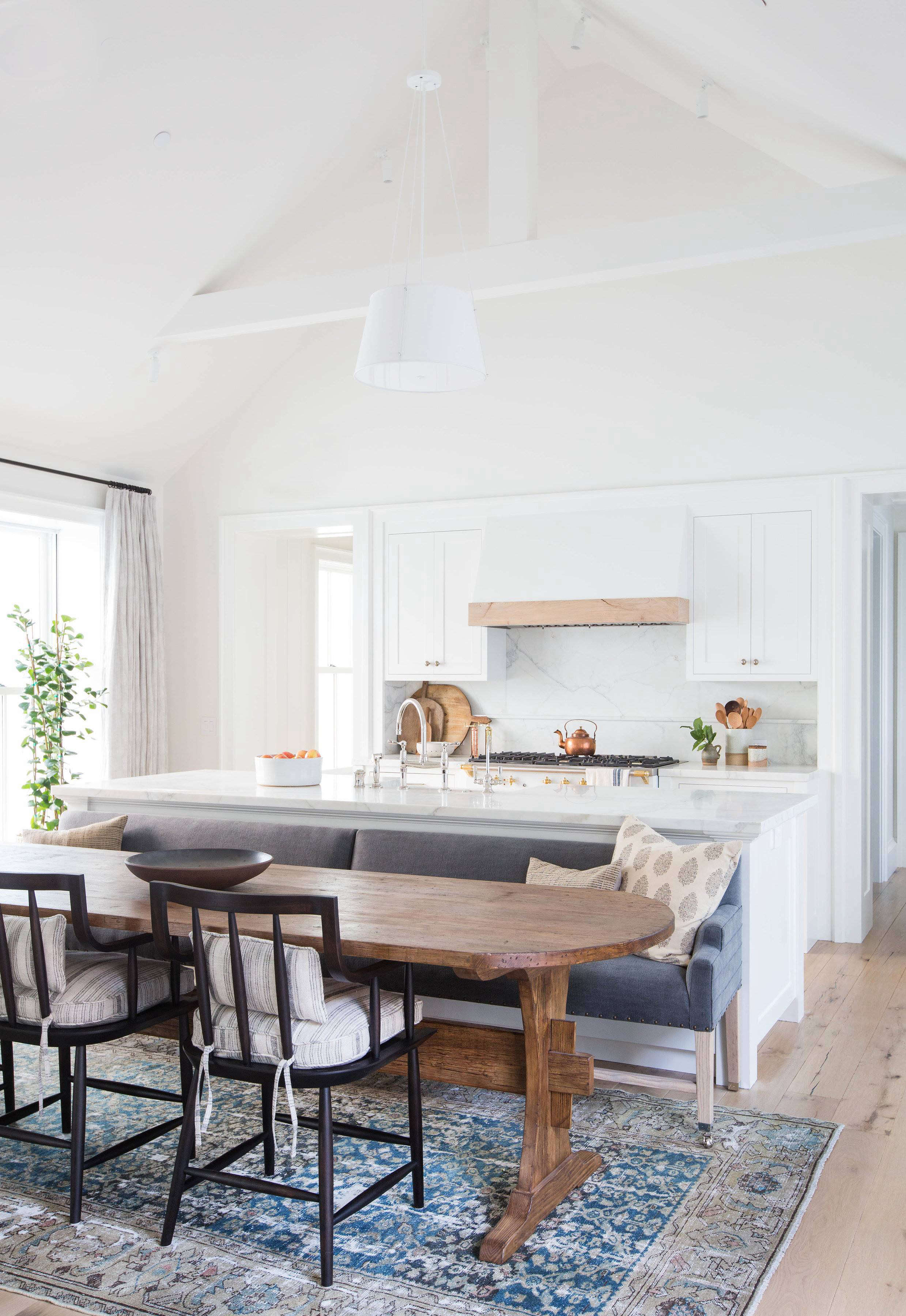
In a Lafayette Residence, the kitchen often acts as the social engine of the home. It is where families gather, guests hover, and someone always ends up blocking the snack drawer. A successful kitchen balances performance with warmth. Large islands, hidden storage, walk-in pantries, professional-grade appliances, and durable surfaces are useful, but the room still needs softness.
Wood cabinetry can warm up stone countertops. Pendant lighting can create intimacy. Open shelving, used sparingly, can display pottery or cookbooks without turning the kitchen into a dust museum. The best kitchens also connect visually to outdoor spaces, making it easy to move from meal prep to patio dining.
Landscape Design: More Than Pretty Plants
Landscape design is essential to the Lafayette Residence experience. Mature trees, native plantings, drought-tolerant gardens, gravel paths, low walls, fire-conscious planting zones, and shaded seating areas can make the property feel settled and intentional.
Because Lafayette properties may include slopes, creeks, oak woodlands, or large lots, the landscape should do more than decorate. It should manage water, create privacy, reduce heat, support outdoor living, and help the architecture blend into its surroundings. A smart landscape plan can make a large home feel less intrusive and a smaller home feel more expansive.
Outdoor Rooms That Actually Get Used
Outdoor rooms are only successful when they are comfortable. A beautiful patio without shade in a hot afternoon is basically a stylish frying pan. Lafayette outdoor spaces need shade structures, tree canopy, umbrellas, pergolas, or covered loggias. They also benefit from wind protection, layered lighting, and convenient access to the kitchen and bathrooms.
Popular outdoor features include dining terraces, fire pits, pool decks, meditation gardens, bocce courts, outdoor kitchens, and lounge areas overlooking the hills. The key is not to add every amenity possible. The key is to choose features that match how the residents actually live. A family that hosts weekly dinners needs a different outdoor plan than someone who wants quiet morning yoga beside a garden wall.
Sustainability and Performance in a Lafayette Residence
Modern luxury is no longer just about square footage and finishes. It is also about performance. A well-designed Lafayette Residence should be energy-conscious, climate-responsive, and durable. Large windows should be balanced with proper shading. Roof materials, exterior cladding, vents, and decking should be selected with wildfire resilience in mind. Water-wise landscaping should reduce irrigation demand while still creating beauty.
Common sustainable strategies include solar panels, battery backup, high-efficiency HVAC, heat pump water heaters, smart thermostats, LED lighting, low-flow fixtures, native planting, permeable paving, and improved insulation. These features may not photograph as dramatically as a floating staircase, but they make the home more comfortable and responsible over time.
Wildfire Awareness Without Design Panic
Lafayette’s natural beauty comes with real environmental responsibility. In hillside and wildland-adjacent areas, wildfire preparation matters. That does not mean every home has to look like a bunker with throw pillows. Fire-conscious design can be elegant. Noncombustible or ignition-resistant materials, ember-resistant vents, Class A roofing, defensible space, careful plant selection, and clean rooflines can support safety while preserving architectural appeal.
The most resilient homes combine good design with good maintenance. Gutters should be clear. Vegetation should be managed. Decks and vents should be reviewed. Outdoor furniture and storage should be considered part of the risk picture. In other words, the house and landscape need an ongoing relationship, not a one-time makeover followed by seven years of “we’ll get to it.”
Real Estate Value: Why Design Matters in Lafayette
Lafayette is a premium housing market, and buyers tend to notice quality. A residence with thoughtful architecture, strong indoor-outdoor flow, updated systems, and a cohesive landscape can stand apart. While location remains critical, design can influence how emotionally connected buyers feel when touring a property.
In a competitive market, details matter. Natural light, privacy, storage, flexible workspaces, modern kitchens, updated bathrooms, energy systems, and usable outdoor areas can all improve the perceived value of a home. Buyers are not just purchasing rooms; they are purchasing a lifestyle. In Lafayette, that lifestyle often includes access to trails, a quieter residential atmosphere, mature greenery, and convenient connections to the broader Bay Area.
Renovation Potential
Many Lafayette homes have strong bones, especially midcentury and late twentieth-century properties set among trees or hillsides. Renovation can be a powerful path to creating a Lafayette Residence without starting from scratch. The smartest remodels preserve what works: the view, the mature landscape, the original proportions, the privacy, or the structural logic. Then they improve what feels outdated: chopped-up rooms, small kitchens, dark hallways, inefficient windows, aging systems, and finishes that had a very committed relationship with the 1980s.
A good remodel does not erase the home’s history. It edits it. Openings can be widened, ceilings lifted, windows enlarged, and materials simplified. The result can feel fresh without becoming generic.
Design Lessons From the Lafayette Residence Style
Whether you are designing a custom estate, renovating a hillside home, or simply borrowing ideas for your own space, the Lafayette Residence offers several useful lessons.
First, Let the Site Lead
Before choosing finishes or furniture, study the property. Where does the morning light enter? Which views deserve framing? Where is privacy needed? How does water move during rain? Which trees should be protected? The best design decisions come from these observations.
Second, Use Natural Materials Generously
Wood, stone, plaster, linen, clay, and metal age better than overly synthetic trends. They also help a modern home feel warmer and more connected to the surrounding landscape.
Third, Create Flexible Spaces
Modern homes need to support changing routines. A guest room may double as an office. A media room may become a homework zone. A covered patio may function as a second dining room. Flexibility is not a luxury anymore; it is survival with better lighting.
Fourth, Keep the Exterior Calm
In a wooded or hillside setting, a calm exterior often works best. Earth-toned materials, restrained forms, and landscape integration help the home settle into the site rather than dominate it.
500-Word Experience Section: Living With the Lafayette Residence Mindset
Experiencing a Lafayette Residence is less about walking into a “fancy house” and more about feeling your shoulders drop the moment the door opens. The best homes in this style do something quietly powerful: they make daily life feel organized, beautiful, and connected to nature without asking you to perform. You do not need to wear linen pants or know the name of every architect in California to appreciate it. You just feel it.
Imagine arriving in the late afternoon. The road curves past oak trees, the light is golden, and the house appears gradually rather than announcing itself like a celebrity stepping out of a limousine. The entry is understated, perhaps framed by stone, wood, and native grasses. Inside, the first impression is light. Not harsh showroom light, but soft, layered daylight that moves across the floor and catches the grain of the wood. The home feels expensive, but not stiff. You are not worried about breathing too loudly.
The living area opens toward the landscape. Large glass doors slide away, and suddenly the room is larger than its walls. A terrace becomes part of the conversation. Someone is setting out snacks in the kitchen, another person is checking the grill outside, and a child or guest has already found the most comfortable chair. This is when the Lafayette Residence idea makes sense: architecture is not just about how a home looks in photos. It is about how naturally people move through it.
One of the most memorable experiences in this kind of home is the relationship between privacy and openness. The rooms may be filled with glass, yet the house does not feel exposed. Smart orientation, tree cover, courtyards, screens, and landscape layers create a sense of retreat. You can enjoy big views without feeling like the neighborhood has been invited to watch you eat cereal.
Mornings are especially strong in a Lafayette-style home. A breakfast nook near the garden can turn an ordinary cup of coffee into a small ritual. The kitchen island becomes a planning station for the day. Natural light reduces the need for artificial brightness, and the connection to trees or hills gives the home a calm rhythm. Even chores feel slightly more civilized when the laundry room has good storage and a window. Not fun, exactly, but less like punishment.
Evenings bring another layer. Exterior lighting glows along paths, under roof overhangs, and around planting beds. The house becomes warmer and more intimate. A fire pit or covered patio extends the day outdoors. Instead of separating formal entertaining from family life, the home blends them. Guests can gather without crowding the cook. Kids can move between rooms and outdoor spaces. Conversations stretch out because the setting invites people to stay.
The real lesson from the Lafayette Residence experience is that good design reduces friction. Doors are where you need them. Storage appears before clutter wins. Outdoor areas are close enough to use. Materials feel good to touch. Rooms support both gathering and solitude. The home does not chase attention; it earns affection.
That is why the Lafayette Residence idea continues to resonate. It represents a modern California dream that is not only about luxury, but about livability. It offers beauty without chaos, sophistication without coldness, and nature without sacrificing comfort. In short, it is the kind of residence that makes everyday life feel a little more intentionaland occasionally makes you wonder why every home does not come with a terrace, an oak view, and a kitchen island large enough for both dinner prep and emotional support snacks.
Conclusion: Why Lafayette Residence Design Still Feels Timeless
The Lafayette Residence stands out because it understands balance. It balances privacy with openness, luxury with comfort, modern lines with natural warmth, and architectural ambition with respect for the land. In a place defined by hills, trees, trails, and premium residential demand, a truly successful home cannot rely on size alone. It must feel connected, durable, graceful, and deeply livable.
For homeowners, designers, and real estate enthusiasts, the Lafayette Residence offers a valuable blueprint. Start with the site. Protect the views. Use honest materials. Make outdoor spaces useful. Plan for climate realities. Keep interiors warm and flexible. Above all, design for real life, not just the listing photo. A beautiful home is impressive for a moment; a well-designed home is enjoyable every single day.