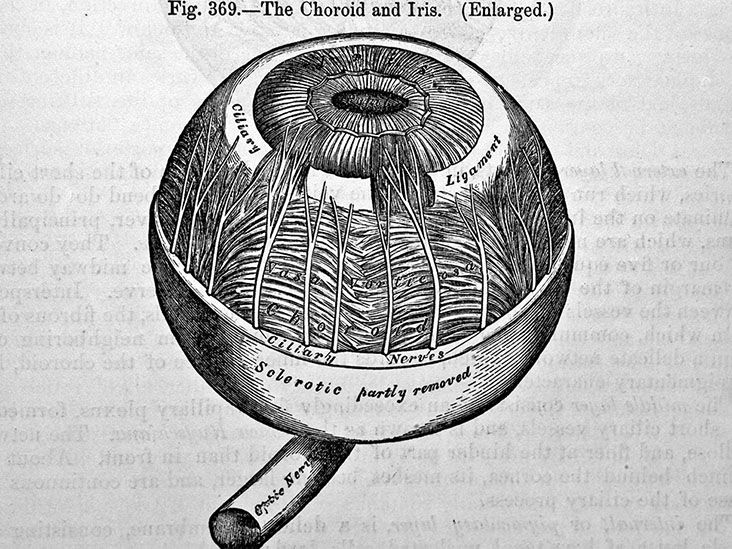

Neuromyelitis optica, often shortened to NMO and now commonly called neuromyelitis optica spectrum disorder or NMOSD, is a rare autoimmune disease that mainly attacks the optic nerves, spinal cord, and sometimes specific areas of the brainstem. That sounds like the nervous system drew the short straw in a very unfair office lotteryand unfortunately, that is not far from how it can feel for people living with the condition.
In NMO, the immune system mistakenly targets healthy tissue in the central nervous system. The result can be sudden vision loss, painful eye movement, limb weakness, numbness, bladder problems, severe nausea, hiccups that refuse to take the hint, and other neurologic symptoms. NMO was once considered a form of multiple sclerosis, but experts now recognize it as a separate condition with different biology, testing, and treatment needs.
The good news is that NMO is no longer the mysterious medical “who invited this?” guest it once was. Better antibody testing, MRI imaging, relapse-prevention medications, and acute attack treatments have changed the outlook for many patients. NMO is serious, but with prompt diagnosis and a long-term care plan, many people can reduce relapses, manage symptoms, and protect vision and mobility.
What Is Neuromyelitis Optica?
Neuromyelitis optica is an inflammatory autoimmune disorder of the central nervous system. The central nervous system includes the brain, spinal cord, and optic nerves. In many cases, NMO is linked to an antibody called aquaporin-4 immunoglobulin G, or AQP4-IgG. Aquaporin-4 is a water-channel protein found on astrocytes, which are support cells in the nervous system. When the immune system targets this protein, inflammation can damage the optic nerves and spinal cord.
This is why NMO symptoms often appear as optic neuritis, which affects vision, or transverse myelitis, which affects the spinal cord. Some people also have symptoms from the area postrema, a region in the brainstem that helps control vomiting and hiccups. Yes, a disease that can attack vision and also cause relentless hiccups is exactly as rude as it sounds.
Doctors use the broader term NMOSD because the condition can appear in several patterns. Some people have classic attacks involving the optic nerves and spinal cord. Others may have brainstem symptoms, diencephalic symptoms, or other neurologic signs. Testing for AQP4-IgG is central to diagnosis, but some people with NMO-like symptoms test negative for this antibody. In those cases, doctors may test for MOG antibodies and consider other related conditions, including MOG antibody-associated disease.
NMO vs. Multiple Sclerosis: Why the Difference Matters
NMO and multiple sclerosis can look similar at first glance. Both can cause optic neuritis, numbness, weakness, walking problems, and abnormal MRI findings. But they are not the same condition, and mixing them up can cause real problems.
Multiple sclerosis primarily involves immune attacks on myelin, the protective covering around nerve fibers. NMO more often centers on immune injury related to AQP4 antibodies and astrocytes. The pattern of spinal cord inflammation also tends to differ. NMO often causes longer spinal cord lesions, sometimes extending across three or more vertebral segments. MS lesions are often shorter and more scattered.
The treatment differences are also important. Some MS medications may not help NMO and, in certain situations, may worsen disease activity. That is why a person with suspected NMO should be evaluated by a neurologist, ideally one with experience in neuroimmunology, MS, NMO, and related disorders.
Common Symptoms of Neuromyelitis Optica
NMO usually happens in attacks, also called relapses. Symptoms may develop over hours or days and can be severe. Some people recover well after treatment, while others have lasting symptoms. Because each relapse can cause permanent damage, preventing future attacks is a major goal of care.
Vision Symptoms
Optic neuritis is one of the hallmark symptoms of NMO. It may affect one eye or both eyes. Symptoms can include eye pain, pain with eye movement, blurred vision, dimmed vision, loss of color brightness, blind spots, or sudden vision loss. Some people describe it as looking through foggy glass, except nobody handed them a windshield wiper.
Vision loss from NMO can be more severe than typical optic neuritis seen in MS. It may also recur. Any sudden change in vision deserves urgent medical attention, especially if it comes with eye pain, weakness, numbness, or bladder symptoms.
Spinal Cord Symptoms
When NMO affects the spinal cord, it can cause transverse myelitis. Symptoms may include weakness in the arms or legs, numbness, tingling, burning pain, tight band-like sensations around the chest or abdomen, muscle spasms, stiffness, trouble walking, paralysis, bladder urgency, urinary retention, constipation, or bowel accidents.
Some people experience painful tonic spasms, which are sudden, intense muscle contractions. These can be brief but dramatic, like a cramp that went to theater school. Spinal cord attacks can also affect breathing if inflammation occurs high in the cervical spinal cord, which is one reason severe attacks need urgent evaluation.
Brainstem and Area Postrema Symptoms
NMO can involve the area postrema, a small brainstem region linked to vomiting and hiccups. Symptoms may include severe nausea, repeated vomiting, and hiccups that last longer than expected. When hiccups or vomiting persist without a clear stomach-related explanation, doctors may consider neurologic causes, especially if the person has other NMO symptoms.
Other Possible Symptoms
Other NMO symptoms can include fatigue, nerve pain, headaches, dizziness, vertigo, sleep disruption, mood changes, sexual dysfunction, temperature sensitivity, and problems with balance or coordination. Symptoms vary widely, which is why NMO can be tricky to diagnose. It is not a one-size-fits-all disease; it is more like a badly organized junk drawer of neurologic surprises.
What Causes NMO?
NMO is autoimmune, meaning the immune system attacks the body’s own tissue by mistake. The exact trigger is not always known. In many patients, AQP4-IgG antibodies play a major role. These antibodies can activate immune pathways that lead to inflammation and tissue damage in the optic nerves, spinal cord, and certain brain regions.
NMO is not considered a simple inherited disease. Most people with NMO do not have a close relative with the same condition. However, NMO can sometimes occur alongside other autoimmune diseases, such as lupus, Sjögren’s syndrome, thyroid disease, or myasthenia gravis. This does not mean everyone with NMO has another autoimmune disorder, but it does explain why doctors may ask about dry eyes, joint pain, rashes, thyroid symptoms, or family history of autoimmunity.
Who Is at Risk?
NMO is rare, but it can affect adults and children. It is more common in women than men, especially among people who are AQP4-IgG positive. It can occur in all racial and ethnic groups. Compared with MS, NMO has been reported more frequently in people of Asian, African, Latin American, and Indigenous ancestry.
Age at onset varies, but many people are diagnosed in adulthood. Pediatric cases do happen, and older adults can also develop NMO. Because symptoms may resemble MS, stroke, infection, migraine, spinal cord compression, or other neurologic conditions, careful evaluation is essential.
How NMO Is Diagnosed
Diagnosing neuromyelitis optica usually requires a combination of clinical history, neurologic exam, blood tests, MRI imaging, and sometimes spinal fluid testing. A neurologist will look for patterns that fit NMOSD and rule out conditions that can mimic it.
Blood Tests
A key test is the blood test for AQP4-IgG antibodies. A positive result strongly supports NMOSD when symptoms fit the disease. Doctors may also test for MOG-IgG antibodies, especially when AQP4 testing is negative or the clinical pattern suggests MOG antibody-associated disease.
Additional blood work may check for infections, inflammation, vitamin deficiencies, autoimmune diseases, and medication safety before starting treatment. In other words, the lab work is not just “because doctors enjoy tubes.” It helps guide treatment and avoid dangerous look-alikes.
MRI Scans
MRI imaging of the brain, optic nerves, cervical spine, and thoracic spine can show inflammation and lesion patterns. In NMO, spinal cord lesions may be longitudinally extensive, meaning they stretch across several vertebral segments. MRI can also help rule out tumors, compression, vascular problems, and MS.
Spinal Fluid Testing
A lumbar puncture may be used in some cases. Cerebrospinal fluid can help doctors look for inflammation, infection, or other neurologic diseases. Oligoclonal bands, which are often seen in MS, are less typical in NMO, although findings can vary.
Treatment for Acute NMO Attacks
An NMO relapse is a medical event that should be treated quickly. The goal is to reduce inflammation, limit damage, and improve recovery.
High-Dose Corticosteroids
Doctors often treat acute attacks with high-dose intravenous corticosteroids, such as methylprednisolone. Steroids help calm immune inflammation. They may be followed by an oral steroid taper depending on the situation. Side effects can include insomnia, mood changes, increased blood sugar, stomach irritation, fluid retention, and the sudden confidence to reorganize your entire kitchen at 2 a.m.
Plasma Exchange
If symptoms are severe or do not improve enough with steroids, doctors may use plasma exchange, also called plasmapheresis. This process removes plasma, the liquid part of the blood, and replaces it with a substitute solution. Because harmful antibodies circulate in plasma, removing them can help reduce immune attack. Plasma exchange is often considered for serious vision loss, paralysis, or severe spinal cord attacks.
Long-Term Treatment to Prevent Relapses
Because NMO relapses can cause permanent disability, long-term relapse prevention is one of the most important parts of treatment. The right medication depends on antibody status, age, pregnancy plans, other medical conditions, infection risk, insurance access, and personal preferences.
FDA-Approved Treatments for AQP4-Positive NMOSD
Several targeted therapies are FDA-approved in the United States for adults with AQP4 antibody-positive NMOSD. These include:
- Eculizumab, a complement C5 inhibitor given by intravenous infusion.
- Inebilizumab, a CD19-directed B-cell-depleting therapy given by intravenous infusion.
- Satralizumab, an interleukin-6 receptor blocker given by subcutaneous injection.
- Ravulizumab, a longer-acting complement C5 inhibitor given by intravenous infusion.
These medicines target different parts of the immune system. Complement inhibitors reduce a destructive immune cascade linked to AQP4 antibody injury. B-cell therapy reduces immune cells involved in antibody production. IL-6 receptor blockade reduces inflammatory signaling that can contribute to NMOSD activity.
These treatments can be powerful, but they are not casual “take two and call me after brunch” medicines. They require screening, monitoring, and discussion of risks. For example, complement inhibitors increase the risk of meningococcal infection, so vaccination and safety planning are essential.
Other Immunosuppressive Options
Some patients may receive other immune-suppressing medicines, such as rituximab, azathioprine, or mycophenolate mofetil. These have been used in clinical practice to reduce relapses, though specific FDA approvals vary. A neurologist can help weigh benefits, risks, evidence, cost, and access.
Managing Symptoms and Daily Life
NMO treatment is not only about stopping relapses. It also involves managing day-to-day symptoms so life does not become a full-time negotiation with the nervous system.
Pain and Spasticity
Nerve pain may be treated with medications such as gabapentin, pregabalin, duloxetine, amitriptyline, or other options. Muscle stiffness and spasms may improve with stretching, physical therapy, baclofen, tizanidine, or related treatments. The best plan depends on the type of pain, other medications, and side effects.
Bladder and Bowel Symptoms
Bladder urgency, retention, infections, and bowel changes are common after spinal cord involvement. A urologist, rehabilitation specialist, or pelvic floor therapist may help. Treatment may include scheduled bathroom routines, medications, catheter strategies, constipation management, hydration planning, and infection prevention.
Vision Support
People with lasting vision changes may benefit from neuro-ophthalmology care, low-vision rehabilitation, screen readers, magnifiers, high-contrast settings, mobility tools, and workplace accommodations. Vision loss changes routines, but support tools can help people remain independent and active.
Rehabilitation
Physical therapy, occupational therapy, speech therapy, and rehabilitation medicine can help with strength, walking, balance, fatigue, hand function, swallowing, and daily activities. Recovery may be slow, but small gains matter. In NMO rehab, “progress” can mean walking farther, transferring more safely, cooking independently, or simply getting through the day with fewer energy crashes.
When to Seek Urgent Care
People with known or suspected NMO should seek urgent medical care for sudden vision loss, new eye pain, new weakness, numbness spreading upward, trouble walking, bladder retention, severe back or neck pain with neurologic symptoms, breathing difficulty, nonstop vomiting, persistent hiccups, or sudden worsening of old symptoms.
Fast treatment matters. NMO relapses are not the time to “wait and see” while sipping tea and hoping the nervous system checks its email. Early steroid treatment and plasma exchange, when needed, may improve the chance of recovery.
Living With NMO: Practical Experiences and Real-World Tips
Living with neuromyelitis optica is not just about understanding antibodies, MRI scans, and treatment names that sound like they were invented during a pharmaceutical spelling bee. It is also about figuring out how to live a real life with a rare disease that can be unpredictable. People with NMO often describe the experience as a mix of vigilance, adjustment, frustration, gratitude, and very advanced calendar management.
One common experience is learning to recognize personal warning signs. For some, a relapse begins with eye pain, blurred vision, or colors looking strangely faded. For others, it may start with new numbness, leg heaviness, unusual back pain, bladder changes, or nausea that does not behave like ordinary stomach trouble. Keeping a symptom journal can help. A simple note such as “left eye pain started Tuesday, worse with movement, vision dimmer by Thursday” can be useful during a medical visit. The goal is not to become obsessed with every twitch. The goal is to know the difference between everyday weirdness and a possible relapse.
Another major experience is managing fatigue. NMO fatigue can feel different from normal tiredness. It may arrive suddenly, linger after activity, or worsen with heat, poor sleep, stress, infection, or pain. Many people learn to pace activities by using the “energy budget” method. Instead of spending all their energy before noon and collapsing by dinner, they plan rest breaks, spread chores across the week, use mobility aids when needed, and stop treating rest like a moral failure. Rest is not laziness; it is maintenance. Even smartphones need charging, and they do far less emotional labor than humans.
Appointments can also become a big part of life. A person with NMO may see a neurologist, neuro-ophthalmologist, primary care doctor, rehabilitation therapist, urologist, mental health professional, and infusion team. Coordinating care can feel like running a small nonprofit with one tired employee. A folder or digital file with medication lists, MRI reports, antibody test results, relapse dates, vaccine records, allergies, and emergency contacts can make visits smoother. Some patients keep a one-page “NMO summary” to share with new clinicians, especially in urgent care or emergency settings.
Medication decisions are another real-world challenge. Long-term treatments can reduce relapse risk, but they may involve infusions, injections, lab monitoring, vaccines, infection precautions, insurance paperwork, and side effect discussions. Patients often benefit from asking direct questions: What is this medication meant to prevent? How soon does it work? What infections should I watch for? What vaccines do I need? What symptoms should trigger a call? What happens if I miss a dose? Clear answers can reduce anxiety and help people feel less like passengers in their own care.
Emotional adjustment matters too. NMO can bring fear of relapse, grief over lost abilities, anger about delayed diagnosis, or anxiety before MRI appointments. These reactions are understandable. Support groups, counseling, rare disease communities, and patient advocacy organizations can help people feel less alone. Family and friends may need education because NMO is invisible at times. A person may look fine while dealing with pain, fatigue, bladder problems, or vision changes. “You don’t look sick” is not the compliment people think it is.
Daily adaptations can make a big difference. People with vision changes may use brighter lighting, large-print labels, voice assistants, audio books, high-contrast phone settings, or transportation support. Those with mobility changes may use canes, walkers, braces, shower chairs, ramps, or physical therapy plans. These tools are not signs of defeat. They are ways to keep doing life with fewer unnecessary obstacles.
Finally, many people with NMO learn to plan without surrendering all spontaneity. Travel may require medication timing, cooling strategies, insurance documents, accessible lodging, and extra rest days. Work may require flexible scheduling, remote options, ergonomic setups, or formal accommodations. Parenting, relationships, exercise, and hobbies may need adjustment, but they do not need to disappear. NMO changes the map, but it does not erase the destination.
Outlook for People With NMO
NMO is a serious condition, and relapses can lead to lasting disability. However, the outlook has improved significantly because doctors now recognize the disease more accurately and have better tools to treat it. Early diagnosis, rapid treatment of attacks, relapse-prevention therapy, rehabilitation, and coordinated care can all improve quality of life.
There is currently no cure for NMO, but many people can enter long periods without relapses. The main strategy is prevention: stop attacks before they damage the optic nerves or spinal cord. A strong care plan is like a seat belt. It does not make the road perfect, but it can reduce the damage when things get bumpy.
Conclusion
Neuromyelitis optica is a rare autoimmune disease that can affect vision, movement, sensation, bladder function, and quality of life. It is different from multiple sclerosis and requires specific testing and treatment. Key symptoms include optic neuritis, transverse myelitis, severe nausea, persistent hiccups, weakness, numbness, spasms, and bladder or bowel problems.
Because NMO relapses can be severe, early diagnosis and urgent treatment are essential. High-dose steroids and plasma exchange may be used for acute attacks, while long-term immune therapies can help prevent future relapses. Living with NMO also means managing pain, fatigue, vision changes, mobility concerns, emotional stress, and everyday routines. With the right medical team and support system, people with NMO can move from crisis mode toward a more stable, informed, and empowered life.
Medical note: This article is for educational purposes only and does not replace professional medical advice, diagnosis, or treatment. Anyone with sudden vision loss, new weakness, severe numbness, bladder retention, breathing problems, or persistent vomiting should seek urgent medical care.