
Note: This article is for educational purposes only and is not a substitute for medical advice, diagnosis, or treatment. Anyone with symptoms, a known pituitary tumor, or changing hormone levels should speak with a qualified healthcare professional.
Pituitary cancer is one of those medical topics that sounds terrifying before the facts arrive wearing a lab coat and sensible shoes. The pituitary gland is tinyabout the size of a peabut it has the résumé of a Fortune 500 executive. It helps regulate growth, metabolism, reproduction, stress hormones, water balance, and more. So when a tumor develops in or near the pituitary, even a small one can cause very big drama.
The good news is important: most pituitary tumors are not cancer. They are usually benign pituitary adenomas, also called pituitary neuroendocrine tumors or PitNETs. These tumors may still cause symptoms because they can press on nearby structures or make too much of a hormone, but they usually do not spread to distant parts of the body. True pituitary cancer, also called pituitary carcinoma, is extremely rare. In fact, doctors generally do not call a pituitary tumor “cancer” unless it has spread to another area of the central nervous system or outside the central nervous system.
That distinction matters. A benign pituitary tumor can disrupt life, vision, mood, fertility, blood pressure, or energy levels, but it is managed differently from pituitary carcinoma. Understanding the difference helps patients ask better questions, avoid panic spirals, and make sense of a diagnosis that often comes wrapped in medical vocabulary thick enough to spread on toast.
What Is Pituitary Cancer?
Pituitary cancer is a malignant tumor that starts in the pituitary gland and spreads beyond its original location. This spread may involve the brain, spinal cord, meninges, nearby bone, or, more rarely, organs such as the liver, lungs, or heart. The challenge is that pituitary carcinoma can look very similar to a benign pituitary adenoma under a microscope. Unlike many cancers, it is not always possible to identify pituitary cancer by cell appearance alone. The defining feature is metastasisevidence that the tumor has traveled.
The pituitary sits at the base of the brain, behind the nose, inside a small bony pocket called the sella turcica. Directly above it is the optic chiasm, where important vision nerves cross. That cramped neighborhood explains why pituitary tumors can cause headaches, vision changes, or hormone problems even when they are not cancerous. Think of the pituitary area as a studio apartment: add one unexpected roommate, and suddenly everyone is stepping on each other’s cables.
Pituitary Cancer vs. Pituitary Adenoma
The phrase “pituitary tumor” does not automatically mean cancer. Most pituitary tumors are adenomas, and most adenomas grow slowly. Some are discovered by accident during an MRI or CT scan done for another reason. Others announce themselves by producing excess hormones or by growing large enough to press on nearby tissue.
Functional tumors
Functional pituitary tumors produce hormones. Depending on the hormone involved, they may cause conditions such as Cushing disease, acromegaly, hyperthyroidism, menstrual changes, infertility, breast milk production unrelated to pregnancy, or low testosterone symptoms. A prolactinoma, for example, produces too much prolactin. A growth hormone-producing tumor can cause acromegaly in adults, leading to enlarged hands, feet, facial features, sweating, joint pain, and sleep apnea.
Nonfunctional tumors
Nonfunctional tumors do not produce enough active hormone to cause a hormone-excess syndrome. Instead, they usually cause trouble by size and pressure. A large nonfunctioning tumor may press on the optic nerves, causing loss of side vision, blurry vision, or double vision. It may also interfere with normal pituitary hormone production, leaving a person tired, cold, weak, sexually disinterested, or unexpectedly gaining or losing weight.
Aggressive pituitary tumors
Some pituitary tumors are not technically cancer but behave aggressively. They may invade nearby structures, return after surgery, or continue growing despite radiation or medication. These are often described as aggressive pituitary tumors. They require careful long-term monitoring because they can be difficult to control, even without distant spread.
How Rare Is Pituitary Cancer?
Pituitary carcinoma is exceptionally uncommon. Pituitary tumors as a category are much more common than pituitary cancer, and many never cause symptoms. Medical centers that specialize in pituitary disease may see many adenomas, but true carcinoma remains a rare diagnosis. That rarity is a mixed blessing: it means most people with a pituitary tumor do not have pituitary cancer, but it also means that when carcinoma does occur, patients often need care from a highly experienced team.
Because there is no simple lifestyle checklist for preventing pituitary cancer, the focus is usually on accurate diagnosis, symptom control, tumor control, hormone management, and long-term follow-up. In rare inherited syndromes, such as multiple endocrine neoplasia type 1, screening may be considered. For most people, however, there is no known environmental or lifestyle trigger. In other words, this is not a “you ate the wrong sandwich” situation.
Symptoms of Pituitary Cancer and Pituitary Tumors
Pituitary cancer symptoms can overlap with symptoms of benign pituitary tumors. The symptoms depend on tumor size, location, hormone activity, and whether the tumor has spread. Some people have no symptoms at first. Others develop changes slowly enough that they blame stress, aging, work, parenting, or the mysterious modern condition known as “being tired since 2017.”
Symptoms from pressure
- Headaches that are new, persistent, or worsening
- Loss of peripheral vision
- Double vision or blurry vision
- Drooping eyelid
- Facial numbness or pain
- Seizures in uncommon cases
- Nausea or vomiting, especially with sudden severe symptoms
Symptoms from too little hormone production
- Extreme fatigue or weakness
- Low energy and reduced stamina
- Feeling unusually cold
- Low blood pressure or dizziness
- Changes in menstrual cycles
- Low libido or erectile difficulties
- Unexplained weight gain or weight loss
- Loss of body hair
Symptoms from excess hormone production
Hormone-producing pituitary tumors can create very specific patterns. Too much ACTH can cause Cushing disease, with weight gain around the belly and upper back, easy bruising, high blood pressure, high blood sugar, thin skin, stretch marks, mood changes, and muscle weakness. Too much growth hormone can cause acromegaly in adults, with enlarged hands and feet, jaw or brow changes, sweating, joint pain, sleep apnea, and a deeper voice. Too much prolactin may cause irregular periods, infertility, low libido, erectile problems, breast tenderness, or unexpected milk production.
When Symptoms Need Emergency Attention
A rare but serious complication called pituitary apoplexy can happen when there is sudden bleeding into a pituitary tumor or sudden loss of blood supply to it. This is a medical emergency. Symptoms may include a sudden, severe headache, vision loss, double vision, nausea, vomiting, confusion, fainting, or low blood pressure. If someone develops these symptoms, they should seek emergency care immediately. Pituitary apoplexy is not the time to “sleep it off” or ask the internet to vote on it.
How Doctors Diagnose Pituitary Cancer
Diagnosis begins with a careful history and physical examination. Doctors ask about headaches, vision changes, menstrual cycles, sexual function, fertility, weight changes, thirst, urination, fatigue, medications, family history, and how long symptoms have been present. The goal is to figure out whether symptoms point to pressure effects, hormone excess, hormone deficiency, or something unrelated.
Hormone testing
Blood and urine tests may measure pituitary and target-gland hormones, including prolactin, cortisol, ACTH, growth hormone-related markers, thyroid hormones, testosterone, estrogen-related hormones, LH, FSH, and others. Some patients need stimulation or suppression testing, which checks how hormone systems respond under controlled conditions.
Imaging
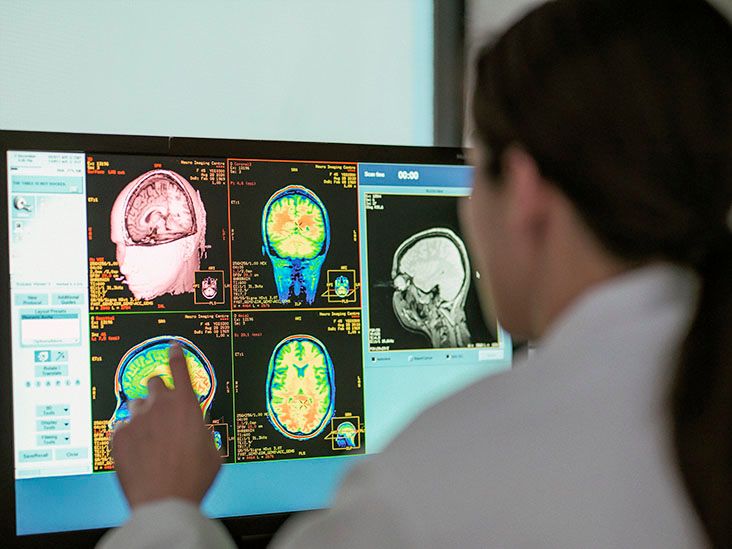
MRI is usually the preferred imaging test for pituitary tumors because it shows soft tissues in detail. A specialized pituitary MRI can help doctors assess tumor size, invasion into nearby structures, and pressure on the optic chiasm. CT scans may be used in some situations, especially to evaluate bone anatomy or when MRI is not possible.
Vision testing
Because the optic nerves sit close to the pituitary gland, visual field testing is often important. A person may not notice early peripheral vision loss until testing reveals it. This is one reason pituitary evaluation may involve a neuro-ophthalmologist, not just an endocrinologist or neurosurgeon.
Pathology and proof of spread
If surgery is performed, tumor tissue is examined by a pathologist. However, pituitary carcinoma cannot always be confirmed by microscope appearance alone. Doctors look for evidence of spread to distant parts of the brain, spinal cord, meninges, or outside the central nervous system. Additional imaging may be needed if cancer is suspected.
Treatment Options for Pituitary Cancer
Treatment is highly individualized. A plan may involve endocrinologists, neurosurgeons, radiation oncologists, neuro-oncologists, neuroradiologists, neuro-ophthalmologists, pathologists, and specialized nurses. Pituitary cancer is not a one-doctor hobby project; it is a group assignment where everyone actually needs to do their part.
Surgery
Surgery may be used to remove as much tumor as possible, reduce pressure on the optic nerves, relieve headaches, and obtain tissue for diagnosis. Many pituitary tumors are removed through a transsphenoidal approach, meaning the surgeon reaches the tumor through the nose and sphenoid sinus. This avoids a large skull opening for many patients. If a tumor is too large, too invasive, or shaped in a way that cannot be safely reached through the nose, a different surgical approach may be needed.
Medication
Some hormone-producing tumors respond to medication. Prolactin-producing tumors may be treated with dopamine agonists such as cabergoline or bromocriptine. Growth hormone-producing tumors may be treated with somatostatin analogs or other hormone-targeting medicines. ACTH-producing tumors may require medicines that lower cortisol production or block cortisol effects. In pituitary cancer, medications may help control hormone symptoms even when they do not cure the disease.
Radiation therapy
Radiation therapy may be used after surgery, for tumors that cannot be fully removed, for tumors that return, or when surgery is not possible. Options may include conventional external beam radiation, intensity-modulated radiation therapy, proton therapy in selected cases, or stereotactic radiosurgery. Radiation works gradually, so benefits may take months or years. Patients need long-term monitoring because radiation can affect normal pituitary hormone production.
Chemotherapy and newer approaches
Chemotherapy may be considered for pituitary carcinoma or highly aggressive tumors, especially when disease has spread or progressed despite other treatments. Temozolomide has been used in aggressive pituitary tumors and pituitary carcinomas, although responses vary. In selected cases, tumor genomic testing may help identify potential targeted therapies or immunotherapy options. Because pituitary carcinoma is so rare, clinical trials or consultation at a major pituitary center may be especially valuable.
Prognosis: What Affects Outlook?
There is no single prognosis that fits every person with pituitary cancer. Outlook depends on whether the tumor produces hormones, how far it has spread, how fast it is growing, whether it responds to surgery, radiation, or medication, and the person’s overall health. Because pituitary carcinoma is rare, survival statistics are limited and can feel discouraging when taken out of context. Some cases progress quickly, while others are controlled for longer periods with repeated treatment and close monitoring.
For benign pituitary adenomas, the outlook is often much better, although long-term follow-up may still be needed. Even after successful treatment, patients may need repeat MRIs, hormone testing, vision exams, or lifelong hormone replacement. A tumor can be “not cancer” and still require respect. Benign does not always mean harmless; it means it does not metastasize.
Living With a Pituitary Tumor or Pituitary Cancer
Living with pituitary disease often means living with uncertainty, and uncertainty is not exactly famous for being relaxing. Patients may need to track symptoms, attend repeat appointments, adjust hormone medications, recover from surgery, manage fatigue, or deal with mood changes. A strong care plan should address both tumor control and quality of life.
Hormone replacement may be needed if the pituitary cannot produce enough of certain hormones after tumor growth, surgery, or radiation. This may include thyroid hormone, cortisol replacement, sex hormone replacement, growth hormone in selected adults, or desmopressin for water-balance problems. These medicines require careful dosing and follow-up. Too little hormone can cause symptoms; too much can create a new set of problems. The endocrine system enjoys balance the way a tightrope walker enjoys not sneezing.
Patients can also benefit from keeping a symptom journal. Useful details include headache patterns, vision changes, menstrual changes, thirst and urination, energy levels, sleep quality, medication timing, side effects, and mood. Bringing organized notes to appointments can help clinicians spot patterns faster. It also prevents the classic exam-room moment where every symptom vanishes from memory the second the doctor asks, “So, what brings you in?”
Experiences Related to Pituitary Cancer: What Patients and Families Often Learn
People facing pituitary cancer or an aggressive pituitary tumor often describe the experience as confusing before it becomes frightening. Many have never heard of the pituitary gland before diagnosis. One day they are searching for “why am I tired all the time?” or “why is my vision weird?” and the next they are learning words like transsphenoidal, endocrine axis, macroadenoma, and neuro-ophthalmology. It can feel as if the body suddenly switched languages without offering subtitles.
A common experience is delayed recognition. Symptoms may be vague at first: fatigue, weight changes, mood swings, headaches, low libido, irregular periods, or sleep problems. These can be mistaken for stress, aging, menopause, depression, overwork, or “just life.” For example, a person with a hormone-producing tumor may spend months treating high blood pressure, blood sugar problems, or anxiety before anyone connects the dots to cortisol excess. Another person may not realize they are losing peripheral vision until they bump into doorframes, miss cars approaching from the side, or fail a visual field test.
The emotional side can be just as demanding as the medical side. Patients may feel relief when the tumor is finally found, fear when they hear the word “cancer,” frustration if symptoms are dismissed, and exhaustion from repeated testing. Families may want to help but not know whether to offer rides, research, meals, quiet, jokes, or all of the above in rotating shifts. The best support is usually practical and specific: “I can drive you to the MRI,” “I’ll help organize your medication list,” or “I’ll sit with you during the appointment and take notes.” Vague offers are kind; concrete offers are useful.
Many patients also learn that recovery is not always a straight line. After surgery, headaches, nasal congestion, fatigue, and hormone swings may occur. After radiation, the full effect may take time, and hormone deficiencies can appear later. Medication doses may need adjustment. Follow-up scans can create “scanxiety,” that nervous waiting period when every phone notification feels dramatic. Having a plan for test-result dayswho to call, what questions to ask, and what not to Google at midnightcan make the process feel less chaotic.
Patients often become skilled self-advocates. They learn to ask whether their tumor is functional or nonfunctional, whether it is a microadenoma or macroadenoma, whether the optic chiasm is affected, which hormones are abnormal, what symptoms require urgent care, and how often follow-up imaging is needed. They may seek second opinions at pituitary centers, especially for rare, recurrent, aggressive, or metastatic disease. This is not being “difficult.” It is being appropriately invested in the small gland currently attempting to run a Broadway production inside the skull.
Perhaps the most important lived lesson is that pituitary disease is not only about tumor size. A small tumor can cause major hormone problems, while a larger one may mainly cause pressure symptoms. Quality of life matters. Fatigue, sexual health, fertility, mood, sleep, body changes, and memory concerns deserve attention. Good care listens to lab values and the human being attached to them.
Questions to Ask Your Doctor
- Is my tumor benign, aggressive, or suspected to be pituitary carcinoma?
- Is there evidence that the tumor has spread?
- Is the tumor producing hormones?
- Which hormone levels are too high or too low?
- Is my vision affected?
- Do I need surgery, medication, radiation, monitoring, or a combination?
- What symptoms should send me to urgent care?
- How often will I need MRI scans and hormone tests?
- Should I be evaluated at a pituitary center or by a multidisciplinary team?
- Are clinical trials or genomic testing appropriate in my case?
Conclusion
Pituitary cancer is rare, but pituitary tumors are important because the pituitary gland controls so many body systems. The key thing to know is that most pituitary tumors are benign adenomas, not cancer. Still, benign tumors can cause serious symptoms through hormone imbalance or pressure on nearby structures. True pituitary carcinoma is usually identified when a pituitary tumor spreads beyond the gland, and it requires expert, individualized care.
Anyone with persistent headaches, vision changes, unexplained hormone symptoms, sudden severe headache, vomiting, confusion, or sudden vision loss should seek medical attention. For people already diagnosed, the best path usually includes a knowledgeable care team, regular follow-up, honest symptom tracking, and a treatment plan that respects both tumor biology and daily life. The pituitary may be pea-sized, but when it acts up, it deserves a full-size medical response.