
There are a few household items nobody brags about at dinner parties. Bath mats are near the top of that list. And yet, the moment you step out of a shower onto a bad one, you suddenly have opinions. Strong opinions. Damp-sock opinions. Slippery-floor opinions. “Why does this thing feel like a sad pancake?” opinions.
That is exactly why Portuguese bath mats have caught the attention of design lovers, comfort seekers, and people who are simply tired of bathroom textiles with the personality of wet cardboard. In the U.S. market, many premium bath mats and tub mats labeled Made in Portugal lean into soft cotton, plush pile, elegant texture, and easy-care practicality. They are not magical. They will not pay your bills. But they can make your bathroom feel more polished, more comfortable, and a whole lot less tragic.
This guide breaks down what Portuguese bath mats are, why they have such a strong reputation, how they compare with other bath mat styles, and whether they are actually worth the money. Spoiler: sometimes yes, sometimes no, and sometimes only if you stop buying mystery rugs that shed like an anxious golden retriever.
What Are Portuguese Bath Mats?
At the simplest level, Portuguese bath mats are bath mats manufactured in Portugal. That might sound almost too obvious, but in home textiles, where a product is made often tells you something about material quality, weaving standards, finishing, and feel. Portugal has long been associated with premium cotton textiles, and many bath products sold by upscale U.S. retailers are made there.
In practical terms, these mats are usually known for a few recurring features:
- Cotton-rich construction, often 100% cotton
- Soft, plush pile that feels comfortable under bare feet
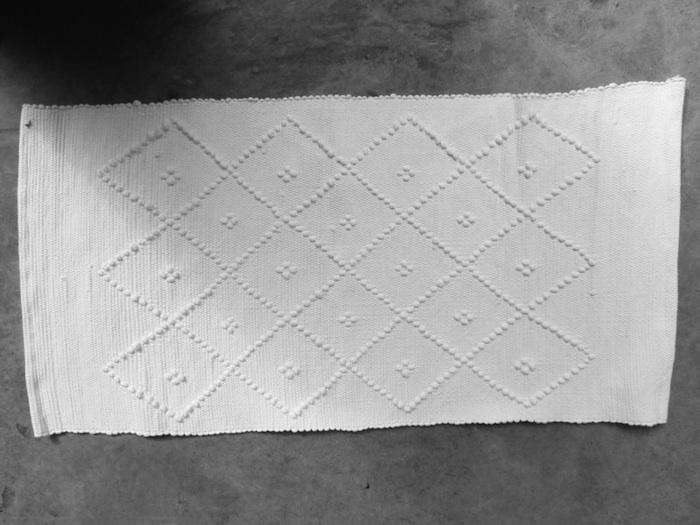
- Refined textures such as ribbing, waffle, tufting, or sculpted patterns
- High-end finishing that looks more boutique hotel and less discount aisle surprise
- Machine-washable care for everyday use
Some Portuguese-made mats emphasize long-staple cotton, which is prized for softness and durability. Others use zero-twist yarns, which can create a plush, airy feel with strong absorbency. Some are reversible. Some include non-slip or non-skid backing. Others are more traditional woven rugs that may need a rug pad underneath.
So, no, “Portuguese” does not describe one single bath mat style. It describes a manufacturing origin that often overlaps with premium cotton bath textiles.
Why Portuguese Bath Mats Stand Out
1. The Cotton Usually Feels Like It Means Business
A good bath mat should be absorbent, comfortable, and sturdy enough to survive repeated washing. Portuguese-made options often shine because they focus on exactly those basics rather than trying to reinvent floor fabric with a gimmick and a trendy name.
Many Portuguese bath mats sold in the U.S. use dense cotton loops or plush cotton pile. That matters because cotton is still one of the best all-around bath mat materials for people who want softness and absorbency. It feels natural underfoot, it fits a wide range of bathroom styles, and it tends to avoid the overly synthetic feeling some cheaper rugs have.
If you have ever stepped onto a super-soft mat that looked fabulous for three days and then collapsed into a lifeless fuzz rectangle, you already understand the value of construction. The better Portuguese options often feel substantial without becoming so heavy that washing them turns into an Olympic event.
2. They Tend to Look Expensive Without Screaming for Attention
One of the most appealing things about Portuguese bath mats is visual restraint. Many of them are beautiful in a quiet way. Think layered neutrals, subtle borders, tonal texture, ribbed patterns, waffle detail, or plush loops with a tailored edge. They rarely need cartoonish patterns or loud slogans like “SPLASH ZONE,” which is good news for anyone who wants their bathroom to feel calm instead of caffeinated.
This makes them especially attractive for modern bathrooms, spa-inspired spaces, coastal interiors, and classic white bathrooms that need warmth without clutter. A Portuguese bath mat can be a small upgrade, but it often changes the whole mood of the room.
3. They Bridge Luxury and Daily Use
Some bath mats are basically decoration. Others are pure function. Portuguese bath mats often sit nicely in the middle. They can look polished enough for a guest bath while still being practical enough for everyday use. That balance matters, because nobody wants a bathroom rug that either feels too precious to wash or too flimsy to enjoy.
Portuguese Bath Mats vs. Other Common Bath Mat Types
Portuguese Cotton Bath Mats
Best for people who want softness, absorbency, and a classic textile feel. These are usually the top choice for shoppers who like hotel-style bathrooms and machine-washable materials.
Memory Foam Bath Mats
These prioritize cushioning. If you want your feet to feel like they are landing on a tiny cloud after a shower, memory foam can be great. The trade-off is that some memory foam mats feel less refined visually and may need gentler care when laundering.
Microfiber or Chenille Bath Rugs
These often dry quickly and can feel very soft, but the texture can lean fluffier and less elevated. Some people love that plush, shaggy look. Others feel it makes the bathroom look like it is wearing slippers.
Stone or Bamboo Bath Mats
These are popular with shoppers who care about fast drying and minimal maintenance. They can look sleek and modern, but they do not offer that warm, cushioned cotton experience. If your dream bathroom says “Japanese-inspired spa,” stone or bamboo might win. If your dream bathroom says “warm toes and zero drama,” Portuguese cotton has the advantage.
In other words, Portuguese bath mats are not automatically “better” than every other type. They are better for shoppers who value tactile comfort, absorbency, understated luxury, and washable fabric.
What to Look for When Buying Portuguese Bath Mats
Material
Look for 100% cotton or a high-quality cotton construction if softness and absorbency are your priorities. If the product description mentions long-staple cotton, combed cotton, or zero-twist yarns, that is usually a promising sign.
Weight and Density
Heavier is not always better, but a denser mat generally feels richer and lasts longer. Some premium options use higher GSM or heavier gram weights, which often translates to a plush feel. Just remember that a super-heavy mat can take longer to dry after washing.
Backing
If your bathroom floor gets slick, check whether the mat has non-slip backing. Some Portuguese bath rugs do, while others are more like traditional woven rugs and may need a separate rug pad. This is not the detail to ignore until you discover your bathroom has become a surprise skating rink.
Size
Measure your space. A tiny mat in front of a large vanity can look oddly apologetic. A mat that is too large can crowd the room or block doors. Think about whether you want one rug by the tub, another by the sink, or a longer runner-style bath rug.
Washability
Always check care instructions. One reason cotton Portuguese bath mats are so appealing is that many are machine washable. That said, backing materials and rug structure can change the laundry rules.
Color and Texture
White always looks crisp and luxurious, but it will reveal makeup, moisture, and every dramatic moment your bathroom has seen. Soft gray, sand, cream, deep blue, and earthy green are often easier to live with while still feeling elevated.
How to Style Portuguese Bath Mats
One reason Portuguese bath mats perform so well in design-focused homes is their versatility. They do not need a huge production around them. They simply work.
- For a spa-inspired bathroom: choose white, ivory, or pale sand with fluffy towels and minimal hardware.
- For a coastal look: try soft blue, weathered gray, or textured stripes.
- For a modern bathroom: pick ribbed or geometric texture in a muted neutral.
- For a classic traditional space: go for bordered mats or tailored solid colors.
- For a guest bathroom: use a plush cotton mat that feels welcoming but still washes easily.
The real trick is to think of the mat as a finishing layer, not an afterthought. Towels, bath mat, hardware, and wall color should feel like they are part of the same conversation. A Portuguese bath mat usually speaks in a calm indoor voice, which is refreshing in a world full of decor that insists on yelling.
How to Care for Portuguese Bath Mats
If you spend more for a premium bath mat, take care of it like it did not personally offend you. Most cotton bath mats benefit from a simple routine:
- Shake it out regularly to remove dust, hair, and lint.
- Hang it to dry between uses whenever possible.
- Wash it on the schedule recommended by the care label.
- Avoid overloading the machine so the mat can rinse properly.
- Dry it thoroughly before placing it back on the floor.
Bathrooms are naturally humid, and bath mats absorb water, soap residue, body oils, and general life. That means they need regular washing to stay fresh. If the mat has rubber or non-slip backing, heat can sometimes be a bad idea, so follow the label rather than your laundry optimism.
Also, skip the fantasy that your bath mat is somehow self-cleaning because it “only touches clean feet.” Your clean feet are standing in a damp room on a fabric square that collects moisture for a living. Let us all be honest with ourselves.
Are Portuguese Bath Mats Worth It?
Yes, if you care about feel, finish, and long-term satisfaction. Portuguese bath mats are often worth the price when you want a bathroom to feel upgraded without doing a full renovation. They can bring together comfort, design, and practicality in a way cheaper mats often do not.
Maybe not, if your main goal is the lowest possible cost. If budget is everything, a basic cotton mat from a mass retailer may do the job just fine. It will absorb water. It will exist on the floor. It will be a bath mat. Not everyone needs a spa-like experience before brushing their teeth.
They are especially worth considering if:
- you like premium cotton towels and want a matching feel underfoot
- you want a bathroom that looks polished in photos and in real life
- you prefer washable fabric mats over stone or bamboo options
- you are furnishing a guest bath or primary bath and want lasting quality
- you are tired of flimsy bath rugs that flatten, shed, or look tired too quickly
Experiences With Portuguese Bath Mats
Living with Portuguese bath mats tends to be one of those small home upgrades that feels minor on paper and surprisingly meaningful in daily life. The first thing most people notice is not the label or the origin story. It is the landing. You step out of the shower, your foot hits the mat, and instead of that thin, damp, vaguely suspicious sensation some bargain mats deliver, you get softness with structure. The rug feels plush, but not squishy. It absorbs water without instantly giving up on itself. That sounds like a tiny thing, and it is, until it becomes part of every single morning.
Another common experience is that Portuguese bath mats often make a bathroom look more intentional. A lot of low-cost bath rugs do their job, but visually they can make a room feel random. Portuguese-made cotton mats, especially in tailored neutrals or rich textured weaves, tend to blend in beautifully while still improving the space. They do not beg for applause. They just quietly make the room look better. Guests may not ask, “Where is your bath mat from?” because that would be a very niche party, but they often notice that the bathroom feels calm, finished, and a little luxurious.
There is also the texture factor. Many users find that these mats feel nicer over time than trendy alternatives that are extremely fluffy on day one and oddly defeated by week three. A good Portuguese bath mat usually ages with more dignity. After repeated use, it may soften further, settle into its shape, and still feel dependable underfoot. That consistency matters in a room where comfort and cleanliness are everything.
Of course, daily experience also depends on the type you choose. A thick cotton rug can feel indulgent, but it may take longer to dry in a bathroom with poor ventilation. In a busy household, that means you have to be a little disciplined about hanging it up or washing it regularly. If you buy a version without non-slip backing, you may also discover that beautiful and graceful are not the same thing as stationary. That is easily solved with a rug pad, but it is worth knowing before your bath mat tries to moonwalk across the tile.
Families with kids or pets often appreciate that many Portuguese bath mats are machine washable. That makes them feel realistic rather than delicate. You can use them in a real bathroom where toothpaste splatters, wet paws appear from nowhere, and someone always manages to leave a puddle exactly where a puddle should not be. The mat can still look elevated without acting like it belongs in a museum.
Seasonally, they are satisfying too. In colder months, a plush cotton mat makes the bathroom feel warmer and more inviting. In warmer months, a lighter woven or ribbed style can still feel breathable and comfortable. That year-round usefulness is part of the appeal. A Portuguese bath mat is not just a decorative accent. It is one of those practical luxuries that earns its keep.
In the end, the experience is less about bragging rights and more about everyday comfort. Portuguese bath mats are for people who enjoy those small, repeatable moments when home feels well considered. Not flashy. Not fussy. Just soft, absorbent, attractive, and reliable. Honestly, that is more than can be said for most things before coffee.
Final Thoughts
Portuguese bath mats deserve the attention they get, not because they are trendy, but because they solve a boring everyday problem with style and substance. They often combine plush cotton comfort, refined texture, dependable absorbency, and elevated design in a way that feels noticeably better than many entry-level options.
If you want your bathroom to feel cleaner, calmer, and a little more luxurious every time you step out of the shower, a well-made Portuguese bath mat is a smart place to start. It is not the loudest upgrade in your home, but it may be one of the most satisfying. Your feet will notice. Your bathroom will notice. Even your morning mood might notice, which is saying a lot before breakfast.
SEO Tags