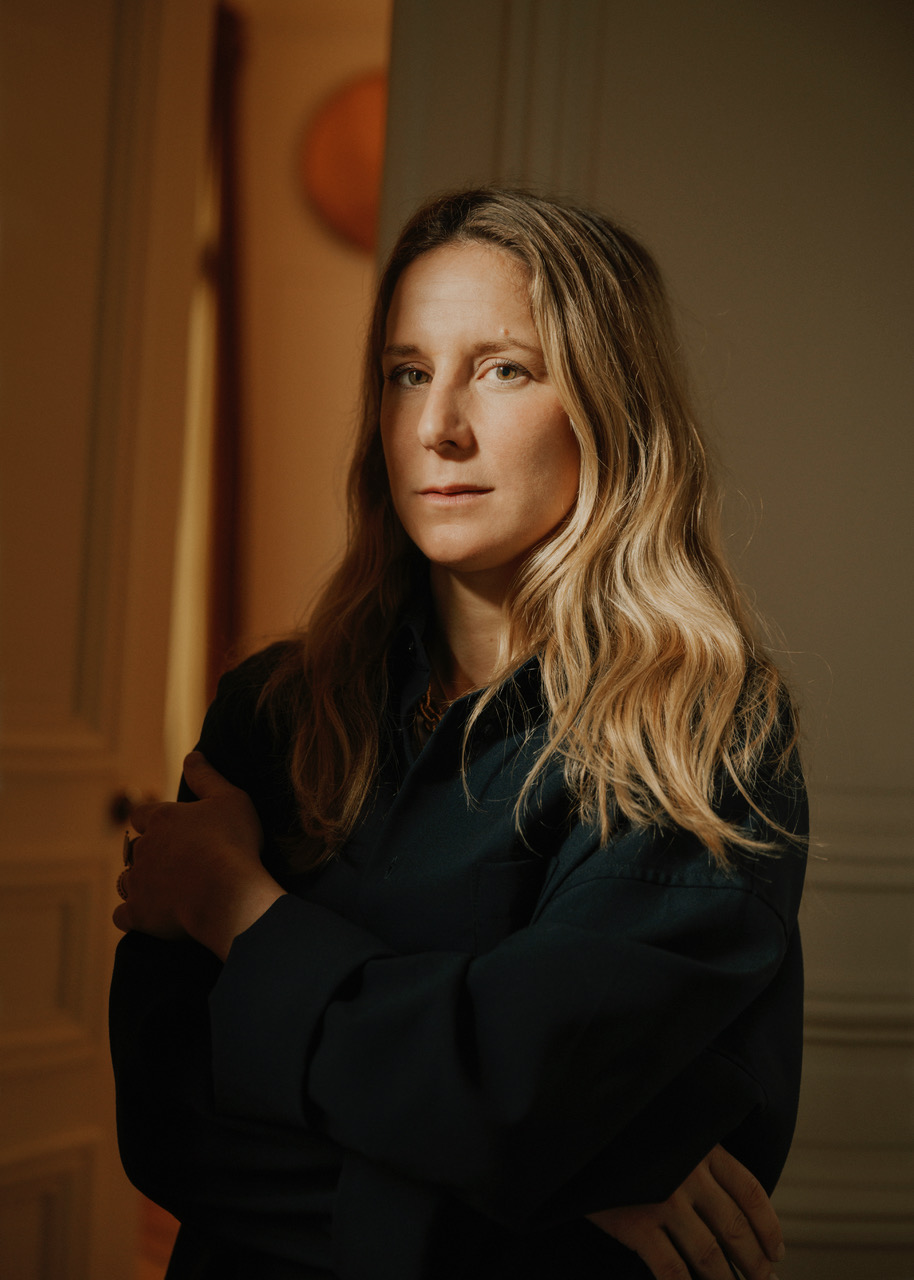

Dorothée Meilichzon does not design hotels that politely sit in the corner and whisper “beige.” Her interiors wink, glow, curve, stripe, and occasionally behave as if a cocktail bar, an artist’s studio, and a very stylish grandmother’s jewelry box all decided to rent the same room. As the founder of CHZON, the Paris-based design studio launched in 2009, Meilichzon has become one of the most recognizable names in modern hospitality design, shaping hotels, restaurants, bars, and retail spaces from Paris and London to Ibiza, Menorca, Venice, Biarritz, New York, and beyond.
This quick-take profile looks at what makes Dorothée Meilichzon’s work so magnetic: her love of context, her playful use of pattern, her instinct for custom furniture, and her talent for making boutique hotels feel deeply rooted rather than Instagrammed into existence. In a design world where “curated” can sometimes mean “we bought three expensive chairs and hoped for the best,” Meilichzon’s projects feel carefully imagined from floor tile to menu typography.
Who Is Dorothée Meilichzon?
Dorothée Meilichzon is a French interior architect and designer best known for hospitality interiors with a strong sense of place. She studied industrial design, gained early experience in branding and creative agencies, and eventually founded CHZON in Paris. The studio specializes in hospitality design, but that phrase undersells the scope of its work. CHZON often handles interior architecture, furniture design, lighting, patterns, murals, graphics, tableware, uniforms, and the tiny details guests remember after checkout.
Her portfolio includes celebrated Paris addresses such as Grand Pigalle Hôtel, Hôtel Bachaumont, Hôtel Panache, Hôtel des Grands Boulevards, and Hôtel Paradis. Beyond Paris, she has worked on Henrietta Hotel in London, Menorca Experimental in Spain, Il Palazzo Experimental in Venice, Montesol Experimental Ibiza, Regina Experimental Biarritz, and Cowley Manor Experimental in the Cotswolds. That is not a résumé; that is a very chic travel itinerary with better wallpaper.
The CHZON Approach: Story First, Style Second
The most important thing to understand about Meilichzon is that she is not simply applying a signature “look” to every project. Yes, there are recognizable ingredients: curved forms, graphic floors, textured walls, custom headboards, warm brass, saturated colors, vintage references, and a fearless relationship with pattern. But her best interiors begin with research. She studies the history of the building, the geography of the location, the people who may have passed through it, and the emotional mood a guest should feel when entering the space.
That approach explains why a Venice hotel designed by CHZON does not look like an Ibiza hotel wearing a carnival mask. Il Palazzo Experimental draws from Venetian materials, arches, terrazzo, the lagoon, and Italy’s Memphis design spirit. Montesol Experimental Ibiza plays with bohemian island energy, cooling colors, textured lime walls, shell-like details, moons, suns, fringes, and patterns that feel relaxed without slipping into beach-house cliché. Regina Experimental Biarritz responds to Belle Époque architecture, Atlantic views, nautical hints, Basque identity, and Art Deco geometry.
Quick Take: Her Design Style in One Sentence
Dorothée Meilichzon’s style is joyful, layered, historically curious, and wildly specificlike a room that has read a novel, ordered dessert, and chosen the perfect lamp before you arrived.
Why Her Hotels Feel Different
1. She Designs Atmosphere, Not Just Rooms
A Meilichzon hotel rarely feels like a collection of unrelated spaces. The lobby, bar, restaurant, corridor, bedroom, and bathroom usually speak the same language, although not always in the same accent. At Grand Pigalle Hôtel, the mood is clubby, intimate, and cocktail-ready, with patterned surfaces, brass lighting, and a strong sense of Parisian nightlife. At Hôtel Bachaumont, Art Deco references, blue-gray tones, marble, wood, and graphic geometry help revive a historic Paris building with a contemporary pulse.
This matters for SEO readers searching for “boutique hotel design ideas” or “Paris hotel interiors” because Meilichzon’s work demonstrates a key principle: memorable interiors are not made by one statement chair. They are made by rhythm. A headboard talks to a tile. A lamp answers a curve. A menu quietly matches the room without waving a tiny flag and shouting, “Brand consistency!”
2. She Loves Custom Details
CHZON is closely tied to industrial design, and that background shows. Meilichzon frequently designs furniture, lighting, mirrors, frescoes, patterns, and built-in features specifically for a project. The result is an interior that feels hard to duplicate. You can borrow the mood, but you cannot buy the entire room from one catalog, unless that catalog is imaginary and smells faintly of espresso.
Custom headboards are one of her recurring strengths. They can be sculptural, arched, woven, upholstered, painted, or geometrically framed. In many rooms, the headboard becomes the architecture. This is a smart hospitality move because the bed is the visual anchor of a hotel room. Make the bed wall memorable, and the whole room suddenly has a point of view.
3. She Makes Small Spaces Feel Designed, Not Compromised
Meilichzon is especially good at making compact rooms feel intentional. Instead of apologizing for a small footprint, she uses color blocking, built-ins, swing-arm lighting, clever mirrors, patterned textiles, and rounded silhouettes to create movement. In her world, a tiny corner is not a problem; it is an invitation to paint something interesting there.
This is one reason her work resonates beyond hotels. Apartment owners, renters, and design lovers can learn from her approach. A small bedroom can become richer with one strong wall color. A bathroom can gain personality through tile. A narrow hallway can feel purposeful with graphic flooring or a distinctive wall light. You do not need a 36-room manor to think like CHZON. Though, admittedly, a manor would not hurt.
Signature Elements of Dorothée Meilichzon Interiors
Curves and Arches
Arches appear frequently in Meilichzon’s work, but they are not merely decorative nostalgia. They soften transitions, frame views, and give rooms a sense of movement. In Venice, arches connect to the city’s architectural history. In Ibiza and Biarritz, rounded forms help balance strong geometry and bright light. Curves also make hospitality spaces feel more welcoming. A sharp corner says, “Please be careful.” A curve says, “Come sit down; we have excellent lighting.”
Pattern Mixing
Meilichzon uses stripes, checks, florals, animal prints, tile motifs, and custom graphics without making rooms feel chaotic. The secret is control. Her palettes often repeat key tones, and her shapes echo across surfaces. A stripe may appear on a canopy, a cushion, or a wall panel. A curve may reappear in a mirror, doorway, and chair back. The result is lively rather than loud.
Color With Character
Her rooms rarely rely on plain white walls as a default. Instead, color is used to create mood and define space. At Henrietta Hotel in London, the palette has included a variety of colors ranging from pinks and blues to greens, reds, navy, and soft gray. At Montesol Experimental Ibiza, cooling pastels and pale hues balance the heat and sunlight of the island. At Biarritz, marine and Art Deco references add depth to the coastal setting.
Local Craft and Materials
One of the strongest lessons from CHZON’s hospitality work is the importance of local identity. Terrazzo and marble in Venice, shell-like wall textures in Ibiza, Basque references in Biarritz, and layered historical cues in the Cotswolds all show how local context can become design language. Meilichzon’s interiors do not merely decorate a destination; they interpret it.
Notable Projects Worth Knowing
Grand Pigalle Hôtel, Paris
Grand Pigalle Hôtel helped define the polished, cocktail-forward mood associated with the Experimental Group. With patterned wallpapers, brass accents, lively bathroom tiles, and intimate public spaces, the hotel turned hospitality design into an evening mood. It feels like the kind of place where the walls know your drink order before you do.
Hôtel Bachaumont, Paris
Hôtel Bachaumont is a strong example of Meilichzon’s ability to revive history without trapping it in a museum case. The property’s Art Deco-inspired interiors mix elegance with contemporary comfort. Graphic floors, upholstered headboards, brass lighting, and cool-toned rooms give the building a fresh but respectful identity.
Hôtel Panache, Paris
Hôtel Panache draws inspiration from the Flatiron-like shape of its building. The design uses quirky geometry, custom furniture, and theatrical details to turn architectural limitations into personality. It is a reminder that awkward buildings often make the best stories. Perfect rectangles are overrated; ask any interesting city.
Henrietta Hotel, London
At Henrietta Hotel in Covent Garden, Meilichzon brought playful sophistication to a London setting. Pattern, contrasting shapes, and a broad palette give the rooms a boutique identity that feels both polished and personable. It is refined, but not so refined that you feel guilty putting a suitcase on the floor.
Menorca Experimental, Spain
Menorca Experimental transformed a 19th-century finca into a serene, creative retreat. The design imagines the property as a summer residence for an artistpeaceful, inspiring, and connected to landscape. Rather than shouting for attention, the hotel uses color, craft, and simplicity to create a slower rhythm.
Il Palazzo Experimental, Venice
For Il Palazzo Experimental, Meilichzon worked with a historic Venetian setting and created interiors rooted in the city’s atmosphere. Hand-painted tiles, columns, arches, terrazzo, marble, salmon and terracotta tones, and lagoon-inspired blues and greens help the hotel feel specific to Venice. The project also nods to the Memphis movement, giving the old palazzo a modern spark.
Montesol Experimental Ibiza
Montesol Experimental Ibiza reinterprets a 1933 neocolonial building with bohemian touches, calming room colors, solar accents in public spaces, textured walls, handcrafted details, and cosmic motifs. It captures Ibiza without turning into a souvenir shop. There are moons, suns, fringe, and patternbut all with discipline.
Regina Experimental Biarritz
Regina Experimental Biarritz brings together Belle Époque architecture, Atlantic views, nautical references, Basque inspiration, and Art Deco forms. The result is a hotel that honors its cliffside location and grand history while still feeling current. It is coastal design with a tailored jacket.
Cowley Manor Experimental, Cotswolds
Cowley Manor Experimental shows Meilichzon working with English country-house history. The property includes 36 rooms, multiple lounges, a spa, gardens, pools, and richly layered public areas. The design mixes classical references with contemporary materials, bold colors, lacquer, rattan, verdigris, and subtle storybook energy connected to local Wonderland lore. It is a manor house, but with better jokes.
What Designers Can Learn From Dorothée Meilichzon
Start With the Building
Before choosing a sofa, understand the architecture. What year was the building constructed? What materials already exist? What shapes appear in windows, doors, staircases, or moldings? Meilichzon’s work shows that the best design ideas are often already hiding in the building, waiting for someone to notice.
Create a Visual Vocabulary
Great interiors repeat ideas without becoming repetitive. Choose a few shapes, materials, and colors, then let them reappear in different ways. A curve in a doorway can return in a mirror. A tile color can echo in a cushion. A brass detail can appear in lighting, furniture feet, and signage. This is how a room becomes coherent without becoming boring.
Use Humor Carefully
Meilichzon’s work can be playful, but it is not gimmicky. That distinction matters. A whimsical moon-shaped opening or a bold patterned chair works because it is integrated into the design story. Random novelty ages quickly. Thoughtful playfulness becomes charm.
Design the Forgotten Details
Menus, uniforms, lampshades, door handles, bathroom mirrors, bedside lights, and corridor colors all shape the guest experience. Hotels succeed when the “small” things feel considered. In real life, people may not remember the square footage of a room, but they will remember the lamp that made them look ten percent more mysterious.
Why “Quick Takes With: Dorothée Meilichzon” Matters Now
The phrase “Quick Takes With: Dorothée Meilichzon” fits because her career offers fast, useful lessons for anyone interested in interiors. Her work answers practical design questions: How do you make a small room feel special? How do you mix patterns without panic? How do you design a hotel that belongs to its city? How do you make historic spaces feel alive instead of embalmed?
Her relevance has also grown because hospitality design now influences residential interiors more than ever. People want homes that feel personal, layered, and experience-driven. They want bedrooms that feel like boutique hotel suites, kitchens with café energy, bathrooms with memorable tile, and living rooms that look collected rather than delivered in one giant cardboard box.
Meilichzon’s work offers an antidote to flat minimalism. It proves that sophistication can have color, that luxury can be witty, and that a room can be elegant without behaving like it has never eaten bread.
Experience Section: Living With the Dorothée Meilichzon Mindset
To understand the appeal of Dorothée Meilichzon’s design, imagine checking into a small boutique hotel after a long travel day. You are tired, slightly wrinkled, and emotionally dependent on the promise of good lighting. Then the room opens. Instead of a generic bed, there is a custom headboard with a shape you have not seen before. The walls are painted in a color that somehow feels both brave and calm. The bathroom tiles have rhythm. The mirror is not merely a mirror; it is a little architectural event. Suddenly, you are not just staying somewhere. You are inside a point of view.
That is the experience Meilichzon’s work often creates. It gives guests permission to notice. You notice the curve of a chair. You notice how a lamp sits slightly lower than expected, making the table feel intimate. You notice that the restaurant does not look separate from the hotel but like the more sociable cousin of the bedrooms. You notice that the design has been assembled with intention, not sprinkled on top like parsley.
For homeowners, this mindset can be surprisingly practical. Start with one room and ask what story it wants to tell. A bedroom may want softness and quiet drama. A dining room may want warmth, conversation, and a little mischief. A bathroom may want texture and polish. Once the story is clear, decisions become easier. Instead of asking, “Is this trendy?” ask, “Does this belong to the world I am building?” That is a very CHZON way to think.
Another experience-related lesson is the value of contrast. Meilichzon often mixes old and new, geometric and organic, glossy and matte, bold and soft. In a home, that might mean pairing a vintage wood table with a modern lamp, placing a striped cushion on a velvet chair, or painting a small alcove in a color that makes it feel deliberate. Contrast gives rooms energy. Without it, even expensive interiors can feel like a very polite waiting room.
Lighting is equally important. Many Meilichzon spaces understand that light is emotional architecture. Swing-arm lamps, shaded sconces, glowing pendants, and low ambient lighting can make a room feel cinematic. The right lamp can rescue a corner faster than a motivational quote ever could. If a room feels flat, do not immediately buy more furniture. First, improve the lighting. Your sofa may already be doing its best under difficult circumstances.
Finally, the most useful experience from studying Dorothée Meilichzon is confidence. Her interiors trust their own decisions. They do not apologize for color. They do not fear pattern. They do not flatten local history into a neutral background. That confidence is what makes her work memorable, and it is also what makes it adaptable. You do not need to copy her rooms. In fact, copying would miss the point. The real lesson is to design with curiosity, context, craft, and a little bit of nerve.
Conclusion
Dorothée Meilichzon has become a defining voice in contemporary hospitality design because her interiors do more than look attractive. They tell stories, solve spatial problems, honor local context, and turn small details into memorable moments. Through CHZON, she has shaped some of the most talked-about boutique hotels, restaurants, and bars in Europe and beyond, proving that design can be sophisticated, humorous, historic, and fresh all at once.
For anyone interested in interior design, boutique hotels, or French hospitality style, her work offers a generous playbook: research the setting, design every detail, mix eras with confidence, and never underestimate the power of a great headboard. Beige may still have its place, of course. But in Dorothée Meilichzon’s world, beige had better bring a pattern, a story, and perhaps a brass lamp.
Note: This original article synthesizes publicly available information about Dorothée Meilichzon, CHZON, and documented hospitality projects. It does not reproduce subscriber-only interview content.