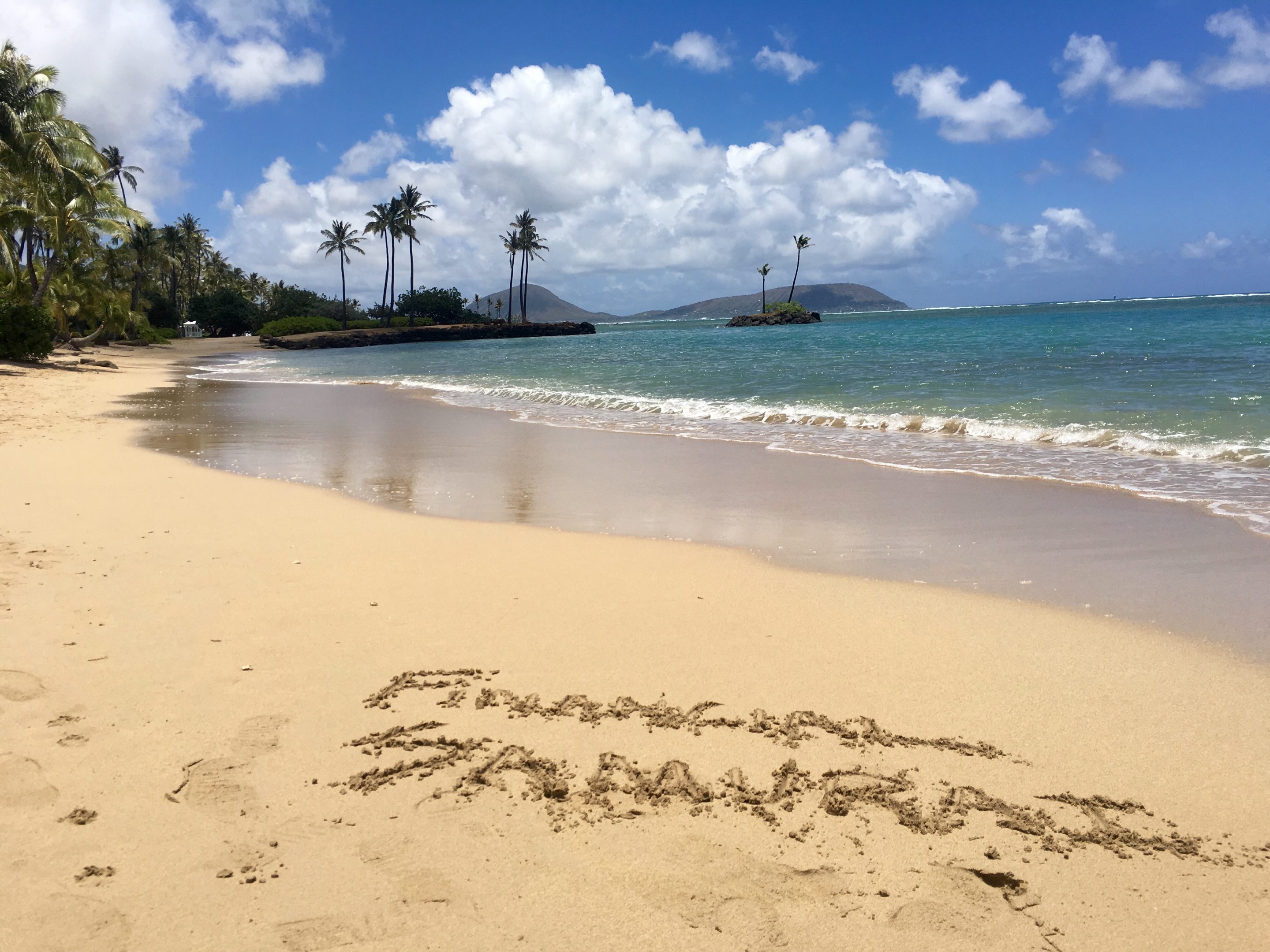

Retiring in Hawaii sounds like the kind of plan a travel brochure would propose after drinking one too many pineapple smoothies: trade snow shovels for sandals, wake up near the ocean, eat fresh fruit, and let the trade winds handle your blood pressure. And yes, Hawaii can be an extraordinary place to retire. It offers natural beauty, outdoor living, rich culture, year-round warmth, and a slower rhythm that makes “rushing” feel slightly suspicious.
But living in paradise is not the same as vacationing in paradise. A seven-day trip lets you admire the sunset. Retirement asks whether you can afford the electric bill, find a cardiologist, ship a replacement appliance, handle hurricane season, and still have room in the budget for poke that costs more than your first car payment.
This guide breaks down the real pros and cons of retiring in Hawaii, including cost of living, housing, taxes, healthcare, lifestyle, transportation, climate risks, and everyday island realities. The goal is not to scare you away from Hawaii. It is to help you decide whether paradise fits your retirement planor whether it should remain your favorite vacation.
Why Retiring In Hawaii Is So Appealing
1. The Climate Encourages An Active Retirement
One of the biggest benefits of living in Hawaii is the weather. Instead of building your retirement schedule around ice storms, leaf blowers, and the annual hunt for matching gloves, you can walk, swim, garden, golf, paddle, snorkel, or simply sit outside without negotiating with winter.
That matters. Many retirees want a lifestyle that makes healthy habits easier. In Hawaii, walking along the beach, joining a water aerobics class, visiting farmers markets, or hiking a scenic trail can become part of normal life. You do not need to be an extreme athlete. You can be the person who says, “I’m just going for a short walk,” and returns two hours later with a tan, a mango, and a new friend named Uncle Tony.
2. Natural Beauty Is Part Of Daily Life
Hawaii’s scenery is not subtle. Volcanoes, waterfalls, rainforests, beaches, reefs, mountains, and dramatic coastlines all compete for attention like they are trying to win a state beauty pageant. For retirees who value outdoor living, few states offer this much variety in such a compact area.
Each island has its own personality. Oahu offers the most urban convenience. Maui blends resort beauty with upcountry charm. Kauai feels lush and quieter. Hawaii Island provides space, volcano landscapes, and more varied microclimates. The right island depends on your budget, healthcare needs, pace of life, and tolerance for being far from certain services.
3. Hawaii Has A Strong Sense Of Community
Retiring in Hawaii is not only about scenery; it is also about culture. The spirit of aloha, respect for elders, family-centered living, and local traditions can create a warm and meaningful retirement experience. Many communities have senior centers, volunteer opportunities, cultural events, farmers markets, hula classes, churches, beach cleanups, and neighborhood gatherings.
That said, newcomers should arrive with humility. Hawaii is not a theme park with property taxes. It is home to Native Hawaiian culture, multigenerational local families, and communities dealing with high costs, housing pressure, and environmental stress. The happiest retirees are usually those who listen first, learn local etiquette, support local businesses, and understand that “aloha” is not just a word printed on a souvenir mug.
The Biggest Pros Of Retiring In Hawaii
Pro: Social Security Is Not Taxed By The State
One financial advantage is that Hawaii does not tax Social Security benefits. For retirees who rely heavily on Social Security income, that can help soften the blow of living in an expensive state. Certain pension income may also receive favorable treatment, although retirement-account withdrawals such as 401(k) or IRA distributions can be taxable depending on the source and structure of the income.
This makes Hawaii tax-friendly in some ways and not-so-friendly in others. The headline is simple: Social Security gets a break. The fine print is where your CPA earns their coffee.
Pro: Property Tax Rates Are Low
Hawaii is often listed among the states with the lowest effective property tax rates in the country. For homeowners, that can be a major plus, especially compared with states where property taxes can feel like a second mortgage wearing a tiny government hat.
However, low rates do not automatically mean low bills. Hawaii’s home values are high, so even a low tax rate applied to an expensive property can still produce a meaningful annual cost. Retirees buying a home should look at total ownership costs, including insurance, maintenance, HOA fees, utilities, repairs, and potential climate-related risks.
Pro: Outdoor Recreation Can Be Low-Cost
Once you live in Hawaii, many of the best activities are free or relatively inexpensive. Beach walks, swimming, sunsets, picnics, hiking, community events, public parks, and ocean views do not require luxury spending. If your retirement dream is less “country club every day” and more “barefoot coffee on the lanai,” Hawaii can deliver beautifully.
The trick is to live like a resident, not like a tourist. Eating every meal in resort districts will drain a retirement budget faster than you can say “market price.” Shopping local, cooking at home, choosing free recreation, and learning where residents go can make Hawaii more manageable.
Pro: A Healthier Lifestyle May Feel More Natural
Hawaii’s climate and culture can nudge retirees toward better routines. Fresh seafood, tropical fruit, walking, swimming, gardening, and year-round sunlight all support an active lifestyle. Many people find they spend less time indoors and more time moving, socializing, and enjoying nature.
Of course, Hawaii does not magically turn malasadas into kale. You still have to make good choices. But when a morning walk includes ocean air and a mountain view, motivation gets a nice little upgrade.
The Biggest Cons Of Retiring In Hawaii
Con: The Cost Of Living Is Very High
The number one challenge of retiring in Hawaii is cost. Housing, groceries, electricity, fuel, insurance, shipping, dining, and household goods are often more expensive than on the mainland. Because Hawaii is geographically isolated, many products must be shipped long distances. That reality shows up in grocery aisles, furniture delivery quotes, car parts, and the price of anything bulky enough to make logistics companies sigh.
Retirees on fixed incomes should build a Hawaii-specific budget before moving. A retirement plan that works comfortably in Arizona, Tennessee, or North Carolina may feel tight in Honolulu, Maui, or Kauai. Even retirees with substantial savings can be surprised by the everyday cost of basics.
Con: Housing Can Be Shockingly Expensive
Housing is the biggest financial barrier for most retirees. Honolulu home values remain high, and single-family homes in desirable areas can easily push far beyond what many mainland retirees expect. Condos may look more affordable, but monthly maintenance fees, special assessments, insurance costs, parking, and building reserves must be reviewed carefully.
Renting before buying is often the smartest move. It gives you time to test neighborhoods, traffic patterns, microclimates, medical access, grocery options, and whether island life feels peaceful or too isolated. Buying immediately after a dreamy vacation is how people end up owning a condo with a view, a large HOA fee, and a deep emotional relationship with their ceiling fan.
Con: Electricity And Utilities Are Expensive
Hawaii has some of the highest electricity costs in the United States. Air conditioning, dehumidifiers, appliances, and water heating can make monthly bills painful, especially in warmer or less breezy areas. Solar panels may help some homeowners, but installation costs, roof condition, association rules, and battery storage all matter.
Retirees should ask for real utility histories before renting or buying. A home that looks affordable on paper may become less charming when the monthly power bill arrives wearing a grass skirt and carrying bad news.
Con: Healthcare Access Varies By Island
Healthcare is a major retirement issue. Oahu generally offers the broadest access to hospitals, specialists, and medical services. Neighbor islands can be more limited, especially for specialty care. Some residents may need to fly to Oahu for certain treatments, appointments, procedures, or second opinions.
If you have chronic conditions, mobility issues, cancer history, heart disease, complex prescriptions, or frequent specialist visits, healthcare access should guide your island choice. A peaceful rural property may sound perfect until you realize your specialist is a plane ride away and your appointment is at 8:00 a.m.
Con: Distance From Family Can Feel Bigger Over Time
Hawaii may be part of the United States, but it is far from the mainland. Flights to visit children, grandchildren, siblings, or longtime friends can be expensive and tiring. Time-zone differences can make phone calls awkward. Emergencies require planning. Grandkids may love visiting you, but their parents may quietly calculate airfare with the expression of someone reading a dental bill.
Some retirees love the distance and independence. Others eventually feel isolated. Before moving, consider how often you want to see family and whether your budget supports regular travel in both directions.
Con: Island Fever Is Real For Some People
Island life can feel peaceful, but it can also feel small. After the novelty fades, some retirees miss road trips, big-city cultural options, varied shopping, easy interstate travel, and the ability to drive several hours and be somewhere completely different.
This does not bother everyone. Some people find the scale of island life comforting. Others feel boxed in. A long trial stayideally several monthsis the best way to discover which category you belong to.
Best Places To Retire In Hawaii
Oahu: Best For Healthcare And Convenience
Oahu is the practical choice for retirees who want the best access to hospitals, specialists, shopping, public transportation, restaurants, cultural events, and direct flights. Honolulu offers urban energy, while areas such as Kailua, Kaneohe, Hawaii Kai, and parts of Central Oahu offer different lifestyle trade-offs.
The downside is cost, traffic, density, and competition for housing. If you want convenience, Oahu is hard to beat. If you want quiet rural paradise, Oahu may feel a little too caffeinated.
Maui: Best For Scenic Lifestyle With Amenities
Maui is popular for its beaches, upcountry areas, restaurants, and outdoor recreation. It can be a wonderful retirement destination for those with a strong budget and a desire for beauty with some convenience. However, housing is expensive, tourism affects daily life, and parts of the island continue to face housing and recovery pressures after recent disasters.
Kauai: Best For Quiet Natural Beauty
Kauai is lush, slower, and deeply scenic. It appeals to retirees seeking a quieter lifestyle, gardening, hiking, and a close-to-nature retirement. The trade-off is fewer services, fewer specialists, limited shopping, and a smaller social and medical ecosystem.
Hawaii Island: Best For Space And Variety
Hawaii Island, often called the Big Island, can offer more space and sometimes lower housing prices than Oahu or Maui. It has varied climates, from sunny Kona to rainy Hilo to cooler upcountry areas. Retirees who want land, gardens, or a less crowded lifestyle may find it appealing.
However, distances are larger, medical access varies, and volcanic hazards, vog, and rural infrastructure should be considered. The Big Island rewards careful neighborhood research.
Taxes: Friendly, Complicated, Or Both?
Hawaii’s retirement tax picture is mixed. Social Security is not taxed by the state, and some pension income may be exempt. Property tax rates are low compared with most states. Those are real advantages.
On the other hand, Hawaii has a progressive income tax system with high top rates, and many purchases are affected by the General Excise Tax, which functions differently from a standard sales tax but still raises consumer prices. Estate-tax rules may also matter for retirees with significant assets.
The best strategy is to run a retirement income projection before moving. Include Social Security, pensions, IRA withdrawals, 401(k) distributions, investment income, rental income, property taxes, estate planning, and healthcare costs. A tax-friendly detail in one category does not automatically make the whole state inexpensive.
Practical Budget Tips For Retiring In Hawaii
Rent Before You Buy
Spend at least three to six months living like a local before purchasing property. Visit grocery stores, pharmacies, clinics, banks, beaches, and community centers. Drive during rush hour. Test the weather in that exact neighborhood. A house five miles away can feel like a different climate zone.
Choose Your Island Based On Healthcare First
Retirement planning should put healthcare near the top of the list. If you need regular specialist care, Oahu may be the safest choice. If you are healthy and flexible, a neighbor island may work beautifully, but you should still plan for occasional medical travel.
Downsize Before Moving
Shipping household goods to Hawaii can be expensive. Bring what truly matters and sell the rest. The dining table you bought in 1987 may have sentimental value, but if shipping it costs more than a used car, it may be time for a heartfelt goodbye.
Live Like A Resident
Shop farmers markets, learn local grocery rhythms, use loyalty programs, buy seasonal produce, avoid tourist traps for everyday dining, and build community. Retirees who adapt tend to do better than those trying to recreate mainland life with ocean views.
Who Should Retire In Hawaii?
Hawaii may be a great fit if you have a strong retirement income, value outdoor living, respect local culture, can handle distance from the mainland, and are flexible about island logistics. It is especially appealing for retirees who want warm weather, natural beauty, community, and a lifestyle centered on experiences rather than possessions.
Hawaii may not be ideal if your budget is tight, you need frequent specialty medical care, you dislike humidity, you want quick access to mainland family, or you feel frustrated when products take longer to arrive. Paradise is easier to enjoy when you are not arguing with shipping fees every Tuesday.
Real-Life Retirement Experiences In Hawaii
Imagine a retired couple from Oregon who decides to test life on Oahu for six months before buying. At first, everything feels like vacation: morning walks in Waikiki, plate lunches on weekends, sunsets that look professionally edited, and neighbors who wave instead of pretending to inspect their mailbox. But after two months, the practical details show up. Their grocery bill is higher. Parking is tighter. A dental appointment takes longer to schedule than expected. Traffic across town is not exactly the lazy island fantasy they pictured.
Still, they discover something important: they are outside more, walking daily, eating lighter meals, and attending free community concerts. They meet other retirees through a volunteer group and begin to feel connected. For them, Oahu works because healthcare is nearby and they are willing to live in a smaller condo instead of chasing a large house.
Now picture a single retiree from California who moves to the Big Island for space and affordability. She buys a modest home with room for fruit trees and a lanai where she drinks coffee while listening to birds. Her life becomes quieter and more grounded. She grows herbs, joins a local gardening club, and spends less on entertainment because nature is the entertainment. The trade-off? Driving distances are longer, some items are harder to find, and when she needs a specialist, she may have to travel. She loves her new life, but only because she planned for those realities.
Another retiree chooses Kauai after years of stressful corporate work. He wants rain, greenery, and peace. For the first year, he is thrilled. Then island fever creeps in. He misses big bookstores, major concerts, long road trips, and easy visits with grandchildren. Instead of leaving completely, he adjusts. He spends eight months a year on Kauai and keeps a small mainland rental near family for longer visits. His retirement becomes a hybrid model: paradise plus practical escape valve.
The lesson from these experiences is simple: retiring in Hawaii is not one lifestyle. It is a set of trade-offs. Some retirees thrive by downsizing, simplifying, and embracing local rhythms. Others struggle because they expect Hawaii to behave like the mainland with palm trees. The happiest retirees usually do three things well: they budget honestly, choose the right island for their health needs, and build relationships beyond the beach.
Paradise rewards preparation. Visit during different seasons. Stay in ordinary neighborhoods, not only resorts. Cook at home. Use local transportation. Price insurance. Read HOA documents. Ask doctors about access. Talk to residents who have lived there for years, not just newcomers still in the honeymoon phase. Hawaii can be a dream retirement destination, but it is not a financial shortcut or a cure for loneliness. It is a real place with real bills, real communities, and real responsibilities.
Conclusion: Is Retiring In Hawaii Worth It?
Retiring in Hawaii can be absolutely worth it for the right person. The climate, beauty, culture, outdoor lifestyle, and sense of place are hard to match anywhere in the United States. If your retirement dream includes ocean air, warm evenings, fresh fruit, community events, and a slower pace, Hawaii deserves serious consideration.
But the cons are not small. Housing is expensive, utilities are high, groceries cost more, healthcare access varies by island, and the distance from family can feel larger with age. Hawaii is not the cheapest place to retire, and it is not always the easiest. It is, however, one of the most distinctive and rewarding places to build a meaningful later lifeif your finances, health needs, and personality fit the island reality.
The best advice is to try before you buy, budget before you dream, and remember that paradise is still paradise even when you compare electric rates.
SEO Tags
Note: This article is written for general informational and SEO publishing purposes. Retirees should verify current tax, housing, insurance, and healthcare details with qualified local professionals before relocating.