
Fabric vertical blinds are the quiet overachievers of window treatments. They soften sunlight, add privacy, make sliding doors look polished, and collect dust with the dedication of a tiny museum curator. The good news? You do not need a professional cleaning crew, a dramatic weekend project, or a bucket full of mystery chemicals to make them look fresh again.
The best way to clean fabric vertical blinds is simple: remove loose dust first, vacuum gently from top to bottom, spot-clean stains carefully, and let the vanes dry completely before pushing them back into daily duty. The trick is to treat the fabric like fabric, not like a kitchen counter. Scrubbing, soaking, twisting, and blasting with hot water can cause wrinkles, water spots, fraying, or warping. In other words, your blinds may survive, but they will remember.
This guide explains how to clean fabric vertical blinds safely, how often to maintain them, what tools to use, what mistakes to avoid, and how to handle dust, pet hair, odors, stains, and mild grime without turning your living room into a laundry experiment.
Why Fabric Vertical Blinds Need Gentle Cleaning
Unlike vinyl or aluminum vertical blinds, fabric vanes can absorb moisture, trap odors, and hold onto dust deep in the weave. Many fabric vertical blinds also have backing, weights, chains, sewn seams, stiffening treatments, or protective coatings. These features help the blinds hang nicely, but they can react badly to too much water or aggressive cleaning.
That is why the safest cleaning method starts dry. Dust, lint, pollen, and pet hair should be removed before you add any moisture. If you skip that step and go straight for a damp cloth, you may create gray streaks that look like your blinds lost a fight with a sidewalk.
Tools You Need to Clean Fabric Vertical Blinds
You probably already own most of the supplies. Keep the setup simple and gentle.
Basic Cleaning Supplies
- Vacuum cleaner with a soft brush or upholstery attachment
- Microfiber cloths
- Lint roller for pet hair and fuzzy dust
- Soft sponge
- Bowl of lukewarm water
- A few drops of mild dish soap or gentle detergent
- Clean towel to protect the floor
- Step stool for tall windows
- Fan or open window for drying
What to Avoid
- Bleach, unless the manufacturer specifically allows it
- Ammonia-based cleaners
- Hot water
- Steam cleaners on delicate or backed fabric
- Hard scrub brushes
- Dryer heat
- Heavy soaking without checking the care label
For most homes, a vacuum, microfiber cloth, and mild soap solution are enough. Your goal is not to punish the blinds for being dirty. Your goal is to politely convince the dirt to leave.
Step 1: Check the Care Label or Manufacturer Instructions
Before cleaning fabric vertical blinds, look for a care tag, product manual, or manufacturer cleaning instructions. Some fabric blinds can handle light spot cleaning with mild soap and water. Others should only be vacuumed or professionally cleaned, especially if they are decorative, textured, laminated, blackout-lined, or made from delicate woven material.
If you cannot find a care label, choose the gentlest method first: dusting and vacuuming. Then test any damp cleaning solution on a hidden area near the bottom or back of one vane. Wait until it dries. If the fabric looks unchanged, you can continue carefully.
Step 2: Close and Straighten the Blinds
Pull the blinds fully across the window or sliding glass door. Rotate the vanes so they are flat and easy to access. Make sure they are not overlapping too tightly. This gives you a clear surface and keeps you from missing the dusty edges where dirt loves to hold secret meetings.
Place a towel along the floor or windowsill if you plan to spot-clean. This catches dust, drips, and any little surprises hiding in the headrail area.
Step 3: Dust from Top to Bottom
Start with a dry microfiber cloth, feather duster, or blind duster. Work from the top of each vane downward. Do not wipe upward, because vertical blind vanes can unhook or twist if handled roughly. Support the bottom of the vane with one hand while you dust with the other.
For fast maintenance, a lint roller is excellent on fabric vertical blinds. It grabs pet hair, lint, and surface dust without adding moisture. This is especially useful in homes with cats, dogs, or anyone who owns a black sweater and somehow transfers half of it to the window treatments.
Step 4: Vacuum Fabric Vertical Blinds Gently
Vacuuming is one of the best ways to clean fabric vertical blinds without removing them. Use a soft brush or upholstery attachment. Set the vacuum to low suction if possible. Hold each vane steady from behind and move the brush downward from the top to the bottom.
Do both sides of the blinds. If your vacuum is too strong, place a thin microfiber cloth over the nozzle and secure it with a rubber band. This reduces suction and prevents the fabric from being pulled too aggressively.
Pay extra attention to the lower edges. Fabric vertical blinds near sliding doors often collect dust, shoe dirt, pet hair, and outdoor debris. The bottom section usually looks innocent until the sunlight hits it at exactly the wrong angle.
Step 5: Spot-Clean Stains the Right Way
For small stains, mix lukewarm water with a few drops of mild dish soap. Dip a clean microfiber cloth or soft sponge into the solution, then wring it out very well. The cloth should be damp, not dripping.
Blot the stained area gently. Do not scrub in circles. Scrubbing can fuzz the fabric, spread the stain, or leave a shiny patch. Work from the outside of the stain toward the center so the mark does not grow larger. After blotting with the soap solution, use another cloth dampened with clean water to remove residue. Then blot dry with a towel.
If the stain remains, repeat the process once or twice. Patience is better than pressure. A stubborn stain may need several gentle passes, not one heroic attack.
Step 6: Clean Greasy Fabric Blinds in Kitchens
Fabric vertical blinds in kitchens have a harder life. They collect cooking grease, steam, dust, and the occasional splash from a sauce that got too confident. For greasy residue, use slightly warmer water and a small amount of mild dish soap, since dish soap is designed to cut grease.
Still, do not soak the fabric. Blot lightly, rinse with a clean damp cloth, and dry with a towel. If the blinds are very greasy, clean one small section at a time. Too much moisture can leave water rings or cause the fabric to lose its shape.
For future prevention, run the kitchen exhaust fan while cooking and keep fabric blinds pulled away from active cooking areas when possible. Your blinds should not have to participate in taco night.
Step 7: Handle Odors Without Overwashing
Fabric blinds can absorb odors from pets, cooking, smoke, moisture, or closed-up rooms. Start by vacuuming both sides thoroughly. Then air out the room by opening windows or using a fan. Good airflow often removes light odors without adding moisture to the blinds.
If odor remains, lightly wipe the fabric with a barely damp cloth using plain water. Avoid spraying fragrance directly onto the blinds. Fabric refreshers may leave residue or spots, especially on darker or textured fabric. If the odor is strong, persistent, or musty, professional cleaning may be safer than repeated home treatments.
Step 8: Deal With Mildew or Moisture Spots Carefully
Mildew can appear on fabric vertical blinds in humid rooms, near poorly insulated windows, or behind furniture where air does not circulate well. If you see a few small spots, first take the blinds outside or open the windows for ventilation. Wear gloves if the stains look suspicious or if you are sensitive to allergens.
Brush away dry surface particles gently outdoors if possible. Then test a hidden area with your mild soap solution. Blot the spot lightly, rinse with a clean damp cloth, and dry thoroughly. Do not leave the fabric wet. Moisture is the very thing mildew was hoping you would provide.
If the blinds have widespread mold, a strong musty smell, or repeated growth, replace them or contact a professional cleaner. Also fix the moisture source: condensation, leaks, poor ventilation, or high indoor humidity. Cleaning the blinds without solving the moisture problem is like mopping during a rainstorm with the window open.
Step 9: Clean the Headrail, Chains, and Weights
The fabric vanes get the attention, but the hardware needs love too. Dust the headrail with a microfiber cloth or vacuum brush. Wipe plastic chains, bottom weights, and wand controls with a damp cloth and mild soap if needed. Dry all hardware afterward.
Do not spray cleaner directly into the headrail. Liquid can attract grime or interfere with movement. Apply cleaner to the cloth first, then wipe. This same rule applies when cleaning windows near the blinds: spray glass cleaner onto the cloth, not toward the window treatment.
Step 10: Let the Blinds Dry Completely
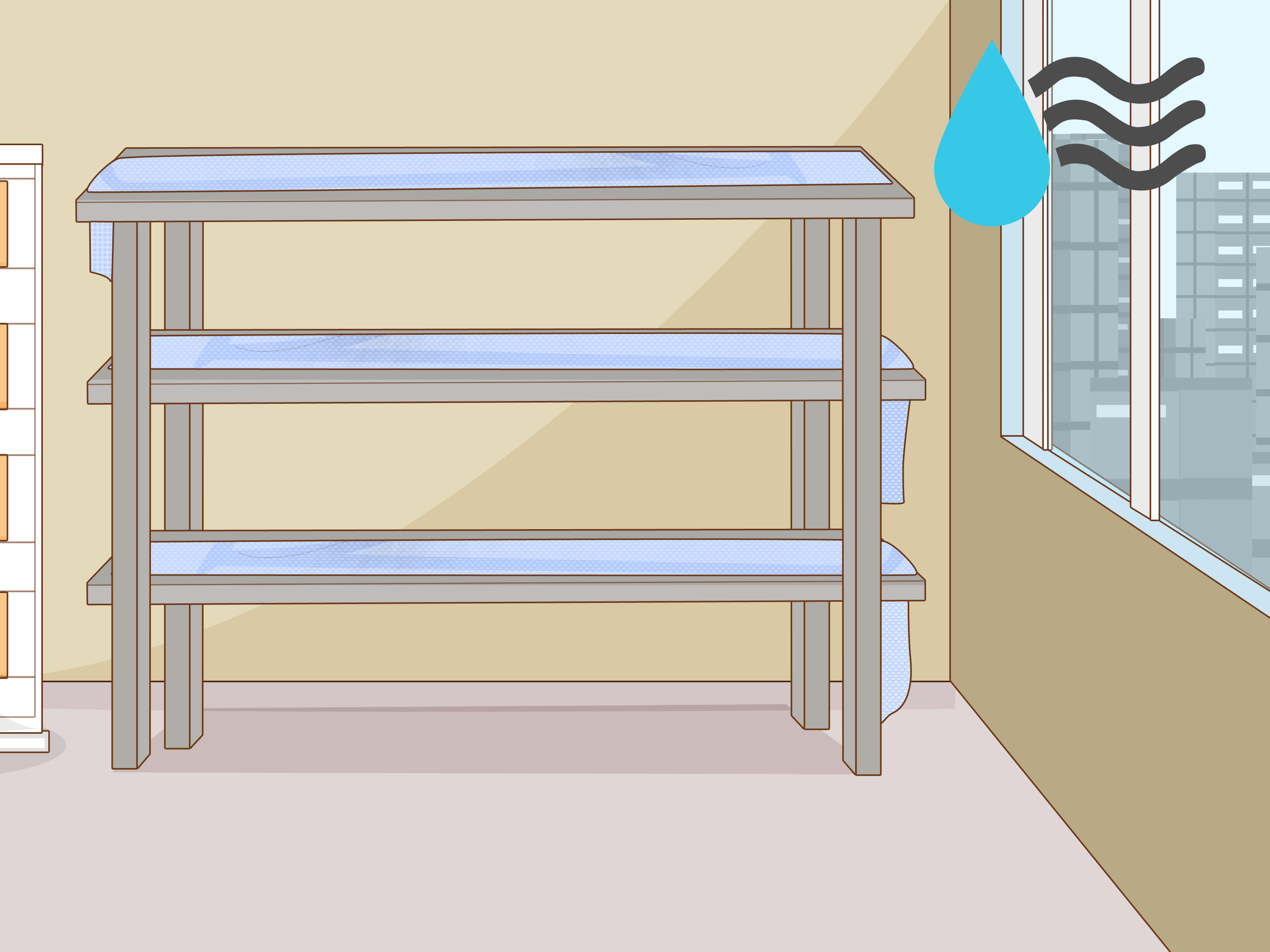
After spot-cleaning, leave the blinds fully extended and separated slightly so air can circulate. Use a fan, open a window, or turn on the room’s ventilation. Do not bunch the damp vanes together. Do not close them tightly against the glass. Do not use a hair dryer on hot.
Drying matters because damp fabric can wrinkle, smell musty, or attract new dust. Once the vanes are fully dry, rotate them open and closed a few times to make sure they hang correctly.
Can You Wash Fabric Vertical Blinds in the Bathtub?
Sometimes, but not always. This is where the care label becomes the boss. Some washable fabric vanes can be removed and soaked briefly in lukewarm water with mild detergent. However, many fabric vertical blinds should not be immersed because water can damage backing, stiffening, adhesive, seams, or weights.
If the manufacturer says the fabric is washable, remove the vanes carefully and keep them in order. Fill a tub with lukewarm water and a small amount of gentle detergent. Soak briefly, swish gently, rinse with clean water, and lay the vanes flat on towels to dry. Never wring, twist, or tumble dry. Rehang only when damp-dry or fully dry, depending on the manufacturer’s instructions.
If you are unsure, skip the bathtub. A cautious blind is better than a clean but curled blind that now looks like a lasagna noodle.
How Often Should You Clean Fabric Vertical Blinds?
A realistic cleaning schedule keeps blinds looking good without making them your new hobby.
Weekly or Every Two Weeks
Use a microfiber cloth, feather duster, or lint roller for surface dust and pet hair. This takes only a few minutes and prevents buildup.
Monthly
Vacuum both sides with a soft brush attachment. Focus on edges, lower sections, and areas near doors or vents.
Every Three to Six Months
Do a more detailed cleaning. Dust, vacuum, inspect for stains, spot-clean where safe, and wipe the headrail and controls.
As Needed
Spot-clean spills right away. Fresh stains are easier to remove than old stains that have settled in and signed a lease.
Common Mistakes to Avoid
Using Too Much Water
Oversaturation is the most common problem. Fabric blinds can develop water spots, wrinkles, or sagging when they get too wet.
Scrubbing Stains Aggressively
Scrubbing may damage fibers and make the stained area more noticeable. Blot gently instead.
Skipping the Patch Test
Even mild soap can affect certain dyes, coatings, or textures. Always test first.
Using Harsh Chemicals
Bleach, strong disinfectants, and abrasive cleaners can discolor fabric or weaken fibers. Mild soap is usually the safest choice.
Rehanging Wet Vanes Too Closely Together
Damp fabric needs airflow. Keep vanes separated while drying to prevent odors and moisture marks.
Simple Maintenance Habits That Keep Blinds Cleaner Longer
Keeping fabric vertical blinds clean is easier when you reduce the dirt that reaches them in the first place. Vacuum floors regularly, especially near sliding doors. Replace HVAC filters on schedule. Keep windowsills dry. Groom pets often. Use range hoods while cooking. Open windows when weather allows to reduce stale odors.
If your blinds are in a high-traffic area, make lint rolling part of your quick cleaning routine. A two-minute pass every week can prevent the kind of buildup that later requires dramatic music and a full afternoon.
Real-World Experience: What Actually Works Best
After working through many home-cleaning routines, one lesson becomes obvious: fabric vertical blinds reward consistency more than intensity. The homes with the freshest-looking blinds are not usually the homes where someone performs a heroic deep clean once a year. They are the homes where dust never gets a chance to become a permanent resident.
The easiest routine is the “commercial break clean.” During a short break, grab a lint roller or microfiber cloth and clean the vanes closest to the door, window handle, or pet lounging zone. Those are the areas that get dirty first. You do not have to clean the entire wall of blinds every time. A few small passes add up quickly.
Another useful experience: vacuuming works best when you slow down. People often rush the brush attachment over the blinds like they are mowing a lawn before rain arrives. Fabric needs a slower pass. Hold the vane lightly from behind, start at the top, and pull the vacuum downward in one steady movement. This prevents swinging, twisting, and accidental unhooking. It also removes more dust in fewer passes.
For pet owners, the lint roller is the unsung hero. A vacuum removes dust well, but a lint roller grabs hair from fabric surfaces with less noise and less setup. Keep one in a drawer near the patio door or living room. When the dog shakes after a walk or the cat rubs against the blinds like they are old friends, you can fix the evidence quickly.
Spot-cleaning also works better when you use less soap than you think you need. Too much detergent leaves residue, and residue attracts more dirt. A few drops in a bowl of water are enough for most marks. If you can see bubbles partying like it is dishwashing night, you probably used too much.
Drying is another step people underestimate. Fabric blinds may feel only slightly damp, but if the vanes are closed tightly, moisture can linger between them. That is when musty smells begin. After cleaning, open the blinds slightly, separate the vanes, and run a fan in the room. Airflow is cheap, gentle, and surprisingly effective.
In kitchens, the best experience-based advice is prevention. Fabric vertical blinds near cooking areas collect oily dust faster than blinds in bedrooms or offices. If possible, rotate the vanes open during heavy cooking or keep them drawn away from the stove zone. Clean small grease spots early with mild dish soap before they turn into sticky dust magnets.
For rental homes, apartments, and busy households, take a photo before removing any vanes. This helps you remember the order, direction, and hardware setup. Some fabric vanes look identical until you try to rehang them, and suddenly one is facing the wrong way like it missed orientation day.
The biggest practical lesson is this: do not overcomplicate the job. Fabric vertical blinds do not need fancy products to look better. They need dust removed regularly, stains treated gently, and moisture controlled carefully. If you follow those basics, your blinds can stay fresh, hang properly, and continue doing their quiet job of making the room look finished.
Conclusion
Cleaning fabric vertical blinds does not have to be a battle between you and every dusty vane in the house. Start dry, work gently, vacuum with a soft brush attachment, blot stains instead of scrubbing, and let everything dry completely. The safest cleaning approach is usually the simplest one.
For routine care, dust weekly and vacuum monthly. For stains, use a mild soap solution only after testing a hidden area. For delicate, expensive, lined, or heavily stained fabric blinds, check the manufacturer’s instructions or call a professional cleaner. Your blinds will look better, last longer, and stop silently judging you every time sunlight reveals the dust.
Note: Always check your specific blind manufacturer’s care instructions before using water, soap, soaking, steam, or stain removers on fabric vertical blinds.