
Smart storage ideas to improve organization are not about buying every cute basket that winks at you from a store shelf. If that worked, most of us would already be living inside a perfectly labeled cloud of peace, matching bins, and smug little spice jars. Real organization is more practical: it means giving every item a logical home, making daily routines easier, and creating systems that still work when life gets busy, laundry gets dramatic, and someone leaves scissors in the snack drawer.
The best storage solutions do two things at once: they reduce clutter and support the way you actually live. A beautiful pantry is nice, but a pantry where you can find the pasta before the water boils is better. A closet with matching hangers looks polished, but a closet that lets you get dressed in five minutes is the real hero. Whether you live in a small apartment, a family home, a dorm room, or a house with mysterious cabinets full of “miscellaneous cables from 2012,” the right organization strategy can make your space feel calmer, cleaner, and more functional.
This guide breaks down smart storage ideas room by room, with practical examples you can use immediately. No mansion required. No professional organizer on speed dial. Just better systems, better habits, and a little less pretending that the junk drawer is “part of the home’s personality.”
Why Smart Storage Matters More Than More Storage
Many people think the answer to clutter is more storage, but the smarter answer is better storage. Extra bins can hide a mess temporarily, but if the system is confusing, cramped, or inconvenient, clutter will return with the confidence of a cat knocking over a glass.
Smart storage improves organization by matching items to behavior. Frequently used things should be easy to reach. Seasonal or rarely used items can live higher, lower, or farther away. Small items need containers. Bulky items need zones. Paper needs a decision system, not a sad pile near the coffee maker.
The Three Rules of Functional Storage
First, store items where you use them. Coffee filters belong near the coffee maker, not in a cabinet across the kitchen like they are training for a commute. Second, make items visible whenever possible. Clear bins, open baskets, labels, drawer dividers, and shelf risers help prevent duplicate purchases and forgotten supplies. Third, leave breathing room. A cabinet packed to 100 percent capacity is not organized; it is a tiny avalanche waiting for a volunteer.
Start With a Storage Audit Before Buying Anything
Before shopping for organizers, take inventory. Pull everything out of one drawer, shelf, closet, or cabinet. Group similar items together and ask three questions: Do I use this? Do I love this? Does this belong here? This simple audit prevents the classic mistake of buying containers for things you should have donated, recycled, tossed, or returned to their rightful owner, who may or may not be your garage.
Measure your shelves, drawers, closets, and under-sink areas before choosing storage products. This sounds obvious, but many homes contain at least one beautiful basket that fits absolutely nowhere. Measure width, depth, height, and any obstacles such as plumbing, hinges, outlets, or low shelves. A smart system begins with the space you have, not the fantasy pantry living rent-free in your Pinterest board.
Use Vertical Storage to Unlock Hidden Space
Vertical storage is one of the easiest ways to improve organization, especially in small rooms. Walls, doors, tall shelves, and cabinet interiors often go unused while counters and floors become clutter magnets. When floor space is limited, look up.
Install Shelves Where Surfaces Get Crowded
Floating shelves can work in kitchens, bathrooms, laundry rooms, bedrooms, and home offices. In a kitchen, shelves can hold mugs, spices, cookbooks, or everyday dishes. In a bathroom, they can store folded towels, jars of cotton balls, and extra soap. In an office, they lift books and supplies off the desk so your workspace does not look like a paperwork weather event.
Make the Back of Doors Work Harder
The back of a door is prime real estate. Use over-the-door racks for shoes, gift wrap, pantry snacks, cleaning supplies, hair tools, accessories, or kids’ small toys. Cabinet doors can hold cutting boards, measuring spoons, pot lids, foil boxes, and spray bottles. This is storage that does not steal floor space, which is exactly the kind of magic a small home appreciates.
Add Hooks for Everyday Items
Hooks are inexpensive, flexible, and excellent at stopping “drop clutter.” Place them near entrances for bags, keys, dog leashes, jackets, and hats. Add hooks inside closets for belts, scarves, robes, or reusable shopping bags. In a mudroom or laundry area, hooks can hold brooms, dusters, and drying items. The humble hook deserves applause. Quiet applause, though; it is holding your backpack.
Choose Multi-Purpose Furniture With Built-In Storage
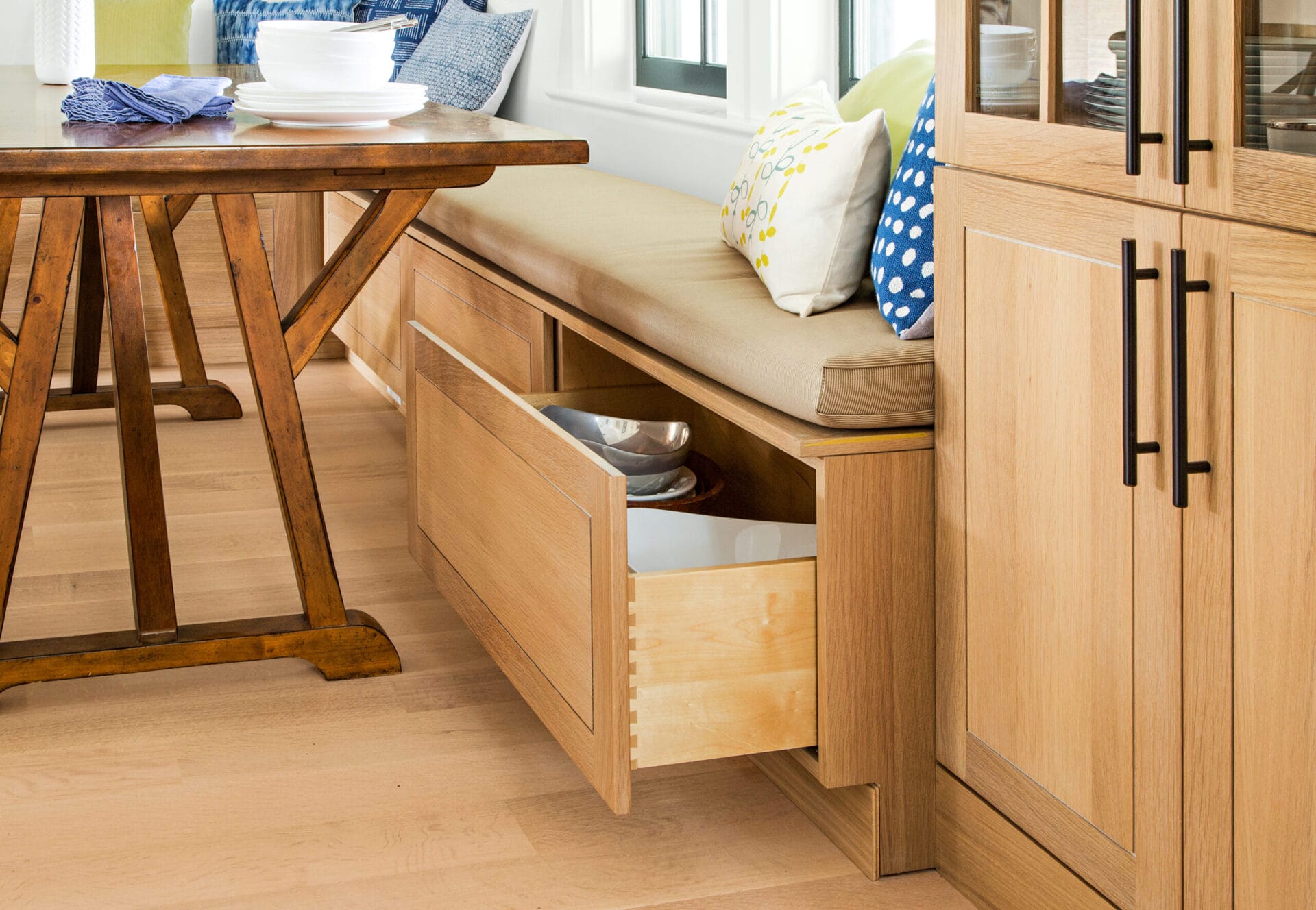
Furniture that doubles as storage is one of the smartest organization upgrades for small spaces. Storage ottomans can hide blankets, games, toys, or workout gear. Beds with drawers can store linens, seasonal clothing, or extra shoes. Benches with cubbies can transform an entryway into a landing zone. Coffee tables with shelves or hidden compartments keep remotes, magazines, and chargers from colonizing the sofa.
The key is to match the furniture to the clutter problem. If shoes pile up by the front door, choose a bench with shoe storage. If blankets take over the living room, use an ottoman with a lid. If your bedroom lacks closet space, a bed frame with drawers may be more useful than another dresser squeezed into a corner.
Create Drop Zones in High-Traffic Areas
Every home needs drop zones. These are intentional places for items that enter and leave the house daily: keys, wallets, sunglasses, backpacks, mail, packages, shoes, and pet supplies. Without a drop zone, these items scatter like confetti after a parade nobody enjoyed cleaning up.
Entryway Storage Ideas
Use a narrow console table, wall hooks, a shoe rack, and a small tray for keys. If you have no formal entryway, create one with a wall-mounted shelf and hooks. A basket can hold slippers or reusable bags. A labeled bin for each family member can keep school items, sports gear, or cold-weather accessories under control.
Mail and Paper Organization
Paper clutter grows quickly because paper often represents decisions. Bills, invitations, forms, receipts, coupons, and school notes all ask for attention. Create a simple paper system with three categories: act, file, and recycle. Use a wall-mounted sorter, desktop file, or labeled tray. The goal is not to save every paper. The goal is to stop the kitchen counter from becoming an archaeological site.
Upgrade Kitchen Storage for Daily Efficiency
The kitchen is one of the busiest rooms in the home, so kitchen organization should focus on visibility, access, and zones. Group items by task: baking supplies together, coffee items together, cooking oils near the stove, food storage containers near the prep area, and lunch-packing supplies in one bin.
Use Drawer Dividers and Expandable Organizers
Drawers become chaotic when small items roll around freely. Use dividers for utensils, measuring tools, knives, food wraps, spices, and kitchen gadgets. Expandable drawer organizers are especially useful because they can adapt to different drawer widths. When every item has a lane, the drawer stops behaving like a junkyard with handles.
Add Shelf Risers and Lazy Susans
Shelf risers create two levels inside cabinets, making mugs, bowls, plates, and pantry staples easier to see. Lazy Susans are excellent for oils, spices, sauces, condiments, vitamins, and deep cabinet corners. They prevent items from disappearing in the back, where they wait patiently until they expire and accuse you of neglect.
Use Clear Containers and Labels in the Pantry
Clear containers help you see how much flour, rice, cereal, pasta, or snacks you have. Labels keep categories consistent, especially in shared households. You do not need to decant everything into matching jars unless that brings you joy. Sometimes a few labeled bins for breakfast items, baking supplies, snacks, and dinner staples are enough to make the pantry dramatically more functional.
Make Small Closets Feel Bigger
Closet organization starts with editing. If the closet is overstuffed, even the best storage products will struggle. Aim to keep some open space so clothes can move, shelves can breathe, and you can remove a sweater without starting a fabric landslide.
Use Matching Hangers and Shelf Dividers
Uniform hangers reduce visual clutter and save space. Slim hangers are helpful in small closets, while sturdy wooden hangers work well for coats and structured pieces. Shelf dividers keep stacks of sweaters, jeans, or handbags upright. Without dividers, folded clothes slowly become a leaning tower of “I’ll fix it later.”
Add a Second Rod or Adjustable Shelving
If most of your clothing is shirts, pants, skirts, or folded items, a second hanging rod can double usable space. Adjustable shelves allow you to customize the closet based on what you own instead of accepting the builder’s original plan, which may have been designed for someone who owned three shirts and no hobbies.
Store Seasonal Items Out of the Prime Zone
Keep everyday clothing at eye level and within easy reach. Store off-season clothes in labeled bins on high shelves, under the bed, or in another closet. Use breathable garment bags for delicate clothing. When seasons change, rotate items instead of forcing your closet to hold winter coats, summer shorts, rain gear, and formal wear all at once.
Organize Bathrooms With Small-Space Solutions
Bathrooms are small but demanding. They store toiletries, towels, cleaning products, medicine, hair tools, makeup, backup supplies, and sometimes a suspicious number of half-used lotions. The trick is to reduce countertop clutter and use vertical or hidden storage.
Use Trays, Caddies, and Drawer Inserts
A tray can make daily essentials look intentional instead of scattered. Use drawer inserts for makeup, razors, toothbrush supplies, and skincare. A portable caddy works well for cleaning products or shared bathrooms. If you use a product every day, keep it accessible. If you use it once every six months, it does not deserve front-row counter seating.
Maximize Under-Sink Storage
Under-sink cabinets can be awkward because of plumbing, but stackable drawers, narrow bins, and turntables can help. Group items by category: hair care, dental care, first aid, travel toiletries, and backup supplies. Add labels so you do not buy toothpaste while already owning enough toothpaste to open a small dental-themed boutique.
Improve Bedroom Storage Without Creating Visual Noise
A bedroom should feel restful, but clutter makes it harder to relax. Smart bedroom storage should hide what you do not need to see and highlight what supports your routine.
Use nightstand drawers for sleep essentials such as lip balm, glasses, chargers, journals, and medication. Add drawer organizers so small items do not become a tiny bedside swamp. Under-bed bins are useful for seasonal clothing, extra bedding, shoes, or keepsakes. Choose shallow containers with lids to keep dust away.
If your room lacks closet space, consider a wardrobe, garment rack, storage bench, or dresser with deep drawers. Keep surfaces simple. A lamp, a book, and a small dish for jewelry can be enough. Your nightstand does not need to host every object you touched after 8 p.m.
Use Baskets and Bins the Right Way
Baskets and bins are storage classics because they work almost anywhere. However, the wrong bin can hide clutter instead of solving it. Use open baskets for items you grab often, like blankets, toys, hats, or workout gear. Use lidded bins for items you access less frequently, like holiday decor or seasonal clothes. Use clear bins when visibility matters, such as pantry goods, craft supplies, or medicine backups.
Label bins after you decide on categories. Labels should be clear, simple, and realistic: “Pet Supplies,” “Batteries,” “Gift Wrap,” “Winter Gear,” “Travel,” or “School Papers.” Avoid labels like “Miscellaneous,” which is just clutter wearing a fake mustache.
Smart Storage for Kids’ Rooms and Play Areas
Kids’ storage needs to be easy, low, and forgiving. If a child cannot reach it or understand it, the system will fail faster than a cookie jar left unattended. Use low shelves, picture labels, open bins, and simple categories like blocks, dolls, cars, art supplies, puzzles, and dress-up clothes.
Rotate toys to reduce overwhelm. Store some toys in a closet or bin, then swap them every few weeks. This keeps play areas fresher and makes cleanup easier. For school supplies, create a homework station with pencils, paper, scissors, glue, chargers, and folders. The fewer steps required, the more likely the system will survive a busy Tuesday.
Organize the Home Office for Better Focus
A home office can quickly become a magnet for paper, cords, notebooks, receipts, and mystery adapters. Start by clearing the desktop. Keep only what you use daily within reach. Store occasional supplies in drawers, bins, or shelves.
Tame Cord Clutter
Use cable clips, cord boxes, labels, or reusable ties to organize chargers and cords. Label both ends of important cables so you know what belongs to your monitor, printer, router, or laptop. This small step can prevent the classic modern ritual of unplugging random cords while whispering, “Please don’t be the internet.”
Create a Filing System You Will Actually Use
For paperwork, use broad categories rather than overly complicated folders. Try labels like taxes, medical, insurance, home, auto, receipts, and warranties. Keep an action tray for current papers and schedule a weekly reset. A filing system only works when papers move through it instead of retiring permanently on top of the printer.
Laundry Room and Cleaning Supply Storage
Laundry rooms need practical storage because they handle constant traffic. Use shelves or cabinets above the washer and dryer for detergent, stain removers, dryer sheets, and cleaning cloths. Add a small bin for lost socks, although science has not yet explained where the matching socks go. A rolling cart can fit between machines and store laundry products in tight spaces.
For cleaning supplies, group products by use: bathroom cleaning, kitchen cleaning, floor care, dusting, and refills. A portable caddy makes it easy to carry supplies from room to room. Wall-mounted racks can hold brooms, mops, dusters, and vacuum attachments. Keep chemicals safely stored away from children and pets.
Garage, Basement, and Utility Storage Ideas
Garages and basements often become storage zones for everything that does not have a proper home. The solution is to create categories and use sturdy systems. Wall-mounted shelves, pegboards, ceiling racks, and labeled heavy-duty bins can keep tools, sports equipment, holiday decor, paint, gardening supplies, and bulk household items organized.
Store items by frequency of use. Everyday tools should be easy to reach. Holiday decorations can go higher. Dangerous items such as sharp tools, chemicals, and heavy equipment should be secured properly. Use clear bins or large labels so you can find what you need without opening every container like you are auditioning for a storage-unit reality show.
Decluttering Habits That Keep Storage Working
Even the smartest storage system needs maintenance. Build small habits into your routine so clutter does not creep back. Do a five-minute reset each evening. Return items to their zones. Keep a donation bag in a closet. Follow a one-in, one-out rule for categories that easily overflow, such as clothes, mugs, toys, books, and beauty products.
Schedule seasonal reviews for closets, pantry items, papers, and storage bins. The goal is not perfection. The goal is a home that supports your life instead of asking you to manage chaos every weekend.
Real-Life Experience: What Smart Storage Looks Like in Everyday Living
The biggest lesson from real-life organizing is that storage must be honest. A system that looks gorgeous but requires ten extra steps will eventually fail. For example, a family entryway may look beautiful with closed cabinets and matching baskets, but if children come home and need to remove shoes, backpacks, jackets, lunch boxes, and sports gear in two minutes, the system must be simple. Open hooks, a shoe tray, and one labeled bin per child may work better than a magazine-worthy cabinet with doors nobody closes.
In kitchens, the most successful storage changes are often small. Moving coffee mugs next to the coffee maker can save time every morning. Adding a lazy Susan for oils and sauces can stop duplicate purchases. Using a single snack bin makes lunch packing easier. A drawer divider can turn a chaotic utensil drawer into something that no longer requires emotional preparation before opening.
Closets also improve dramatically when they match daily habits. Some people love folding; others avoid folding with the dedication of a person avoiding tax paperwork. If you dislike folding, use more hooks, bins, or hanging organizers. If you prefer folded clothes, add shelves or drawers instead of more hanging rods. Smart organization is not about forcing yourself into someone else’s system. It is about noticing what you already do and building around it.
Another useful experience is the “one problem, one solution” approach. Instead of reorganizing an entire house in one weekend, start with one pain point. If mail piles up, create a paper station. If bathroom counters are crowded, add drawer inserts and remove duplicates. If toys cover the living room, add two large baskets and rotate toys weekly. Solving one visible problem builds momentum and makes the home feel better quickly.
It also helps to leave extra space. Many people organize until every bin, shelf, and drawer is completely full. At first, it looks efficient. In practice, it leaves no room for real life. Groceries arrive. Laundry returns. A birthday gift enters the house. Suddenly, the system is full and clutter starts gathering on surfaces again. Leaving 10 to 20 percent of empty space gives your organization system flexibility.
Finally, smart storage works best when everyone in the household understands it. Labels, simple categories, and visible containers reduce the need for constant reminders. If a system requires one person to explain it every day, it is too complicated. The best storage ideas quietly guide behavior. They make the right action the easy action. That is when organization stops feeling like a chore and starts feeling like a home upgrade you can actually maintain.
Conclusion: Build a Home That Helps You Stay Organized
Smart storage ideas to improve organization are not about chasing perfection. They are about making your home easier to live in. Use vertical space, create drop zones, choose multi-purpose furniture, organize by category, and keep everyday items within easy reach. Edit before you buy. Measure before you install. Label after you create a system that works.
A well-organized home does not have to look like a showroom. It should look like your life, only calmer. When storage supports your routines, your home becomes easier to clean, easier to navigate, and much less likely to hide your keys in plain sight.