“Someone’s Therapist Knows All About You”: 50 Memes That One Should Probably Discuss In Therapy

There is a special category of meme that does not merely make you laugh. It looks directly into your soul, opens a dusty filing cabinet marked “Unresolved Issues,” and starts reading aloud. You send it to three friends with the caption “LOL,” even though everyone involved knows that “LOL” occasionally means “This has accurately described my emotional life, and I would prefer not to discuss that before lunch.”
Therapy memes have become the internet’s unofficial emotional shorthand. They turn overthinking, people-pleasing, attachment problems, family tension, burnout, social anxiety, procrastination, and suspiciously specific childhood memories into jokes that fit on a phone screen. Sometimes that humor offers relief. Sometimes it helps people feel less alone. And sometimes the meme is so personally accurate that closing the app feels like fleeing a crime scene.
The phrase “someone’s therapist knows all about you” captures this entire genre perfectly. Somewhere, a licensed professional may recognize you only as “the coworker,” “the ex,” “the mother-in-law,” or “that friend who sends 14-minute voice messages.” You are not technically in therapy, yet you may have a recurring role in somebody else’s Tuesday appointment.
Why Therapy Memes Feel So Uncomfortably Accurate
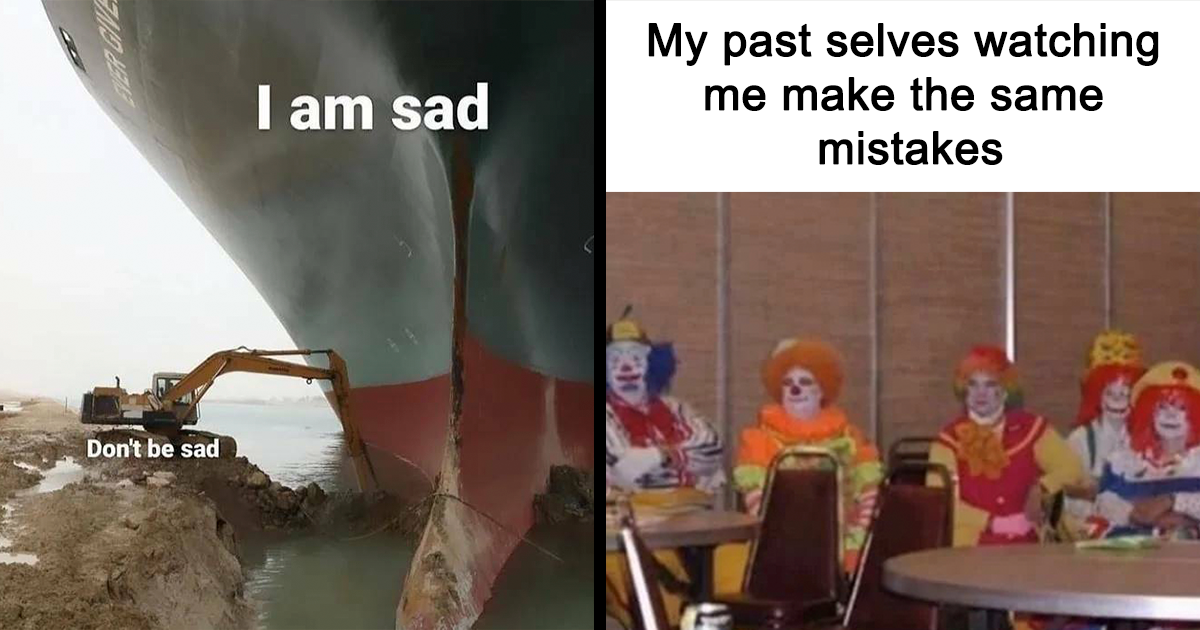
A good mental health meme compresses an entire emotional pattern into one recognizable moment. A nervous cartoon character staring at a silent group chat can represent rejection sensitivity. A dog calmly sitting in a burning room can capture avoidance. A celebrity smiling through visible discomfort may summarize years of people-pleasing more efficiently than a motivational book with twelve chapters and a workbook.
Humor can create psychological distance from a stressful experience. Instead of being completely trapped inside an anxious thought, people can briefly stand beside it and say, “Wow, my brain is being dramatic again.” Research has found that funny memes can reduce perceived stress and help viewers feel calmer or more connected, particularly when the humor reflects a shared challenge.
That does not mean every joke is automatically healthy. Humor may be a pressure-release valve, but it can also become camouflage. Posting “I’m fine” memes every day is not the same as addressing what keeps making “I’m fine” feel like an ambitious work of fiction.
50 Therapy Memes That Deserve Their Own Session
When You Realize You Are a Character in Someone Else’s Therapy
- The Therapist’s Mystery Villain: You have never met this professional, but they already know your communication style, your birthday, and what you did at Thanksgiving.
- “My Therapist Says You’re Avoidant”: Nothing brightens a relationship like receiving a psychological review from a person who has heard only the director’s cut.
- The Ex With Permanent Screen Time: The relationship ended two years ago, yet your supporting role has apparently been renewed for another therapeutic season.
- The Group-Chat Evidence Folder: Every confusing message you send becomes a screenshot, a discussion topic, and possibly an entire breakthrough.
- The Coworker Known Only as “You Know Who”: You have become so important to somebody’s work stress that their therapist no longer needs your name.
- The Mother-in-Law Cinematic Universe: One awkward dinner has somehow produced sequels, prequels, character analysis, and an eight-week boundaries workshop.
- The Friend Who “Means Well”: A phrase generally used immediately before describing behavior that did not, in fact, go well.
- The Manager With a Diagnostic Nickname: Your leadership strategy has inspired coping exercises, breathing techniques, and several updated résumés.
- The Family Member Who Rejects Therapy: They insist therapy is unnecessary while serving as the main topic in everyone else’s therapy.
- The Accidental Breakthrough: You make one careless comment, and somebody finally understands a pattern they have been discussing for six months.
Memes for People Whose Brains Never Close Their Tabs
- The 2 A.M. Conversation Replay: Your brain has remastered a five-second awkward interaction from 2017 in high-definition surround sound.
- The Period at the End of a Text: Logically, it is punctuation. Emotionally, it is evidence that the friendship has entered its final chapter.
- The Delayed Reply Investigation: Fifteen quiet minutes produce six theories, two imaginary arguments, and one completely unnecessary apology draft.
- The Compliment Background Check: Somebody says you look nice, and your mind immediately asks what hidden motive is financing this operation.
- The Sunday Scaries: Nothing has happened yet, but Monday has already been convicted of several emotional crimes.
- The “Can We Talk?” Emergency: Three ordinary words instantly make your nervous system prepare for exile, unemployment, or both.
- The Grocery-Store Rehearsal: You practice saying “excuse me” four times before asking someone to move away from the cereal.
- The Imaginary Argument Champion: You deliver a flawless speech in the shower to an opponent who is not present and may not even be upset.
- The Decision-Making Olympics: Selecting a restaurant becomes a moral dilemma involving everyone’s preferences, parking conditions, and your future reputation.
- The Calm Day Suspicion: Nothing is wrong, which obviously means something terrible is planning a surprise appearance.
People-Pleasing and Boundary Memes With Personal Information
- The Automatic “No Problem”: There is definitely a problem, but apparently your mouth has been hired by customer service.
- The Boundary Followed by a Paragraph: You say no, then provide enough supporting documentation to qualify for a congressional hearing.
- The Exhausted Reliable Friend: Everyone calls you strong because admitting you need help would disrupt the entire group’s operating system.
- The Emotional Support Employee: Your job description does not mention counseling six coworkers before the morning meeting, yet here you are.
- The Apology for Existing: You bump into a chair and apologize as though the furniture has retained legal representation.
- The “I Don’t Mind” Tradition: You mind deeply, specifically, and with several supporting examples, but saying so feels illegal.
- The Boundary Hangover: You protected your time successfully and then spent four hours feeling guilty about this outrageous act of self-respect.
- The Human Mood Detector: You notice one person’s facial expression change and immediately assume responsibility for restoring global harmony.
- The Resentment Subscription: You keep agreeing to things you hate and then wonder why irritation arrives automatically every month.
- The Friendship Customer Survey: After every social interaction, you privately rate your performance and identify areas requiring improvement.
Avoidance, Procrastination, and Other Highly Organized Chaos
- The Five-Minute Task: Completing it would take five minutes. Avoiding it has already required strategic planning across three business days.
- The Email That Became a Monster: It began as a simple reply and evolved into an ancient creature guarding your inbox.
- The Productive Procrastinator: You cleaned the refrigerator, reorganized a closet, and learned Italian rather than make one phone call.
- The Rest That Feels Like Failure: Your body requests recovery while your internal manager begins shouting about quarterly performance.
- The Hobby Turned Side Hustle: You enjoyed something for seven minutes before wondering whether it could become a profitable personal brand.
- The Calendar Full of Self-Care: Relaxation has been scheduled between 6:10 and 6:25 p.m., assuming the previous meeting ends on time.
- The Emotional Junk Drawer: Every feeling has been pushed aside until the drawer can no longer close without physical force.
- The “Future Me” Financial Plan: Current you creates the problem. Future you receives no funding, training, or advance notice.
- The Doomscrolling Bargain: You open your phone to relax and emerge 90 minutes later with three new fears and no memory of why.
- The Avoidance Reward Program: Each postponed task earns points redeemable for additional anxiety and strangely specific stress dreams.
Therapy, Healing, and the Rude Arrival of Self-Awareness
- The Therapist’s Silent Pause: Five seconds of professional silence somehow reveal every emotional defense mechanism you have ever installed.
- The “How Did That Make You Feel?” Classic: You arrived prepared with facts, dates, and exhibits. Unfortunately, the question concerns emotions.
- The Joke That Gets Written Down: Your therapist laughs warmly and then makes a note, proving the joke contained more autobiography than expected.
- The Childhood Plot Twist: You casually mention a family tradition and learn that it was not, apparently, a universal childhood experience.
- The Coping Skill You Forgot to Use: You own journals, meditation apps, grounding exercises, and a nervous system determined to freelance.
- The Breakthrough After the Session: The perfect insight arrives in the parking lot, precisely four minutes after the appointment ends.
- The Healing Is Not Linear Meme: Progress occasionally resembles moving forward, backward, sideways, and directly into a snack cabinet.
- The New Boundary Test: The universe hears you are practicing boundaries and immediately sends someone who treats “no” as an opening offer.
- The Self-Compassion Beginner: You attempt to speak kindly to yourself and sound like a suspicious substitute teacher on the first day.
- The Final-Boss Realization: After analyzing everyone else’s behavior, you discover that you may also be present in the relationship.
What These Relatable Therapy Memes Are Really Saying
Humor Can Open the Door to Honest Conversations
A meme often succeeds where a direct confession feels too intimidating. Sending a post about burnout may be an easier first step than saying, “I am exhausted and I do not know how to stop.” Sharing an anxiety meme may quietly ask, “Does anyone else feel this way?” When another person responds with recognition rather than judgment, the joke becomes a small form of social connection.
This is one reason mental health humor can reduce shame. Experiences that feel isolating suddenly look common enough to have their own template, font, and aggressively pixelated reaction image. Recognition does not solve the issue, but it can make discussing it less frightening.
Relatable Does Not Automatically Mean Diagnostic
One danger of highly specific mental health content is that ordinary experiences can begin to look like definitive diagnoses. Procrastination does not automatically prove ADHD. Wanting time alone does not necessarily indicate avoidant attachment. Feeling nervous before a presentation is not, by itself, an anxiety disorder.
Online content may help people discover useful vocabulary and decide to seek support. However, diagnosis requires more than matching yourself to a checklist or recognizing your behavior in a meme. Qualified professionals consider duration, severity, context, medical factors, personal history, and how symptoms affect daily functioning.
Therapy Language Is Useful Until It Becomes a Weapon
Terms such as “boundary,” “trigger,” “gaslighting,” “narcissist,” and “trauma response” can help people describe difficult experiences. Problems arise when those terms are stretched beyond recognition or used to win arguments. A boundary explains what you will do to protect your well-being; it is not a royal decree controlling everyone else’s behavior. Disagreement is not automatically gaslighting, and a selfish moment does not qualify someone for a personality-disorder diagnosis.
Healthy psychological language should improve understanding, accountability, and communication. When it becomes a sophisticated way to say “I am correct and you are medically annoying,” something has gone off course.
A Meme Can Be a Signal, Not a Treatment Plan
Notice which jokes you repeatedly save or share. A single funny post may mean nothing. A folder containing 86 memes about emotional exhaustion may be worth examining. Ask what specifically feels familiar. Is the meme naming a temporary frustration, a repeated relationship pattern, or a problem affecting sleep, work, health, and everyday functioning?
That reflection can lead to a useful conversation with a trusted person or mental health professional. Therapy is not reserved for dramatic emergencies. It can help people examine patterns, improve relationships, develop coping skills, process painful experiences, and respond to stress more effectively.
How to Enjoy Mental Health Memes Without Letting Them Run Your Life
Use relatable memes as conversation starters rather than final verdicts. A joke may identify the emotional neighborhood, but it cannot provide the complete street address. Stay curious about why something resonates instead of immediately assigning yourself or another person a clinical label.
Curate your feed as carefully as you would choose the people invited into your home. Unfollow accounts that consistently leave you feeling hopeless, ashamed, or obsessed with diagnosing everybody you know. Look for creators who combine humor with nuance and avoid treating serious conditions as quirky personality accessories.
It also helps to move the conversation offline. Send the meme, laugh at it, and then add one honest sentence: “This is funny because I actually struggle with saying no,” or “I have been feeling overwhelmed like this lately.” That additional sentence can turn passive recognition into meaningful connection.
Experiences Behind the Memes: From the Group Chat to the Therapy Chair
Consider the experience of opening a group chat after a stressful workday. Someone has posted a meme showing a raccoon clutching six cups of coffee beneath the caption, “Me calmly handling a normal amount of responsibility.” You laugh immediately. Then you realize you skipped lunch, answered emails during dinner, and agreed to cover another shift because saying no felt more uncomfortable than exhaustion. The raccoon is funny, but it is also holding a tiny mirror.
For many people, this is how self-awareness beginsnot with a dramatic revelation, but with repeated recognition. The same themes keep appearing in the memes they save: apologizing too much, expecting rejection, analyzing neutral text messages, or feeling responsible for everyone’s emotions. At first, the jokes offer simple relief. Eventually, the collection begins to resemble an informal record of recurring concerns.
Another familiar experience occurs when a friend sends a meme with no explanation. It might show someone staring at a phone while writing and deleting the same message. You understand immediately because you both know what it feels like to worry that asking for reassurance will make you seem needy. The meme communicates vulnerability while preserving plausible deniability. Either person can laugh and move on, or one can take the risk of saying, “Actually, I do this all the time.”
That small opening may lead to a deeper conversation. One friend may admit that silence feels like rejection because conflict was unpredictable at home. Another may explain that they avoid difficult conversations because they never learned how to disagree without fearing abandonment. Neither insight requires diagnosing anyone. The value comes from recognizing how past experiences may shape present reactions.
Therapy itself often creates equally meme-worthy moments. A person may spend an entire session carefully describing an inconsiderate partner, difficult parent, or chaotic manager. The therapist listens and then asks, “What made it hard for you to say what you needed?” Suddenly, the spotlight moves. The frustrating person still matters, but the discussion now includes fear, expectations, and learned patterns. This can feel deeply unfair. You paid for professional validation, and instead you received character development.
Then there is the experience of trying a new boundary. You decline an invitation without inventing a contagious illness, transportation crisis, or emergency involving a fictional relative. The other person responds, “Okay, maybe next time.” Nothing explodes. No committee revokes your friendship license. Yet your body may continue behaving as though you just committed an international offense. Growth can look surprisingly ordinary from the outside while feeling revolutionary internally.
Over time, the memes may change. Posts about silently resenting everyone begin to share space with jokes about direct communication. Memes celebrating chaotic sleep schedules become less charming after consistent rest improves your mood. Humor does not disappear; it becomes less like a hiding place and more like a companion. You can still laugh at your patterns without treating them as permanent features of your personality.
The most valuable experience may be realizing that relatability is not destiny. You can recognize yourself in a meme about overthinking and still learn ways to interrupt rumination. You can laugh about people-pleasing while practicing honest limits. You can admit that someone’s therapist probably knows all about you while also becoming more accountable, more curious, and slightly less likely to generate fresh material for next week’s session.
Conclusion: Laugh at the Meme, Then Listen to It
The best therapy memes work on two levels. On the surface, they are funny images about unread messages, bad coping habits, family drama, emotional avoidance, and therapists who can dismantle an entire defense mechanism with one raised eyebrow. Underneath, they often express a desire to be understood.
Laughing at an uncomfortable truth can make it easier to approach. The key is not to stop at the laugh. Pay attention when the same subject keeps returning. Ask why a particular joke feels less like entertainment and more like leaked personal correspondence. Share it with someone trustworthy. Write about it. Bring it into therapy. Or simply use it as permission to admit that something has been harder than you have allowed yourself to say.
And remember: somewhere out there, a therapist may already know you as “the friend who never answers directly,” “the sibling who turns everything into a competition,” or “the person who said that unbelievable thing at brunch.” You may never meet this therapist, but for everyone’s sake, try to give them a more hopeful update next week.
SEO Tags