‘South Park’ Fan Roasted for Admitting That the Show Is Their Primary News Source

There are many respectable ways to stay informed: reading local journalism, checking national outlets, comparing expert analysis, or following public records. Then there is the method that recently got one South Park fan roasted online: treating a chaotic animated satire about four Colorado kids as a primary news source. The internet, naturally, did not let that one stroll by untouched.
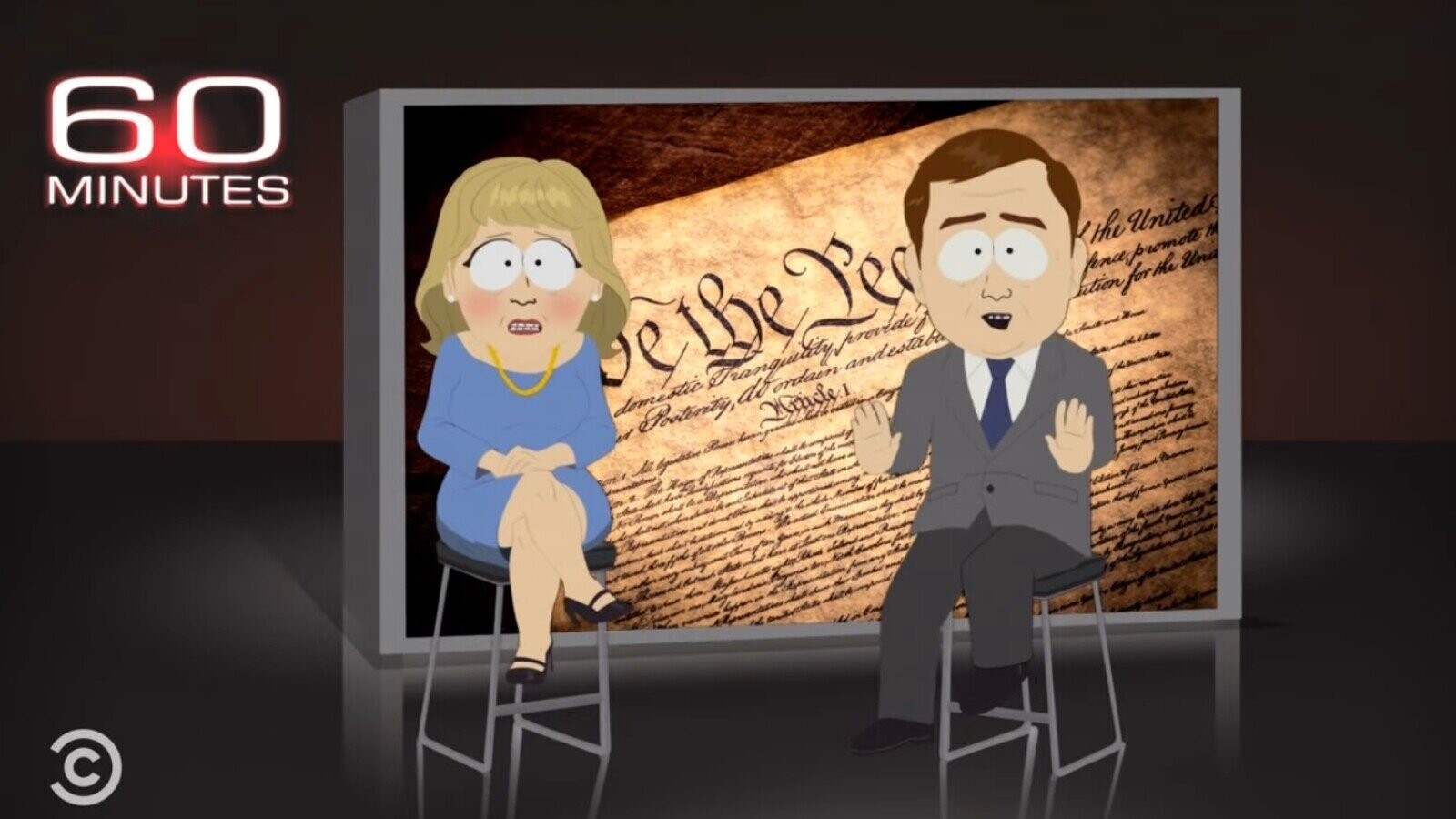
The conversation took off after a Cracked article highlighted the strange-but-familiar phenomenon of fans praising South Park as a better source of current-events awareness than traditional news. The joke lands because it is half ridiculous and half understandable. South Park has spent decades turning politics, celebrity scandals, moral panics, tech trends, corporate nonsense, and culture-war meltdowns into sharp, often outrageous comedy. But using it as your main window into reality is a little like using a funhouse mirror to check whether your haircut is even. You might notice something important, but please confirm with a normal mirror before leaving the house.
Why the “South Park as News” Confession Got Roasted
The fan’s admission struck a nerve because it reveals a very modern problem: people often encounter news through entertainment first, then treat the entertainment as if it has already done the reporting. Satire can be smart, but it is not the same thing as journalism. South Park does not usually investigate stories, interview officials, publish corrections, or provide context in the careful way a newsroom is supposed to. It exaggerates. It compresses. It mocks. It turns complex public issues into a twenty-something-minute cultural grenade.
That does not mean the show is useless for understanding the world. Actually, one reason South Park has lasted so long is that Trey Parker and Matt Stone are very good at spotting the absurdity hiding inside public life. The Peabody Awards recognized South Park for “pushing buttons and envelopes” with strong social commentary, which is a fancy award-world way of saying the show has made a career out of poking America in the ribs until it coughs up hypocrisy.
The roasting happened because there is a difference between saying “satire helps me think about the news” and saying “satire is my news.” The first is media literacy. The second is Cartman with a press badge.
How South Park Became a Current-Events Machine
South Park has always been more than a cartoon about foul-mouthed kids. Since its 1997 debut, the show has built its identity around speed, provocation, and social commentary. Because episodes are often produced close to airdate, the series can respond quickly to public controversies. That has made it feel unusually fresh compared with many scripted comedies, which can take months or years to reach audiences.
That quick turnaround is part of the magic. When a major political fight, celebrity scandal, tech obsession, or viral moral panic appears, South Park can sometimes respond while the topic is still burning hot. Viewers get the thrill of recognition: “Oh, they’re talking about the thing everyone is yelling about this week.” That immediacy can make the show feel like commentary and news blended together in one messy blender.
Recent seasons have only intensified that perception. In 2025, the show’s twenty-seventh season drew major attention for its sharp political satire, including episodes that triggered public reactions from political figures and news outlets. AP News reported that Trey Parker responded with deadpan humor after the White House criticized the season premiere, showing that the cartoon was once again colliding with real-world politics instead of merely joking from the sidelines.
Satire Can Explain the Mood Better Than the Facts
The reason many people love South Park is not because it gives them a complete timeline of events. It is because it captures the mood of an event. News articles explain what happened. Satire explains why everyone is suddenly acting like they swallowed a fire alarm.
For example, when public debate becomes repetitive, performative, or obviously hypocritical, a traditional news report may have to describe the statements carefully. Satire can skip directly to the emotional truth: everyone involved looks ridiculous. That is why South Park can feel more honest than a panel discussion, even when it is less complete. It cuts through polite language and says, “This whole situation is deeply stupid,” often with a snowball, a school assembly, or Randy Marsh making everything worse.
But here is the trap: emotional truth is not the same as factual truth. A joke can reveal hypocrisy while still leaving out major details. A parody can make a strong point while oversimplifying the issue. Satire is excellent at showing what something feels like. It is not always reliable at showing exactly what happened, who is responsible, what evidence exists, and what happens next.
Why Younger Audiences Often Meet News Through Entertainment
The South Park fan’s confession also reflects a broader shift in media habits. Pew Research Center has found that younger adults are more likely than older adults to get news from social media, and many encounter news incidentally rather than seeking it out directly. In other words, news often arrives as a clip, meme, influencer rant, comedy segment, or trending post before it arrives as a full article.
That matters because people increasingly learn about public events through formats designed for attention, not depth. A joke travels faster than a policy analysis. A meme is easier to digest than a government report. A clip from South Park or The Daily Show can reach someone who would never voluntarily sit through a formal news broadcast. That is not automatically bad. Comedy can open the door. The problem begins when people never walk through the door and check what is on the other side.
Pew has also reported that younger people are more likely to be regular news consumers on platforms like TikTok, Instagram, Reddit, and X. That helps explain why an online discussion about South Park as a news source feels less like a random joke and more like a symptom of the current media ecosystem. The “news source” is no longer always a newspaper, a TV anchor, or a homepage. Sometimes it is a joke screenshot with 42,000 likes and a comments section full of people saying, “Wait, is that real?”
The Difference Between Satire and Journalism
Good journalism and good satire can both criticize power, expose hypocrisy, and help people understand public life. But they do different jobs.
Journalism Verifies
Journalism is supposed to gather facts, check claims, identify sources, and separate confirmed information from speculation. It may include analysis or opinion, but responsible reporting tells readers what is known, what is uncertain, and where the information came from.
Satire Interprets
Satire takes reality and bends it until the ridiculous parts become impossible to ignore. It does not need to be balanced in the same way journalism does. It can exaggerate because exaggeration is the tool. It can be unfair on purpose. It can mash together several public anxieties into one cartoon storyline and still make a useful cultural point.
Both Can Be Valuable
The best approach is not to reject satire. The best approach is to use it correctly. If South Park makes you aware of a controversy, that is a starting point. Look up the original issue. Read a few reliable sources. Check dates, names, legal details, and direct quotes. Then return to the episode with a fuller understanding and enjoy the joke on a second level. Congratulations: you have unlocked the responsible adult DLC.
Why South Park Feels So “Accurate” to Fans
Fans often say South Park is accurate because the show does not seem loyal to one political team. It has mocked conservatives, liberals, celebrities, corporations, media outlets, tech billionaires, activists, schools, parents, influencers, and regular citizens who wander into nonsense with the confidence of a man carrying soup in his pockets.
That “everyone gets hit” style gives the show a reputation for independence. Many viewers trust it because it appears allergic to sacred cows. When people feel that traditional outlets are biased or too cautious, South Park can seem refreshing. It says the rude thing. It punctures the inflated thing. It laughs at the thing everyone else is treating like a porcelain statue.
Still, “funny” and “fearless” do not automatically equal “complete.” South Park chooses angles that work for comedy. A topic may be framed around the most absurd element rather than the most important one. A character may represent a public attitude, not a real person’s full position. A storyline may sacrifice nuance because nuance often has the comedic timing of a damp towel.
What the Roasting Reveals About Trust in Media
The internet’s reaction was not just about one fan. It was about public frustration with how people choose sources. Many Americans distrust institutions, including news organizations. At the same time, people still want simple explanations for complicated events. Comedy steps into that gap because it feels less scripted, less corporate, and less condescending.
That creates a strange situation: people may distrust a newsroom with editors and reporters but trust a cartoon because the cartoon sounds honest. This is not entirely irrational. Satire can reveal real flaws in media coverage. Pew Research Center’s work on The Daily Show noted that satire can perform a function close to journalism when it gets audiences to think critically about public life. But Pew also separated satire from journalism, which is the key distinction.
The smartest viewers understand that comedy is a lens, not a library. It can help you notice patterns, but it should not be the only place you go for facts. A lens sharpens your view. A library gives you the material. Try not to confuse the two unless your research method is “vibes, but animated.”
Specific Examples: When South Park Drives Real Conversation
South Park has repeatedly turned public controversies into mainstream discussion. In 2025, Reuters reported that Paramount extended its partnership with Parker and Stone in a deal worth more than $1.25 billion, with 50 new episodes planned across five seasons and episodes airing on Comedy Central before streaming on Paramount+. That kind of investment shows how culturally valuable the franchise remains.
Meanwhile, AP News covered new episodes mocking current political events, including federal action in Washington, D.C., and public figures reacting to the show’s portrayals. That coverage demonstrates the loop between satire and news: real events inspire the cartoon, the cartoon provokes public reaction, and the reaction becomes news itself.
This loop is why some fans feel that South Park is “covering” the news. In a way, it is covering the cultural reaction to the news. But that is different from reporting the original facts. The show is often strongest after the basic facts are already known. Its job is to ask, “Why are we all behaving this way?” not “Here is the full verified record of what happened.”
How to Use South Park Without Becoming the Person Getting Roasted
There is a healthy way to let satire inform your understanding. First, treat every episode as commentary, not confirmation. If the show references a lawsuit, election, corporate merger, public scandal, or social movement, assume the episode is giving you a comedic angle, not the whole story.
Second, check at least two reliable sources afterward. Look for outlets with reporting standards, direct documents, named experts, and clear separation between news and opinion. Third, notice what the episode leaves out. Satire works by narrowing the frame. Ask what would change if the frame widened.
Finally, enjoy the comedy without outsourcing your brain to it. South Park can be brilliant, lazy, cruel, insightful, childish, and weirdly profound, sometimes in the same episode. That contradiction is part of the brand. But the more powerful satire becomes, the more important it is for viewers to stay alert. Laugh first if you want. Then verify.
Added Experience Section: What This Topic Feels Like in Real Life
Anyone who has spent time in online fan communities has seen the “satire taught me politics” effect in action. A person watches an episode, recognizes a public issue, and suddenly feels like they understand the entire debate. It is a familiar experience because satire gives people a quick emotional map. It tells you who looks foolish, what hypocrisy is being mocked, and why the situation feels absurd. That can be satisfying, especially when normal news feels overwhelming, repetitive, or trapped behind jargon.
The most common experience is the “wait, that was based on something real?” moment. A viewer laughs at a South Park storyline, then later discovers that the writers were parodying an actual controversy. That discovery can be exciting. It makes the show feel plugged into reality. It can also encourage curiosity. Some fans genuinely learn more because the joke pushes them to research the background. In that sense, satire can act like a doorway into civic awareness.
But there is another experience that is less helpful: the “I already know this because I saw the parody” mindset. This happens when someone confuses recognition with understanding. They know the punchline, but not the policy. They know the caricature, but not the timeline. They know the public mood, but not the evidence. That is when online communities start roasting, because the confidence level has outrun the knowledge level by several exits.
A good personal rule is to treat comedy like a spark, not a substitute. If an episode makes a topic interesting, follow the spark. Read a backgrounder. Compare coverage from different outlets. Look for primary information when possible. If a court case is involved, find the basic legal issue. If a public health topic is involved, check medical institutions. If a political claim is involved, read beyond the loudest quote. This extra step does not ruin the joke. It often makes the joke better because you understand the target more clearly.
There is also a social experience here. When someone says South Park is their main news source, people hear more than a joke. They hear a confession about media habits. They hear distrust, fatigue, and maybe a little pride in not being “fooled” by mainstream sources. That is why the roasting can be so intense. It is not just fandom banter. It is a debate about how people decide what is real.
The better takeaway is not “never learn from comedy.” That would be joyless, and frankly, the internet has enough joyless hall monitors already. The better takeaway is: let comedy sharpen your questions, not replace your answers. South Park can make you notice absurdity. It can make you skeptical of polished narratives. It can help you laugh at the theater of public life. But after the credits roll, reality is still sitting there, waiting to be checked.
Conclusion
The fan roasted for admitting South Park is their primary news source became a punchline because the statement was both absurd and revealing. The show is culturally important, often perceptive, and frequently hilarious. It has earned its reputation as one of America’s most durable engines of social satire. But satire is not a full reporting system. It is commentary with a flamethrower.
Use South Park as a prompt to think, laugh, question, and investigate. Let it point toward the weirdness of modern life. Just do not make it your only map. Even Kenny would want a second source, and Kenny has survived worse decision-making than most of us.
Note: This article is written for web publication and is based on publicly reported information about South Park, recent coverage of the show’s political satire, and research on modern news consumption habits.