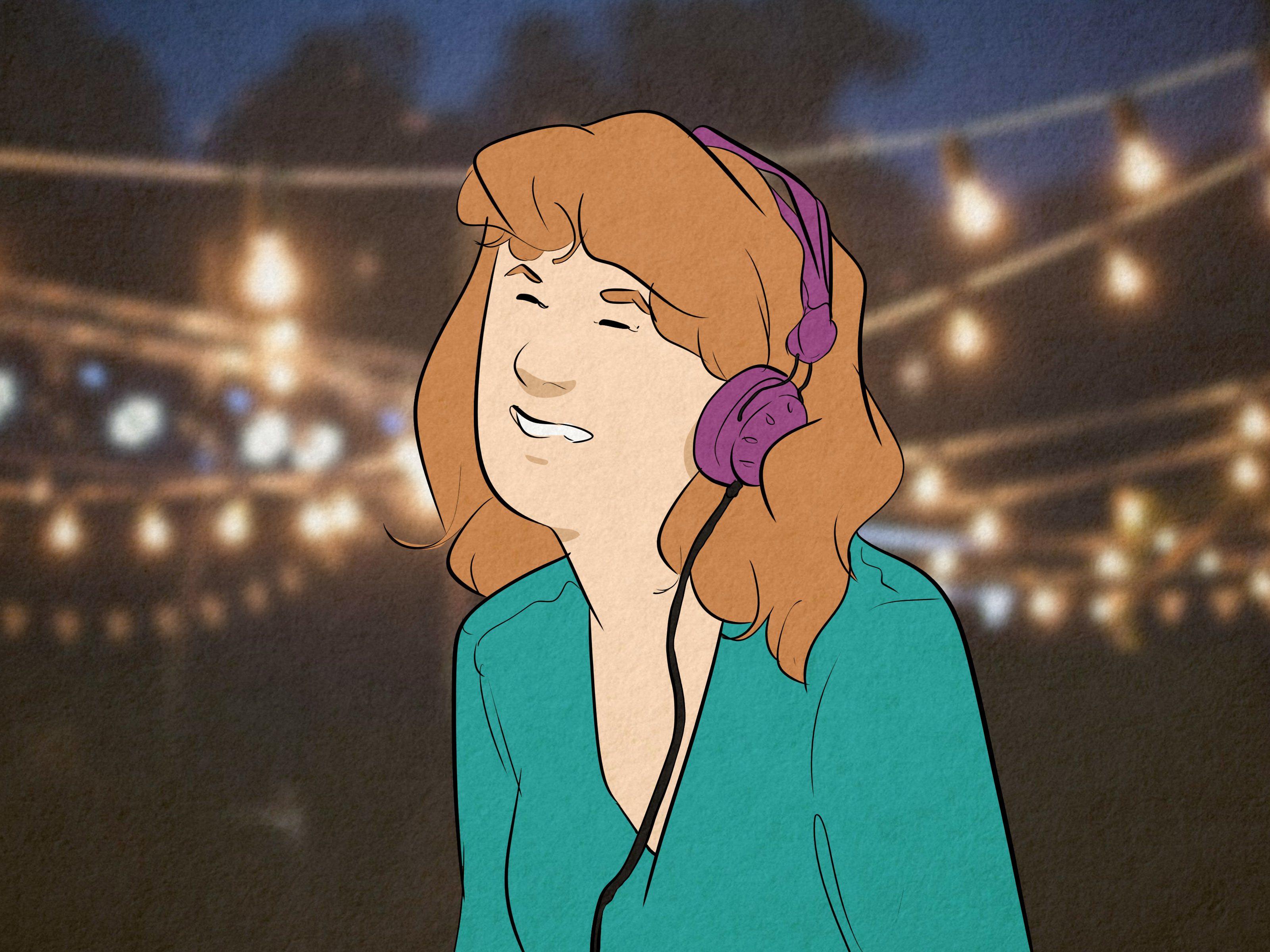

Some songs stroll into your headphones like they own the place. Others kick down the door, grab the aux, and announce that they have unresolved feelings and excellent taste in moody production. Justin Bieber’s “Speed Demon” belongs firmly in the second category. It is sleek, restless, a little defensive, and very aware that millions of people are watching. That tension is exactly what makes the song interesting.
On the surface, “Speed Demon” sounds like a record built for movement. The title suggests speed, thrill, danger, and a refusal to slow down. But the deeper you go, the less the song feels like a celebration of reckless momentum and the more it sounds like a portrait of someone using motion as protection. This is not just a song about going fast. It is a song about what happens when standing still feels more dangerous than speeding ahead.
That makes “Speed Demon” a fascinating Justin Bieber track to unpack. It pulls together familiar themes from his adult catalog: fame, pressure, misreading, self-defense, pride, spiritual fatigue, and the push-pull between vulnerability and bravado. It also plays like a statement piece. Instead of begging to be understood, the song often sounds like it is drawing a line, adjusting its jacket collar, and walking into the smoke machine on purpose.
What “Speed Demon” Really Means
At its core, “Speed Demon” is about survival under pressure. The song frames motion as both identity and coping mechanism. Bieber presents himself as someone who keeps moving because the outside world never really stops studying, criticizing, or projecting onto him. In that reading, the title becomes metaphorical. A “speed demon” is not just someone who loves going fast. It is someone who has learned that speed can feel safer than reflection.
That emotional setup matters. Pop stars often make songs about confidence, revenge, or leveling up. “Speed Demon” is more layered than that. It has flashes of swagger, yes, but the energy underneath feels tense rather than carefree. The flexes do not sound like beach-day arrogance. They sound like armor. The song carries the vibe of someone who knows the cameras are still on, knows the commentary never fully ends, and has decided to turn that pressure into fuel instead of a public meltdown.
In other words, the song’s meaning is not “I’m fast because life is fun.” It is closer to “I stay in motion because stopping gives other people too much power.” That distinction is the whole engine of the track.
Why the Title “Speed Demon” Is Smarter Than It First Appears
1. Speed as rebellion
The phrase “speed demon” usually brings to mind danger, adrenaline, and the kind of person who treats caution like an optional app update. In Bieber’s hands, though, the phrase works as a refusal to be boxed in. The title suggests that he would rather be accused of moving too fast than be reduced to the version of himself that strangers keep trying to write for him.
2. Speed as self-protection
The song also hints that speed can be a shield. When a public figure feels overexamined, the instinct to outrun judgment becomes emotionally logical. Keep creating. Keep posting. Keep evolving. Keep everyone guessing. “Speed Demon” captures that mentality well. The song is less about the romance of chaos and more about the strategy of not getting pinned down.
3. Speed as identity crisis
There is another layer here too: speed can be thrilling, but it can also keep a person from confronting what is unresolved. That gives the song an edge of sadness. It sounds like someone who is both empowered by momentum and quietly trapped by it. The title works because it can be read as a boast and a warning at the same time.
Lyrical Analysis: Defensive, Sharp, and Hyperaware
One of the best things about “Speed Demon” is how it avoids sounding one-note emotionally. The writing keeps shifting between challenge, exhaustion, confidence, and wounded pride. Bieber is not simply attacking critics, and he is not simply confessing pain. He is doing both in alternating flashes, which makes the track feel human instead of overly polished.
A big theme in the lyrics is misperception. The song pushes back on the idea that the public fully understands him. That is classic celebrity-song material, but here it lands because the writing does not present fame as glamorous first and complicated second. It starts with the complication. The track sounds like it was built from the inside of scrutiny, not from a luxury penthouse where criticism is just background wallpaper.
Another strong lyrical thread is selective closeness. “Speed Demon” feels suspicious of outsiders and protective of a tighter circle. That detail is important because it gives the song emotional geography. This is not a record standing in a giant spotlight screaming into the void. It is a record that sounds like it knows exactly who belongs in the room and who does not. That instinct adds tension, because the song keeps implying that attention is not the same thing as trust.
The writing also leans on movement language in a way that supports the theme without making it cartoonish. Even when the song sounds aggressive, the aggression is tied to forward motion: climbing, racing, outpacing, pushing through. That makes the whole track feel kinetic. The lyrics do not just describe stress; they perform it. You can hear the urgency in the way the ideas move.
And then there is the song’s most compelling contradiction: it acts tough while exposing bruises. That tension is what gives the lyrics replay value. If the song were pure bragging, it would be flatter. If it were pure vulnerability, it might feel too heavy-handed. Instead, Bieber balances bravado and discomfort in a way that sounds believable. He is not above the noise. He is still in conversation with it. He just refuses to let it write the ending.
The Sound of the Song: Restless by Design
“Speed Demon” works because the production understands the concept. The sound is not there merely to support the lyrics; it amplifies the song’s emotional argument. The beat has motion, but it does not feel carefree. The groove is controlled, clipped, and alert. Even the smoother moments carry a low hum of agitation, like a luxury car idling at a red light while the driver debates whether patience is a virtue or a personal attack.
That musical restlessness matters because it turns the song’s title into atmosphere. You do not need a giant neon sign that says THIS SONG IS ABOUT MOVING FAST. The arrangement already tells you. It moves with intention, but it never fully relaxes. That tension mirrors the emotional posture of the lyrics.
There is also an interesting contrast between polish and friction. Bieber’s vocal delivery remains melodic and controlled, but the emotional energy underneath feels rougher. That clash makes the track more compelling. He sounds practiced, but not peaceful. Stylish, but not settled. The song’s production and performance together create the sense of someone holding himself together in real time, which is a far more interesting mood than simple coolness.
How the Song Fits Into Justin Bieber’s Bigger Story
Part of what makes “Speed Demon” worth analyzing is where it lands in Bieber’s artistic arc. Over the years, his music has moved from teen-pop brightness to apology-era introspection, then into more reflective and spiritually aware territory. “Speed Demon” feels like another chapter in that evolution, but not a gentle one. It sounds like adulthood under fluorescent lights: wiser, more guarded, and very aware that growth does not magically cancel pressure.
The song also reflects a modern celebrity problem: the public now expects constant access while still acting surprised when that access leaves scars. “Speed Demon” sounds like a record from someone who understands this contradiction intimately. It does not ask for pity. It asks for recognition that being constantly watched can distort how a person moves through the world. Fame here is not a golden ticket. It is a speed trap.
That perspective helps explain why the song feels heavier than a simple clapback anthem. Bieber is not only confronting criticism; he is examining the psychology that develops around it. The result is a song that feels less like “look at me winning” and more like “look what winning has required me to become.” That is a much more interesting emotional question.
The Emotional Contradiction at the Center of “Speed Demon”
The most revealing thing about the song is that it never fully chooses between confidence and fatigue. It lives in both. Bieber sounds sharp, but also burdened. He sounds competitive, but also cornered. That duality is why the track sticks. People are drawn to songs that feel emotionally mixed because real life is emotionally mixed. Most listeners know what it feels like to want to prove everyone wrong while also wishing everyone would stop talking.
That is where “Speed Demon” becomes more than celebrity self-commentary. It taps into a broader experience: being misunderstood, over-observed, or pushed into a role that no longer fits. Most people are not global pop stars, obviously. Most people also do not have photographers following them to the grocery store while they buy toothpaste and regret. But they do know what it feels like when other people freeze them in an old version of themselves. The song’s emotional logic travels well because that feeling is universal.
What the Song Gets Right About Image and Reputation
Image is one of the hidden subjects of “Speed Demon.” The track understands that reputation becomes a second body for public figures. It moves ahead of them, trails behind them, bumps into rooms before they do, and sometimes says things they never actually said. Bieber appears to be wrestling with that split between person and persona. The song’s edge comes from the frustration of being interpreted before being heard.
That is why the record does not sound interested in clean redemption. It sounds more interested in control. Not perfect image control, which is impossible, but narrative control. The song pushes back against public labeling by building a more forceful self-description. Whether listeners fully agree with that self-description is almost beside the point. The act of claiming it is the point.
Listener Experiences: Why “Speed Demon” Hits So Personally
One reason “Speed Demon” has such a strong pull is that listeners often connect to it through experience rather than just interpretation. You do not need to know every detail of Bieber’s life to understand the emotional shape of the song. Anyone who has felt judged too quickly, talked about too confidently, or expected to perform strength while still sorting through messy feelings can recognize the energy almost immediately.
For some listeners, the song may feel like the soundtrack to a comeback season. Not the glossy, motivational-poster kind of comeback where everyone suddenly applauds, but the quieter version where you rebuild your confidence while people still assume they know your limits. That kind of experience changes how a track lands. “Speed Demon” can feel less like a celebrity statement and more like a private pep talk dressed in expensive production.
For others, the song mirrors the emotional fatigue of moving through a world that rewards visibility but punishes vulnerability. A lot of people know the strange pressure of having to look fine before they actually feel fine. In school, at work, online, in family dynamics, in friendships, in creative spaces, there is often an unspoken rule that pain must be managed quickly and neatly. “Speed Demon” captures the opposite reality. Sometimes pain gets turned into motion. Sometimes the answer is not healing first and speaking later. Sometimes the answer is moving before you are fully ready because staying still feels worse.
The song can also resonate with listeners who have outgrown older versions of themselves. That is a deeply human experience. Maybe you were once impulsive, loud, defensive, reckless, people-pleasing, approval-hungry, or addicted to proving yourself. Then you changed, but the room kept talking to the old version of you. That gap is frustrating. It can make growth feel invisible. “Speed Demon” taps that nerve. It sounds like someone saying, “I know who I was, but I also know you are late to the update.”
There is even a strangely motivating side to the record. Its tension can make people feel energized rather than drained. That is because the song transforms scrutiny into momentum. It does not deny pressure; it repurposes it. Listeners who are dealing with criticism, gossip, or heavy expectations may hear that and think, yes, exactly, that is the mood. Not calm. Not crushed. Just moving. Persisting. Keeping the engine warm.
And then there are listeners who respond to the song for a simpler reason: it sounds cool while carrying emotional weight. Sometimes that is the sweet spot. A track feels stylish enough for a late-night drive, but thoughtful enough to survive a closer read. “Speed Demon” lives in that space. It is a song for people who want music that can flex and flinch at the same time. Honestly, that is a pretty crowded club in 2026.
Final Verdict
“Speed Demon” is one of Justin Bieber’s more intriguing recent songs because it turns image, pressure, and personal defensiveness into something musically alive. The track works as a mood piece, a character sketch, and a statement of intent. Its biggest strength is not that it sounds fast. Its biggest strength is that it understands what speed can mean emotionally: escape, ambition, self-protection, resistance, and sometimes exhaustion in designer clothing.
If you read the song only as swagger, you miss the ache underneath. If you read it only as confession, you miss the sharpness that gives it bite. The most convincing interpretation sits in the middle. “Speed Demon” is a song about trying to stay in control when your story keeps getting narrated by other people. It is tense, stylish, bruised, and strangely determined. In other words, it is one of Bieber’s more revealing songs precisely because it refuses to sound fully comfortable.
SEO Tags