
Living in a tiny apartment in Brooklyn is not just a housing choice. It is a full-contact sport with rent, radiators, grocery bags, laundry logistics, mysterious hallway sounds, and the eternal question: “Where on earth do I put the vacuum?” Whether you are in a studio in Bushwick, a railroad apartment in Bed-Stuy, a walk-up in Park Slope, or a sun-kissed shoebox near the Brooklyn Heights Promenade, small-space living here demands strategy. Brooklyn rewards creativity, but it does not forgive clutter.
The good news is that a small Brooklyn apartment can become cozy, efficient, and surprisingly stylish. The trick is to stop treating it like a downsized suburban home and start treating it like a tiny urban ecosystem. Every hook, basket, shelf, and folding chair has a job. Every purchase must pass a background check. Every square foot must earn its rent, which, in Brooklyn, is not exactly shy.
This survival guide blends practical apartment organization, renter-friendly design, NYC-specific realities, and the kind of street-smart advice you only learn after carrying a mattress up four flights while questioning every decision that led you there.
Why Tiny Apartment Living in Brooklyn Feels Different
Brooklyn apartments come with personality. Sometimes that personality is exposed brick and high ceilings. Sometimes it is a radiator that believes January is a tropical month. Many older Brooklyn buildings include pre-war details, narrow layouts, small closets, walk-up stairs, and rooms that were designed long before anyone owned an air fryer, three laptops, and a collection of reusable tote bags large enough to start a farmers market.
A tiny apartment in Brooklyn is not only about limited square footage. It is about how that square footage behaves. A studio may have one beautiful window and nowhere to put a dining table. A railroad apartment may offer several rooms in a line, but privacy becomes a philosophical concept. A walk-up may save money but charge you in quadriceps. The key is to design for your actual life, not for a fantasy version of yourself who “hosts dinner parties for eight” in a kitchen the size of a polite elevator.
Rule One: Measure Before You Fall in Love
In a tiny apartment, guessing is expensive. Before buying a sofa, bed frame, desk, dining table, or storage unit, measure the room, the doors, the hallway, and the stairwell. A couch that looks compact online may become a tragic sculpture stuck halfway up the stairs.
Keep a simple note on your phone with key dimensions: wall lengths, window height, closet depth, under-bed clearance, and doorway width. This small habit prevents giant mistakes. It also makes secondhand shopping easier, which matters in Brooklyn, where great furniture often appears online for pickup “today only” and disappears faster than a seat on the L train.
Think Vertically, Because the Floor Is Already Busy
The floor of a tiny apartment is precious. Once it is covered with shoes, boxes, laundry, and one optimistic yoga mat, the whole place starts to feel like a storage unit with feelings. The solution is vertical space.
Use Walls Like Real Estate
Install renter-friendly shelves where allowed, or use tall bookcases, ladder shelves, tension poles, and freestanding storage. Go above doorways for seasonal items, over the toilet for toiletries, and up the kitchen wall for spices, pans, or mugs. In a Brooklyn apartment, a blank wall is not empty. It is unemployed.
Choose Tall Over Wide
A tall narrow cabinet often works better than a low wide console. It takes up less floor space and draws the eye upward, making the room feel larger. Use the top shelves for items you rarely need: extra linens, winter accessories, tax documents, or the fondue set you refuse to admit was a mistake.
Furniture Must Work Overtime
In a small Brooklyn apartment, furniture should have more than one job. A bed can store luggage. An ottoman can hide blankets. A bench can hold shoes. A desk can double as a dining table. A drop-leaf table can become a breakfast spot, work zone, and emergency pizza landing pad.
Best Multi-Use Furniture for Tiny Apartments
Look for storage beds, nesting tables, folding chairs, wall-mounted desks, expandable dining tables, sleeper sofas, and benches with hidden compartments. Choose furniture with legs when possible because visible floor space creates the illusion of openness. Heavy pieces that sit directly on the floor can make a room feel blocked and bulky.
Scale matters. Do not buy dollhouse furniture just because your apartment is small. Tiny furniture can make a room feel awkward and cramped. Instead, choose fewer pieces with better proportions. One comfortable loveseat beats three flimsy chairs that make guests feel like they are sitting in a waiting room for nervous furniture.
Master the Brooklyn Entryway, Even If It Is Just a Door
Many tiny apartments do not have an entryway. They have a door that opens directly into life. Still, you need a landing zone. Without one, keys migrate, shoes multiply, mail forms archaeological layers, and tote bags begin plotting.
Create a micro-entry with wall hooks, a narrow shoe rack, a small tray for keys, and a basket for umbrellas or reusable bags. If you have no room for furniture, use the back of the door. Over-the-door racks can hold coats, scarves, dog leashes, cleaning supplies, or the backpack you drop every day with the confidence of a person who will “put it away later.”
Make the Kitchen Functional, Not Cute First
Brooklyn kitchens can be charming, but tiny ones require discipline. If your kitchen has two cabinets and a drawer that barely opens, you cannot organize it like a cooking-show set. You need zones.
Create Zones for Real Cooking
Group items by use: coffee and tea together, cooking tools near the stove, pantry items in clear bins, cleaning supplies under the sink, and daily dishes within easy reach. Add shelf risers to double cabinet space. Use magnetic strips for knives or metal tools. Hang pans if cabinet space is tight. Add a rolling cart only if it can move easily and does not become a clutter parade.
Decanting pantry staples into stackable containers can help, but only if you actually maintain the system. If not, congratulations: you now own both the original pasta box and a decorative container full of mystery grains.
Win the Closet War Before It Starts
Brooklyn closets are often small, shallow, oddly shaped, or spiritually absent. Treat your closet like a limited-access club. Not everything gets in.
Use slim hangers to create more hanging space. Add a second clothing rod if the closet height allows. Use shelf dividers, hanging organizers, and labeled bins for seasonal items. Store bulky winter coats and blankets in vacuum bags under the bed or on high shelves. Keep everyday clothing easy to reach and off-season clothing out of the way.
The One-In, One-Out Rule
For every new clothing item, remove one. This rule sounds harsh until you realize the alternative is a closet that exhales sweaters every time you open it. Small apartments do not tolerate “just in case” shopping. If something does not fit, flatter, function, or spark genuine joy, it is taking up rent-controlled space in your home.
Control Clutter Like It Owes You Money
Clutter is louder in a tiny apartment. One unfolded blanket, three coffee mugs, and a pile of mail can make the whole room feel defeated. The goal is not perfection. The goal is reset speed.
Use attractive baskets for fast cleanup. Keep surfaces mostly clear. Give every category a home: tech cords, cleaning supplies, paperwork, medicine, tools, pet items, and laundry products. If something has no home, it will live forever on the table and slowly become part of the decor.
The Ten-Minute Night Reset
Spend ten minutes each night resetting the apartment. Put dishes in the sink or dishwasher, clear the main surface, hang jackets, return shoes, and prep the coffee setup. In a tiny apartment, ten minutes can restore civilization.
Use Light, Mirrors, and Color to Cheat Space
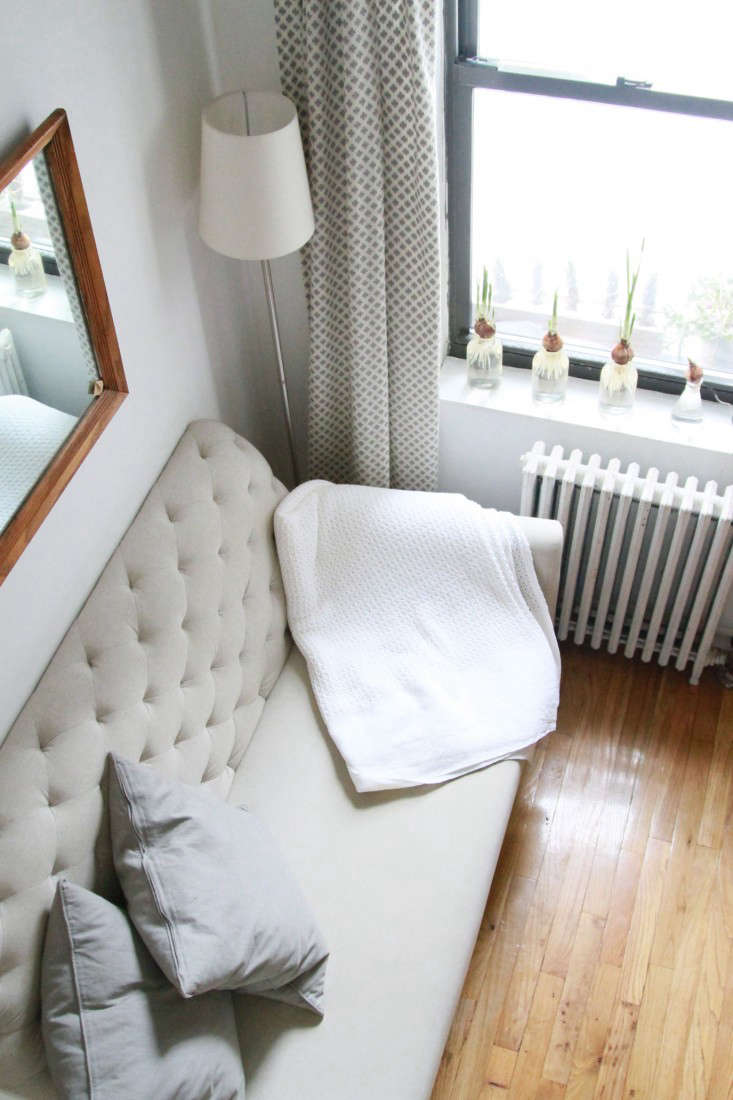
Small apartments feel better when light can move. Keep windows as open as privacy allows. Use sheer curtains, light-filtering shades, or curtain rods mounted high to make ceilings feel taller. Mirrors can bounce light and visually expand a narrow room, especially when placed across from a window or near a dark corner.
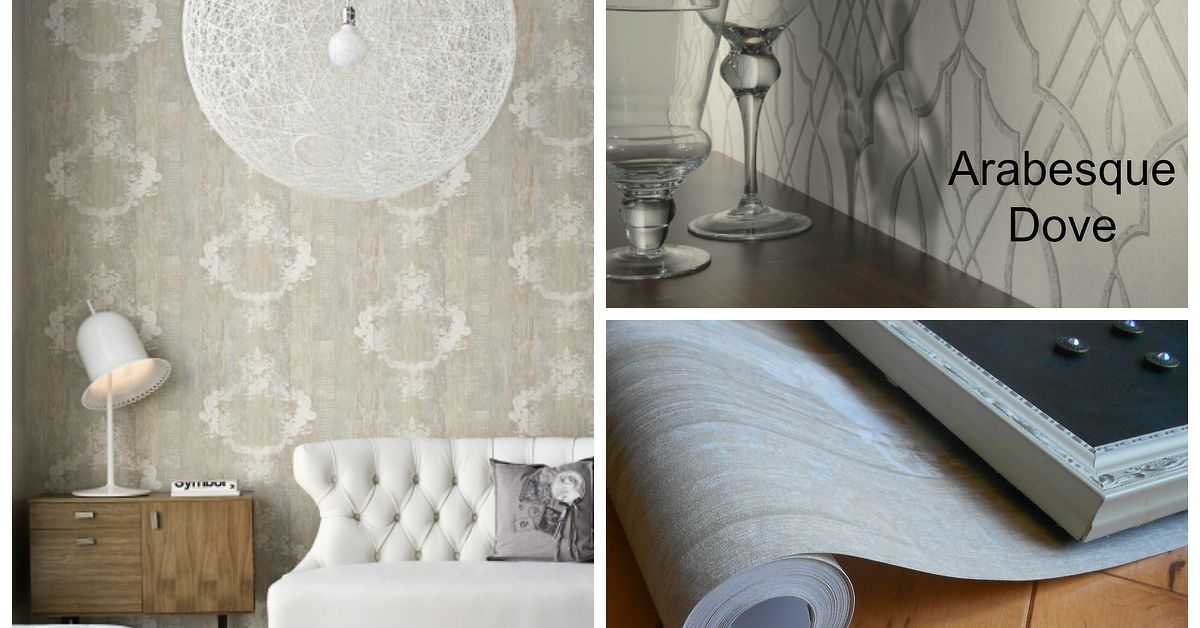
Light colors can help a room feel airy, but small spaces do not have to be all white. A bold accent wall, removable wallpaper, colorful art, or patterned rug can add personality. The secret is intention. A tiny apartment can handle style. It just cannot handle random visual shouting from every corner.
Design Around Noise, Because Brooklyn Has Opinions
Noise is part of Brooklyn apartment life. You may hear upstairs footsteps, street traffic, delivery trucks, music, dogs, radiators, pipes, and someone in the hallway having a dramatic phone call as if auditioning for public radio.
Soft materials help. Add rugs, curtains, upholstered furniture, fabric wall hangings, and door draft stoppers. A white noise machine or fan can make city sound less sharp. If neighbor noise becomes chronic, document dates and times, speak calmly when possible, contact your landlord, and use NYC 311 for formal complaints when needed.
Know Your Heat, Hot Water, and Pest Basics
Tiny apartment survival is not only about storage. It is also about knowing your rights and responsibilities. In New York City, landlords are required to provide hot water year-round and heat during the official heat season. If you have no heat, no hot water, persistent leaks, bed bugs, roaches, mice, or unsafe conditions, document the problem and contact your landlord in writing. If it is not addressed, NYC 311 and HPD complaint systems exist for a reason.
For pests, prevention matters. Keep food sealed, wipe counters, take trash out regularly, avoid leaving dirty dishes overnight, and close gaps where possible with landlord-approved repairs. In a tiny apartment, one crumb can become a community event for insects with poor boundaries.
Handle Trash, Recycling, and Compost Without Losing Your Mind
NYC residents must separate recyclables, and curbside composting rules now require food scraps and food-soiled paper to be separated from regular trash. In a tiny Brooklyn kitchen, this can feel like running a municipal waste facility under your sink.
Use small labeled bins or bags that match your building’s system. Freeze food scraps if you have freezer space, or use a sealed countertop container emptied frequently. Break down cardboard immediately. Do not let boxes “rest” by the door. That is how one delivery becomes a cardboard skyline.
Laundry Strategy Is a Lifestyle
If you have in-unit laundry, protect it like a family heirloom. If not, create a system. Use a hamper that is easy to carry. Keep quarters or payment apps ready. Choose a laundromat time when machines are available. Fold clothes before returning home if your apartment has no folding space. Laundry left in bags becomes furniture, and not the good kind.
For drying, use a foldable rack that collapses flat. Avoid turning every chair into a damp clothing monument. If you air-dry often, place the rack near airflow and put it away as soon as clothes are dry.
Entertaining in a Tiny Apartment Without Panic
You can host in a tiny Brooklyn apartment. You just cannot host like you live in a brownstone with a dining room, a den, and a butler named Harold. Keep gatherings small. Serve food that does not require a full kitchen performance. Use folding chairs, floor pillows, nesting tables, and trays. Clear surfaces before guests arrive and designate a coat spot on the bed if needed.
The best tiny-apartment hosting rule is simple: make people comfortable, not impressed. Good lighting, enough seating, accessible snacks, and a clear path to the bathroom matter more than a centerpiece.
Shop Like a Brooklyn Minimalist
Before buying anything, ask three questions: Where will it live? How often will I use it? What does it replace? If you cannot answer those questions, pause. Brooklyn makes it easy to acquire things: stoop sales, vintage shops, online marketplaces, neighborhood swaps, and free sidewalk finds. But a tiny apartment turns every “great deal” into a spatial negotiation.
Secondhand shopping is excellent for small-space living, especially for solid wood furniture, lamps, mirrors, and shelving. Just inspect items carefully, especially upholstered pieces. In NYC, a free couch on the sidewalk may be a treasure, or it may be a decision with legs.
Neighborhood Life Is Your Extra Square Footage
One reason people survive tiny apartments in Brooklyn is that the borough itself becomes part of the home. Parks, cafes, libraries, rooftops, laundromats, community gardens, bookstores, bars, and waterfront paths expand daily life beyond four walls. Prospect Park can be your backyard. A favorite coffee shop can be your second office. The Brooklyn Public Library can be your quiet room. The stoop can become a living room with better people-watching.
This mindset changes everything. Your apartment does not need to hold every version of your life. It needs to support rest, cooking, work, storage, and sanity. The rest can happen outside.
Common Tiny Apartment Mistakes to Avoid
Buying Storage Before Decluttering
Storage products do not solve clutter. They often organize it into prettier piles. Declutter first, then buy only the storage you actually need.
Ignoring Under-Bed Space
Under-bed storage is prime territory for luggage, linens, seasonal clothing, and backup supplies. Use zippered bins to keep dust away.
Keeping Too Many Duplicates
You probably do not need five spatulas, nine tote bags, three umbrellas, and a drawer full of cables for devices you no longer own.
Using Only Overhead Lighting
One ceiling light can make a tiny apartment feel harsh. Add lamps, wall lights, or plug-in sconces to create zones and warmth.
Forgetting About Airflow
Small spaces get stuffy quickly. Use fans, open windows when practical, clean filters, and avoid blocking radiators or vents.
Extra Experience Section: What Tiny Brooklyn Apartment Life Teaches You
After a few months in a tiny Brooklyn apartment, you learn that convenience is not a luxury. It is survival. The object you use every day must be easy to reach. The thing you use once a year can go in the least convenient spot, possibly behind a suitcase, above a cabinet, or in the mysterious upper shelf that requires both balance and courage.
You also learn that the apartment has moods. In the morning, it can feel bright and efficient, especially if sunlight hits the floor and the coffee is behaving. By evening, the same space can feel chaotic if shoes are by the door, dishes are in the sink, and your desk is wearing three personalities: office, dining table, and mail processing center. The apartment is not judging you. It is simply small enough that every decision becomes visible.
One of the best habits is the Sunday reset. This does not mean deep cleaning for five hours while listening to a podcast about productivity and slowly losing the will to continue. It means a practical reset: laundry, trash, recycling, fridge check, floor sweep, bathroom wipe-down, and a quick review of what is piling up. In Brooklyn, where apartments are compact and schedules are packed, a weekly reset keeps the home from turning into a storage closet with Wi-Fi.
Another lesson is that comfort matters more than aesthetics. A beautiful chair that hurts your back is not decor; it is a betrayal. A tiny table that looks chic but cannot hold dinner is not minimalist; it is furniture cosplay. Choose items that support how you actually live. If you work from home, invest in a real chair and a desk setup that does not punish your spine. If you cook often, prioritize kitchen storage over decorative objects. If you host friends, keep folding stools or floor cushions. Style should serve the routine, not sabotage it.
Brooklyn tiny apartment life also teaches social creativity. You may not host twelve people for a formal meal, but you can host two friends for soup, four for board games, or one neighbor for coffee on the fire escape if it is safe and permitted. You learn to meet friends at parks, bakeries, bars, and neighborhood restaurants. You discover that “come over” does not always mean “sit in my living room.” Sometimes it means “drop your bag here, then let’s walk to the waterfront.”
The biggest lesson is emotional: small-space living forces honesty. You cannot keep every hobby, every impulse buy, every sentimental object, and every aspirational version of yourself in 400 square feet. You have to choose. That can feel limiting at first, but it becomes freeing. Your apartment slowly turns into a portrait of what you truly use, value, and enjoy.
And yes, there will be annoying days. The upstairs neighbor will move furniture at midnight. The radiator will hiss like it knows secrets. The grocery bags will be heavier than expected. The closet will reject one more coat. But then there will be perfect Brooklyn days: coffee by the window, music playing softly, the apartment reset and glowing, the neighborhood waiting downstairs. Tiny apartment life is not about having less life. It is about making room for the right parts.
Conclusion
Surviving life in a tiny Brooklyn apartment is part design challenge, part discipline, and part comedy. The apartment may be small, but with smart storage, multi-use furniture, vertical thinking, renter-friendly upgrades, and a realistic routine, it can feel functional, personal, and even generous. The goal is not to make your apartment look like a showroom. The goal is to make it work beautifully for your real Brooklyn life.
Measure everything. Declutter often. Use your walls. Respect your closets. Learn your building systems. Know your tenant basics. Keep trash and compost under control. Let Brooklyn itself provide the bonus square footage. A tiny apartment can become a calm home base in a big, loud, brilliant borough. Just do not buy the oversized sectional. Future you, your doorway, and your stairwell will all thank you.
SEO Tags
Note: This article is written in original American English and synthesizes current small-space living practices, Brooklyn apartment realities, and official NYC housing, sanitation, and tenant-life guidance without inserting source links or citation placeholders.