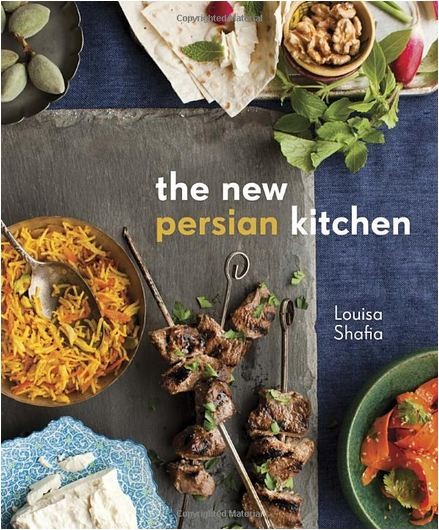

Some cookbooks politely sit on the shelf and look pretty. The New Persian Kitchen by Louisa Shafia is not one of them. This is the kind of cookbook that makes you suddenly believe your pantry has been living a quiet, underseasoned life and desperately needs saffron, dried limes, pomegranate molasses, fresh herbs, and perhaps a small pep talk.
Published by Ten Speed Press, The New Persian Kitchen presents a fresh, modern take on Persian cuisine while honoring the deep traditions of Iranian cooking. It is not a museum piece, and it is not a watered-down “weeknight shortcut” book either. Instead, Louisa Shafia builds a bridge between heritage and everyday cooking, showing readers how ancient flavor combinations can feel completely at home in a modern American kitchen.
The result is a cookbook that feels colorful, vegetable-forward, fragrant, practical, and quietly ambitious. It introduces readers to Persian food through rice, herbs, stews, yogurt, fruit, nuts, spices, and seasonal produce. It also makes a convincing argument that dinner should taste bright, balanced, and joyfulnot like something assembled while emotionally negotiating with a microwave.
Who Is Louisa Shafia?
Louisa Shafia is a chef, food writer, and passionate advocate for Iranian cuisine. Her cooking style is deeply connected to her Iranian heritage, her mixed Jewish and Muslim family background, and her long-standing interest in sustainable, produce-driven food. Before writing The New Persian Kitchen, she authored Lucid Food, a cookbook focused on seasonal, eco-conscious cooking.
That background matters because Shafia does not approach Persian cooking as a rigid set of rules. She approaches it as a living cuisine. Her recipes respect traditional Persian ingredients and techniques while making them feel flexible enough for home cooks who shop at farmers markets, natural grocery stores, Middle Eastern markets, or the regular supermarket aisle where the cilantro is somehow always wet.
Shafia has cooked in respected restaurants in San Francisco and New York and has written for major food publications. She has also spoken widely about Iranian food, culture, and identity. In The New Persian Kitchen, those threads come together: professional cooking skill, personal heritage, curiosity, and a desire to make Persian flavors more accessible without flattening their complexity.
What Makes The New Persian Kitchen Special?
The heart of The New Persian Kitchen is balance. Persian cuisine is famous for balancing sweet and sour, rich and fresh, floral and earthy, soft and crunchy. Shafia’s recipes lean into that harmony. A dish may combine herbs with beans, saffron with yogurt, walnuts with pomegranate, or citrusy dried limes with slow-cooked stew. Nothing feels random. Every flavor has a job, and most of them seem to have excellent resumes.
The book includes both traditional Persian dishes and modern reinterpretations. That means readers can explore classics while also finding recipes that feel contemporary and personal. Instead of treating Persian cuisine as something distant or intimidating, Shafia shows how its building blocks can become part of everyday cooking.
A Modern Approach Without Losing the Soul
Modernizing a traditional cuisine can be tricky. Push too far, and the food loses its identity. Stay too rigid, and new cooks may never step inside the kitchen. Shafia finds a smart middle ground. Her recipes often use familiar vegetables such as beets, carrots, squash, and greens, then transform them with Persian ingredients like sumac, rose petals, tamarind, mint, dill, saffron, and pomegranate.
This is where the book shines. It does not simply say, “Here is Persian food.” It says, “Here is how Persian flavor thinks.” That distinction makes the cookbook useful long after one specific recipe is finished. Readers begin to understand why herbs matter so much, why sourness is not a side note, why rice deserves respect, and why a crispy golden bottom called tahdig can cause otherwise reasonable people to hover near the pot like treasure hunters.
Persian Cuisine: A Flavor World Built on Contrast
Persian cuisine is one of the world’s great culinary traditions, shaped by geography, trade, agriculture, poetry, celebration, and family memory. Its flavors are rarely loud in a spicy-hot way. Instead, they are layered. Think saffron blooming into rice, dried lime deepening a stew, pomegranate molasses adding tart sweetness, and fresh herbs bringing the whole plate back to life.
In many Persian meals, herbs are not decorative confetti sprinkled at the end so the food can look like it tried. Herbs are central. Parsley, cilantro, dill, mint, tarragon, chives, and fenugreek appear in generous amounts. They can be folded into rice, packed into kuku sabzi, served raw as sabzi khordan, or used to build the deep green base of beloved stews.
The Essential Persian Pantry
One reason The New Persian Kitchen is useful for beginners is that it gently introduces ingredients that may be unfamiliar to many American home cooks. The Persian pantry is not difficult, but it is distinctive. Once stocked, it can make everyday food dramatically more interesting.
Saffron is perhaps the most famous Persian ingredient. Used carefully, it gives rice, desserts, marinades, and drinks a golden color and floral aroma. Sumac adds tangy brightness. Dried limes, often called limoo amani, bring a deep citrus flavor that is sour, earthy, and slightly mysterious in the best possible way. Rose water and dried rose petals add fragrance. Pomegranate molasses brings tart fruitiness to sauces, stews, and dressings. Barberries, pistachios, walnuts, almonds, dates, and raisins contribute texture and sweetness.
Then there is rice. Persian rice is not just a side dish; it is a craft. Long-grain basmati is rinsed, soaked, parboiled, steamed, and sometimes coaxed into producing tahdig, the prized crispy layer at the bottom of the pot. If rice in your house has mostly been a beige background character, Persian cooking gives it a starring role, a costume change, and possibly its own fan club.
The Role of Rice, Herbs, and Tahdig
Rice is one of the emotional centers of Persian cooking. In Shafia’s world, it is treated with care but not fear. The process may seem detailed at first, but it rewards patience. Rinsing removes excess starch. Soaking helps the grains lengthen. Steaming keeps the rice fluffy. A layer of oil, butter, bread, potato, or rice at the bottom of the pot can become tahdig.
Tahdig is not merely “crispy rice.” That description is technically true in the same way a diamond is technically a rock. Good tahdig is golden, crackly, savory, and dramatic. It creates the kind of dinner-table moment where everyone tries to be polite while calculating how large a piece they can reasonably claim.
Herbs are equally important. Sabzi polo, or Persian herb rice, is a classic example of how fresh greens become part of the structure of a dish. Instead of being added as an afterthought, herbs are layered with rice to create aroma, color, and a sense of spring. This dish is especially associated with Nowruz, the Persian New Year, when foods often symbolize renewal, freshness, and abundance.
Why the Book Feels Fresh for American Home Cooks
Many readers in the United States discover Persian cuisine through restaurant dishes such as kebabs, saffron rice, mast-o khiar, or stews like ghormeh sabzi and fesenjan. Those dishes are wonderful, but they represent only part of the story. The New Persian Kitchen expands the view.
Shafia emphasizes vegetables, fruit, legumes, whole grains, yogurt, herbs, and nuts. This makes the cookbook feel naturally aligned with the way many modern cooks want to eat: flavorful, seasonal, colorful, and not dependent on heavy sauces or complicated restaurant equipment. It is health-conscious without acting like dinner should be punished for tasting good.
The book also works because many Persian flavors pair beautifully with familiar American ingredients. Roasted carrots become more exciting with cumin, citrus, and yogurt. Beets make sense with herbs and tang. Chicken takes well to saffron and lemon. Lentils and beans become rich and comforting with herbs, onions, and spices. Even a simple salad can feel new when mint, dill, sumac, or pomegranate enters the conversation.
Notable Recipe Themes in The New Persian Kitchen
While the book contains a range of recipes, several themes stand out. First, there is a love of vegetables. Shafia’s cooking often brings produce to the center of the plate rather than treating it as a moral obligation. Eggplant, squash, carrots, greens, herbs, and beans receive serious attention.
Second, there is a strong sense of celebration. Persian cooking is deeply connected to holidays, hospitality, and family gatherings. Dishes such as kuku sabzi, herb rice, stews, and sweets are not just meals; they are part of a larger culture of welcoming people to the table.
Third, there is a smart use of acid. Lemon, lime, dried lime, vinegar, sour fruit, yogurt, and pomegranate all help keep rich dishes lively. This is one reason Persian food can taste luxurious without feeling heavy. The food has lift. It knows how to wear velvet without dragging it through the soup.
Fesenjan: The Beauty of Sweet and Sour
Fesenjan, a Persian stew often made with walnuts and pomegranate molasses, is one of the best examples of the cuisine’s sweet-sour balance. It can be made with poultry, meat, or vegetarian variations, and its flavor is deep, nutty, tart, and slightly sweet. For many people, fesenjan is the dish that reveals Persian cooking’s emotional range. It is comfort food with a passport.
Kuku Sabzi: Herbs as the Main Event
Kuku sabzi is often described as an herb frittata, but that comparison does not fully capture its personality. In many Western frittatas, eggs dominate. In kuku sabzi, herbs take command. The eggs hold everything together while greens provide the flavor, color, and aroma. It is fresh, savory, and beautiful on a table, especially around Nowruz.
Persian Soups and Stews
Persian soups and stews are another major doorway into the cuisine. Ash-e reshteh, a thick soup with beans, herbs, noodles, and kashk, is hearty enough to be a meal. Ghormeh sabzi, a famous herb stew, combines greens, beans, dried lime, and meat in a way that tastes even better after time. These dishes are patient. They do not rush. They simmer, deepen, and quietly become the reason everyone comes back for seconds.
Louisa Shafia’s Cultural Perspective
One of the strengths of The New Persian Kitchen is that it is not only about recipes. It is also about identity. Shafia writes from the perspective of someone exploring, honoring, and interpreting her heritage. Her background gives the book emotional texture. She is not simply cataloging dishes; she is asking how food carries memory, family, migration, and belonging.
That makes the cookbook especially meaningful for readers who live between cultures or who use food as a way to understand family history. A recipe can be a practical thingchop this, simmer that, do not burn the onions unless your smoke alarm enjoys opera. But a recipe can also be a map. It can point toward grandparents, holidays, language, travel, and the feeling of being connected to a place even when you are far from it.
Why This Cookbook Still Matters
The New Persian Kitchen remains relevant because it anticipated a broader shift in American home cooking. Today, many cooks are more curious about global pantry ingredients, more interested in vegetable-forward meals, and more open to flavors beyond the standard salt-pepper-garlic routine. Shafia’s book fits perfectly into that world.
It also helps correct a common misunderstanding: Persian food is not difficult because it is exotic. It only feels difficult when the ingredients and techniques are unfamiliar. Once a cook learns the logicfresh herbs, careful rice, balanced sourness, fragrant spices, fruit with savory foodthe cuisine becomes approachable. Not effortless, perhaps, but deeply rewarding.
The cookbook is also valuable because it respects both tradition and adaptation. Food cultures survive because people cook them, share them, change them, and carry them into new kitchens. Shafia’s work shows how Persian cuisine can remain rooted while still speaking fluently to modern cooks.
How to Cook from The New Persian Kitchen
If you are new to Persian cooking, start by building a small pantry. You do not need to buy every ingredient at once. Begin with saffron, sumac, turmeric, dried mint, pomegranate molasses, basmati rice, walnuts, pistachios, dates, yogurt, lemons, and lots of herbs. Add dried limes, rose water, barberries, and advieh as you go.
Next, choose recipes that teach core techniques. Make a yogurt-based dip. Try an herb-heavy egg dish. Practice rice. Learn how to bloom saffron in hot water. Make a stew that uses sourness as a major flavor. These steps will help you understand Persian cooking better than simply attempting the most elaborate dish first and then blaming the cookbook, the stove, and possibly the moon.
Finally, cook for other people. Persian food is deeply social. It wants a table, conversation, side dishes, herbs, pickles, bread, rice, and someone saying, “Just a little more,” while clearly taking a lot more. Many of the recipes in Shafia’s book are ideal for gatherings because they are colorful, aromatic, and generous.
Experience Section: Cooking, Reading, and Living with The New Persian Kitchen
The experience of spending time with The New Persian Kitchen is different from simply following a recipe. It begins as curiosity and quickly becomes a pantry renovation project. First you buy sumac because it sounds interesting. Then you notice pomegranate molasses. Then dried limes appear in your shopping basket looking like tiny edible planets. Before long, your kitchen smells like saffron, mint, toasted walnuts, and ambition.
One of the most enjoyable parts of cooking from a book like this is learning how flavor can be bright without being spicy-hot. Many American cooks are trained to think intensity means chile heat, garlic power, or cheese volume. Persian cooking offers another path. A dish can be intense because it is floral, tart, herbal, nutty, or aromatic. It can sparkle without shouting.
The first time a home cook makes Persian rice, there may be suspense. There is rinsing. There is soaking. There is parboiling. There is steaming. There is a towel tucked under the pot lid like the rice has checked into a spa. Then comes the moment of truth: the flip, the scrape, the reveal of tahdig. If it works, you feel like you have unlocked a culinary achievement badge. If it does not, you still have delicious rice, which is a fairly kind failure by kitchen standards.
Another memorable experience is the generous use of herbs. Buying herbs for Persian recipes can feel almost reckless at first. A little parsley? No. A handful? Still no. Persian cooking often wants bunches. The cutting board turns green, the kitchen smells alive, and suddenly you understand that herbs are not garnish. They are architecture.
Cooking this way also changes how you think about sweetness. In many Persian dishes, fruit is not limited to dessert. Pomegranate, dates, raisins, prunes, apricots, quince, and sour cherries can appear in savory contexts. This creates a style of cooking that feels elegant and surprising. A stew may be rich with walnuts but sharpened by pomegranate. Rice may be savory but jeweled with dried fruit and nuts. The effect is festive without being fussy.
Reading The New Persian Kitchen also encourages a slower kind of attention. Some recipes are simple, but the overall spirit of the book asks you to notice aroma, texture, color, and timing. Blooming saffron is a small act, but it feels ceremonial. Toasting nuts is ordinary, but it changes the dish. Washing herbs carefully is not glamorous, but it makes the final plate taste fresh rather than muddy.
The best experience, though, is sharing the food. Persian meals have a natural abundance. A table with rice, stew, yogurt, herbs, pickles, bread, and salad looks welcoming before anyone takes a bite. It says, “Stay. Eat. Talk. Have more.” That spirit is one reason Shafia’s cookbook continues to resonate. It does more than teach recipes; it invites readers into a way of cooking that values beauty, hospitality, and balance.
For a modern cook, The New Persian Kitchen is especially rewarding because it expands the everyday flavor vocabulary. After using sumac, plain lemon may feel lonely. After tasting rice with saffron and tahdig, basic steamed rice may need to attend a self-improvement seminar. After seeing what herbs can do, that tiny parsley sprinkle on restaurant plates starts to look like a missed opportunity.
Ultimately, the experience of cooking from Louisa Shafia’s book is both practical and personal. You learn what to buy, how to cook, and how Persian ingredients work together. But you also get something more lasting: a sense that food can carry history while still feeling completely alive in the present.
Conclusion
The New Persian Kitchen by Louisa Shafia is more than a cookbook; it is an invitation to explore Persian cuisine through a modern, seasonal, and deeply flavorful lens. With its emphasis on herbs, rice, saffron, pomegranate, yogurt, nuts, and balanced sweet-sour flavors, the book makes Iranian cooking feel approachable without making it ordinary.
For home cooks in the United States, this cookbook is especially valuable because it translates Persian culinary traditions into recipes that fit contemporary kitchens. It respects heritage, celebrates produce, and proves that healthy cooking does not have to taste like a committee meeting. Whether you are new to Persian food or already devoted to tahdig, The New Persian Kitchen offers a delicious path into one of the world’s most fragrant and generous cuisines.