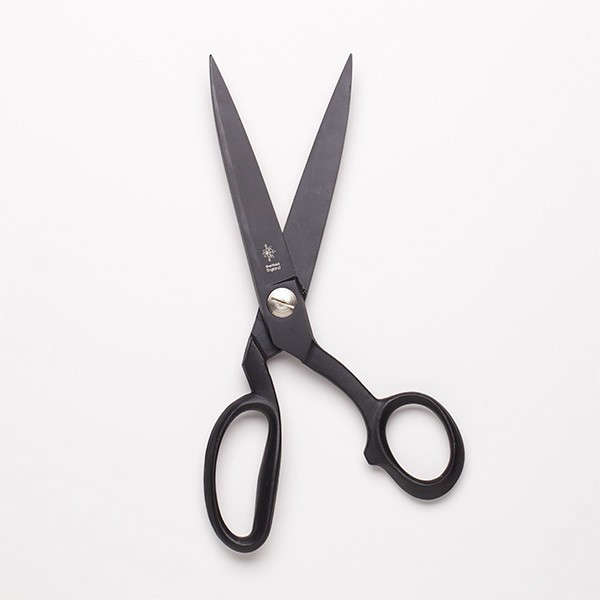

The Sheffield Kevlar Shear looks like a pair of scissors that spent several years lifting weights in a steel mill. Heavy, black, unapologetically industrial, and built for materials that make ordinary household scissors reconsider their career choices, this specialist cutting tool became a cult favorite among designers, makers, textile workers, and people who simply appreciate objects made to last.
Originally sold by Best Made Company, the shear combined traditional Sheffield scissor-making with a modern industrial assignment: cutting Kevlar and other stubborn technical fibers. Its specifications included hot-forged high-carbon tool steel, a low-friction Xylan coating, offset handles, a machined high-leverage pivot, a 10-inch overall length, a 4.75-inch cutting length, and a substantial one-pound weight. In other words, this was not a dainty desk accessory for trimming coupons.
What Is the Sheffield Kevlar Shear?
The Sheffield Kevlar Shear is a pair of heavy-duty industrial scissors designed to cut high-performance fibers and demanding workshop materials. Historical product descriptions associated it with Kevlar, ballistic nylon, thick fabrics, cardboard, packing tape, and other materials that can slip, fray, fold, or resist ordinary blades.
The tool was made in Sheffield, England, a city whose identity has been tied to steelmaking, cutlery, knives, scissors, and precision metalworking for generations. The original retail description said the shear was produced by eleventh-generation scissor makers, connecting it to a manufacturing tradition in which blade grinding, setting, pivot adjustment, and hand finishing matter just as much as the steel itself.
That heritage is more than decorative storytelling. Sheffield-based scissor maker Whiteley describes developing specialist Kevlar-cutting shears through industrial testing and collaboration with engineering researchers. The company explains that cutting Kevlar required experimentation with blade geometry, edge preparation, and setting because the fiber resisted the behavior expected from conventional textile materials.
Core Historical Specifications
- Overall length: approximately 10 inches
- Cutting length: approximately 4.75 inches
- Weight: approximately one pound
- Blade material: hot-forged high-carbon tool steel
- Finish: black, low-friction Xylan coating
- Pivot: machined, high-leverage adjustment screw
- Handle style: offset metal handles
- Origin: Sheffield, England
- Historical versions: right-handed and left-handed configurations
Archived listings show historical prices ranging from about $66 to $98, depending on the year and retailer. Those prices should be treated as historical references rather than current shopping information, since availability has changed considerably since the product’s original release.
Why Kevlar Is So Difficult to Cut
Kevlar is not merely “strong fabric.” It is an aramid fiber engineered for a combination of high strength, stiffness, toughness, and thermal stability. Its molecular structure and tightly oriented fibers help it withstand forces that would stretch, tear, or break more familiar materials. Those properties are wonderful in protective equipment, reinforcement, cables, composites, and industrial products. They are less wonderful when you are standing at a workbench with a pair of office scissors and misplaced optimism.
Ordinary scissors may struggle because their blades do not maintain sufficient pressure at the exact point where the edges cross. Instead of creating a clean shear, they may push fibers forward, pinch the bundle, separate strands, or leave a fuzzy edge. Repeating the cut often makes the situation worse by loosening more fibers and forcing the operator to squeeze harder.
A purpose-built Kevlar shear addresses the problem through blade geometry, controlled edge contact, leverage, and careful pivot adjustment. The blades must meet closely enough to trap and sever tough fibers without allowing the material to escape between them.
Why Leverage Matters
The pivot converts hand pressure into cutting force. A high-leverage design places more mechanical advantage behind the section of blade closest to the pivot, which is why particularly difficult material is usually easier to cut near the rear of the blades rather than at the tips.
The Sheffield shear’s large handles and substantial steel body help deliver that force. The weight can feel excessive when the tool is first lifted, but it also contributes to the impression that the shear is working with the user instead of flexing, twisting, or surrendering halfway through a cut.
The Role of the Blade Setting
Good scissors do not work like two miniature knives pressed together. The blades are shaped and set so that they contact progressively as the handles close. That controlled meeting point produces the shearing action.
On an industrial shear, poor pivot adjustment can ruin the experience. Too loose, and fibers slip between the blades. Too tight, and the tool becomes exhausting to operate. The Sheffield model’s machined pivot screw allowed its resistance to be tuned, although adjustment should be conservative. Randomly twisting the screw like the dial on a game show is not a maintenance strategy.
What the Xylan Coating Does
The matte-black finish is one of the Sheffield Kevlar Shear’s most recognizable features, but it is not simply cosmetic. Xylan coatings are industrial dry-film systems designed to provide controlled friction, release properties, and resistance to corrosion or chemical exposure, depending on the formulation. PPG describes its Xylan 1000 series as resin-bonded, high-temperature-resistant coatings engineered for low friction and environmental protection.
On a cutting tool, a low-friction coating can help material move along the blades instead of dragging against bare steel. It can also reduce the tendency of packing tape and pressure-sensitive adhesives to build up on the cutting surfaces.
“Nonstick,” however, does not mean “magically self-cleaning.” Adhesive residue, composite dust, grease, and textile finishes can still accumulate. The coating makes routine cleaning easier, but the shear should still be wiped after dirty jobs.
Can the Coating Wear?
Yes. Any coating applied to a working edge or frequently rubbed surface may eventually show polishing, scratches, or localized wear. That does not automatically mean the entire tool has failed. Cutting performance depends heavily on the underlying steel, grind, blade contact, and pivot condition.
Owners should avoid abrasive cleaning pads, aggressive scraping, or casual sharpening methods that can damage the coating and alter the blade geometry.
What Can the Sheffield Kevlar Shear Cut?
The shear was designed for demanding fibrous materials, but its usefulness extends well beyond Kevlar. Its most practical role is as a dedicated workshop shear for materials that are frustrating, abrasive, layered, adhesive, or simply too thick for standard scissors.
Kevlar and Aramid Fabric
This is the headline application. The shear can be used for dry aramid cloth, woven Kevlar fabric, yarn bundles, reinforcement layers, and similar technical textiles. For the cleanest result, the material should lie flat and remain under light tension without being stretched out of shape.
Ballistic Nylon and Heavy Fabric
Dense nylon webbing, canvas, upholstery fabric, denim, heavy felt, leather-like sheet goods, and multilayer textile assemblies are natural candidates. The long blades are useful for continuous cuts, while the strong pivot helps with layered sections and seams.
Cardboard and Packaging
The shear can move through corrugated cardboard, kraft board, reinforced envelopes, shipping materials, and packing tape. This is convenient during repetitive packaging work, although cardboard is abrasive and may shorten edge life if the shear is also expected to perform delicate textile cutting.
Rubber, Plastic Sheet, and Composite Reinforcement
Depending on thickness, the tool may be suitable for rubber sheet, gasket material, thin flexible plastics, fiberglass cloth, and some composite reinforcement fabrics. Modern industrial shear manufacturers commonly tailor different blade grinds for Kevlar, carbon fiber, fiberglass, and technical textiles because no single edge geometry is ideal for every advanced material.
Materials It Should Not Cut
Despite its intimidating appearance, this is not a universal substitute for aviation snips, bolt cutters, cable cutters, or pruning tools. Avoid hardened wire, nails, screws, sheet metal, steel strapping, ceramic fibers, and any material outside the tool’s intended rating. One heroic bite into the wrong object can damage an edge that survived years of sensible use.
Design Strengths
Hot-Forged High-Carbon Steel
Forging forms the steel under pressure, helping create a strong, substantial blank that can then be hardened, ground, set, and finished. High-carbon tool steel is capable of holding a keen working edge, although it generally deserves more attention around moisture than stainless steel.
A Full-Size Cutting Stroke
Compact Kevlar snips are excellent for fiber-optic work, cable reinforcement yarn, and small trimming jobs. The Sheffield shear takes a different approach. Its 4.75-inch cutting length favors long cuts through fabric, packaging, and sheet materials.
Offset Handles
Offset handles allow the blades to travel along a table while keeping the user’s fingers above the work surface. This can improve visibility and reduce the need to lift or distort large fabric panels.
Repairable Mechanical Construction
A visible machined pivot is refreshingly old-fashioned. Rather than hiding the joint inside a molded plastic assembly, the design permits adjustment and professional servicing. That makes sense for a tool positioned as a long-term workshop investment rather than a disposable accessory.
Potential Drawbacks
The Weight Is Real
At about one pound, the Sheffield Kevlar Shear is significantly heavier than household scissors. That solidity is satisfying for occasional hard cuts, but repetitive work may fatigue the hand, wrist, or forearm.
OSHA’s ergonomics guidance for scissor work notes that repeated grip force, awkward wrist positions, contact stress, and repetitive motion can contribute to discomfort or injury. A heavy shear should therefore be matched to the task, work height, hand size, and expected cutting duration.
Metal Handles Are Not Especially Forgiving
The offset steel bows look fantastic and transmit force efficiently, but they do not provide the cushioning of modern rubberized handles. During long sessions, pressure may concentrate around the fingers.
It Is More Tool Than Many Households Need
Someone cutting paper, gift wrap, thread, and the occasional cereal coupon does not need a one-pound industrial shear. The Sheffield model makes sense when difficult materials are a recurring part of the work or when durable craftsmanship is itself part of the appeal.
Replacement Availability Can Be Limited
The Best Made-branded version is most often encountered through archived product pages, older collections, or the secondary market. Current Sheffield makers still produce specialist Kevlar shears, but buyers seeking the exact historical black model may need patience and careful verification.
How to Use a Kevlar Shear Effectively
- Prepare a flat cutting surface. Keep the fabric supported so its weight does not pull the cut off line.
- Mark the cut clearly. Technical fabrics can be expensive, and “close enough” becomes less charming at aerospace-material prices.
- Place tough material near the pivot. This area provides the greatest leverage.
- Use long, deliberate strokes. Avoid tiny chewing motions that encourage fraying.
- Keep the material lightly tensioned. The goal is to prevent bunching, not stretch the weave.
- Let the blades do the work. Excessive sideways force can disturb the setting.
- Stop if the tool folds or pushes the fibers. The pivot may need attention, the edge may require professional servicing, or the material may need a different shear.
Care and Maintenance
Clean After Adhesive or Composite Work
Wipe the blades with a soft cloth after cutting tape, rubber, resin-treated fabric, or dusty composite reinforcement. Use only a cleaner compatible with the coating and follow the current manufacturer’s guidance whenever possible.
Keep the Tool Dry
The coating protects much of the surface, but exposed steel at the cutting edges, pivot, scratches, or worn areas may still be vulnerable to corrosion. Dry the shear promptly if it becomes wet.
Lubricate the Pivot Sparingly
A tiny amount of suitable tool oil at the pivot can help preserve smooth movement. Open and close the shear several times, then wipe away excess so it does not migrate onto fabric.
Do Not Sharpen It Like a Kitchen Knife
Scissor blades depend on edge angle, hollow grinding, blade set, and contact. Sharpening the visible edge with a random stone or powered grinder can remove the geometry that makes the tool cut. Specialist servicing is the safer choice.
Store It Securely
Keep the blades closed, dry, and protected from impact. Do not leave the shear open in a drawer where a hand may discover it before the eyes do. Hand tools should be maintained in safe operating condition, and damaged or poorly adjusted cutting tools should be removed from service until corrected.
Sheffield Kevlar Shear vs. Modern Kevlar Snips
Modern Kevlar cutters come in several distinct formats. Small fiber-optic shears use short blades for trimming aramid strength members inside cable. Spring-loaded snips reduce repeated opening effort. Micro-serrated blades help grip slick fibers. Ergonomic handles reduce pressure during high-volume work.
Klein Tools, for example, offers Kevlar cutters with serrated blades, spring-assisted action, corrosion-resistant finishes, and compact cutting lengths tailored to electrical and fiber-optic work. Grainger listings likewise show modern models from Klein, Milwaukee, Clauss, Jonard, Westward, and OLFA, many with serrated edges or cushioned handles.
The Sheffield shear’s advantage is not compactness. It is the combination of a long cutting stroke, traditional forged construction, adjustable mechanics, visual character, and enough mass to make a cardboard box feel personally insulted.
Who Should Consider Buying One?
The Sheffield Kevlar Shear is most appealing to:
- Composite fabricators working with aramid reinforcement
- Upholsterers and textile professionals cutting dense materials
- Leatherworkers, bag makers, and outdoor-gear designers
- Workshop owners who frequently handle webbing, canvas, rubber, or cardboard
- Collectors of Sheffield-made tools and Best Made Company products
- Buyers who prefer repairable, traditional tools over disposable scissors
It is less suitable for users who need a lightweight, cushioned, spring-assisted cutter for all-day repetition. In that environment, a newer ergonomic model may be more comfortable and productive.
Experiences With the Sheffield Kevlar Shear
The first experience associated with the Sheffield Kevlar Shear is usually surprise. Photographs make it look like an elegant pair of black scissors. Picking it up reveals something closer to a compact hand tool. The one-pound body gives it momentum, authority, and a noticeable presence on the workbench. It does not disappear beneath a stack of paper unless that stack has structural engineering credentials.
On ordinary material, the cutting action can feel almost excessive. Packing tape separates without the sticky hesitation familiar from household scissors. Corrugated cardboard produces a firm, crunchy stroke rather than a sequence of frustrated bites. Heavy canvas stays between the blades instead of being pushed toward the tips. The experience demonstrates why properly set shears feel different from inexpensive stamped scissors: the blades remain engaged along the cut rather than meeting only in random spots.
The most impressive results tend to occur when the user works with the design rather than against it. Thick material placed near the pivot cuts more easily than material attacked at the tips. Long strokes produce a cleaner edge than a rapid series of short snips. Keeping fabric flat prevents the weight of the offcut from twisting the blades. These habits quickly turn the shear from an intimidating object into a predictable workshop companion.
Kevlar fabric presents a more revealing test. With ordinary scissors, the weave may slide, separate, or grow a yellow fringe that appears to multiply whenever it is touched. A specialist shear traps the fibers more decisively. The cut still requires preparationtechnical textiles do not become tissue paper merely because an expensive tool has entered the roombut the process becomes controlled rather than combative.
The trade-off appears during repetitive use. The heavy forged body that feels reassuring during the first few cuts may feel demanding after dozens of them. The metal handles provide leverage but little cushioning. Users with smaller hands may need to adjust their grip, take breaks, or reserve the tool for the hardest sections while using lighter shears for routine trimming.
Another practical lesson is that a Kevlar shear benefits from having a defined job. Using it indiscriminately on cardboard, adhesive tape, fiberglass, wire, plastic, and mystery objects from the garage can shorten edge life and contaminate delicate material. A sensible workshop might dedicate the Sheffield shear to aramid fabric and heavy textiles, while keeping a utility cutter for dirty packaging work.
The pivot also becomes part of the ownership experience. A well-adjusted shear closes smoothly with consistent resistance. If the blades loosen, fibers may fold between them. If the pivot becomes too tight, the hand does unnecessary work. Minor adjustment can restore the action, but restraint matters. Small changes are usually enough.
Cleaning is refreshingly simple when performed promptly. Tape residue tends to release more easily from coated blades than from unfinished steel, while dry textile dust can usually be wiped away. Leaving contamination in place for weeks is less successful. The tool may be rugged, but it does not employ a tiny nighttime janitor.
Long-term appeal comes from the sense that the shear can be maintained rather than discarded. The forged steel, adjustable joint, professional blade geometry, and straightforward construction encourage servicing. Scratches and worn finish may eventually document years of work, but those marks can add character instead of signaling the end of the product’s useful life.
For collectors, the experience is partly emotional. The Sheffield Kevlar Shear represents an unusual intersection of industrial necessity and design culture. It was engineered to solve a difficult cutting problem, then presented as a handsome household object. That combination explains why people who do not regularly cut ballistic fabric may still admire it. It is functional overkill, certainly, but it is unusually well-dressed functional overkill.
Final Verdict
The Sheffield Kevlar Shear is memorable because its toughness is not merely theatrical. Its forged high-carbon steel, modified cutting geometry, adjustable high-leverage pivot, long blades, offset handles, and low-friction coating were assembled around a real industrial challenge.
It is heavy, expensive compared with ordinary scissors, and less comfortable than many modern ergonomic snips. Yet those weaknesses are inseparable from its personality. This is a workshop shear for people who value leverage, serviceability, heritage, and the pleasing finality of a clean cut through material that was not planning to cooperate.
For frequent fiber-optic work, a compact spring-loaded Kevlar snip is likely the better tool. For long cuts through technical textiles, canvas, webbing, cardboard, and difficult sheet materialsor for anyone collecting beautifully overbuilt Sheffield toolsthe Sheffield Kevlar Shear remains a compelling piece of cutting history.
SEO Metadata
Note: Product dimensions, construction details, and historical prices are based on archived retailer descriptions and period reviews. Current availability, pricing, coatings, and specifications for modern Sheffield-made Kevlar shears may differ.