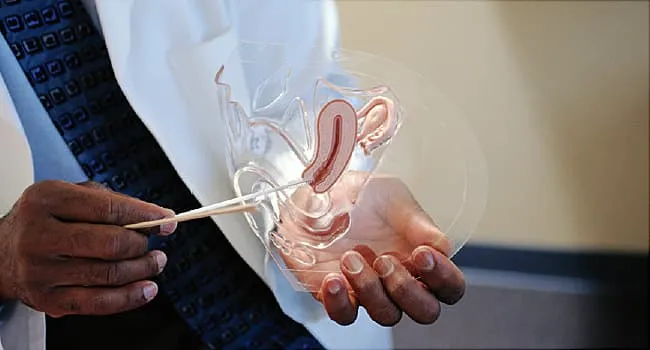

Female anatomy is often talked about with the confidence of a GPS that has lost satellite signal: loud, certain, and occasionally driving everyone into a lake. For something so central to human life, health, puberty, pregnancy, pleasure, aging, and everyday wellness, the female body is still surrounded by myths, half-truths, awkward silence, and vocabulary mix-ups that refuse to retire.
The truth about female anatomy is both simpler and more fascinating than the rumors. The vagina is not “everything down there.” The uterus does not wander around looking for drama. Periods are not a monthly detox cleanse. The clitoris is not a decorative button placed there by accident. And discharge, cycle changes, pelvic muscles, hormones, and menopause all belong to a normal, complex body systemnot a secret code that only doctors and biology teachers are allowed to understand.
This guide explains female anatomy in standard, medically accurate, plain American English. It covers the vulva, vagina, uterus, ovaries, fallopian tubes, cervix, breasts, menstrual cycle, pelvic floor, and common myths. The goal is not to turn everyone into a gynecologist before lunch. The goal is to replace confusion with clarity, shame with knowledge, and “Wait, is that normal?” with “I know what that isand when to ask a professional.”
Female Anatomy Is More Than Reproduction
When people hear “female anatomy,” they often jump straight to pregnancy and childbirth. That is part of the story, but it is far from the whole book. Female anatomy includes external and internal reproductive organs, hormone-producing structures, pelvic support muscles, urinary anatomy, breast tissue, nerves, blood vessels, and tissues that change across the lifespan.
The female reproductive system plays major roles in menstruation, fertility, sexual function, pregnancy, childbirth, and hormone regulation. But anatomy also affects everyday comfort: urination, bowel control, posture, pelvic pain, vaginal health, sexual response, and the physical changes of puberty, pregnancy, postpartum recovery, perimenopause, and menopause.
In other words, female anatomy is not a single-purpose machine. It is more like a well-coordinated city: roads, gates, power stations, plumbing, neighborhoods, security systems, and sometimes construction zones. Understanding the map helps everything make more sense.
Vulva vs. Vagina: The Mix-Up That Needs to Retire
One of the biggest anatomy myths is using “vagina” to describe all external genital anatomy. The correct term for the outside genital area is the vulva. The vagina is internal: a muscular, flexible canal that connects the vulva to the cervix and uterus.
What Is the Vulva?
The vulva includes the mons pubis, labia majora, labia minora, clitoris, vaginal opening, urethral opening, vestibule, and nearby glands. These parts vary widely in size, shape, color, symmetry, texture, and appearance. Variation is normal. Bodies are not factory-pressed into one model, despite what edited media and bad locker-room commentary may suggest.
The labia majora are the outer folds of skin, while the labia minora are the inner folds. Some inner labia are small and tucked in; others extend beyond the outer labia. Neither version is “better,” “cleaner,” or “more normal.” Normal anatomy has range.
What Is the Vagina?
The vagina is a stretchable muscular tube. It allows menstrual blood to leave the body, can receive penetration, and serves as the birth canal during vaginal delivery. It is not the same thing as the vulva, and it is not an open tunnel to the abdomen. The cervix sits at the top of the vagina and acts as the doorway to the uterus.
The vagina also has its own ecosystem. Healthy vaginas commonly contain bacteria, including Lactobacillus species, that help maintain an acidic environment. Mild scent and discharge can be normal. Strong odor, itching, burning, unusual pain, bleeding after sex, or discharge that changes dramatically may deserve medical attention.
The Clitoris Is Not a Mystery Button
The clitoris is one of the most misunderstood parts of female anatomy. Many people think of it only as the small visible area near the top of the vulva. That visible part, called the glans, is only the tip of a much larger structure. Internally, the clitoris has erectile tissue and branches that extend around the vaginal opening.
The primary function of the clitoris is sexual pleasure. That is not a footnote. That is the headline. It contains a dense supply of nerve endings and is highly sensitive, though sensitivity varies from person to person. For some, direct touch feels pleasurable; for others, it is too intense and indirect stimulation feels better.
Understanding the clitoris matters because sexual health is health. Pain, numbness, arousal difficulties, or discomfort are not character flaws. They can relate to hormones, medications, stress, pelvic floor tension, trauma history, relationship factors, circulation, nerve function, or medical conditions. A body is not “broken” because it does not match a movie script. Spoiler alert: movie scripts are famously bad anatomy teachers.
The Cervix: Small Structure, Big Job
The cervix is the lower part of the uterus that opens into the vagina. It is firm, round, and often compared to the tip of a nose in texture. The cervix produces mucus that changes during the menstrual cycle. Around ovulation, cervical mucus may become clearer and stretchier, helping sperm move more easily. At other times, it may be thicker.
The cervix also plays an important role in pregnancy and childbirth. During labor, it dilates and thins to allow birth. It is also the area checked during Pap tests and HPV tests, which screen for cell changes and high-risk human papillomavirus that can lead to cervical cancer.
Here is a practical truth: cervical screening is not a judgment about anyone’s lifestyle. It is preventive health care. Pap and HPV testing can detect problems early, when they are easier to treat. Anyone with a cervix should follow screening guidance from a qualified clinician based on age, health history, and risk factors.
The Uterus: Not Just “Where Babies Grow”
The uterus is a hollow, muscular organ located in the pelvis. It is often described as pear-shaped, though size and position vary. The inside lining of the uterus is called the endometrium. During the menstrual cycle, this lining thickens in preparation for a possible pregnancy. If pregnancy does not happen, the lining sheds as menstrual bleeding.
The uterus can tilt forward, backward, or sit in different positions. A tilted uterus is usually just an anatomical variation, not a personality defect or a medical emergency. Many people have one and never know it unless it is mentioned during a pelvic exam or imaging test.
Common conditions involving the uterus include fibroids, adenomyosis, endometriosis-related symptoms, abnormal uterine bleeding, and uterine prolapse. Heavy bleeding, severe cramps, bleeding between periods, pelvic pressure, or pain that disrupts life should not be brushed off as “just being female.” Pain deserves evaluation, not a motivational poster.
Ovaries and Fallopian Tubes: The Hormone-and-Egg Team
Most people assigned female at birth are born with two ovaries. The ovaries store immature eggs and produce hormones including estrogen, progesterone, and smaller amounts of testosterone. These hormones affect menstruation, fertility, bone health, skin, mood, body temperature, vaginal tissue, and more.
During many menstrual cycles, one ovary releases an egg in a process called ovulation. The egg then enters a fallopian tube, where fertilization may occur if sperm are present. Despite the name, fallopian tubes are not simply “pipes.” They are active structures that help move the egg along using tiny hair-like projections and muscular movement.
Ovarian cysts are also common. Many are functional cysts related to the menstrual cycle and go away on their own. Others may need monitoring or treatment. Sudden severe pelvic pain, fever, vomiting, fainting, or shoulder pain with pelvic symptoms can be urgent and should be assessed right away.
The Menstrual Cycle Is Not Always 28 Days
The textbook menstrual cycle is often described as 28 days, but real bodies do not always follow textbook scheduling. A typical adult cycle may range roughly from 21 to 35 days, and teen cycles can be more variable. The menstrual cycle is counted from the first day of one period to the first day of the next.
The cycle includes hormone changes that influence the ovaries and uterus. In a simplified version, hormones signal the ovaries to prepare an egg, ovulation may occur, the uterine lining thickens, and if pregnancy does not happen, the lining sheds as a period.
Some cramping, mood changes, breast tenderness, bloating, or fatigue can occur. But “common” does not always mean “normal enough to ignore.” Periods that soak through protection quickly, cause fainting, prevent school or work, last unusually long, or come with severe pain should be discussed with a health care professional. The body should not require heroic negotiations every month just to function.
Breasts Are Part of Female Anatomy Too
Breast anatomy includes glandular tissue, ducts, fat, connective tissue, blood vessels, lymph vessels, nerves, nipples, and areolae. Breast size is mostly influenced by fat distribution, genetics, hormones, age, pregnancy, and weight changes. Bigger breasts are not “more female,” and smaller breasts are not “less mature.” Anatomy does not hand out gold stars by cup size.
Breasts can change during the menstrual cycle, pregnancy, breastfeeding, perimenopause, and menopause. Tenderness and swelling before a period are common. However, a new lump, nipple discharge that is bloody or spontaneous, skin dimpling, nipple inversion that is new, redness, warmth, or persistent pain should be evaluated.
Breast self-awareness is useful: know what is normal for your body, and report unusual changes. Screening recommendations vary based on age and risk, so people should follow guidance from their clinician.
The Pelvic Floor: The Unsung Hammock
The pelvic floor is a group of muscles and connective tissues that support the bladder, uterus, vagina, bowel, and rectum. It helps with urination, bowel movements, sexual function, posture, and pelvic stability. Think of it as a muscular hammock. A very busy hammock, frankly, and one that deserves more appreciation.
Pelvic floor muscles can be weak, tight, overactive, injured, or uncoordinated. Weakness can contribute to leaking urine or pelvic organ prolapse. Tightness can contribute to pelvic pain, constipation, pain with sex, or difficulty using tampons. This is important: not everyone needs Kegels. If the pelvic floor is already too tight, doing more contractions may make symptoms worse.
Pelvic floor physical therapy can help many people with leaking, pelvic pain, postpartum symptoms, vaginismus, painful sex, constipation related to muscle coordination, and recovery after certain surgeries. It is real health care, not a wellness trend invented between smoothie recipes.
Hymen Myths: Biology Is Not a Lie Detector
The hymen is a thin rim or fold of tissue near the vaginal opening. It varies greatly from person to person. Some hymens are crescent-shaped, some have more tissue, and some are barely noticeable. The hymen can stretch or change from sports, tampon use, medical exams, masturbation, or sexual activity. Some people have bleeding the first time they have vaginal sex; many do not.
The hymen cannot reliably prove whether someone has had sex. “Virginity testing” is medically unreliable and socially harmful. Virginity itself is a cultural concept, not a measurable anatomical condition. The body is not a courtroom exhibit.
Discharge, Scent, and Self-Cleaning: What Is Actually Normal?
The vagina is self-cleaning. That means it naturally produces fluids and maintains a microbial balance. Normal discharge can be clear, white, creamy, sticky, or stretchy depending on the menstrual cycle. Mild scent can also be normal, especially after exercise, sex, or during different cycle phases.
Douching is generally not recommended because it can disrupt the natural balance and increase irritation or infection risk. The vulva can be washed gently with water and, if tolerated, mild unscented soap on the outside only. The inside of the vagina does not need perfume, steam, glitter, cucumber water, or any other marketing department’s strange idea of freshness.
Warning signs include strong fishy odor, itching, burning, pain, sores, unusual bleeding, green or gray discharge, fever, pelvic pain, or symptoms after possible STI exposure. These are reasons to seek medical advice rather than self-diagnose from a comment thread written by someone named “WellnessQueen1974.”
Anatomy Changes Across Life
Female anatomy is not static. Puberty brings breast development, pubic hair, body composition changes, vaginal and uterine maturation, ovulation, and menstruation. Pregnancy can stretch tissues, shift organs, affect the pelvic floor, and change breasts. Postpartum healing takes time and varies widely.
Perimenopause and menopause bring another set of changes. As estrogen levels decline, periods become irregular and eventually stop. Vaginal and vulvar tissues may become thinner, drier, or more sensitive. Some people experience hot flashes, sleep disruption, mood changes, urinary symptoms, or discomfort with sex. These symptoms are common, and treatment options exist.
Menopause is not the body “shutting down.” It is a normal life stage. The same body that handled decades of hormonal choreography is simply changing the playlist.
Common Myths About Female Anatomy
Myth 1: The Vagina Gets Permanently “Loose” From Sex
The vagina is elastic and muscular. It can stretch and return toward its usual state. Childbirth, aging, hormones, pelvic floor injury, and muscle function can affect tone, but the idea that consensual sex permanently ruins anatomy is inaccurate and rooted more in stigma than science.
Myth 2: Painful Periods Are Always Normal
Mild cramps can be common, but severe pain is not something to simply endure. Endometriosis, fibroids, adenomyosis, pelvic inflammatory disease, ovarian cysts, and other conditions can cause significant pain. If pain interrupts life, it deserves care.
Myth 3: All Bodies Look the Same
Vulvas, breasts, nipples, body hair, labia, skin tone, and discharge patterns vary. Normal is a wide neighborhood, not a single address.
Myth 4: Odor Means Something Is Wrong
A mild natural scent is normal. A strong, unpleasant, or fishy odorespecially with itching, burning, or unusual dischargemay signal infection and should be checked.
Myth 5: Female Anatomy Is Too Embarrassing to Discuss
Silence does not protect health. Good information helps people recognize normal changes, seek care sooner, communicate better, and stop blaming themselves for symptoms they did not cause.
When to See a Health Care Professional
Medical advice is important when symptoms are new, severe, persistent, or concerning. Make an appointment for heavy or irregular bleeding, severe cramps, pelvic pain, pain with sex, unusual discharge, vulvar itching or burning, urinary leakage, symptoms of prolapse, breast changes, missed periods without a clear reason, or menopausal symptoms that affect quality of life.
Seek urgent care for sudden severe pelvic pain, fainting, fever with pelvic pain, heavy bleeding that soaks protection quickly, pregnancy with pain or bleeding, or signs of infection after a procedure or childbirth.
The best health care conversations are specific. Instead of saying “something feels weird,” try noting when symptoms started, where they are located, what they feel like, what makes them better or worse, and whether they relate to periods, sex, urination, bowel movements, medication, pregnancy, or menopause.
Experiences Related to the Truth About Female Anatomy
Many people do not learn accurate female anatomy from school, family, or media. They learn it in fragments: a rushed health class diagram, a whispered bathroom conversation, a confusing internet search at midnight, or a doctor’s appointment where they were too embarrassed to ask the question they actually came to ask. This creates a strange experience: living in a body every day while feeling like the instruction manual was printed in invisible ink.
One common experience is discovering the vulva-vagina distinction later than expected. Someone may spend years calling the entire genital area “the vagina,” then learn that the vagina is internal and the vulva is external. At first, this can feel like being corrected by a very stern anatomy librarian. But it quickly becomes useful. Clear language makes it easier to explain symptoms. “My vulva itches” tells a clinician something different from “my vagina hurts.” Better words can lead to better care.
Another familiar experience is realizing that normal anatomy has enormous variety. Many people quietly worry that their labia are too long, too uneven, too dark, too wrinkled, or somehow “wrong.” These worries often come from unrealistic images, jokes, pornography, or beauty standards that have wandered far outside their lane. Learning that labia naturally vary can be a relief. The body was not failing the assignment; the assignment was badly written.
Menstruation is another area where lived experience often collides with myth. Some people are told that intense period pain is simply part of life. They may miss school, cancel plans, vomit from cramps, or organize their entire month around bleeding and pain. Later, they may learn that severe symptoms can have treatable causes. That moment can be frustrating and empowering at the same time: frustrating because they suffered too long, empowering because answers may exist.
Pelvic floor symptoms are also commonly misunderstood. A person may leak urine after childbirth and assume nothing can be done. Another may have pain with tampon use or sex and assume they are anxious, dramatic, or “just built that way.” In reality, pelvic floor muscles can be weak, tense, or uncoordinated, and pelvic floor physical therapy may help. For many people, learning this feels like someone finally turned on the lights in a room they had been bumping into for years.
Menopause brings its own anatomy lessons. Vaginal dryness, urinary urgency, sleep changes, and discomfort with sex can feel isolating when nobody talks about them openly. But these changes are common, biologically understandable, and often manageable. The experience of menopause improves when it is treated as a health stage rather than a punchline.
The truth about female anatomy is not just a list of organs. It is the experience of replacing shame with language, confusion with context, and silence with care. It is learning that bodies vary, symptoms matter, pleasure is part of health, and asking questions is not embarrassing. The most powerful anatomy lesson may be this: knowing your body is not awkward. It is responsible, practical, and honestly a little overdue.
Conclusion
The truth about female anatomy is that it is complex, varied, functional, and far too important to be hidden behind euphemisms. The vulva and vagina are not the same. The clitoris has a real and important role. The uterus, ovaries, cervix, fallopian tubes, breasts, hormones, and pelvic floor all work together in ways that affect health across a lifetime.
Accurate anatomy knowledge helps people recognize normal changes, identify warning signs, communicate with clinicians, make informed decisions, and feel less shame about their own bodies. Female anatomy does not need mystery, fear, or internet folklore. It needs clear language, evidence-based information, and the occasional reminder that biology is fascinatingand sometimes hilariously bad at following neat diagrams.