
Some people use budgeting apps. Some people freeze their credit cards in blocks of ice. And one legendary internet user looked at the stern, wallet-protecting face of Terry Crews and thought, “Yes. That is the financial advisor I need staring at me every time I try to buy something ridiculous.”
The result was one of the funniest personal-finance-meets-pop-culture stories on the internet: a custom bank card featuring Terry Crews. More specifically, the idea centered on a Wells Fargo debit card design inspired by Crews’ role as Julius Rock, the famously frugal father from Everybody Hates Chris. If you remember Julius, you know the energy: every dollar has a job, every light bulb has a cost, and every unnecessary purchase deserves a glare powerful enough to cancel a shopping cart.
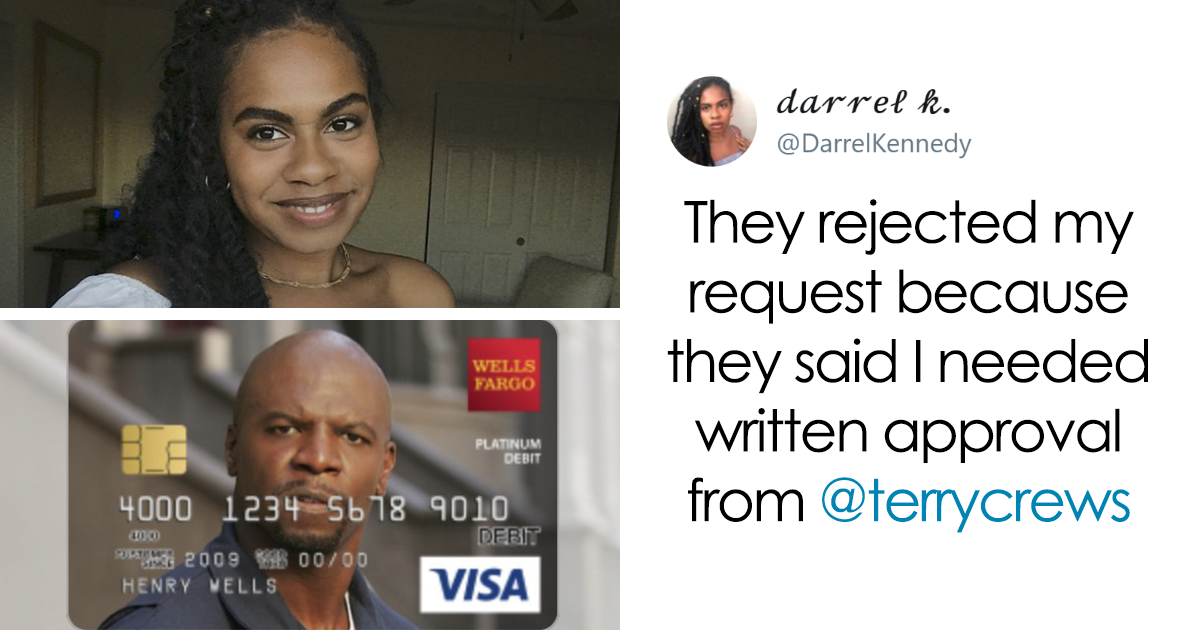
But getting a bank card with Terry Crews on it was not as easy as uploading a funny picture and calling it a day. The bank reportedly rejected the request because the customer needed written permission from Crews. So the customer took the most modern path possible: she asked the internet to help tag him. And because Terry Crews is apparently the human version of a golden retriever wearing a superhero cape, he responded with approval.
That viral moment turned a simple custom debit card into a perfect lesson about celebrity likeness, personal branding, banking rules, social media magic, and why your financial habits may improve dramatically when a disappointed sitcom dad is printed directly on your plastic.
The Viral Story Behind The Terry Crews Bank Card
The original story began with Darrel Kennedy, a Los Angeles resident who wanted a new Wells Fargo debit card with Terry Crews’ face on it. The image choice was not random. Crews played Julius Rock on Everybody Hates Chris, a character beloved for being hilariously strict about money. Julius could calculate the cost of breathing too loudly near an open refrigerator. He was the patron saint of “turn that light off.”
Kennedy’s idea was simple and brilliant: put Julius on the card so every purchase came with emotional supervision. Buying groceries? Fine. Buying a fifth iced coffee because the first four did not understand your soul? Julius is watching. Adding overnight shipping because patience is apparently extinct? Terry Crews’ face may have something to say about that.
When she submitted the custom card design, Wells Fargo reportedly said no unless she could get written approval from Crews. That might sound overly formal for a meme-worthy debit card, but it makes sense. Banks have to care about copyright, trademarks, publicity rights, brand safety, and whether a card design might imply an endorsement that does not exist.
So Kennedy asked people online to retweet and tag Terry Crews. The internet did what the internet occasionally does best: it turned chaos into customer service. Crews saw the request and publicly approved it with the unforgettable line, “I approve. Signed, Terry Crews.” The bank later moved the request forward, and the story became a tiny masterpiece of internet-era problem solving.
Can You Really Put Terry Crews On Your Bank Card Today?
Here is the honest answer: maybe in the spirit of the original story, but not necessarily through the same process today. Custom card programs change over time, and banks can reject designs for many reasons. Wells Fargo’s current Card Design Studio lets eligible customers customize certain debit, credit, or business debit cards using a personal image, a business logo, or an image from its gallery. However, its current credit-card design page says Wells Fargo may reject artwork, images, or logos, including third-party trademarks, copyrighted materials, and the name, image, and likeness of public figures.
That means a Terry Crews bank card is not something you should assume will be approved now, even if you are the world’s most enthusiastic Brooklyn Nine-Nine fan. The 2017 viral story worked because Crews gave public permission and the bank apparently considered that enough at the time. Today, many banks are more cautious about celebrity images, public figures, copyrighted photos, and anything that could suggest endorsement.
Still, the story is useful because it shows the general path anyone would need to follow when trying to personalize a bank card with a celebrity image: choose an eligible custom card program, use an image you have rights to, get permission from the person whose likeness appears, and understand that the bank has final say.
Step-By-Step: How Someone Got A Bank Card With Terry Crews On It
Step 1: Choose A Bank That Offers Custom Card Designs
The first requirement is obvious but important: your bank must actually offer custom card designs. Not all banks do. Some let you choose from a small gallery of approved designs. Others allow personal photos. Some restrict customization to debit cards, while others offer it on certain credit cards or business cards.
In the Terry Crews story, the bank involved was Wells Fargo, which has offered a Card Design Studio service. Eligible cardholders can personalize the look of certain cards by uploading an image, using a business logo, or choosing from a gallery. The service is designed for customers who want a card that reflects a personal interest, business identity, hobby, pet, family moment, or other approved visual.
Before dreaming of a Hollywood-approved card, check whether your card is eligible. Many customization programs require an activated card, online banking access, and an account in good standing. In plain English: if your account is already giving the bank a migraine, it probably will not hand you the keys to the design studio.
Step 2: Pick An Image That Fits The Rules
This is where the fun meets the fine print. Banks do not let customers upload just anything. They commonly reject offensive images, violent content, political messaging, copyrighted materials, famous logos, public figures, celebrities, cartoon characters, and photos that do not belong to the customer.
If you want a bank card with Terry Crews on it, the image itself matters. A random screenshot from a TV show may involve multiple rights: Terry Crews’ likeness, the photographer or studio’s copyright, the show’s intellectual property, and possibly network or production-company ownership. That is a lot of legal baggage for one tiny piece of plastic.
The safest custom card images are usually personal photos you took yourself, original artwork you created, a pet photo, a family picture, or a business logo you own. A celebrity image is much harder because you are not only dealing with the picture; you are dealing with the recognizable person in the picture.
Step 3: Get Written Permission From The Celebrity
In Kennedy’s case, Wells Fargo reportedly asked for written approval from Crews. That is the part that turned the story into internet gold. Instead of giving up, she took her request to social media. Crews responded publicly, and that approval became the key that pushed the card design forward.
For everyday people, getting celebrity permission is usually the hard part. Famous people are not sitting around waiting to approve debit card designs between protein shakes and movie shoots. Even if they are friendly, their image may be managed by agents, attorneys, studios, or licensing teams.
If you ever try something similar, do not assume a like, emoji, or fan reply is enough. A bank may ask for a clear written statement that identifies the person, confirms permission, and describes the allowed use. A public tweet worked in this famous story, but that does not mean every bank today would treat a social media reply as sufficient documentation.
Step 4: Submit The Design Through The Official Card Tool
Once the image and permission are ready, the next step is to use the bank’s official customization tool. This usually means logging into online banking, selecting the eligible card, uploading the image, cropping it, previewing it, and submitting it for review.
This is also where people often discover that “perfect image” does not always mean “perfect card.” The chip, card number, logo, expiration date, and payment network mark may cover part of the picture. A design that looks hilarious on your laptop may look like a blurry potato once squeezed into card format. Choose a high-resolution image with enough open space so the important part does not disappear behind the chip.
If your dream is a Terry Crews card, the face should be clear, the design should not interfere with card details, and the image should be appropriate for public use. Remember, your bank card comes out at grocery stores, restaurants, gas stations, airports, and awkward first dates. Choose accordingly.
Step 5: Wait For Approval, Rejection, Or A Very Polite “Absolutely Not”
After submission, the bank reviews the design. If it approves the image, the card is produced and mailed. If it rejects the image, you may receive a reason or be asked to submit a different design. Sometimes the bank may request additional documentation.
In the Terry Crews case, the bank reportedly moved the request forward after Crews gave permission. But approval is never guaranteed. Banks reserve the right to reject designs, even if the customer thinks the image is harmless. Their job is not to understand your meme lifestyle; their job is to reduce legal and brand risk.
Why Terry Crews Was The Perfect Face For A Debit Card
Terry Crews is not just any celebrity. He has a rare public image: strong but silly, disciplined but warm, intimidating in appearance yet famously good-natured. That combination made the debit card idea funny instead of creepy.
His role as Julius Rock made the concept even better. Julius is one of television’s funniest budget-conscious dads. He knows exactly how much everything costs. He can sense a wasted penny from three rooms away. He treats unnecessary spending like a personal betrayal. Putting that face on a debit card is basically turning every checkout counter into a sitcom intervention.
Crews’ own public personality also helped the story spread. Fans already knew him from Everybody Hates Chris, White Chicks, Brooklyn Nine-Nine, Old Spice commercials, action films, and later hosting work. He is the kind of celebrity people root for, which made the approval feel wholesome rather than transactional.
Most celebrity card requests would feel like fandom. This one felt like budgeting with a punchline.
The Money Lesson Hidden Inside The Meme
Behind the comedy, there is a real personal finance idea here: friction helps people spend less. If your debit card makes you pause before buying something, that pause can be powerful. Behavioral finance often comes down to interrupting automatic habits. A funny image, a note in your wallet, a separate savings account, or a budgeting app alert can all create a tiny speed bump between impulse and purchase.
The Terry Crews card works as a symbol because it turns spending into a moment of self-awareness. You reach for the card, see the face, and suddenly hear an imaginary voice saying, “Do you need that?” Sometimes the answer is yes. Rent, groceries, medicine, and emergency car repairs do not care about your aesthetic debit card. But when the purchase is another novelty mug, a limited-edition candle, or a subscription you forgot you already had, the pause matters.
A custom card alone will not fix a budget. But it can support better habits when paired with simple systems: automatic savings, spending alerts, weekly account reviews, and a realistic fun-money category. The goal is not to shame yourself every time you spend. The goal is to become aware enough to spend on purpose.
What To Do If You Want A Custom Celebrity-Inspired Card
Use Original Art Instead Of A Real Photo
If a bank will not approve a public figure’s likeness, consider original artwork that captures a mood without copying a celebrity image. For example, instead of Terry Crews’ actual face, you might use a bold illustrated character holding a calculator, a stern cartoon wallet guardian, or a text-based design that says, “Julius would ask for a receipt.”
Be careful not to copy copyrighted characters, show logos, or famous catchphrases too closely. The goal is inspiration, not infringement. A funny, original budgeting mascot may have a much better chance of approval than a celebrity screenshot.
Choose A Personal Accountability Image
You can also use a personal photo that reminds you of a financial goal. A picture of your dream vacation, future home, pet, family, graduation cap, or small business logo can work beautifully. It may not have Terry Crews’ eyebrow power, but it can still help you remember why you are saving.
A good custom bank card design should make you smile and think. It should not create legal confusion or get rejected after a week of waiting. The best design is one your bank approves and your future self appreciates.
Read The Bank’s Image Guidelines First
Before submitting any design, read the image rules. Yes, reading bank guidelines is less fun than watching Terry Crews flex in an Old Spice commercial, but it saves time. Look for restrictions on public figures, copyrighted content, trademarks, brand names, political material, explicit content, and image quality.
If your bank says it does not approve public figures, believe it. Do not waste three attempts uploading the same celebrity photo with slightly different cropping. The review team will not suddenly say, “Actually, now that his left ear is centered, we love it.”
Experience Section: What It Feels Like To Carry A Card That Judges Your Spending
Imagine standing in line at a store with a basket full of items you technically do not need. Not illegal items. Not irresponsible in a dramatic movie-trailer way. Just small purchases: snacks, a gadget, a shirt that looks suspiciously like three shirts you already own, and a fancy notebook you swear will finally organize your life. Then you pull out your bank card, and there he is: Terry Crews, staring back with the energy of a man who knows exactly how much electricity costs when someone leaves the hallway light on.
That is the magic of the Terry Crews bank card idea. It transforms a normal payment into a tiny comedy sketch. The cashier does not know your internal monologue. The person behind you just wants the line to move. But you, the cardholder, are suddenly in a one-person courtroom where Judge Julius Rock is asking whether this purchase is necessary, wise, or just the result of being hungry near a sale rack.
The experience would probably be funny at first. You would show the card to friends. Someone would laugh. Someone else would immediately ask how to get one. A third person would say, “That would actually stop me from spending money,” while holding a $9 drink they did not plan to buy. The card becomes a conversation starter, a meme in your wallet, and a daily reminder that money has a way of disappearing when nobody is looking.
After the novelty wears off, the card might become even more useful. The best financial reminders are not always severe. Sometimes they work because they are personal and funny. A harsh warning can make budgeting feel like punishment. A Terry Crews card makes it feel like a joke you are sharing with yourself. That difference matters. People are more likely to stick with habits that feel human, not miserable.
There is also something satisfying about turning a bank product into a personality statement. Most debit cards look nearly identical: logo, chip, numbers, neutral color, corporate seriousness. A custom card says, “Yes, I participate in the banking system, but I will be bringing a sitcom dad with me.” It adds humor to a routine object. It makes spending visible. It gives your wallet a tiny bit of theatrical flair.
Of course, the card would not magically create financial discipline. If someone truly wants to overspend, not even Terry Crews printed in high resolution can stop them. You can still tap, swipe, insert, and financially disappoint yourself with remarkable speed. But the card can create a pause, and that pause is the opening where better decisions happen. Maybe you remove one item from the cart. Maybe you transfer money to savings later. Maybe you laugh, buy the thing anyway, and at least admit that Julius warned you.
The deeper experience is not about celebrity worship. It is about designing your environment so your goals are easier to remember. People put sticky notes on mirrors, motivational quotes on phone screens, and savings goals on spreadsheets. A Terry Crews bank card belongs in that same family, except it has better comedic timing and much stronger shoulders.
If you cannot get the real Terry Crews card approved today, you can still borrow the principle. Put a meaningful image on your card. Use a picture that reminds you of what you are building. Make your financial tools less boring and more intentional. Whether that image is a vacation destination, your dog, your business logo, or an original cartoon budget bodyguard, the point is the same: every purchase should get a moment of thought before your money leaves the building.
Final Thoughts
The story of how someone got a bank card with Terry Crews on it is funny because it feels impossible and completely logical at the same time. Of course a bank would ask for permission. Of course the internet would tag him. Of course Terry Crews would respond like a legend. And of course a stern image of Julius Rock might make anyone think twice before buying something unnecessary.
For anyone hoping to recreate the idea, the real lesson is this: custom bank cards are possible, but celebrity images come with rules. You need an eligible card, an approved design tool, the right to use the image, and sometimes clear written consent. Even then, the bank can reject the design under its current policies.
So no, you cannot simply slap Terry Crews on a debit card and expect the banking universe to applaud. But you can appreciate the genius of the original story, learn from the process, and create a card that makes your own spending habits a little more intentional. And if your custom card can make you laugh before you spend, that may be worth more than another impulse purchase.
Note: This article is for informational and entertainment purposes only. Custom card approval rules vary by bank and may change over time. This is not legal, banking, or financial advice.