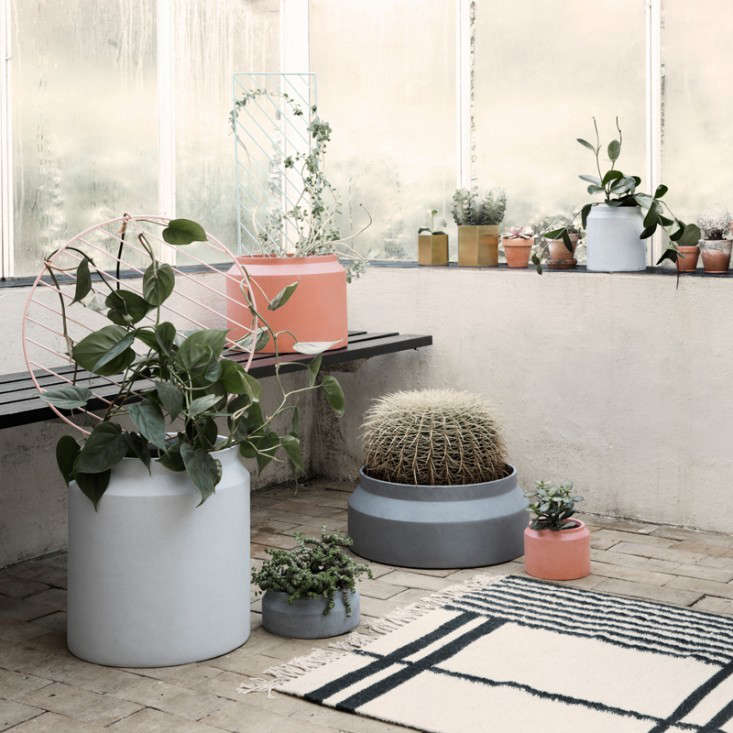

Living with plants is no longer just a decorating trick for people who own linen sofas, handmade ceramic mugs, and suspiciously perfect morning light. It has become a practical, beautiful, and surprisingly forgiving way to make a home feel alive. Whether you have a sunny loft, a tiny apartment, a rented bedroom, or a kitchen windowsill that barely qualifies as real estate, plants can turn ordinary rooms into places that breathe, soften, and quietly show off.
The Gardenista-style approach to indoor greenery is simple: treat plants as living design elements, not green accessories you bought on impulse while avoiding emails. A houseplant is part sculpture, part pet, part weather report, and part roommate. It tells you when the light is wrong, when the air is dry, when the pot is too small, and occasionally when you have been over-loving it with a watering can.
Why “Living with Plants” Keeps Trending
The phrase living with plants feels fresh because it is broader than “buy a monstera and hope for the best.” It means designing a home around greenery in a way that fits your routines, your light, your rooms, and your patience level. Gardenista’s indoor plant stories often highlight this shift: plants are not just filler for an empty corner; they can shape the mood of a room, create softness in hard-edged spaces, and make apartments feel closer to gardens.
Urban living has a lot of hard surfaces: glass, tile, concrete, laptops, phones, and furniture that arrives in boxes with confusing little screws. Plants interrupt all that straight-line seriousness. A trailing pothos brings movement to a shelf. A snake plant adds architecture without demanding applause. A fern in the bathroom makes the room feel less like a tile cave and more like a secret spa, even if the “spa” includes laundry on the floor.
The trend also works because it is scalable. One pot of basil on a windowsill counts. So does a full indoor jungle. You do not need a greenhouse, a yard, or a personality built entirely around compost. You need a realistic plan, a little observation, and the courage to admit that not every plant belongs in every room.
The Gardenista Rule: Match the Plant to the Place
The biggest secret to successful houseplant care is not mystical. It is not whispering encouragement to your fiddle-leaf fig, although no judgment if you do. The secret is matching each plant to the conditions you actually have. Light, humidity, temperature, soil, container size, and water habits all matter.
A tropical plant that evolved under a warm forest canopy will not behave like a desert succulent. A cactus wants bright light and fast drainage. A calathea wants more consistent moisture and humidity. A ZZ plant can tolerate lower light and irregular watering better than many dramatic leafy divas. A fern may look romantic on your bookshelf, but if that shelf sits beside a heater vent, the romance may be brief.
Start with light, not looks
Light is usually the limiting factor indoors. Even a bright room is much dimmer than outdoor shade. Before choosing plants, notice your windows. South-facing windows in the Northern Hemisphere usually provide the strongest light. East-facing windows offer gentle morning sun. West-facing windows can be bright and warm in the afternoon. North-facing windows tend to be lower and steadier in light.
Once you know the light, choose plants that can thrive there. Low-light tolerant plants such as snake plant, ZZ plant, pothos, philodendron, Chinese evergreen, and certain dracaenas can handle less-than-perfect corners. Bright-light plants such as succulents, cacti, herbs, and many flowering indoor plants need more sun. The wrong match leads to stretched stems, dropped leaves, weak growth, or a plant that quietly looks offended.
Designing with Houseplants Like a Pro
Great indoor planting is not about owning the rarest plant with the most dramatic name. It is about composition. Think height, texture, repetition, contrast, and rhythm. In plain English: do not put six similarly sized green blobs in a row and expect magic.
Use plants as living sculpture
A large plant can act like furniture. A rubber plant, fiddle-leaf fig, palm, bird of paradise, or mature monstera can anchor a room the way a floor lamp or accent chair would. Place it where it has breathing room. Give the pot visual weight. A sculptural plant in a handsome container can make a corner feel intentional instead of forgotten.
Layer heights and leaf shapes
Combine upright plants, trailing plants, and compact tabletop plants. A tall snake plant beside a low pilea and a trailing pothos creates depth. Mix glossy leaves with matte leaves, tiny leaves with broad leaves, and upright forms with cascading stems. The goal is not chaos; it is a green conversation where every plant gets a line.
Let containers do design work
Pots matter. A nursery pot slipped into a basket says relaxed and natural. A terra-cotta pot says warm and classic. A matte ceramic planter says modern and calm. Just remember that beauty must cooperate with drainage. A gorgeous pot with no drainage hole can become a root-rot bathtub. Use a nursery pot inside a decorative cachepot, and remove extra water after watering.
Watering: The Most Common Plant Drama
Most houseplant heartbreak begins with water. Specifically, too much of it. Overwatering is less about giving a plant one big drink and more about watering too frequently, leaving soil soggy, or letting roots sit in standing water. Roots need oxygen. When potting mix stays soaked, roots can rot, and the plant may yellow, wilt, smell musty, or attract fungus gnats.
The best watering schedule is not “every Saturday because the calendar said so.” The better method is to check the soil. Push a finger about an inch into the potting mix. If it feels dry at that depth, many common houseplants are ready for water. If it still feels damp, wait. For succulents and cacti, let the mix dry more thoroughly. For moisture-loving tropical plants, avoid letting the soil become bone dry for long periods.
Water thoroughly, then let it drain
When a plant needs water, give it a full drink until water flows from the drainage hole. Then let the pot drain completely. Empty the saucer afterward. A sip here and a splash there can leave the deeper roots thirsty while the surface looks damp. Plants are not impressed by symbolic hydration.
Adjust by season
Plants usually grow more actively in spring and summer, so they may need more frequent watering. In fall and winter, many indoor plants slow down, especially in cooler or darker rooms. Less growth usually means less water and less fertilizer. The plant is resting, not ghosting you.
Humidity, Temperature, and the Indoor Jungle Myth
Many popular houseplants are tropical, which means they appreciate moderate humidity and stable temperatures. Most homes, especially in winter, are drier than tropical plants prefer. Still, that does not mean you must turn your living room into a rainforest and start charging admission.
A portable humidifier can help in dry rooms. Grouping plants may create a slightly more comfortable microclimate. Bathrooms and kitchens can be good spots for humidity-loving plants if they also provide enough light. Avoid placing plants near hot air vents, radiators, fireplaces, air conditioners, or cold drafts. Plants dislike sudden temperature swings almost as much as people dislike stepping on a dropped LEGO.
Misting has a complicated reputation. It may briefly increase moisture on leaf surfaces, but it does not replace proper watering or provide lasting humidity. For many homes, steady care matters more than daily spritzing. If misting makes you happy, fine; just do not confuse it with a complete plant-care strategy.
Soil, Fertilizer, and Repotting Without Panic
Potting mix is not just “dirt in a bag.” Indoor plants need a medium that holds some moisture while allowing air and drainage. Heavy mixes stay wet longer. Loose mixes with materials such as bark, perlite, or sand drain faster. Succulents and cacti need sharper drainage. Tropical foliage plants often prefer a general indoor potting mix that stays lightly moist but not soggy.
Fertilizer is useful during active growth, but it is not a magic potion. A plant struggling because of poor light or overwatering will not be rescued by extra fertilizer. In fact, fertilizer can make stress worse if salts build up in the soil. Feed lightly during spring and summer, reduce or pause feeding in winter, and always follow label directions.
Repot when roots circle tightly around the pot, water runs straight through, growth stalls despite good care, or the plant becomes top-heavy. Move up only one pot size at a time. A tiny plant in a giant pot often sits in excess wet soil, which is basically the plant version of wearing shoes five sizes too big in a rainstorm.
Best Indoor Plants for Real Homes
For beginners, the best houseplants are attractive, adaptable, and not personally offended by a missed watering. Here are reliable choices for a Gardenista-inspired indoor garden.
Snake plant
Snake plant is upright, architectural, and tolerant of lower light. It prefers to dry between waterings and works beautifully in bedrooms, entryways, and offices.
ZZ plant
The ZZ plant has glossy leaves and a calm personality. It handles lower light and infrequent watering, making it excellent for busy people and anyone who travels.
Pothos
Pothos is a trailing classic. It grows on shelves, bookcases, and hanging planters, and cuttings root easily in water or soil. It is the plant that says, “We can rebuild.”
Philodendron
Heartleaf philodendron and related varieties are forgiving, graceful, and perfect for softening shelves or training up supports.
Monstera
Monstera is dramatic and photogenic, but it needs space, bright indirect light, and support as it matures. Buy it because you can care for it, not because the internet told you it is a personality.
Herbs
Basil, mint, parsley, thyme, and chives can grow indoors if they receive enough bright light. Kitchen herbs bring fragrance, flavor, and the pleasant illusion that dinner is about to become organized.
Pet Safety and Plant Choices
If you live with cats, dogs, or curious small children, plant selection matters. Some common houseplants can be toxic if chewed or swallowed. Lilies are especially dangerous for cats, while plants such as sago palm, aloe, pothos, philodendron, dieffenbachia, and many euphorbias can cause problems for pets. Always check a reliable toxic and non-toxic plant database before bringing a new plant home.
Pet-friendly options often include spider plant, calathea, prayer plant, parlor palm, peperomia, and African violet, though individual pets may still chew anything that looks like salad. Place plants out of reach, use sturdy pots, and avoid soil toppings that pets might dig through. A stylish indoor jungle is less charming when your cat believes it is a personal salad bar.
Do Houseplants Clean the Air?
Houseplants can make rooms feel fresher, calmer, and more welcoming, but it is important to be honest about air-quality claims. Laboratory studies have shown that plants can interact with certain chemicals under controlled conditions, but a reasonable number of houseplants in a typical home is not proven to remove significant amounts of indoor pollutants. Good ventilation, source control, cleaning, and moisture management matter more for indoor air quality.
That does not make houseplants useless. Their value is bigger than a science-fair headline. They add beauty, texture, routine, seasonal awareness, and a small daily reason to look away from a screen. That may be the real magic: not purified air by the gallon, but a home that feels more cared for.
Small-Space Living with Plants
You do not need a spare room for plants. Small-space gardening is often more creative because every surface has to earn its keep. Use vertical space with hanging planters, wall shelves, trellises, and plant stands. Place compact plants on windowsills. Grow herbs under a small grow light. Let one large plant become the room’s green focal point instead of scattering many tiny pots everywhere.
In apartments, plant care should be practical. Keep a small watering can, pruning snips, microfiber cloth, and moisture meter or chopstick nearby. Use trays under pots. Choose lightweight planters if you move plants often. If natural light is weak, add full-spectrum grow lights with timers. The timer is important because humans forget. Plants do not forget; they simply file a complaint in yellow leaves.
Propagation: The Joy of Free Plants
Propagation is one of the most satisfying parts of living with plants. Many common houseplants, including pothos, philodendron, monstera, rubber plant, and string of pearls, can grow from cuttings if taken correctly. Use clean scissors or pruning shears, cut below a node, and root the cutting in water or a suitable potting medium.
Not every plant propagates well from stem cuttings. Aloe often does better from offsets. Calathea and many prayer plants are usually propagated by division. Ferns can be trickier. Before cutting, learn the plant’s preferred method. Propagation should feel like gardening, not a crime scene.
Sharing cuttings with friends is also a charming way to build community. A plant cutting carries a story. It says, “Here, take this tiny green thing and become emotionally invested.” That is friendship with roots.
Common Houseplant Mistakes to Avoid
Buying before observing
Do not buy a plant before knowing where it will live. A beautiful plant in the wrong room becomes expensive compost with leaves.
Watering on autopilot
Check soil, light, pot size, and season. The plant’s needs change throughout the year.
Ignoring drainage
Decorative pots are lovely, but roots need oxygen. Use drainage holes or a removable nursery pot inside a cachepot.
Overcrowding
Plants need air circulation. A crowded shelf may look lush for photos but can encourage pests and disease.
Expecting perfection
A yellow leaf does not mean failure. Plants grow, age, shed, lean, stretch, and adapt. So do people, though people usually complain more loudly.
Experience: What Living with Plants Teaches You
Living with plants changes the way you notice a home. At first, you may think you are decorating. You buy one plant for a corner that looks empty. Then you realize the corner is too dark, so the plant moves to the window. Then the window ledge looks lonely, so a smaller plant joins it. Then you discover propagation, and suddenly your kitchen counter becomes a tiny botanical laboratory with jars of cuttings lined up like a very polite science experiment.
The first lesson is patience. Plants do not operate on human deadlines. A leaf unfurls when it is ready. Roots grow invisibly before anything exciting happens above the soil. This is mildly rude if you prefer instant results, but it is also calming. Plants remind you that progress can be quiet. Sometimes growth looks like nothing for weeks, and then one morning there is a new leaf, shiny and dramatic, as if the plant hired a publicist overnight.
The second lesson is attention. Houseplants reward observation more than perfection. You learn which pot dries fastest, which window is too harsh in summer, which plant leans toward the light, and which one sulks when moved. You start reading leaves the way some people read weather reports. Curling leaves, pale stems, crispy edges, soft yellowing, sticky residue, slow growtheach sign tells a story. The plant is not being difficult. It is communicating in plant, which is mostly silence with visual aids.
The third lesson is restraint. Many new plant lovers kill with kindness. They water too often, fertilize too much, repot too quickly, and move plants around like furniture in a panic. Over time, you learn that care is not the same as constant interference. Sometimes the best thing you can do is wait three more days before watering. Sometimes the heroic move is to stop fussing.
The fourth lesson is design humility. Plants grow out of the shapes we assign them. A tidy trailing vine becomes a curtain. A compact monstera becomes a roommate. A snake plant sends up new shoots exactly where it wants, not where your styling plan suggested. Living with plants means allowing a room to evolve. The home becomes less staged and more alive.
Finally, plants make a space feel personal. A cutting from a friend, a rescued grocery-store orchid, a basil plant that somehow survived winter, or a fern that finally forgave you for the heater incident can become part of the home’s memory. That is why the trend lasts. Living with plants is not just about greenery. It is about creating a home that feels watched over, softened, and rooted in daily care.
Conclusion
Trending on Gardenista: Living with Plants is really about living more thoughtfully. Houseplants bring design, nature, patience, and personality into everyday rooms. The best indoor garden is not the biggest or rarest. It is the one that fits your light, your schedule, your pets, your space, and your willingness to learn.
Start small. Choose plants that match your home. Water when the soil asks, not when the calendar nags. Use containers with drainage. Give plants enough light. Accept a few crispy leaves as tuition. With time, your home can become greener, softer, and more alivewithout requiring you to become a full-time jungle manager.