
Note: This article is written as original, publish-ready content synthesized from established American cooking techniques, food-safety guidance, and widely used fried chicken sandwich methods.
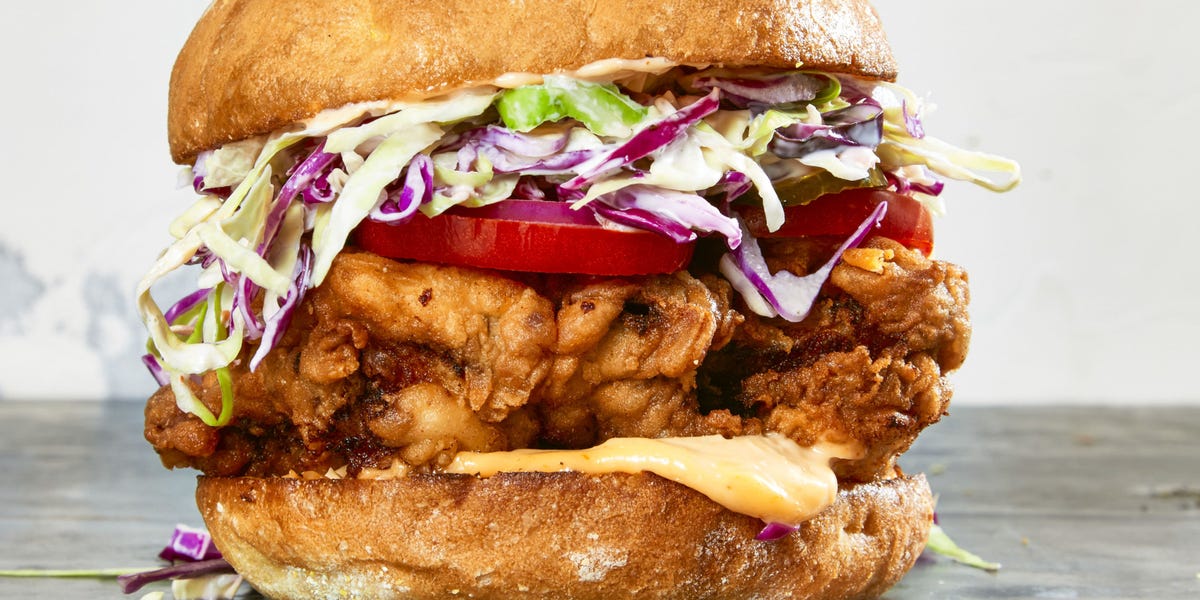
There are sandwiches, and then there are ultimate fried chicken sandwichesthe kind that make conversation stop, eyes widen, and someone at the table quietly wonder whether it would be rude to lick the plate. A great fried chicken sandwich is not just a piece of chicken in a bun. That would be sandwich laziness, and we are not here for that. We are here for juicy chicken, an outrageously crispy crust, tangy pickles, creamy sauce, a toasted bun, and enough crunch to make your lunch sound like applause.
The beauty of a homemade fried chicken sandwich is that you control every delicious detail. You can make it mild and buttery, spicy enough to make your eyebrows reconsider their life choices, or somewhere in the golden middle. The secret is balance: tender meat, seasoned coating, hot oil, a smart sauce, and toppings that add brightness instead of chaos. Done right, this sandwich is crispy, juicy, salty, tangy, creamy, and fresh all at once.
What Makes the Ultimate Fried Chicken Sandwich?
The best crispy chicken sandwich has three jobs. First, the chicken must be juicy from edge to edge. Second, the crust must stay crisp even after meeting sauce, pickles, and a bun. Third, every bite needs contrast. Fried chicken is rich, so it needs acidic pickles, a little heat, and something cool or crunchy to keep it exciting.
Many great American fried chicken sandwich recipes rely on the same core ideas: brine or marinate the chicken, create a rugged flour coating, fry at a controlled temperature, and assemble quickly while the chicken is still hot. It sounds simple, but every step matters. Skip the marinade and the chicken tastes flat. Rush the dredge and the crust falls off like a bad toupee. Fry in oil that is too cool and the sandwich turns greasy. Fry too hot and the crust gets dark before the chicken finishes cooking. The sandwich is forgiving, but it does have standards.
The Best Chicken Cut: Thighs or Breasts?
For the juiciest homemade fried chicken sandwich, boneless skinless chicken thighs are hard to beat. Thigh meat has more fat and flavor, which helps it stay moist during frying. It also fits nicely into a sandwich without requiring much trimming. Chicken breasts work too, especially if you prefer a leaner sandwich, but they should be sliced into cutlets or gently pounded to an even thickness. Uneven chicken is the villain of fried chicken sandwiches: one side is dry, the other is undercooked, and everyone is disappointed.
If using chicken breasts, aim for pieces about 1/2 inch thick. If using thighs, trim any large loose pieces so the meat fits the bun. The goal is not perfection. A slightly irregular shape is actually helpful because the craggy edges become extra crispy. Consider them bonus crunch coupons.
Buttermilk, Pickle Brine, or Both?
A flavorful marinade is where the sandwich begins. Buttermilk fried chicken is popular because buttermilk brings gentle acidity, tang, and moisture. It helps season the meat and gives the flour coating something to cling to. Pickle brine is another smart move because it adds salt, acidity, and that unmistakable deli-style punch that makes fried chicken taste built for a bun.
For an ultimate version, use both. A mixture of buttermilk, pickle juice, hot sauce, garlic powder, paprika, black pepper, and salt gives the chicken a bold but balanced flavor. Marinate for at least 2 hours, or overnight if you have time. Overnight marinating makes the chicken deeply seasoned without requiring complicated ingredients. It is the culinary equivalent of letting the fridge do your homework.
Simple Marinade Formula
- 1 cup buttermilk
- 1/2 cup dill pickle juice
- 1 tablespoon hot sauce
- 1 teaspoon kosher salt
- 1 teaspoon garlic powder
- 1 teaspoon smoked paprika
- 1/2 teaspoon black pepper
This amount works well for about 4 chicken thighs or 4 chicken breast cutlets. Keep the chicken covered and refrigerated while marinating.
The Crunchy Coating: Where the Magic Happens
The crust is the personality of the sandwich. A plain flour coating can work, but an ultimate sandwich deserves more texture. A mix of all-purpose flour and cornstarch creates a lighter, crispier shell. Baking powder adds lift and helps the crust fry up with a rugged, crunchy surface. Seasoning the flour is non-negotiable. If the coating tastes like plain flour, the sandwich will taste like regret wearing a bun.
For extra crunch, drizzle a few tablespoons of the buttermilk marinade into the flour mixture and rub it with your fingers until little clumps form. Those clumps fry into crispy ridges. This is one of the most important fried chicken techniques for a dramatic, restaurant-style crust.
Ultimate Dredge Mix
- 1 1/2 cups all-purpose flour
- 1/2 cup cornstarch
- 1 teaspoon baking powder
- 1 teaspoon kosher salt
- 1 teaspoon paprika
- 1 teaspoon garlic powder
- 1/2 teaspoon onion powder
- 1/2 teaspoon cayenne pepper, optional
- 1/2 teaspoon black pepper
Press the chicken firmly into the dredge. Do not politely dust it like you are applying face powder. Really press the coating onto the meat so it sticks. Then place the coated chicken on a wire rack for 10 to 15 minutes before frying. This short rest helps hydrate the flour and keeps the crust attached.
How to Fry Chicken for Sandwiches
Use a heavy Dutch oven, deep skillet, or cast-iron pan. Add enough neutral oil to reach about 1 1/2 to 2 inches deep. Peanut, canola, vegetable, or sunflower oil all work well. Heat the oil to 350°F before adding the chicken. Once the chicken goes in, the temperature will drop, so adjust the heat to keep the oil around 325°F to 350°F while frying.
Fry in small batches. Crowding the pan lowers the oil temperature and leads to greasy chicken. Each piece usually takes 5 to 8 minutes depending on thickness. The safest way to know it is done is to use an instant-read thermometer. Chicken should reach 165°F at the thickest part. Guessing by color alone is risky because crust can brown before the center is fully cooked.
After frying, transfer the chicken to a wire rack instead of paper towels. Paper towels trap steam underneath the crust, which can soften the bottom. A rack keeps air moving so the crust stays crisp. Sprinkle the chicken with a tiny pinch of salt while it is hot. It is a small move with big flavor energy.
The Bun Matters More Than People Admit
A fried chicken sandwich needs a bun that is soft but not weak. Brioche buns are popular because they are buttery and slightly sweet, but potato rolls are also excellent because they are tender, sturdy, and classic. Avoid dry, oversized buns that make the chicken feel like it is renting a room inside a bread mansion.
Always toast the bun. A lightly buttered, toasted bun adds flavor and creates a barrier against sauce. Toasting also gives the sandwich structure, which is important because fried chicken sandwiches can become slippery little flavor machines. A good bun holds everything together without stealing the spotlight.
Sauce: The Creamy Glue That Brings It Together
The best sauce for ultimate fried chicken sandwiches is creamy, tangy, and a little spicy. Spicy mayo is the classic choice because it takes about one minute to make and tastes like you planned ahead. Combine mayonnaise, hot sauce, pickle juice, a little honey, garlic powder, and black pepper. The honey is optional, but it rounds out the heat and gives the sauce a subtle sweet finish.
Quick Spicy Pickle Mayo
- 1/2 cup mayonnaise
- 1 tablespoon hot sauce
- 1 tablespoon pickle juice
- 1 teaspoon honey
- 1/2 teaspoon garlic powder
- Black pepper to taste
For a smoky version, add a pinch of smoked paprika. For a hotter version, stir in cayenne or chopped pickled jalapeños. For a cooler version, mix mayo with ranch seasoning, lemon juice, and chopped herbs.
Pickles, Slaw, Lettuce, and Other Toppings
Pickles are not optional. They cut through the richness and make every bite brighter. Dill pickles are sharp and classic, while bread-and-butter pickles bring sweet tang. A crunchy slaw is also excellent, especially if it is lightly dressed rather than drowning in mayo. Shredded cabbage, pickle juice, a little mayo, black pepper, and jalapeño make a fast slaw that belongs directly on the sandwich, not sadly waiting on the side.
Shredded iceberg lettuce can also work because it adds cold crunch. Tomato is acceptable, but only if it is ripe and not watery. Cheese is optional. American cheese adds creamy fast-food nostalgia, pepper jack adds heat, and cheddar adds sharpness. Still, the chicken should remain the main event. The toppings are the backup singers, not the lead vocalist.
Ultimate Fried Chicken Sandwiches Recipe
Ingredients
- 4 boneless skinless chicken thighs or chicken breast cutlets
- 1 cup buttermilk
- 1/2 cup dill pickle juice
- 1 tablespoon hot sauce
- 1 teaspoon kosher salt, plus more for finishing
- 1 teaspoon garlic powder
- 1 teaspoon smoked paprika
- 1/2 teaspoon black pepper
- 1 1/2 cups all-purpose flour
- 1/2 cup cornstarch
- 1 teaspoon baking powder
- 1/2 teaspoon onion powder
- 1/2 teaspoon cayenne pepper, optional
- Neutral oil, for frying
- 4 brioche buns or potato rolls, toasted
- Dill pickle slices
- Shredded lettuce or quick slaw
- Spicy pickle mayo
Instructions
- Marinate the chicken. In a bowl, whisk together buttermilk, pickle juice, hot sauce, salt, garlic powder, smoked paprika, and black pepper. Add chicken, cover, and refrigerate for at least 2 hours or up to overnight.
- Make the dredge. In a shallow dish, combine flour, cornstarch, baking powder, salt, paprika, garlic powder, onion powder, cayenne, and black pepper. Drizzle in 2 to 3 tablespoons of marinade and rub with your fingers to create small clumps.
- Coat the chicken. Remove chicken from marinade, letting excess drip off. Press firmly into the flour mixture until fully coated. Place on a wire rack and rest for 10 to 15 minutes.
- Heat the oil. Add oil to a heavy pan and heat to 350°F. Use a thermometer for best results.
- Fry the chicken. Fry 2 pieces at a time until deeply golden and cooked to 165°F inside, about 5 to 8 minutes depending on thickness. Transfer to a wire rack and season lightly with salt.
- Toast the buns. Butter the cut sides if desired, then toast until golden.
- Assemble. Spread spicy pickle mayo on both sides of each bun. Add pickles, hot fried chicken, slaw or lettuce, and the top bun. Serve immediately.
Flavor Variations Worth Trying
Nashville-Style Hot Chicken Sandwich
After frying, brush the chicken with a hot oil mixture made from cayenne, paprika, garlic powder, brown sugar, and a spoonful of the frying oil. Serve with pickles and a cooling mayo-based slaw. This version is bold, spicy, and not shy about making your drink work overtime.
Honey Butter Fried Chicken Sandwich
Mix softened butter with honey and a pinch of salt, then spread it on the hot chicken before assembling. Add pickles for balance. The result is sweet, salty, crispy, and dangerously easy to love.
Ranch Crunch Chicken Sandwich
Add ranch seasoning to the flour dredge and make a ranch mayo with lemon juice and chopped dill. Top with shredded lettuce and pickles. This version tastes like picnic food got promoted.
Common Mistakes to Avoid
The first mistake is frying cold chicken straight from the fridge. Let coated chicken sit briefly at room temperature while the oil heats so it fries more evenly. The second mistake is skipping the thermometer. Oil temperature changes constantly, and guessing is how crispy dreams become greasy reality. The third mistake is saucing too early. Assemble right before serving so the crust stays crunchy.
Another common problem is under-seasoning. The marinade and dredge both need flavor. Seasoning only the outside gives you a tasty crust and boring chicken underneath. Seasoning only the marinade gives you juicy meat with a bland coating. The best sandwich seasons every layer like it means business.
Serving Ideas
Serve fried chicken sandwiches with fries, potato chips, coleslaw, macaroni salad, corn on the cob, or a simple green salad. For drinks, lemonade, iced tea, sparkling water, or a cold soda all make sense. This is not the moment for complicated pairings. The sandwich already brought the drama.
If you are feeding a crowd, set up a sandwich bar. Keep fried chicken warm on a rack in a low oven, then offer buns, pickles, sauces, slaw, lettuce, cheese, and hot honey. People love building their own sandwiches, and it keeps you from playing short-order cook while everyone else has fun.
Storage and Reheating Tips
Fried chicken sandwiches are best eaten immediately, but leftovers can still be good. Store the chicken separately from buns and toppings. Refrigerate in an airtight container for up to 3 days. To reheat, use an oven or air fryer at 350°F until hot and crisp. Avoid microwaving if you care about crunch. The microwave is fast, but it turns crispy coating into a soft sweater.
Do not store assembled sandwiches unless absolutely necessary. Sauce and steam will soften the crust. If packing for later, keep the chicken, bun, sauce, and toppings separate, then assemble right before eating.
Experience Notes: What Cooking Fried Chicken Sandwiches Teaches You
Making ultimate fried chicken sandwiches at home is one of those cooking experiences that feels slightly chaotic the first time and deeply satisfying every time after. The first lesson is that preparation matters. Once hot oil is involved, you do not want to be searching for pickles, whisking sauce, or realizing your buns are still in the freezer. Fried chicken rewards the cook who sets up everything before the first piece hits the pan. Put the sauce in a bowl, slice the pickles, toast the buns, set out a wire rack, and keep the thermometer nearby. Suddenly the process feels less like a kitchen emergency and more like a small, delicious production line.
The second lesson is that sound and smell tell you a lot. When chicken enters properly heated oil, it should bubble actively but not violently. The smell should be savory and toasty, not smoky. If the crust browns too quickly, the oil is too hot. If the bubbling slows and the chicken looks pale, the oil is too cool. With practice, you start to recognize the rhythm. It is a little like learning music, except the final performance comes with pickles.
Another real-life discovery: bigger is not always better. A comically huge piece of chicken looks impressive for about ten seconds, right before it slides out of the bun and attacks your shirt. The best fried chicken sandwich has chicken that fits the bread and can be bitten cleanly. A slightly overhanging crispy edge is wonderful. A chicken cutlet the size of a steering wheel is a structural engineering problem.
Sauce placement also matters more than expected. A thin layer on both bun halves spreads flavor through the whole sandwich and helps toppings stay in place. Too much sauce, however, turns the bottom bun soggy. The goal is confident saucing, not mayonnaise flooding. Pickles should go under or over the chicken depending on your texture preference. Under the chicken, they season the bun and add tang immediately. Over the chicken, they keep their snap a little better.
The final experience lesson is that fried chicken sandwiches are social food. They are messy, loud, and impossible to eat with too much dignity. That is part of the charm. A good sandwich invites people to lean over the plate, laugh at the crunch, compare sauce levels, and negotiate who gets the last one. It is comfort food with personality. When you make it well, it does not just feed people; it creates a moment. And honestly, any recipe that can make a room quiet for the first bite and noisy right after is a recipe worth keeping.
Conclusion
The ultimate fried chicken sandwich is all about smart layers: marinated chicken, seasoned crunchy coating, controlled frying, a toasted bun, tangy pickles, and a sauce that pulls everything together. You do not need restaurant equipment or secret ingredients. You need patience, a thermometer, a good dredge, and the courage to make a little joyful mess. Once you master the basics, you can customize the sandwich endlessly with hot honey, slaw, ranch, cheese, jalapeños, or extra pickles. Just remember the golden rule: crispy chicken first, everything else second.