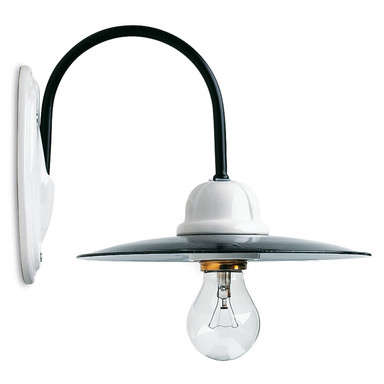

A wall lamp may be small, but it has a sneaky talent: it can change the entire mood of a room without demanding floor space, stealing a nightstand, or making the ceiling look like an airport runway. Add enamel or ceramic into the mix, and suddenly this humble fixture becomes more than a light source. It becomes texture, color, craftsmanship, and personality mounted neatly on the wall.
The phrase “wall lamp, enamel/ceramic” may sound like a product label from a design catalog, but it points to one of the most interesting corners of modern home lighting. Enamel wall lamps bring crisp color, glossy durability, and a slightly nostalgic charm. Ceramic wall lamps bring warmth, handcrafted character, and a sculptural quality that looks good even when the light is off. Together, they offer a practical and stylish answer for bedrooms, bathrooms, hallways, kitchens, reading nooks, entryways, and even covered outdoor spaces when the fixture is properly rated.
In a home where lighting can make the difference between “cozy retreat” and “dentist waiting room,” enamel and ceramic wall lamps deserve more attention. They are not just decorative accessories. They shape how a room feels, how tasks get done, and how materials interact with color, shadow, and architecture. In other words, they are tiny design directors with excellent manners.
What Is an Enamel or Ceramic Wall Lamp?
A wall lamp, often called a wall sconce, is a light fixture mounted directly to a vertical surface. Unlike a table lamp or floor lamp, it does not need furniture for support. Unlike a ceiling fixture, it brings light closer to eye level, which can make a space feel more intimate and layered.
An enamel wall lamp typically features a metal shade or body coated with a hard, glossy enamel finish. This finish can be white, black, cream, green, blue, red, or nearly any color a designer can dream up after too much coffee. Enamel is often associated with vintage factory lights, schoolhouse fixtures, farmhouse sconces, and clean industrial designs. Its smooth surface reflects light well and is generally easy to wipe clean.
A ceramic wall lamp, by contrast, is made with fired clay, porcelain, stoneware, or similar ceramic material. It may be glazed for shine, left matte for an earthy look, perforated for patterned light, or sculpted into organic forms. Ceramic sconces often feel warmer and more artisanal than metal fixtures. They can look modern, Mediterranean, coastal, rustic, minimalist, or gallery-like depending on the shape and finish.
Why Enamel and Ceramic Wall Lamps Are Popular
Enamel and ceramic lighting fits neatly into the current appetite for interiors that feel personal, tactile, and layered. Homeowners are moving away from flat, one-note rooms and toward spaces that combine function with texture. A ceramic sconce can add handmade softness to a clean white hallway. A glossy enamel wall lamp can bring color and vintage energy to a kitchen or mudroom. Both options make the wall do some design work instead of standing there like it forgot its lines.
They Save Space Without Looking Like a Compromise
Wall lamps are excellent in small rooms because they free up surfaces. In a bedroom, a pair of wall-mounted lamps can replace bulky bedside table lamps. In a narrow hallway, slim sconces add light without blocking movement. In a reading corner, an adjustable wall lamp can provide task lighting without needing a floor lamp that becomes best friends with your vacuum cleaner.
They Add Texture and Depth
Enamel gives a room shine, polish, and color. Ceramic adds texture, shadow, and a handcrafted feeling. These material qualities matter because lighting is not only about brightness. It is also about what the fixture contributes during the day, when it is turned off. A sculptural ceramic wall lamp can act like wall art. A deep green enamel shade can become the accent color that pulls the whole room together.
They Work With Modern LED Bulbs
Today’s best wall lamps are usually paired with LED bulbs or integrated LED technology. LEDs use much less energy than traditional incandescent bulbs, last longer, and come in a wide range of color temperatures. For enamel and ceramic wall lamps, this matters because the bulb choice can transform the fixture’s effect. A warm 2700K bulb can make ceramic feel cozy and candlelit, while a cooler bulb can make a glossy enamel shade look sharper and more task-oriented.
Enamel Wall Lamps: Gloss, Color, and Vintage Charm
Enamel wall lamps are loved for their practical beauty. The finish is usually smooth, reflective, and visually crisp. Many designs borrow from industrial, barn, nautical, schoolhouse, or workshop lighting. Picture a classic gooseneck sconce over a kitchen sink, a black enamel shade beside a back door, or a white enamel wall lamp in a laundry room. It is practical, but not boring. Think “hardworking with a good haircut.”
One reason enamel lamps perform so well is that their interiors are often light-colored or reflective. A white enamel interior can help bounce light downward or outward, making the fixture useful for task lighting. This makes enamel especially strong in kitchens, pantries, mudrooms, home offices, and covered porch areas.
Enamel wall lamps also offer excellent color discipline. A glossy black shade can ground a room. A red enamel lamp can bring retro diner energy. A soft cream finish can feel vintage without becoming theatrical. A deep green or navy enamel wall lamp can look refined in a study, library, or reading nook.
Ceramic Wall Lamps: Softness, Craft, and Sculpture
Ceramic wall lamps have a different personality. They are less about machine-shop precision and more about touch. Because ceramic is shaped, fired, and often glazed, the final piece can carry subtle variations. That slight irregularity is part of the appeal. In a world full of identical plastic gadgets, a ceramic sconce says, “Yes, a human probably had something to do with me.”
Ceramic lamps are especially beautiful when they create indirect light. Many ceramic sconces are open at the top and bottom, washing the wall with soft upward and downward beams. Others use perforations, carved patterns, or curved shades to create decorative shadows. These effects can make a hallway, bedroom, or powder room feel much more considered.
Glazed ceramic wall lamps can feel crisp and polished, while unglazed or matte ceramic fixtures feel earthy and relaxed. White ceramic works well in minimalist homes. Terracotta brings Mediterranean warmth. Black ceramic adds drama. Speckled stoneware can make a fixture feel handcrafted without looking overly rustic.
Best Rooms for Enamel and Ceramic Wall Lamps
Bedroom
In the bedroom, wall lamps are a smart choice because they clear off the nightstand and create a calm, hotel-like atmosphere. Adjustable enamel sconces work well for reading because they can direct light where needed. Ceramic sconces are ideal when the goal is a soft glow rather than a focused beam.
For bedside placement, the fixture should be easy to reach from bed and positioned so it does not shine directly into the eyes. A dimmable bulb or dimmer switch is highly recommended. Nobody wants to turn on a bedside lamp at midnight and feel like they have been personally interrogated by the sun.
Bathroom
Bathrooms benefit from wall lamps placed on either side of a mirror. This arrangement helps reduce shadows on the face, which is useful for shaving, makeup, skincare, and discovering that one eyebrow has been quietly pursuing independence. Ceramic sconces can soften a bathroom with organic texture, while enamel fixtures can create a crisp, clean look.
In bathrooms, always check the fixture’s damp or wet rating. A beautiful wall lamp is not automatically suitable for humid conditions. Fixtures near showers, tubs, or exposed exterior walls need the proper safety rating and should be installed according to local electrical code.
Kitchen
Enamel wall lamps are natural kitchen companions. They look great above open shelving, beside a range hood, over a sink, or in a breakfast nook. Their glossy surfaces are easier to clean than many fabric shades, which is helpful in a room where steam, oil, and mysterious sauce particles occasionally travel through the air.
Ceramic wall lamps can also work beautifully in kitchens, especially in Mediterranean, cottage, organic modern, or handmade-inspired spaces. A pair of ceramic sconces above a backsplash can add warmth to stone, tile, or painted cabinetry.
Hallway and Entryway
Hallways are often underlit, which is strange considering they are the places where people try not to trip over shoes, pets, and delivery boxes. Wall lamps solve this problem elegantly. Ceramic sconces can create soft pools of light along a corridor, while enamel fixtures can add rhythm and style.
In an entryway, a wall lamp sets the tone for the home. A glossy enamel sconce says cheerful and practical. A sculptural ceramic lamp says thoughtful and curated. Either way, the front door area becomes more welcoming.
Living Room
Living rooms need layers of light: ambient lighting, task lighting, and accent lighting. Wall lamps are especially useful for accent lighting because they can frame artwork, highlight a fireplace, brighten dark corners, or balance a sofa wall. Ceramic sconces can make a living room feel softer and more collected. Enamel sconces can add contrast, color, or a vintage edge.
How to Choose the Right Wall Lamp
Consider the Light Direction
Wall lamps can cast light upward, downward, outward, or in multiple directions. Uplight creates atmosphere and makes ceilings feel taller. Downlight is better for tasks. Up-and-down ceramic sconces create architectural drama on flat walls. Adjustable enamel lamps are helpful where reading, cooking, or desk work is involved.
Choose the Right Bulb Color
For most living spaces, warm white bulbs around 2700K to 3000K feel comfortable and flattering. Bedrooms, living rooms, and dining spaces usually benefit from warmer light. Kitchens, bathrooms, and work areas may tolerate slightly brighter or more neutral light, especially where visibility matters.
The bulb’s color rendering also matters. A bulb with good color rendering helps paint, tile, wood, fabric, and skin tones look more natural. This is especially important in bathrooms, dressing areas, and rooms with carefully chosen color palettes.
Think About Scale
A wall lamp that is too small can look timid, like it wandered into the room by accident. A lamp that is too large can feel awkward or overpowering. For bedside sconces, consider the width of the bed and nightstands. For entryways, match the fixture scale to the door and wall height. For hallways, choose slimmer fixtures that will not project too far into the path.
Hardwired vs. Plug-In
Hardwired wall lamps look clean because the wiring is hidden inside the wall. They are ideal for renovations, new builds, and permanent lighting plans. Plug-in wall lamps are more flexible and renter-friendly because they can be installed without opening the wall. Many modern plug-in designs use attractive cords, cord covers, or integrated shapes that make the cord part of the design.
Design Styles That Pair Well With Enamel and Ceramic
Farmhouse and Cottage
Enamel wall lamps feel right at home in farmhouse and cottage interiors. White, cream, black, and sage green enamel shades pair well with beadboard, butcher block, painted cabinets, and vintage-inspired hardware. Ceramic lamps can add a softer handmade layer, especially in cozy bedrooms or breakfast nooks.
Industrial and Vintage
Industrial interiors love enamel. A black or white enamel sconce with a metal arm can echo old factories, workshops, and utility spaces while still feeling polished. Pair it with exposed brick, dark metal, reclaimed wood, or simple subway tile.
Organic Modern
Ceramic wall lamps are a natural fit for organic modern design. Their curved forms, matte glazes, and earthy tones pair beautifully with plaster walls, oak furniture, linen textiles, stone surfaces, and neutral color palettes. They bring softness to rooms that might otherwise feel too minimal.
Coastal and Mediterranean
Ceramic sconces in white, blue, terracotta, sand, or sea-glass tones are excellent for coastal and Mediterranean interiors. Their handcrafted quality complements limewash walls, patterned tile, woven textures, and relaxed furniture.
Installation Tips for Better Results
Good placement is the difference between a wall lamp that looks intentional and one that looks like it lost a bet. In many rooms, sconces are mounted around eye level or slightly above, often near the 60- to 66-inch range from the floor to the center of the fixture. This is not a law carved into stone, but it is a useful starting point.
In hallways, spacing fixtures evenly helps create rhythm. In bathrooms, placing sconces on both sides of a mirror usually gives more flattering light than a single overhead fixture. In bedrooms, the lamp should relate to the bed height, headboard, and reading position. In kitchens, make sure the light does not cast annoying shadows onto the task area.
Always consider projection, especially in tight spaces. A dramatic ceramic sconce may look stunning online but become a shoulder-checking hazard in a narrow hallway. Measure the depth of the fixture before buying, not after the delivery box has already become part of your living room decor.
Care and Maintenance
Enamel wall lamps are usually simple to maintain. Dust them regularly and wipe the shade with a soft damp cloth when needed. Avoid harsh abrasives that could scratch the glossy surface. If the fixture is in a kitchen, occasional cleaning may be needed to remove grease buildup.
Ceramic wall lamps should also be dusted gently. Glazed ceramic can usually be wiped clean, while unglazed ceramic may be more porous and should be handled with care. For textured ceramic, a soft brush can help remove dust from grooves or carved details.
For both enamel and ceramic fixtures, turn off power before changing bulbs or cleaning near electrical parts. If the lamp is hardwired and anything seems loose, buzzing, flickering, or suspiciously dramatic, call a qualified electrician.
Common Mistakes to Avoid
Choosing Style Before Function
A wall lamp can be gorgeous and still wrong for the job. A ceramic mood light may not be bright enough for a vanity. A narrow enamel downlight may not provide the soft ambient glow wanted in a bedroom. Decide what the lamp needs to do before falling in love with the finish.
Ignoring Bulb Compatibility
Check the socket type, maximum wattage, dimmer compatibility, and bulb shape. Some decorative wall lamps expose the bulb, which means the bulb becomes part of the design. In those cases, a stylish LED globe, tube, or Edison-style bulb may look better than a standard bulb.
Forgetting About Shadows
Ceramic sconces can cast beautiful shadows, but those shadows may not be ideal for every task. Enamel shades can direct light strongly, which is useful until it creates glare. Test placement when possible, or at least think through where the light will land.
Real-Life Experience Notes: Living With Enamel and Ceramic Wall Lamps
The first thing people usually notice after installing a good wall lamp is not the fixture itself. It is the mood shift. A room that once depended on one ceiling light suddenly feels layered and finished. In a bedroom, swapping a basic table lamp for a pair of wall-mounted sconces can make the space feel calmer and more spacious almost immediately. The nightstand stops being a crowded island of books, chargers, water glasses, and whatever tiny object mysteriously appears there every evening.
Enamel wall lamps are especially satisfying in hardworking rooms. In a kitchen, a white enamel shade over the sink brings focused light exactly where it is needed. It also looks fresh against tile, painted cabinets, or wood shelves. The glossy finish is forgiving because it can be cleaned more easily than fabric or woven shades. After a few weeks of cooking, this becomes less of a design detail and more of a small domestic miracle.
Ceramic wall lamps create a different experience. They tend to make people slow down and notice the room. A handmade-looking ceramic sconce in a hallway can turn a pass-through space into a small design moment. At night, the way ceramic diffuses or shapes light can make walls feel warmer and more dimensional. The fixture becomes part lamp, part sculpture, part quiet conversation starter.
In bathrooms, ceramic sconces can soften all the hard surfaces: mirror, tile, stone, glass, chrome. A pair of matte white or warm clay-toned fixtures beside a mirror can make the room feel less clinical. The key is choosing the right bulb. Too cool, and even the prettiest ceramic can feel harsh. Too dim, and the bathroom becomes romantic in a way that is not helpful when trimming a beard or applying eyeliner.
Plug-in enamel or ceramic wall lamps are also useful for renters and indecisive decorators. They allow experimentation without calling an electrician. A plug-in lamp beside a reading chair can reveal whether wall lighting works in that location before committing to hardwiring. The cord may require styling, but a neat cord cover or intentionally visible fabric cord can keep the look polished.
The biggest lesson from living with these fixtures is simple: material changes the feeling of light. Enamel makes light feel crisp, directed, and energetic. Ceramic makes it feel soft, grounded, and atmospheric. Neither is better in every situation. The best choice depends on the room, the task, and the mood you want to create. A home may even need both: enamel where life gets messy and practical, ceramic where the room asks for softness and charm.
Conclusion
A wall lamp in enamel or ceramic is a small upgrade with a big design payoff. It saves space, adds character, improves lighting layers, and gives a room a more finished look. Enamel is durable, glossy, colorful, and ideal for practical spaces with vintage or industrial personality. Ceramic is warm, sculptural, and perfect for interiors that need softness, texture, and a handcrafted touch.
The best wall lamp is not chosen by trend alone. It is chosen by purpose, placement, material, bulb quality, scale, and the feeling you want when you walk into the room. Choose well, and your wall lamp will do more than brighten a corner. It will make the whole space feel smarter, warmer, and more intentionally designed. Not bad for something bolted to a wall.