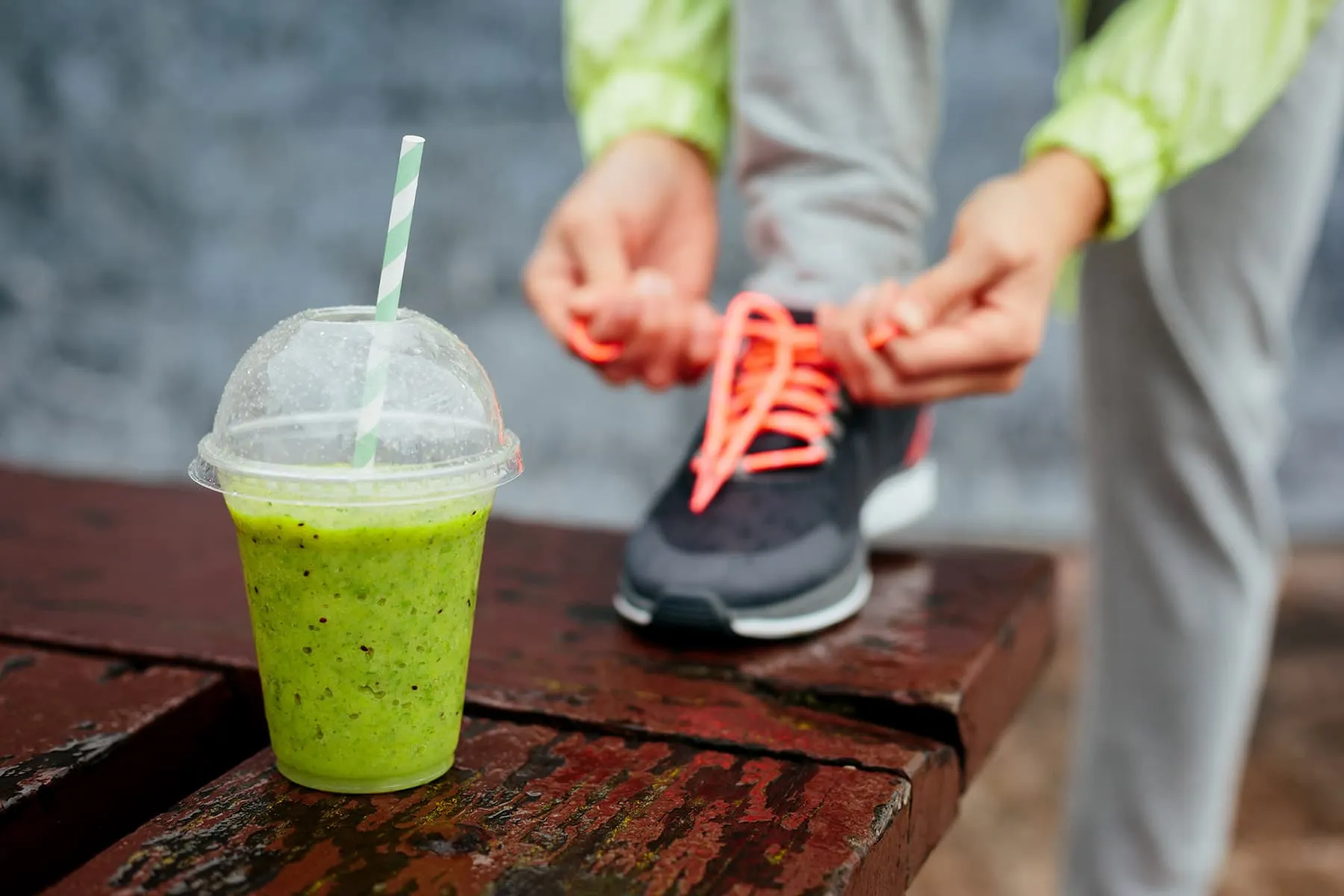

Knowing what to eat before and after a workout can feel weirdly complicated. One person at the gym swears by a banana. Another carries a neon drink that looks like it could power a spaceship. Someone else trains fasted and acts like breakfast is a personal weakness. Meanwhile, you just want enough energy to finish your workout without your stomach staging a dramatic protest.
The good news: workout nutrition does not need to be a chemistry exam wearing sneakers. For most people, the best pre-workout and post-workout foods come down to a few simple ideas: eat enough carbohydrates for energy, include protein for muscle repair, drink enough fluids, and time your meals so your body feels fueled instead of stuffed. Whether you lift weights, run, cycle, dance, swim, play sports, or do a humble living-room workout while your dog judges your form, food can help you perform better and recover faster.
This guide breaks down what to eat before a workout, what to eat after exercise, when to eat, and how to build simple meals that support strength, endurance, recovery, and everyday health.
Why Workout Nutrition Matters
Exercise uses fuel. Your body mainly relies on carbohydrates stored as glycogen in your muscles and liver, along with fat as an energy source during longer or lower-intensity activity. Protein is not your body’s favorite workout fuel, but it plays a starring role afterward by helping repair and rebuild muscle tissue.
When you eat well around workouts, you give your body three big advantages. First, you improve energy, so your workout does not feel like dragging a shopping cart with one bad wheel. Second, you support muscle recovery, especially after strength training or intense cardio. Third, you help regulate hydration and electrolytes, which can influence performance, focus, and how you feel during exercise.
The goal is not to eat “perfectly.” The goal is to eat in a way that matches your workout, your schedule, your digestion, and your fitness goals. A casual 30-minute walk does not require the same fueling plan as a two-hour soccer practice or a long-distance run. Context is kingand sometimes king just wants toast.
What to Eat Before a Workout
Your pre-workout meal should give you energy without making you feel heavy. For most workouts, that means choosing foods with carbohydrates, adding some protein, and keeping very fatty or high-fiber foods moderate if you are eating close to exercise.
Carbohydrates: Your Main Training Fuel
Carbohydrates are the body’s easiest fuel source during moderate to intense exercise. Good pre-workout carbs include oatmeal, bananas, rice, potatoes, whole-grain toast, fruit, yogurt, cereal, pasta, and smoothies. These foods help top off glycogen stores and may improve stamina, especially when your workout lasts longer than 45 to 60 minutes.
If your workout is short and easy, you may not need a special snack. But if you are doing strength training, high-intensity intervals, a long run, a tough cycling session, or a sport with bursts of speed, carbs are your friend. Do not ghost them. They did nothing wrong.
Protein: Helpful, But Do Not Overdo It Right Before Exercise
Protein before a workout can help provide amino acids for muscle support. Good options include Greek yogurt, eggs, cottage cheese, turkey, chicken, tofu, milk, soy milk, or a protein-containing smoothie. However, a giant protein-heavy meal right before exercise may sit in your stomach like a brick with ambition.
A small or moderate serving works best for most people. Think yogurt with fruit, toast with egg, oatmeal with milk, or a smoothie with banana and Greek yogurt. You want “ready to train,” not “ready to nap under the squat rack.”
Fat and Fiber: Healthy, But Timing Matters
Healthy fats and fiber are important in your overall diet, but they digest more slowly. Avocado, nuts, seeds, beans, large salads, and high-fat meals can be excellent foods, but eating too much of them right before training may cause bloating or stomach discomfort.
If you eat two to four hours before exercise, a balanced meal with some fat and fiber is usually fine. If you eat 30 to 60 minutes before exercise, choose simpler, easier-to-digest foods such as a banana, applesauce, toast, crackers, low-fat yogurt, or a small smoothie.
When to Eat Before a Workout
Meal timing is personal, but these general guidelines work well for many people.
Three to Four Hours Before Exercise
This is a good window for a full meal. Aim for carbohydrates, lean protein, some healthy fat, and fluids.
- Grilled chicken, rice, vegetables, and olive oil
- Turkey sandwich on whole-grain bread with fruit
- Oatmeal with milk, berries, and a spoonful of peanut butter
- Rice bowl with tofu, vegetables, and avocado
- Pasta with lean protein and tomato-based sauce
One to Two Hours Before Exercise
Choose a smaller meal or hearty snack. Keep it carb-focused with moderate protein.
- Greek yogurt with berries and granola
- Banana with peanut butter
- Toast with scrambled egg
- Smoothie with fruit, yogurt, and milk
- Low-fat cottage cheese with pineapple
Five to Thirty Minutes Before Exercise
If your workout is soon and you need quick energy, go small and simple. This is not the moment for a burrito the size of a sleeping bag.
- Banana
- Applesauce pouch
- Small handful of pretzels
- Toast or rice cake with a little honey
- A few crackers
Should You Work Out on an Empty Stomach?
Some people feel great exercising before breakfast. Others feel weak, dizzy, cranky, or suddenly convinced that burpees are a crime against humanity. Fasted workouts can work for light or moderate sessions, especially early in the morning. But for longer, harder, or high-intensity workouts, eating beforehand often supports better performance.
If you like morning workouts but cannot handle a full breakfast, try something small: half a banana, a few crackers, a small smoothie, or a slice of toast. After training, eat a balanced meal with protein and carbohydrates. If you have diabetes, blood sugar concerns, a history of disordered eating, or another medical condition, get personalized advice from a healthcare professional or registered dietitian.
What to Eat After a Workout
After exercise, your body needs to recover. A smart post-workout meal helps replenish glycogen, repair muscle tissue, rehydrate your body, and prepare you for your next session. The two headline nutrients are carbohydrates and protein.
Protein for Muscle Repair
Protein provides amino acids that help repair and build muscle. Many active people do well with about 15 to 30 grams of protein after a workout, depending on body size, workout intensity, and total daily needs. You do not need to panic-drink a shake within 14 seconds of your last rep, but getting protein within a couple of hours is a practical habit.
Good post-workout protein options include eggs, Greek yogurt, milk, cottage cheese, chicken, turkey, tuna, salmon, lean beef, tofu, tempeh, beans, lentils, edamame, and protein-rich smoothies.
Carbohydrates to Refill Energy Stores
Carbs after exercise help replenish glycogen. This matters most after long, intense, or repeated workouts. If you train hard again later that day or the next morning, post-workout carbs become even more important.
Good choices include fruit, rice, potatoes, oats, pasta, whole-grain bread, tortillas, cereal, quinoa, and starchy vegetables. Pair carbs with protein for a recovery meal that does more than just sit there looking healthy.
Fluids and Electrolytes
Sweat means fluid loss. For most everyday workouts under an hour, water is enough. For longer workouts, hot weather, heavy sweating, or endurance training, electrolytesespecially sodiumcan help replace what you lose through sweat.
You can get electrolytes from food and drinks: salted foods, soups, milk, yogurt, bananas, potatoes, and electrolyte beverages. Sports drinks may be useful for long or intense sessions, but they are not magic potions. If your workout is a casual stroll, you probably do not need a sugary sports drink unless your stroll includes being chased by a bear, which is a different article.
Best Foods to Eat After a Workout
The best post-workout meals combine protein, carbohydrates, fluids, and nutrients from whole foods. Here are easy examples:
- Greek yogurt with berries and granola
- Eggs with whole-grain toast and fruit
- Chicken rice bowl with vegetables
- Turkey sandwich with fruit and water
- Salmon with potatoes and vegetables
- Smoothie with milk, banana, berries, and Greek yogurt
- Tofu stir-fry with rice
- Bean burrito with salsa and a side of fruit
- Cottage cheese with peaches and whole-grain crackers
- Chocolate milk and a banana after a tough session
Pre-Workout and Post-Workout Meals by Goal
For Strength Training
Before lifting weights, eat carbs and protein. A good meal might be oatmeal with milk and fruit, or rice with chicken and vegetables. After lifting, prioritize protein and carbs again. Try eggs and toast, Greek yogurt with granola, or a chicken wrap.
Strength training creates a need for muscle repair, so protein matters. But total daily protein matters more than one single meal. Spread protein across the day instead of trying to consume all of it in one heroic dinner.
For Running or Endurance Workouts
Carbohydrates are especially important for endurance exercise. Before a run, bike ride, swim, or long hike, choose easy-to-digest carbs. A banana, toast, oatmeal, rice, or a smoothie can work well. For sessions longer than about an hour, some people benefit from carbs during the workout, such as sports drink, fruit, gels, or chews designed for endurance training.
Afterward, combine carbs and protein. A rice bowl, sandwich, smoothie, or yogurt with granola can help refill energy and support muscle recovery.
For Weight Management
If your goal includes weight management, workout nutrition should still support energy and recovery. Skipping food to “earn” meals can backfire by increasing hunger, lowering performance, and making your next meal feel like a personal emergency.
Focus on balanced portions: lean protein, high-fiber carbohydrates, fruits or vegetables, healthy fats, and water. A post-workout meal does not need to be huge unless the workout was long or intense. A smart snack may be enough if your next meal is soon.
Foods to Avoid Right Before a Workout
No food is universally “bad,” but some choices are risky right before exercise. Large greasy meals, fried foods, heavy cream sauces, oversized portions, carbonated drinks, and very spicy foods can cause discomfort for many people. High-fiber foods like beans, bran cereal, and big salads are healthy, but they may not be your best teammate 20 minutes before sprint intervals.
Also be careful with trying new foods before an important event, race, game, or intense workout. Training days are the laboratory. Game day is not the time to discover that your stomach has strong opinions about a new protein bar.
Hydration Before, During, and After Exercise
Hydration starts before your workout. Drink fluids throughout the day, and pay attention to thirst, urine color, heat, humidity, workout length, and how much you sweat. Pale yellow urine often suggests reasonable hydration, though supplements and certain foods can change color.
During exercise, sip water as needed. You do not have to force huge amounts, but do not ignore thirst either. After exercise, drink enough to replace what you lost. If your clothes are soaked, the weather is hot, or your workout lasted more than an hour, include sodium through food or an electrolyte drink.
Simple Meal Plans for Different Workout Times
Morning Workout
If you train early, keep it simple. Before: banana, toast, or a small smoothie. After: eggs with toast and fruit, oatmeal with milk and nuts, or Greek yogurt with granola. Coffee is fine for many adults, but teens and caffeine-sensitive people should be cautious with high-caffeine products and avoid relying on stimulant-heavy pre-workout supplements.
Lunch Workout
Eat a balanced breakfast, then have a small snack one to two hours before training. Try yogurt with fruit, a granola bar, or crackers with turkey. Afterward, eat lunch with protein and carbs: a chicken bowl, tuna sandwich, tofu wrap, or leftovers from dinner.
Evening Workout
Eat lunch normally, then have a pre-workout snack in the afternoon. Try fruit with yogurt, toast with peanut butter, or a smoothie. After your workout, eat dinner with protein, carbs, vegetables, and fluids. If dinner is late, keep it balanced but not painfully heavy.
Common Workout Nutrition Mistakes
Mistake 1: Eating Too Much Too Close to Exercise
A giant meal right before a workout can cause cramps, nausea, or sluggishness. Give larger meals more time to digest, and choose smaller snacks when your workout is close.
Mistake 2: Skipping Carbs Completely
Carbs fuel training. Cutting them too low may make workouts feel harder than necessary, especially intense or long sessions.
Mistake 3: Treating Protein Like a Magic Spell
Protein is important, but more is not always better. Your body needs enough protein across the day, not an emergency mountain of it after every workout.
Mistake 4: Forgetting Hydration
Even mild dehydration can make exercise feel harder. Keep water nearby and adjust for heat, sweat, and workout duration.
Mistake 5: Copying Someone Else’s Meal Plan Exactly
Your body, schedule, digestion, culture, budget, and goals matter. The best workout nutrition plan is one you can repeat without feeling miserable.
Experience-Based Tips: What Actually Works in Real Life
In real life, the best pre-workout and post-workout eating plan is rarely the fanciest one. It is the one you can actually follow when you are busy, tired, running late, or staring into the refrigerator like it owes you answers. Many people start by overcomplicating workout nutrition. They search for the perfect macro ratio, the perfect timing window, the perfect snack, and the perfect brand of protein powder. Then they forget to drink water and show up to the gym powered by stress and one lonely cracker.
A practical approach works better. For example, if you train in the morning and do not feel hungry, do not force a huge breakfast. Start with a small carb snack, such as a banana or toast, and see how your body responds. If your energy improves, you have useful data. If your stomach feels uncomfortable, try a smaller portion or eat after training instead. Your digestive system is not a robot; it has moods, preferences, and occasionally the dramatic timing of a soap opera villain.
For afternoon workouts, planning ahead is everything. A balanced lunch with rice, potatoes, bread, or pasta plus protein can make a huge difference in energy. If lunch is too light, the workout may feel flat. A snack one to two hours before trainingGreek yogurt with fruit, a turkey sandwich half, or oatmealcan prevent that “why are these dumbbells suddenly made of concrete?” feeling.
After a workout, many people do best with a real meal rather than a random snack parade. A bowl with rice, chicken or tofu, vegetables, and sauce is simple and effective. So is an egg sandwich with fruit, pasta with lean protein, or yogurt with granola. The meal does not need to look like it belongs on a magazine cover. It needs to provide protein, carbohydrates, fluids, and enough satisfaction that you are not raiding the pantry 20 minutes later like a raccoon with a gym membership.
Another useful experience: keep emergency workout snacks available. Bananas, applesauce, pretzels, granola bars, shelf-stable milk, tuna packets, crackers, or trail mix can save the day when your schedule goes sideways. The best nutrition plan includes a backup plan, because life loves plot twists.
Finally, track how different foods make you feel. Write down what you ate, when you ate, what workout you did, and how your energy and stomach felt. Over time, patterns appear. Maybe oatmeal is perfect before lifting but too heavy before running. Maybe yogurt works well after training. Maybe spicy leftovers before burpees are a mistake you only need to make once. Your body gives feedback. Listen to it, preferably before it starts yelling.
Conclusion
What you eat before and after a workout can shape your energy, performance, recovery, and consistency. Before exercise, focus on carbohydrates for fuel, moderate protein for support, and foods that digest comfortably. After exercise, combine protein and carbs to repair muscle and refill energy stores, then add fluids to rehydrate. The best plan depends on workout type, timing, intensity, personal digestion, and health needs.
You do not need perfect meals, expensive supplements, or a fridge organized by a fitness influencer with suspiciously good lighting. You need repeatable habits: eat enough, hydrate well, choose mostly nutrient-dense foods, and adjust based on how your body performs. That is the real secret. Well, that and not eating a giant chili burrito 10 minutes before jump squats.
Note: This article is for educational purposes only. People with medical conditions, food allergies, blood sugar concerns, or specialized athletic goals should seek personalized guidance from a registered dietitian or qualified healthcare professional.