
There are momeg lyrics and embarrassing events from seventh grade, suddenly produces nothing. A friend shares devastating news. A coworker starts crying. Someone asks a difficult question in a meeting. You want to help, but every possible sentence sounds too small, too awkward, or dangerously close to something printed inside a discount greeting card.
The good news is that you do not need a perfect line. In most emotional or uncertain conversations, the goal is not to impress the other person with verbal gymnastics. It is to show that you heard them, respect what they are experiencing, and are willing to stay present. A simple, sincere response is often more helpful than a polished speech.
This guide explains what to say when you do not know what to say, with practical examples for grief, illness, conflict, work, relationships, awkward silence, and everyday conversations.
Why We Freeze When Words Matter Most
People often go blank because they feel pressure to fix the situation. We assume that if someone is hurting, confused, or disappointed, our job is to remove the pain with one magnificent sentence. Unfortunately, conversation does not come with a “repair emotional damage” button.
Another reason is fear. We worry about saying the wrong thing, appearing insensitive, making the person cry, or exposing our own uncertainty. That fear can lead to nervous talking, forced optimism, unsolicited advice, or a sudden fascination with the nearest exit.
A better goal is connection rather than correction. Listening, acknowledging the emotion, and responding honestly can make a person feel less alone. Guidance from major U.S. health and bereavement organizations consistently emphasizes compassionate presence and simple expressions of concern rather than attempts to explain away another person’s pain. n>
A Simple Formula for Speechless Moments
When you are stuck, use this three-part structure:
- Acknowledge what happened or what you heard.
- Be honest about your limits.
- Ask a gentle question or offer specific support.
Example
“I’m so sorry you’re dealing with this. I don’t have the perfect words, but I care about you. Would it help to talk, or would you rather have some company?”
This formula works because it removes the pressure to perform. You are not pretending to understand everything. You are making space for the other person to guide the conversation.
Short responses you can remember
- “I don’t know what to say, but I’m here.”
- “That sounds incredibly hard. Do you want to talk about it?”
- “I may not understand completely, but I want to listen.”
- “Thank you for telling me. What would feel helpful right now?”
- “I need a moment to think because I want to respond carefully.”
What to Say When Someone Is Grieving
Grief makes many people panic conversationally. They search for a hopeful explanation, a spiritual lesson, or evidence that the pain will disappear by next Tuesday. Yet grief does not follow a tidy schedule, and the person may not want reassurance. They may simply want their loss acknowledged.
Keep your words direct, warm, and personal. It can be appropriate to mention the person who died by name, share a brief memory when the timing feels right, or offer practical assistance. Bereavement guidance also warns against minimizing the loss or pushing the grieving person toward “closure.” elpful examples
- “I’m so sorry. I know how much Maria meant to you.”
- “I don’t have words big enough for this, but I’m here with you.”
- “I remember how warmly your dad welcomed everyone. I’ll never forget that.”
- “Would you like to tell me about her?”
- “I can bring dinner on Thursday or handle the grocery run. Which would help more?”
What not to say
- “Everything happens for a reason.”
- “At least they lived a long life.”
- “You need to stay strong.”
- “I know exactly how you feel.”
- “Let me know if you need anything.”
The last phrase is kind, but it gives a grieving person another task: deciding what they need, figuring out whether you truly mean it, and contacting you. A specific offer is easier to understand and accept.
Instead of saying, “Call me if you need anything,” try, “I’m going to the grocery store tomorrow. May I bring you a few essentials?”
What to Say After a Diagnosis, Accident, or Other Bad News
When someone tells you about cancer, a serious illness, an accident, or another frightening development, do not rush into research mode unless they ask. A list of treatments, supplements, miracle stories, and your cousin’s neighbor’s surprising recovery may be more overwhelming than helpful.
Start with concern and let the person choose how much to share. The American Cancer Society recommends taking cues from the person, listening without claiming to know exactly how they feel, and admitting honestly when you do not know what to say. xamples
- “I’m really sorry you’re facing this.”
- “Thank you for trusting me with the news.”
- “Do you want to talk about the diagnosis, or would a distraction feel better?”
- “I don’t know what the right words are, but you won’t have to handle every part alone.”
- “Can I drive you to your appointment Tuesday or bring dinner afterward?”
If the person does not want to talk, respect that boundary. You can say, “That’s completely okay. I’m still here, and we can talk about something else.”
What to Say When Someone Is Crying
Tears often make observers uncomfortable because they feel like an emergency. Crying, however, can be a natural response to grief, stress, anger, relief, frustration, or exhaustion.
Do not immediately say, “Don’t cry.” That instruction can accidentally communicate that the person’s emotion is inconvenient. Instead, lower the pressure and give them choices.
Try these responses
- “Take your time. You don’t have to explain everything right now.”
- “I’m here. Would you like a hug, some water, or a little space?”
- “This clearly matters a lot to you.”
- “We can sit quietly for a minute.”
- “What part feels hardest right now?”
These lines do not demand that the person stop feeling. They provide permission, choice, and time.
What to Say During a Difficult Conflict
When emotions rise, people often reach for sentences that make everything worse: “Calm down,” “You always do this,” or the classic relationship grenade, “Fine.” Guidance on difficult conversations recommends avoiding blame-heavy language, approaching the discussion with curiosity, and listening before defending yourself. hen you need time
- “I want to answer thoughtfully, not react defensively. Can I take ten minutes?”
- “I’m feeling overwhelmed, but I do want to continue this conversation.”
- “Let me make sure I understand what you’re saying.”
When you may have hurt someone
- “I can see that my comment hurt you. I’m sorry.”
- “I was focused on my intention, but I need to acknowledge the impact.”
- “I don’t fully understand yet. Can you tell me what landed badly?”
When you disagree
- “I see this differently, but I want to understand your reasoning.”
- “We may not agree, but I think we can discuss this respectfully.”
- “What would a fair next step look like to you?”
What to Say When You Owe Someone an Apology
Sometimes you do not know what to say because you know you made a mistake. The temptation is to explain your intentions, defend your character, and present twelve exhibits proving that you are normally a delightful person.
A useful apology is usually shorter. Name what you did, acknowledge the impact, express regret, and explain how you will act differently.
Examples
- “I interrupted you repeatedly in the meeting. That was disrespectful, and I’m sorry.”
- “I shared something you told me privately. I broke your trust.”
- “My joke was insensitive. I understand why it hurt you, and I won’t repeat it.”
- “I became defensive instead of listening. May we try the conversation again?”
Avoid adding “if you were offended” or “but that wasn’t my intention.” Those phrases can turn an apology into a tiny courtroom where you are both the defendant and the judge.
What to Say at Work When You Do Not Know the Answer
In professional settings, people sometimes believe “I don’t know” is career quicksand. It is not. Guessing confidently, however, can become career quicksand with a conference room attached.
The strongest response combines honesty with a next step. Workplace and interview guidance commonly recommends pausing, asking for clarification, explaining what you do know, and stating how you would find the answer. n a meeting
- “I don’t have that figure in front of me. I’ll verify it and send the answer by 3 p.m.”
- “I’m not certain. My current understanding is X, but I want to confirm before we decide.”
- “Could you clarify whether you mean the monthly total or the year-to-date total?”
In a job interview
- “I haven’t handled that exact situation, but here is how I would approach it.”
- “I need a moment to think through that. May I take a few seconds?”
- “I’m not familiar with that specific tool. I have used similar systems, and I would begin by learning the workflow and documentation.”
When your manager asks a difficult question
- “I don’t have enough information to give you a reliable answer yet. I need to check A and B first.”
- “There are two possible explanations. I can investigate both and return with a recommendation.”
- “I don’t want to speculate. May I review the data and follow up this afternoon?”
Honesty works best when it includes ownership. Saying “I don’t know” and disappearing is not a strategy. Saying “I don’t know yet, and here is how I’ll find out” demonstrates judgment and reliability.
What to Say When a Conversation Becomes Awkward
Not every speechless moment involves tragedy. Sometimes you are at a party, standing beside a stranger, both of you studying the snack table as if it contains a legally binding contract.
In ordinary conversation, curiosity is your emergency toolkit. Active listening, open-ended questions, and reflecting part of what the person said can keep an exchange natural. asy conversation savers
- “How do you know the host?”
- “What has been keeping you busy lately?”
- “You mentioned moving here. What do you like about the area so far?”
- “I’ve completely lost my train of thought. Anyway, tell me more about your trip.”
- “I’m not great at small talk, but I’m glad we started talking.”
You do not have to manufacture a fascinating story. Being genuinely interested is usually more effective than trying to appear endlessly interesting.
What to Say When Someone Says, “I’m Fine”
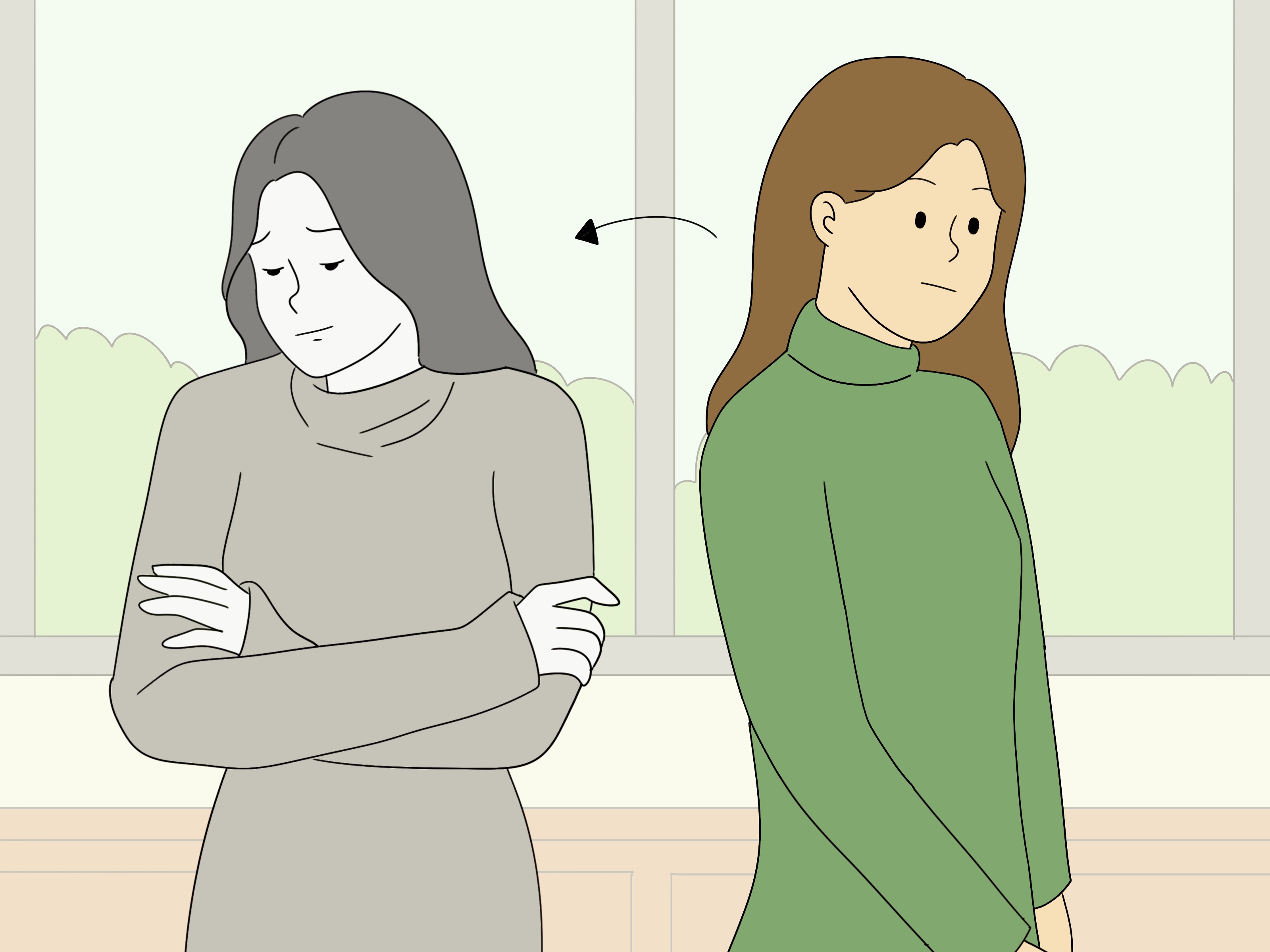
Sometimes a person says they are fine while their tone, expression, or behavior suggests otherwise. Avoid interrogating them. They may not be ready to share, or they may prefer privacy.
Gentle responses
- “Okay. You don’t have to talk, but I’m available if that changes.”
- “I may be reading this wrong, but you seem a little overwhelmed.”
- “Would you prefer company, help with something practical, or some space?”
- “No pressure to explain. I just wanted to check in.”
Your role is to open a door, not drag the person through it.
What to Say by Text When You Feel Stuck
Texting removes body language and vocal tone, so short messages can sound colder than intended. Add a little warmth and make your purpose clear.
After bad news
“I just saw your message. I’m so sorry. I don’t know what to say, but I’m thinking about you and I’m here.”
When you need time to respond
“I want to give this the attention it deserves. Can I think about it and reply tonight?”
When someone has not replied
“No pressure to respond. I just wanted you to know I’m thinking of you.”
When you want to offer help
“I can drop off groceries Wednesday evening or pick up the kids Friday. Would either help?”
Seven Things to Avoid Saying
- Forced positivity: “Look on the bright side.”
- Comparison: “My situation was worse.”
- Instant solutions: “Here’s what you need to do.”
- Emotional commands: “Calm down” or “Don’t be sad.”
- False certainty: “Everything will definitely be fine.”
- Invasive questions: demanding details the person did not volunteer.
- Making yourself the main character: turning their story into a long account of your experience.
These responses often come from good intentions. The problem is that they can minimize the person’s experience, shift attention away from them, or pressure them to feel differently before they are ready.
A Five-Second Reset for Speechless Moments
When your mind goes blank, try this quick process:
- Pause. One breath is not an awkward eternity.
- Notice. Is the person asking for information, comfort, advice, or simply attention?
- Name. Acknowledge what you heard: “That sounds painful,” or “That is an important question.”
- Choose. Offer listening, clarification, practical help, or a later response.
- Follow through. If you promise to call, research, visit, or send information, do it.
The final step matters. A beautiful sentence followed by disappearance is less useful than an ordinary sentence followed by reliable support.
Experience-Based Lessons from Speechless Moments
The following composite scenarios reflect common experiences in families, friendships, workplaces, and social settings. They show why communication lessons are often easier to understand in realistic situations than in a tidy list of rules.
Experience 1: The condolence that became a monologue
A person attends a funeral determined to comfort a grieving friend. Nervousness takes over, and the condolence turns into a five-minute speech about fate, strength, heaven, and an unrelated loss from years earlier. The grieving friend politely nods while carrying the emotional weight of both people.
The lesson is not that sharing is always wrong. A brief memory can be deeply meaningful. The problem is timing and proportion. A better response would be: “I’m so sorry. I loved how your mother made everyone feel welcome. I’m here for you.” Then stop. Silence gives the other person room to respondor not respond.
Experience 2: The manager who guessed
During a meeting, a manager is asked for a number she does not know. Worried about appearing unprepared, she makes an estimate. The estimate becomes a slide, the slide becomes a decision, and the decision becomes an afternoon everyone would like refunded.
The stronger response would have been: “I don’t have the verified number. I’ll confirm it after the meeting and send it by noon.” Credibility does not require instant certainty. It requires accuracy, transparency, and follow-through.
Experience 3: The friend who tried to fix heartbreak
Someone going through a breakup calls a friend. The friend immediately offers a twelve-step recovery plan: delete every photo, join a gym, download three dating apps, meditate, travel, and “be grateful it happened.” The advice is energetic, organized, and completely mismatched to the moment.
What the caller needed first was recognition: “This hurts. I know you cared deeply about the relationship. Do you want me to listen, help you think through next steps, or distract you for a while?” Asking before advising prevents support from becoming a surprise consulting session.
Experience 4: The silence that was actually helpful
A family member receives frightening medical news. A relative visits and admits, “I don’t know what to say.” Instead of filling the room with encouragement, the relative sits nearby, makes tea, and listens when the person is ready to speak.
Nothing dramatic happens. There is no cinematic speech and no swelling orchestra. Yet the visit feels supportive because the silence is attentive rather than avoidant. Silence can communicate abandonment, but it can also communicate patience. The difference is whether you remain emotionally present.
Experience 5: The apology with an escape hatch
After making a hurtful joke, someone says, “I’m sorry if you were offended.” The sentence sounds like an apology but quietly assigns responsibility to the hurt person.
A more accountable version is: “That joke was disrespectful. I’m sorry I said it. I understand why it hurt, and I won’t repeat it.” When you do not know what to say, clarity is kinder than defensiveness. You do not need a legal brief explaining your intention. You need to name the behavior, acknowledge the impact, and change what happens next.
Experience 6: The awkward networking conversation
At a professional event, two people run out of things to say. One feels responsible for preventing silence and starts listing random facts with the intensity of a game-show contestant. The other finally asks, “What kind of projects are you enjoying lately?”
The conversation becomes easier because the question is open, specific, and interested. A good conversation is not a solo performance. You can hand the conversational ball back with a question, reflect something already said, or acknowledge the awkwardness with light humor. Sometimes, “My small-talk battery is warming up slowly today” is more charming than pretending to be effortlessly dazzling.
The shared lesson
Across these experiences, the most effective responses have four qualities: they are honest, brief, attentive, and appropriate to the moment. They do not erase pain, invent certainty, or steal the spotlight. They help the other person feel accompanied.
Conclusion: You Do Not Need Perfect Words
Knowing what to say is useful, but knowing how to be present is better. When words fail, acknowledge the situation, admit that you are unsure, listen carefully, and offer one specific form of support. That approach works in grief, conflict, work, illness, friendship, and awkward small talk.
The sentence “I don’t know what to say, but I’m here” is not a conversational failure. It is honest. It removes the performance. Most importantly, it keeps the connection openand that is often what the other person needs most.